Stress Management
Stress management plays a crucial role in boosting immunity as stress can weaken the immune system, making the body more susceptible to illnesses. Implementing effective stress management techniques can help improve overall health and immunity. Here are some strategies to help reduce stress and enhance immunity:
Relaxation Techniques
- Deep Breathing: Practice deep breathing exercises to calm the mind and body. Inhale deeply through your nose, hold for a few seconds, and exhale slowly through your mouth.
- Meditation: Engage in mindfulness meditation to focus on the present moment and alleviate stress. Find a quiet space, close your eyes, and concentrate on your breath.
- Yoga: Incorporate yoga into your routine to promote relaxation and reduce stress levels. Yoga poses and stretches can help release tension in the body.
- Progressive Muscle Relaxation: Tense and relax different muscle groups in your body to release physical tension and promote relaxation.
- Guided Imagery: Visualize peaceful and calming scenes to reduce stress and anxiety. Picture yourself in a serene environment to soothe the mind.
Healthy Lifestyle
Healthy lifestyle tips for boosting immunity – Living a healthy lifestyle plays a crucial role in strengthening our immune system, helping our bodies fight off infections and illnesses more effectively.
Incorporating Healthy Habits
One way to enhance immunity is by incorporating healthy habits into our daily routines. This includes:
- Getting an adequate amount of sleep each night to allow our bodies to rest and recover.
- Eating a balanced diet rich in fruits, vegetables, whole grains, and lean proteins to provide essential nutrients for our immune system.
- Staying hydrated by drinking plenty of water throughout the day to help flush out toxins and keep our bodies functioning optimally.
- Avoiding smoking and limiting alcohol consumption, as these habits can weaken the immune system.
Importance of Regular Exercise and Balanced Diet
Regular exercise and a balanced diet are key components in boosting immunity. Exercise helps improve circulation, reduce inflammation, and promote overall health. Meanwhile, a balanced diet provides the necessary vitamins, minerals, and antioxidants that support our immune system.
Medical Innovations
In recent years, there have been significant advancements in medical innovations that have played a crucial role in supporting immune system health. These innovations have not only helped in preventing diseases but also in strengthening overall immunity.
Role of Vaccines in Strengthening Immunity
Vaccines have been a key player in boosting immunity by introducing weakened or inactive parts of a pathogen into the body, triggering the immune system to produce antibodies. This process helps the body recognize and fight off the pathogen more effectively in the future. Vaccines have been instrumental in eradicating deadly diseases and preventing outbreaks, ultimately contributing to better immune health on a global scale.
Advancements in Medical Technology
With the continuous evolution of medical technology, various tools and techniques have been developed to enhance immune health. From precision medicine to targeted therapies, these innovations have revolutionized the way we approach immune system disorders and diseases. For example, immunotherapy has emerged as a breakthrough treatment for cancer by leveraging the body’s immune system to fight the disease. Additionally, advancements in genetic engineering have opened up new possibilities for personalized medicine, tailoring treatments to individual immune responses for optimal results.
Nutritional Supplements: Healthy Lifestyle Tips For Boosting Immunity
In addition to a healthy diet, nutritional supplements can play a crucial role in boosting immunity and overall health. These supplements provide essential vitamins and minerals that may be lacking in your diet, helping to strengthen your immune system and protect against illnesses.
Key Vitamins and Minerals for Immune Function
- Vitamin C: Known for its antioxidant properties, vitamin C helps boost the immune system and can reduce the duration of colds.
- Vitamin D: Essential for immune function, vitamin D helps regulate the immune response and reduce inflammation.
- Zinc: Supports immune function and helps in the production of immune cells, aiding in the body’s defense against infections.
- Probiotics: Beneficial bacteria that support gut health, promoting a strong immune system by enhancing the gut microbiome.
Consulting a Healthcare Professional
It is important to consult a healthcare professional before adding any nutritional supplements to your routine. They can provide personalized recommendations based on your individual needs, existing health conditions, and potential interactions with medications. Their guidance can ensure that you are taking the right supplements in the proper dosage to support your immune system effectively.
Fitness Routine
Regular physical activity is essential for maintaining a strong immune system. A well-rounded fitness routine can help improve immune function and overall health. By incorporating a variety of exercises into your routine, you can ensure that you are supporting your immune system in the best way possible.
Balancing Different Types of Exercises
- Cardiovascular Exercises: Activities such as running, cycling, or swimming can improve cardiovascular health and boost overall immunity. Aim for at least 150 minutes of moderate-intensity cardio each week.
- Strength Training: Building muscle through weightlifting or bodyweight exercises can help increase metabolism and improve immune function. Include strength training sessions 2-3 times per week.
- Flexibility and Mobility Work: Stretching and mobility exercises can help prevent injuries and promote better circulation, which is important for immune health. Incorporate yoga or Pilates into your routine a few times a week.
- Rest and Recovery: Don’t forget the importance of rest days in your fitness routine. Giving your body time to recover is crucial for immune function and overall well-being.
Health Screenings
Regular health screenings play a crucial role in assessing the health of our immune system. These screenings help in early detection of any immune-related issues, allowing for timely intervention and treatment.
Common Health Screenings Impacting Immunity
- Blood Tests: Blood tests can reveal important information about the overall health of the immune system, such as white blood cell count, which is essential for fighting off infections.
- Vitamin D Levels: Vitamin D plays a key role in immune function, and screening for vitamin D levels can help identify deficiencies that may impact immunity.
- Immunoglobulin Levels: Immunoglobulins are antibodies that play a crucial role in defending the body against infections. Checking immunoglobulin levels can provide insight into the immune system’s ability to fight off pathogens.
- Thyroid Function Tests: Thyroid hormones have a significant impact on immune function. Monitoring thyroid function through screenings can help identify any issues that may be affecting immunity.
Disease Prevention
Preventing diseases through immune system support is crucial for maintaining overall health and well-being. A strong immune system plays a vital role in protecting the body from various infections and illnesses.
Strategies for Disease Prevention
- Ensure a balanced diet rich in fruits, vegetables, whole grains, and lean proteins to provide essential nutrients for immune function.
- Stay hydrated by drinking an adequate amount of water daily to support the body’s natural detoxification processes.
- Get regular exercise to boost circulation and enhance immune cell activity.
- Practice good hygiene by washing hands frequently, especially before eating or touching your face.
- Get enough quality sleep to allow the body to repair and regenerate, crucial for immune system function.
Importance of a Robust Immune System
A robust immune system is essential for disease prevention as it helps the body recognize and combat harmful pathogens effectively. By maintaining a healthy immune system, the risk of infections and illnesses can be significantly reduced.
Lifestyle Changes for Reducing Infection Risk
- Manage stress levels through techniques like meditation, yoga, or deep breathing exercises to reduce inflammation and improve immune function.
- Avoid smoking and limit alcohol consumption, as these habits can weaken the immune system and increase susceptibility to infections.
- Stay up to date with vaccinations to protect against common infectious diseases.
- Avoid close contact with sick individuals and practice social distancing during outbreaks to minimize the risk of exposure to pathogens.
- Consider incorporating immune-boosting supplements like vitamin C, vitamin D, and zinc into your daily routine, under the guidance of a healthcare professional.
Sleep Hygiene
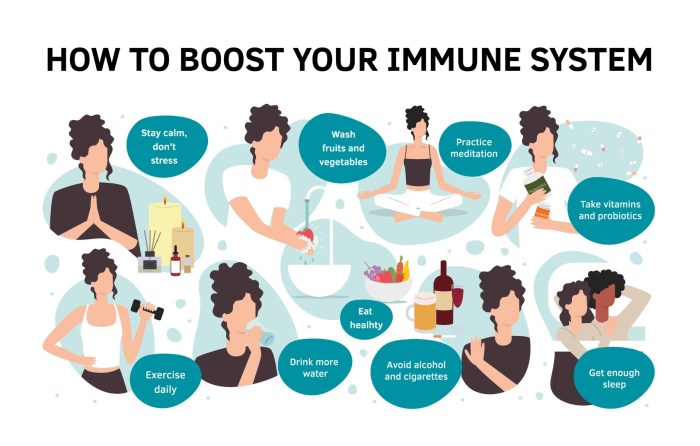
Quality sleep plays a crucial role in supporting a healthy immune system. During sleep, the body repairs and regenerates cells, and the immune system works to fight off infections. Poor sleep habits can weaken the immune system, making it harder for the body to defend against illnesses.
Tips for Improving Sleep Hygiene
- Avoid caffeine and heavy meals close to bedtime.
- Establish a regular sleep schedule by going to bed and waking up at the same time every day.
- Create a relaxing bedtime routine to signal to your body that it’s time to wind down.
- Keep your sleep environment dark, quiet, and cool for optimal rest.
- Avoid screens and electronic devices before bed, as the blue light can disrupt sleep patterns.
Impact of Sleep Deprivation on the Immune System
Sleep deprivation can have a detrimental effect on the immune system, making the body more susceptible to infections. Chronic lack of sleep can lead to increased inflammation in the body, as well as a decrease in the production of immune cells. This can impair the body’s ability to fight off illnesses and recover from infections effectively.
Mental Clarity
Maintaining mental clarity is crucial for overall well-being, including immune health. Our cognitive function plays a significant role in how our body responds to threats and helps regulate our immune system. When our mind is clear and focused, it can better support our body’s defense mechanisms.
Experiencing stress, anxiety, or cognitive fog can weaken our immune system, making us more susceptible to illnesses. Therefore, it is essential to incorporate practices that enhance mental clarity to boost our immune health.
Techniques for Enhancing Mental Clarity, Healthy lifestyle tips for boosting immunity
- Practice mindfulness and meditation to calm the mind and reduce stress levels.
- Engage in regular physical exercise to promote blood flow to the brain and improve cognitive function.
- Get an adequate amount of quality sleep to allow the brain to rest and recharge.
- Stay hydrated throughout the day to support brain function and cognitive performance.
- Incorporate brain-boosting foods like fatty fish, blueberries, and nuts into your diet.
Mind-Body Connection and Immunity
- The mind-body connection refers to the relationship between our thoughts, emotions, and physical health.
- A positive mindset and emotional well-being can strengthen the immune system and improve overall health.
- Practicing stress management techniques, such as deep breathing or yoga, can positively impact immune function.
- Chronic stress and negative thought patterns can suppress the immune response and make the body more vulnerable to illnesses.
Hydration Importance
Maintaining proper hydration is crucial for supporting a healthy immune system. Adequate hydration helps in the production of lymph, a fluid that carries important immune cells throughout the body, and also aids in the elimination of toxins. Dehydration can weaken the immune response and make it harder for the body to fight off infections and illnesses.
Tips for Staying Hydrated
- Carry a reusable water bottle with you throughout the day to remind yourself to drink water regularly.
- Set reminders on your phone or use a hydration tracking app to monitor your water intake.
- Infuse your water with fruits or herbs for added flavor to make it more enjoyable to drink.
- Consume hydrating foods such as watermelon, cucumbers, and soups to increase your fluid intake.
Effects of Dehydration on Immune Response
Dehydration can lead to a decrease in the production of antibodies and cytokines, which are essential for a strong immune response. It can also impair the function of white blood cells, making it harder for the body to defend against pathogens. In addition, dehydration can cause a decrease in mucous production, which acts as a barrier against infections.
Overall Health Impact
Chronic dehydration can have negative effects on overall health, including fatigue, headaches, digestive issues, and impaired cognitive function. It can also lead to an increased risk of developing chronic conditions such as kidney stones and urinary tract infections. Staying adequately hydrated is essential for maintaining a robust immune system and promoting overall well-being.
Question & Answer Hub
How does stress affect the immune system?
Stress can weaken the immune system, making you more susceptible to illnesses. It’s essential to practice stress management techniques to support your immunity.
What are some relaxation exercises that boost immunity?
Deep breathing, meditation, and yoga are excellent relaxation exercises that can help strengthen your immune system.
Why is hydration important for immunity?
Staying hydrated is crucial for optimal immune function as water plays a key role in various bodily processes that support immunity.