Disease prevention strategies for seniors: Key Tips and Practices to Stay Healthy

Stress Management

Stress management plays a crucial role in disease prevention for seniors as it can help reduce the risk of various health issues and improve overall well-being. Chronic stress has been linked to a weakened immune system, increased inflammation, and a higher likelihood of developing conditions such as heart disease, diabetes, and depression among older adults.

Stress-Relief Techniques for Seniors

  • Practice deep breathing exercises: Encouraging seniors to take slow, deep breaths can help calm the mind and reduce stress levels.
  • Engage in gentle physical activities: Activities like tai chi, yoga, or walking can promote relaxation and reduce tension in the body.
  • Connect with loved ones: Spending time with family and friends, or even participating in support groups, can provide emotional support and alleviate feelings of loneliness or anxiety.
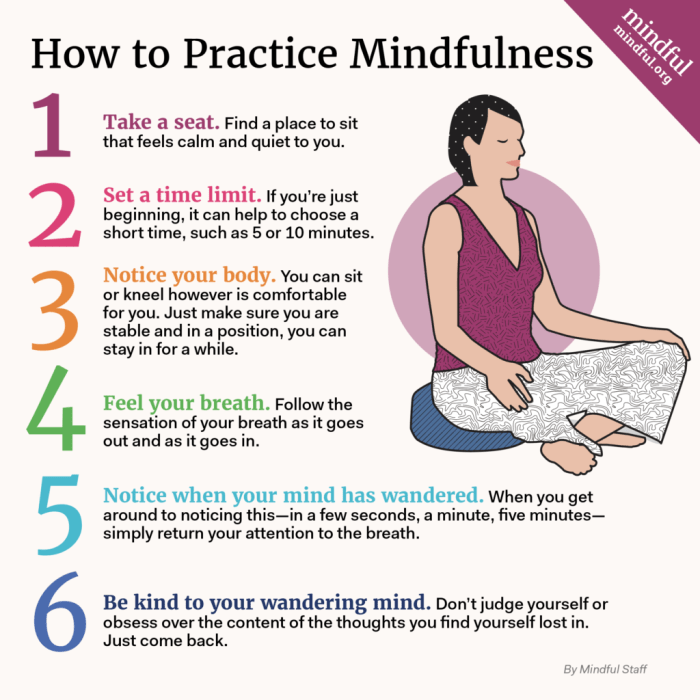
  • Try mindfulness or meditation: Teaching seniors mindfulness techniques can help them stay present and focused, reducing stress and promoting mental clarity.

Impact of Chronic Stress on Seniors

Chronic stress can have a detrimental impact on seniors’ health by increasing the risk of cardiovascular problems, cognitive decline, and a compromised immune system. It can also exacerbate age-related conditions like arthritis, osteoporosis, and sleep disorders, leading to a decline in overall quality of life.

Incorporating Stress Management into Daily Routines

  • Encourage regular physical activity: Engaging in daily exercise can help seniors manage stress levels and improve their mood.
  • Promote relaxation techniques: Encourage seniors to take breaks throughout the day for relaxation, whether it’s through reading, listening to music, or practicing mindfulness.
  • Provide resources for mental health support: Ensure seniors have access to counseling services or mental health professionals to address any underlying stressors or emotional challenges.
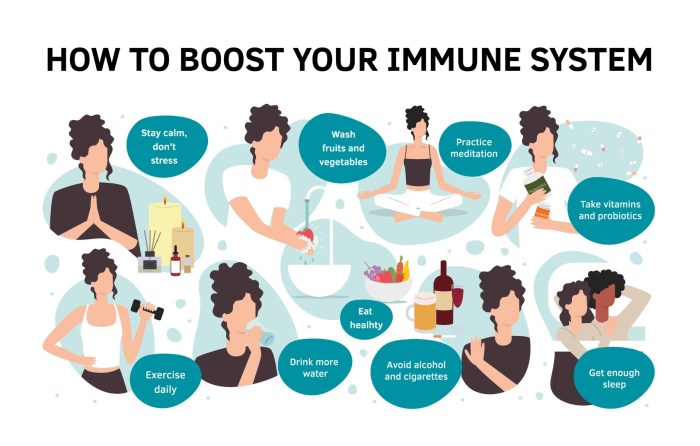
  • Encourage a healthy lifestyle: Promoting a balanced diet, adequate sleep, and social engagement can all contribute to reducing stress and promoting overall well-being in seniors.

Healthy Lifestyle

Maintaining a healthy lifestyle is crucial for disease prevention in seniors. By incorporating specific components into their daily routines, older adults can improve their overall well-being and reduce the risk of various health conditions.

Components of a Healthy Lifestyle

  • Regular physical activity: Engaging in exercises such as walking, swimming, or yoga can help seniors improve their cardiovascular health, muscle strength, and flexibility.
  • Healthy diet: Consuming a balanced meal plan rich in fruits, vegetables, whole grains, lean proteins, and healthy fats can provide essential nutrients and support overall health.
  • Adequate sleep: Getting enough rest is essential for seniors to recharge their bodies and minds, promoting better cognitive function and immune system support.
  • Stress management: Practicing relaxation techniques, mindfulness, or hobbies can help seniors reduce stress levels and improve their mental well-being.
  • Social connections: Maintaining relationships with friends, family, or participating in community activities can support seniors’ emotional health and reduce feelings of isolation.

Sedentary vs. Active Lifestyles

  • Sedentary lifestyle: Inactive behavior and prolonged sitting can increase the risk of obesity, heart disease, diabetes, and other health issues in seniors.
  • Active lifestyle: Regular physical activity can improve seniors’ mobility, balance, and overall quality of life, reducing the likelihood of chronic diseases and enhancing mental well-being.

Sample Daily Meal Plan

Meal Food Items
Breakfast Whole grain cereal with berries and low-fat yogurt
Lunch Grilled chicken salad with mixed greens and vinaigrette dressing
Snack Carrot sticks with hummus
Dinner Baked salmon with quinoa and steamed broccoli

Activities for Seniors

  • Walking or hiking in nature
  • Joining a senior fitness class
  • Gardening or planting flowers
  • Attending group exercise sessions
  • Learning a new hobby or skill

Medical Innovations

In the realm of disease prevention for seniors, medical innovations play a crucial role in enhancing healthcare access and improving overall well-being. From advanced technologies to innovative treatments, these advancements are reshaping the landscape of senior care.

Telemedicine and Remote Monitoring

Telemedicine and remote monitoring have revolutionized healthcare access for the elderly by providing convenient and efficient ways to receive medical care. Seniors can now consult with healthcare providers remotely, eliminating the need for frequent in-person visits. Remote monitoring devices allow for real-time tracking of vital health metrics, enabling early detection of potential health issues.

  • Telemedicine enables seniors to connect with healthcare professionals through video calls, phone consultations, and secure messaging platforms.
  • Remote monitoring devices, such as wearable sensors and smart health trackers, can track vital signs like heart rate, blood pressure, and blood sugar levels.
  • These technologies help seniors manage chronic conditions, monitor medication adherence, and receive timely interventions when needed.

Wearable Devices for Health Tracking

Wearable devices have become increasingly popular among seniors for tracking vital health metrics and promoting active lifestyles. These devices can monitor physical activity, sleep patterns, and overall health status, providing valuable insights for disease prevention and management.

  • Smartwatches, fitness bands, and health trackers offer features like heart rate monitoring, step counting, and sleep tracking to help seniors stay active and maintain healthy habits.
  • By wearing these devices regularly, seniors can proactively manage their health, set fitness goals, and stay motivated to lead a healthy lifestyle.
  • Some wearable devices also have built-in emergency response systems that can alert caregivers or emergency services in case of a health emergency.

Innovative Treatments for Age-Related Conditions, Disease prevention strategies for seniors

Advancements in medical research have led to innovative treatments and interventions for age-related conditions that were once considered untreatable. From gene therapies to regenerative medicine, these cutting-edge approaches offer new hope for seniors facing complex health challenges.

  • Gene therapies target specific genetic mutations associated with age-related diseases, offering personalized treatment options for seniors with hereditary conditions.
  • Regenerative medicine techniques, such as stem cell therapy and tissue engineering, aim to repair damaged tissues and organs, potentially reversing the effects of aging and degenerative diseases.
  • Novel drug therapies and medical devices are being developed to address age-related conditions like Alzheimer’s disease, osteoporosis, and cardiovascular disorders, providing new possibilities for improved quality of life in older adults.

Nutritional Supplements

Disease prevention strategies for seniors – As seniors age, their nutritional needs may change, making it essential to consider the role of supplements in supporting immune function and overall health. Nutritional supplements can provide essential vitamins and minerals that may be lacking in their diets, helping to prevent diseases and maintain well-being.

Key Nutritional Supplements for Seniors

  • Vitamin D: Supports bone health and immune function. Especially important for seniors who may have limited sun exposure.
  • Vitamin B12: Helps maintain nerve function and red blood cell production. Common deficiency in older adults.
  • Calcium: Essential for bone health and muscle function. Important for preventing osteoporosis.
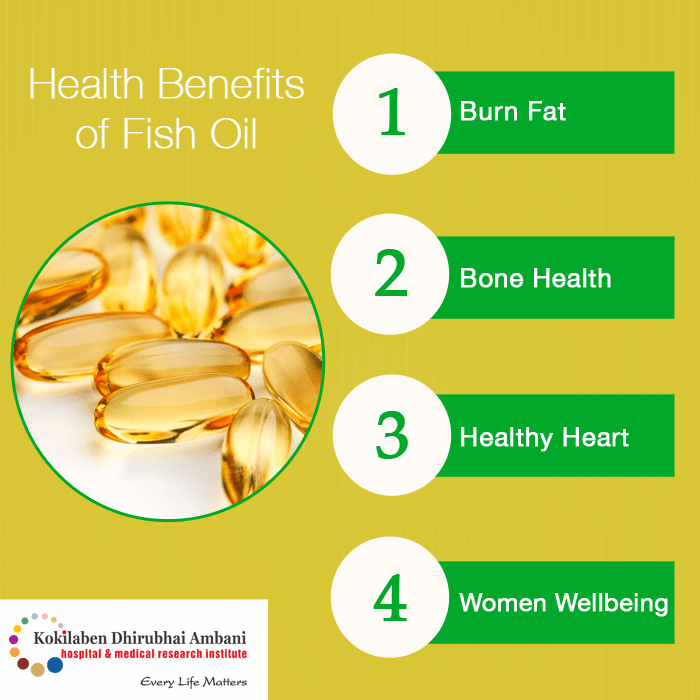
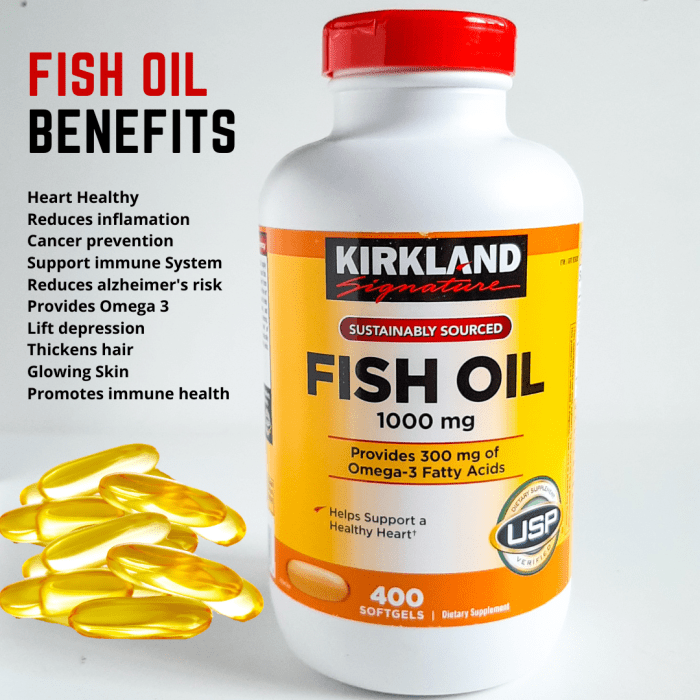
  • Omega-3 Fatty Acids: Support heart health and reduce inflammation. Found in fish oil supplements.

Benefits of Essential Vitamins and Minerals

Essential vitamins and minerals play a crucial role in disease prevention for seniors. Vitamins like C and E act as antioxidants, protecting cells from damage. Minerals like zinc and magnesium support immune function and help regulate blood pressure.

Guidelines for Safe Use of Nutritional Supplements

  1. Consult a healthcare provider before starting any new supplement regimen, especially if taking medications.
  2. Choose supplements from reputable brands that undergo testing for quality and purity.
  3. Follow recommended dosage instructions to avoid potential side effects or toxicity.
  4. Monitor for any adverse reactions and discontinue use if experiencing negative effects.

Potential Interactions and Risks

It is important to be aware of potential interactions or risks associated with certain supplements in older populations. For example, high doses of certain vitamins like vitamin E can increase the risk of bleeding, especially for those on blood thinners. Calcium supplements may interfere with the absorption of certain medications like antibiotics or thyroid hormones.

Fitness Routine: Disease Prevention Strategies For Seniors

Regular physical activity is crucial for seniors to maintain their overall health and prevent the onset of chronic diseases. A suitable fitness routine tailored for older adults can significantly improve strength, flexibility, and cardiovascular health, leading to a better quality of life.

Low-Impact Exercises for Seniors

  • Walking: A simple yet effective exercise that can be done almost anywhere. It helps improve cardiovascular health and strengthens leg muscles.
  • Swimming: A low-impact exercise that works out the entire body while being gentle on the joints.
  • Yoga: Enhances flexibility, balance, and strength, promoting relaxation and reducing stress levels.
  • Chair Exercises: Ideal for seniors with limited mobility, these exercises can help improve strength and flexibility.
  • Cycling: Stationary or outdoor biking can be a great way to improve cardiovascular health and leg strength.

Importance of Regular Physical Activity

Regular physical activity not only improves physical health but also has positive effects on mental well-being. It can help reduce the risk of heart disease, diabetes, osteoporosis, and other chronic conditions commonly associated with aging.

Overcoming Barriers to Exercise

  • Lack of Motivation: Joining group fitness classes or finding a workout buddy can help seniors stay motivated and committed to their fitness routine.
  • Fear of Injury: Starting with low-impact exercises and seeking guidance from a fitness professional can alleviate fears of getting injured during workouts.
  • Physical Limitations: Tailoring the fitness routine to individual needs and abilities can make exercise more accessible and enjoyable for seniors with physical limitations.
  • Time Constraints: Breaking down workouts into shorter sessions throughout the day or incorporating physical activity into daily tasks can help overcome time constraints.

Health Screenings

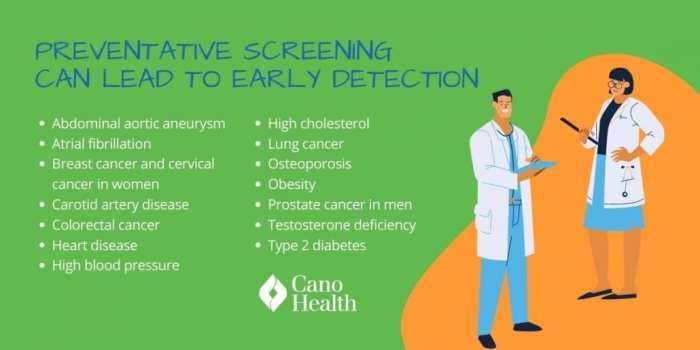
Regular health screenings play a crucial role in disease prevention for seniors by detecting potential health issues early on. This proactive approach allows for timely intervention and treatment, ultimately leading to better health outcomes in older adults.

Essential Screenings for Older Adults

  • Blood Pressure: Regular monitoring can help in the early detection and management of hypertension, reducing the risk of heart disease and stroke.
  • Cholesterol Levels: Screening for cholesterol levels can identify individuals at risk for cardiovascular disease and guide preventive measures.
  • Blood Sugar: Checking blood sugar levels is essential for early detection of diabetes, a common age-related condition.
  • Bone Density: Assessing bone density can help in the early diagnosis of osteoporosis, reducing the risk of fractures.
  • Colorectal Cancer: Screening tests like colonoscopy can detect colorectal cancer early, when treatment is most effective.

Prevention and Early Treatment

Regular health screenings enable healthcare providers to identify potential health issues before symptoms manifest, allowing for early intervention and treatment. This proactive approach can significantly reduce the progression of age-related diseases and improve quality of life for seniors.

Frequency and Timing

  • Blood Pressure: Yearly screenings are recommended for individuals over 65, or more frequently if there are existing conditions.
  • Cholesterol Levels: Screening every 4-6 years for individuals without risk factors, and more frequently for those at higher risk.
  • Blood Sugar: Annual screenings are recommended for individuals at risk for diabetes or with a family history of the disease.
  • Bone Density: Screening every 2 years for women over 65, or earlier depending on risk factors.
  • Colorectal Cancer: Regular screenings starting at age 50, with frequency depending on the initial results.

Disease Prevention

Preventing diseases is crucial for maintaining the health and well-being of seniors. By taking proactive measures, individuals can reduce the risk of developing various health conditions and improve their overall quality of life.

Role of Vaccinations in Disease Prevention

Vaccinations play a vital role in preventing infectious diseases among the elderly. By getting vaccinated against illnesses such as influenza, pneumonia, and shingles, seniors can lower their chances of contracting these potentially serious infections.

Creating a Personalized Disease Prevention Plan

Developing a personalized disease prevention plan is essential for addressing individual health needs. This plan should take into account factors such as existing medical conditions, family history, lifestyle habits, and age-related risk factors to create a comprehensive strategy for disease prevention.

Impact of Lifestyle Choices on Disease Prevention

Lifestyle choices have a significant impact on disease prevention and overall well-being in seniors. By adopting a healthy diet, engaging in regular physical activity, maintaining a healthy weight, avoiding smoking and excessive alcohol consumption, and managing stress effectively, seniors can reduce the risk of developing chronic conditions such as heart disease, diabetes, and cancer.

Sleep Hygiene

Good sleep hygiene is crucial for maintaining optimal health and disease prevention in seniors. Adequate sleep helps in improving immune function, cognitive performance, and overall well-being. It also plays a significant role in preventing age-related health conditions.

Importance of Good Sleep Hygiene

Establishing good sleep hygiene practices can have a profound impact on the quality of sleep for seniors. Consistent and restful sleep is essential for physical and mental health, as well as for reducing the risk of chronic diseases.

  • Avoiding caffeine and heavy meals close to bedtime
  • Creating a comfortable sleep environment
  • Establishing a consistent sleep schedule
  • Engaging in relaxation techniques before bed

Common Sleep Disorders in the Elderly

Seniors may experience various sleep disorders, such as insomnia, sleep apnea, restless leg syndrome, and periodic limb movement disorder. These conditions can significantly impact sleep quality and overall health.

  • Consulting a healthcare provider for proper diagnosis and treatment
  • Implementing lifestyle changes to improve sleep patterns
  • Exploring non-pharmacological interventions for sleep disorders
  • Participating in sleep studies if necessary

Relationship Between Sleep Deprivation and Age-Related Health Conditions

Chronic sleep deprivation in seniors can lead to an increased risk of age-related health conditions, including cardiovascular disease, diabetes, obesity, and cognitive decline. Prioritizing quality sleep is essential for disease prevention and overall well-being.

  • Understanding the impact of sleep on various aspects of health
  • Implementing strategies to improve sleep hygiene and quality
  • Seeking medical attention for persistent sleep disturbances
  • Monitoring sleep patterns and making necessary adjustments

Relaxation Techniques and Bedtime Routines

Seniors can benefit from incorporating relaxation techniques and bedtime routines that promote better sleep. These practices can help in reducing stress, calming the mind, and preparing the body for restful sleep.

  • Practicing deep breathing exercises
  • Engaging in meditation or mindfulness activities
  • Listening to soothing music or nature sounds
  • Creating a calming bedtime routine with consistent habits

Mental Clarity

Disease prevention strategies for seniors
Maintaining mental clarity is essential for seniors as it plays a crucial role in disease prevention and overall well-being. Cognitive health is closely linked to various strategies that can help older adults stay sharp and focused.

Social Engagement

  • Regular social interactions with friends, family, and community members can help seniors stay mentally stimulated and emotionally connected.
  • Participating in group activities, volunteering, or joining clubs can provide opportunities for engagement and cognitive stimulation.
  • Attending social events or gatherings can also enhance mood and cognitive function in older adults.

Cognitive Exercises

  • Engaging in brain games, puzzles, or memory exercises can help seniors improve their cognitive abilities and enhance mental clarity.
  • Activities like crossword puzzles, Sudoku, or logic games can challenge the brain and promote cognitive function.
  • Learning new skills or hobbies can also stimulate the brain and support mental well-being in older adults.

Lifelong Learning

  • Continuing education through classes, workshops, or online courses can provide seniors with opportunities to learn new information and skills.
  • Reading books, attending lectures, or exploring new interests can help seniors stay intellectually engaged and maintain mental clarity.
  • Engaging in lifelong learning can also promote brain health and cognitive function as individuals age.

Cognitive Assessments

  • Regular cognitive assessments, such as memory tests or cognitive screenings, can help monitor changes in mental clarity and identify any potential cognitive issues.
  • Using tools like brain training apps or online cognitive assessments can aid in tracking cognitive performance and maintaining mental sharpness.
  • Consulting healthcare professionals for cognitive evaluations can provide valuable insights into cognitive health and support disease prevention efforts for seniors.

Hydration Importance

Proper hydration is essential for seniors as it plays a crucial role in disease prevention and overall health. Dehydration can lead to various complications and negatively impact the well-being of older individuals. It is important for seniors to stay hydrated to maintain their health and vitality.

Recommendations for Daily Fluid Intake

  • Aim to drink at least 8-10 cups of water per day, unless advised otherwise by a healthcare provider.
  • Include hydrating foods such as fruits, vegetables, soups, and smoothies in your diet.
  • Avoid excessive consumption of caffeinated or sugary beverages, as they can dehydrate the body.

Hydration Strategies for the Elderly

  • Carry a reusable water bottle with you throughout the day to remind yourself to drink water.
  • Set timers or use smartphone apps to track your water intake and ensure you are meeting your daily hydration goals.
  • Add flavor to your water with lemon, cucumber, or mint to make it more appealing and encourage consumption.

Effects of Dehydration on Senior Health

  • Dehydration can lead to dizziness, confusion, urinary tract infections, kidney stones, and other health issues in seniors.
  • It can also exacerbate existing medical conditions and increase the risk of hospitalization.

Tips for Staying Hydrated

  • Encourage sipping water throughout the day rather than trying to drink large amounts at once.
  • If mobility or cognitive challenges make it difficult to stay hydrated, consider using a straw, water bottles with built-in straws, or hydration reminder devices.
  • Consult a healthcare provider if you experience symptoms of dehydration such as dry mouth, dark urine, or fatigue.

Essential Questionnaire

How important is stress management for seniors?

Stress management is crucial for seniors as chronic stress can impact health negatively and worsen age-related conditions. Implementing stress-relief techniques can significantly improve overall well-being.

What are some key components of a healthy lifestyle for disease prevention in seniors?

A healthy lifestyle for seniors includes regular physical activity, balanced nutrition, proper hydration, sufficient sleep, and social engagement.

How can seniors incorporate fitness routines into their daily lives?

Seniors can engage in low-impact exercises like walking, swimming, or yoga to improve strength, flexibility, and cardiovascular health. It’s essential to consult with a healthcare provider before starting any new fitness routine.
Annual health screenings checklist: Your Guide to Maintaining Overall Health

Annual health screenings checklist

Stress Management

Stress management is crucial for maintaining overall health as it can have a significant impact on both physical and mental well-being. When left unchecked, stress can lead to a variety of health issues, including high blood pressure, heart disease, anxiety, and depression.

Effective Stress Management Techniques

  • Regular Exercise: Engaging in physical activity helps release endorphins, which are known as the body’s natural stress relievers.
  • Healthy Diet: Eating a balanced diet can provide the necessary nutrients to support the body during times of stress.
  • Deep Breathing and Meditation: Practicing deep breathing exercises and meditation can help calm the mind and reduce stress levels.
  • Quality Sleep: Getting enough restful sleep is essential for managing stress and maintaining overall health.
  • Time Management: Organizing tasks and setting priorities can help reduce feelings of being overwhelmed and stressed.

Impact of Stress on Physical and Mental Well-being

Stress can manifest in various ways, affecting both the body and mind. It can lead to physical symptoms such as headaches, muscle tension, fatigue, and digestive issues. Furthermore, chronic stress can weaken the immune system, making individuals more susceptible to illnesses.

On the mental health front, stress can contribute to anxiety, depression, irritability, and difficulty concentrating. Long-term exposure to stress can also impact memory and cognitive function. Therefore, adopting effective stress management techniques is essential for promoting overall health and well-being.

Healthy Lifestyle

Living a healthy lifestyle is crucial for overall well-being and longevity. By adopting healthy habits, you can significantly improve your quality of life and reduce the risk of various health conditions.

Benefits of a Healthy Lifestyle

  • Improved physical health, including reduced risk of chronic diseases like heart disease, diabetes, and certain cancers.
  • Enhanced mental well-being, leading to lower stress levels and better mood regulation.
  • Increased energy levels and improved sleep quality.
  • Maintaining a healthy weight and better management of weight-related issues.
  • Boosted immune system, reducing the likelihood of getting sick.

Components of a Balanced and Healthy Lifestyle

  • Eating a nutritious diet rich in fruits, vegetables, whole grains, and lean proteins.
  • Engaging in regular physical activity to strengthen the body and improve cardiovascular health.
  • Getting an adequate amount of sleep each night to allow the body to rest and recharge.
  • Managing stress through relaxation techniques, mindfulness practices, and hobbies.
  • Avoiding harmful habits such as smoking, excessive alcohol consumption, and drug abuse.

Medical Innovations

Medical innovations play a crucial role in advancing healthcare and improving the quality of health screenings. These advancements have led to more accurate diagnoses, earlier detection of diseases, and personalized treatment plans for patients. Let’s explore some recent medical innovations that have revolutionized the healthcare industry.

Artificial Intelligence in Diagnostics

Artificial intelligence (AI) has been increasingly used in medical imaging and diagnostics. AI-powered algorithms can analyze medical images such as X-rays, MRIs, and CT scans with incredible accuracy, helping radiologists detect abnormalities and diseases at an early stage. This technology has significantly improved the efficiency and accuracy of health screenings.

Telemedicine and Remote Monitoring

Telemedicine has become more prevalent, allowing patients to consult with healthcare providers remotely. This innovation has made healthcare more accessible and convenient, especially for individuals in remote areas. Additionally, remote monitoring devices can track vital signs and health data in real-time, enabling early intervention and preventive measures.

Genomic Medicine

Advancements in genomics have paved the way for personalized medicine, tailoring treatment plans based on an individual’s genetic makeup. Genetic testing can identify predispositions to certain diseases, allowing for early intervention and preventive measures. This precision medicine approach has transformed disease prevention and management strategies.

3D Printing in Healthcare

3D printing technology has revolutionized healthcare by enabling the production of customized implants, prosthetics, and medical devices. Surgeons can now create patient-specific models for surgical planning, leading to better outcomes and reduced risks during procedures. This innovation has enhanced the precision and effectiveness of medical treatments.

Virtual Reality for Therapy

Virtual reality (VR) therapy is being used to treat various mental health conditions, phobias, and chronic pain. This immersive technology provides a therapeutic environment for patients, helping them overcome fears and manage pain more effectively. VR therapy has shown promising results in improving patient outcomes and overall well-being.

Nutritional Supplements

Nutritional supplements play a vital role in supporting overall health and well-being by providing essential vitamins, minerals, and other nutrients that may be lacking in our diets. They can help fill nutritional gaps, support specific health goals, and enhance overall wellness.

Common Types of Nutritional Supplements and Their Benefits

Nutritional supplements come in various forms, including vitamins, minerals, herbal extracts, amino acids, and more. Each type offers unique benefits, such as:

  • Vitamins: Essential for various bodily functions, vitamins help support immunity, energy production, and overall health.
  • Minerals: Important for bone health, muscle function, and metabolic processes, minerals like calcium, magnesium, and zinc are crucial for overall well-being.
  • Herbal Extracts: Derived from plants, herbal supplements like ginseng, turmeric, and echinacea have been used for centuries to support various health concerns.
  • Amino Acids: Building blocks of proteins, amino acids play a role in muscle growth, recovery, and cognitive function.

Guidelines on Choosing Quality Nutritional Supplements

When selecting nutritional supplements, consider the following guidelines to ensure you are choosing high-quality products:

  1. Check for Third-Party Testing: Look for supplements that have been tested by third-party organizations for quality and purity.
  2. Read Labels Carefully: Pay attention to the ingredients, dosage recommendations, and any potential allergens listed on the supplement labels.
  3. Consult a Healthcare Professional: Before starting any new supplement regimen, consult with your healthcare provider to determine the right products for your individual needs.
  4. Consider Your Specific Goals: Choose supplements that align with your health goals, whether it’s boosting immunity, improving energy levels, or supporting joint health.

Fitness Routine

Regular physical activity is crucial for maintaining good health and overall well-being. A consistent fitness routine not only helps in managing weight but also reduces the risk of chronic diseases, improves mental health, and boosts energy levels.

Types of Fitness Routines

  • Cardiovascular Exercise: Activities like running, cycling, swimming, or dancing that elevate the heart rate and improve cardiovascular health.
  • Strength Training: Using weights, resistance bands, or bodyweight exercises to build muscle strength and endurance.
  • Flexibility and Balance Exercises: Yoga, Pilates, or stretching routines that enhance flexibility, balance, and coordination.
  • High-Intensity Interval Training (HIIT): Alternating between short bursts of intense exercise and brief rest periods to maximize calorie burn and improve fitness levels.

Health Screenings

Regular health screenings are crucial for maintaining overall well-being and catching any potential health issues early on. These screenings play a vital role in preventive healthcare by detecting conditions before they progress into more serious problems.

Key Screenings in an Annual Health Checkup

  • Blood Pressure: Monitoring blood pressure helps in identifying hypertension, a major risk factor for heart disease and stroke.
  • Cholesterol Levels: Checking cholesterol levels can help assess the risk of heart disease.
  • Blood Sugar: Testing blood sugar levels is essential for detecting diabetes or prediabetes.
  • Body Mass Index (BMI): Calculating BMI helps in evaluating obesity and associated health risks.
  • Colonoscopy: Recommended for colorectal cancer screening, especially for individuals above a certain age.
  • Mammogram: Important for breast cancer detection in women, typically recommended annually or biennially.

Importance of Health Screenings

Regular health screenings aid in early detection of various diseases, allowing for timely intervention and treatment. By identifying health issues in their early stages, individuals can take proactive measures to prevent further complications and maintain a healthy lifestyle.

Disease Prevention

Annual health screenings checklist – Preventing diseases is crucial for maintaining overall health and well-being. By implementing effective prevention strategies, individuals can reduce their risk of developing various illnesses and conditions.

Significance of Disease Prevention Strategies

  • Regular exercise can boost the immune system and lower the risk of chronic diseases such as heart disease, diabetes, and obesity.
  • A balanced diet rich in fruits, vegetables, lean proteins, and whole grains can help prevent conditions like high blood pressure and certain cancers.
  • Getting vaccinated according to recommended schedules can protect against infectious diseases like influenza, measles, and hepatitis.
  • Avoiding tobacco and limiting alcohol consumption can decrease the likelihood of developing respiratory issues, liver disease, and certain types of cancer.

Tips for Preventing Common Illnesses and Diseases

  • Wash hands frequently to prevent the spread of germs and reduce the risk of infections.
  • Practice safe sex to protect against sexually transmitted infections.
  • Maintain a healthy weight to lower the chances of developing obesity-related conditions.

Impact of Lifestyle Choices on Disease Prevention

  • Engaging in regular physical activity can strengthen the immune system and improve overall health.
  • Eating a nutritious diet can provide essential vitamins and minerals that support the body’s natural defenses.
  • Managing stress effectively can reduce inflammation and lower the risk of stress-related illnesses.

Sleep Hygiene

Annual health screenings checklist
Maintaining good sleep hygiene is crucial for overall health and well-being. It involves creating a consistent bedtime routine, optimizing the sleep environment, and practicing habits that promote restful sleep.

Importance of Good Sleep Hygiene

  • Establishing a regular sleep schedule can help regulate your body’s internal clock, leading to better quality sleep.
  • Creating a relaxing bedtime routine, such as reading or taking a warm bath, signals to your body that it’s time to wind down.
  • Avoiding stimulants like caffeine and electronics before bed can improve sleep quality and make it easier to fall asleep.
  • Optimizing your sleep environment by keeping the room cool, dark, and quiet can enhance the overall quality of your sleep.

Tips for Improving Sleep Quality and Duration

  • Limit exposure to screens before bedtime to reduce the impact of blue light on your sleep cycle.
  • Avoid heavy meals, caffeine, and alcohol close to bedtime to prevent disruptions in your sleep.
  • Incorporate relaxation techniques such as deep breathing or meditation to help calm the mind and body before sleep.
  • Invest in a comfortable mattress and pillows that support good posture and ensure a restful night’s sleep.

Health Implications of Sleep Deprivation, Annual health screenings checklist

  • Chronic sleep deprivation can weaken the immune system, making you more susceptible to illnesses and infections.
  • Lack of sleep can impair cognitive function, memory, and decision-making abilities, affecting overall productivity and performance.
  • Sleep deprivation has been linked to an increased risk of chronic conditions such as obesity, diabetes, and heart disease.
  • Poor sleep quality can contribute to mood disorders like anxiety and depression, impacting mental health and well-being.

Mental Clarity

Maintaining mental clarity is crucial for overall health as it directly impacts daily productivity, decision-making, and well-being. When our minds are clear and focused, we can better manage stress, improve memory, and enhance cognitive function.

Techniques for Enhancing Mental Clarity

  • Adequate Sleep: Prioritize quality sleep to allow your brain to rest and recharge, promoting optimal cognitive function.
  • Mindfulness Practices: Engage in meditation, deep breathing exercises, or yoga to reduce mental clutter and improve concentration.
  • Regular Exercise: Physical activity boosts blood flow to the brain, enhancing mood, focus, and cognitive abilities.
  • Healthy Diet: Consume brain-boosting foods like fatty fish, nuts, seeds, fruits, and vegetables to support mental clarity.
  • Stay Hydrated: Dehydration can lead to brain fog, so ensure you drink enough water throughout the day.

Impact of Mental Clarity on Daily Productivity and Well-being

Mental clarity plays a vital role in daily productivity by enabling individuals to make clear decisions, solve problems efficiently, and stay focused on tasks. When our minds are clear, we can navigate challenges with ease, leading to a sense of accomplishment and reduced stress levels. Additionally, improved mental clarity contributes to overall well-being by promoting emotional stability, better relationships, and a positive outlook on life.

Hydration Importance: Annual Health Screenings Checklist

Staying hydrated is crucial for maintaining overall health and well-being. Our bodies rely on water to function properly, as it plays a vital role in various bodily functions such as regulating body temperature, aiding digestion, transporting nutrients, and eliminating waste.

Daily Water Intake Guidelines

It is recommended that adults drink at least 8-10 cups of water per day to stay adequately hydrated. However, individual water needs may vary depending on factors such as age, gender, activity level, and climate.

Effects of Dehydration on the Body

Dehydration can lead to a range of health issues, including fatigue, headaches, dizziness, dry skin, and even more serious complications like kidney stones or urinary tract infections. It is essential to recognize the signs of dehydration and take steps to prevent it.

Ways to Maintain Proper Hydration

  • Carry a reusable water bottle with you throughout the day to ensure easy access to water.
  • Drink water regularly, even if you do not feel thirsty, as thirst is a late indicator of dehydration.
  • Include hydrating foods in your diet, such as fruits and vegetables with high water content.
  • Avoid excessive consumption of caffeinated or alcoholic beverages, as they can contribute to dehydration.
  • Monitor your urine color – clear or pale yellow urine indicates proper hydration.

Frequently Asked Questions

How often should I have annual health screenings?

It is recommended to have annual health screenings once a year to monitor your overall health and detect any potential issues early.

Are annual health screenings covered by insurance?

Many insurance plans cover annual health screenings as preventive care. It’s best to check with your insurance provider for specific coverage details.

What should I expect during an annual health checkup?

During an annual health checkup, you can expect various screenings such as blood pressure, cholesterol, and blood sugar tests, as well as discussions about your lifestyle and medical history.

Can health screenings really help in preventing diseases?

Yes, health screenings play a crucial role in early detection and prevention of diseases by identifying risk factors and enabling timely interventions.

Convenient health screenings for busy professionals: Prioritizing Wellness in a Hectic Lifestyle

Convenient health screenings for busy professionals

Stress Management

In today’s fast-paced world, stress has become a common issue for many busy professionals. It is essential to manage stress effectively to maintain overall health and productivity.

Impact of Stress on Health and Productivity, Convenient health screenings for busy professionals

Stress can have a significant impact on both physical and mental health. It can lead to issues such as high blood pressure, weakened immune system, and mood disorders. Moreover, chronic stress can also affect productivity levels, leading to decreased focus, motivation, and efficiency in work.

Effective Stress Management Techniques

  • Practice mindfulness and meditation: Taking a few minutes each day to practice mindfulness or meditation can help reduce stress levels and promote relaxation.
  • Exercise regularly: Physical activity is a great way to relieve stress and improve overall well-being. Even short workouts or walks during breaks can make a difference.
  • Set boundaries: Learn to say no to additional tasks or commitments that may contribute to stress. Setting boundaries is crucial for maintaining a healthy work-life balance.
  • Take breaks: Incorporate short breaks throughout the day to refresh your mind and prevent burnout. Use these moments to relax, stretch, or engage in activities you enjoy.
  • Connect with others: Social support can help alleviate stress. Reach out to friends, family, or colleagues for support and meaningful interactions.

Healthy Lifestyle

Maintaining a healthy lifestyle is essential for busy professionals to sustain their energy levels and overall well-being amidst a hectic schedule. This involves a combination of balanced nutrition, regular exercise, and stress management.

Components of a Healthy Lifestyle

  • Balanced Diet: Ensure to include a variety of fruits, vegetables, whole grains, lean proteins, and healthy fats in your meals. Incorporate snacks like nuts, seeds, or yogurt for quick and nutritious options.
  • Hydration: Stay hydrated throughout the day by drinking an adequate amount of water. Dehydration can lead to fatigue and decreased cognitive function.
  • Sufficient Sleep: Aim for 7-8 hours of quality sleep each night to allow your body to rest and recover from daily stressors.
  • Regular Exercise: Engage in physical activities such as brisk walking, jogging, yoga, or strength training to improve cardiovascular health, boost mood, and increase energy levels.
  • Stress Management: Practice relaxation techniques like deep breathing, meditation, or mindfulness to reduce stress levels and promote mental clarity.

Maintaining a Balanced Diet

  • Plan Ahead: Prepare meals in advance or opt for healthy meal delivery services to ensure you have nutritious options available during busy days.
  • Portion Control: Be mindful of portion sizes to avoid overeating, especially when dining out or snacking throughout the day.
  • Healthy Snacking: Keep convenient snacks like fruits, veggies, nuts, or protein bars at hand to curb hunger and prevent unhealthy food choices.
  • Limit Processed Foods: Minimize intake of processed foods high in sugar, salt, and unhealthy fats, and opt for whole, nutrient-dense foods instead.

Importance of Regular Exercise

  • Energy Boost: Physical activity can increase energy levels, improve focus, and enhance productivity throughout the day.
  • Stress Relief: Exercise is a natural stress reliever, releasing endorphins that help reduce anxiety and improve mood.
  • Health Benefits: Regular exercise can lower the risk of chronic diseases, improve cardiovascular health, and enhance overall well-being.
  • Time Management: Incorporate short, intense workouts or breaks for movement throughout the day to optimize time efficiency and maintain a consistent exercise routine.

Medical Innovations

Technological advancements have significantly improved the convenience and accessibility of health screenings for busy professionals. In particular, the rise of telemedicine has revolutionized healthcare delivery, making it easier for individuals with hectic schedules to prioritize their health.

Telemedicine for Healthcare Accessibility

Telemedicine allows individuals to consult with healthcare providers remotely, through video calls or phone consultations. This innovation has made it possible for busy professionals to receive medical advice, prescriptions, and even screenings without having to visit a physical clinic. By leveraging technology, telemedicine has eliminated the need for in-person appointments, saving professionals valuable time and reducing barriers to accessing healthcare services.

  • Virtual health consultations offer a convenient alternative for those who struggle to fit traditional appointments into their busy schedules.
  • Remote monitoring devices enable individuals to track their health metrics from the comfort of their homes, providing valuable data to healthcare providers.
  • Telemedicine platforms often have mobile applications, allowing users to access medical services on-the-go, further catering to the needs of busy individuals.

Innovative Healthcare Solutions for Busy Lifestyles

In addition to telemedicine, there are various innovative healthcare solutions tailored specifically for professionals leading busy lifestyles. These solutions aim to make health screenings and preventive care more accessible and convenient for individuals who are constantly on-the-go.

  • Mobile health screening units that visit corporate offices, providing on-site screenings for employees during work hours.
  • At-home testing kits for various health markers, allowing individuals to collect samples and send them to a lab for analysis without leaving their homes.
  • Wearable health technology, such as smartwatches and fitness trackers, that monitor vital signs and activity levels, providing continuous health insights in real-time.

Nutritional Supplements

Convenient health screenings for busy professionals – When it comes to supporting the health of busy professionals, nutritional supplements play a crucial role in filling the gaps that may exist in their diets due to hectic schedules and stress. These supplements can provide essential vitamins, minerals, and other nutrients that are necessary for maintaining optimal health and well-being.

Key Supplements for Energy and Well-being

Here are some key nutritional supplements that can enhance energy levels and overall well-being for busy professionals:

  • Vitamin B Complex: Helps convert food into energy and supports the nervous system.
  • Vitamin D: Important for immune function, mood regulation, and bone health.
  • Omega-3 Fatty Acids: Support heart health, brain function, and reduce inflammation.
  • Probiotics: Promote gut health and aid digestion, which can impact overall well-being.

Choosing the Right Supplements

When it comes to choosing the right supplements, it’s essential to consider individual needs and consult with a healthcare professional or a nutritionist. Factors such as age, gender, lifestyle, and specific health concerns should be taken into account to determine which supplements would be most beneficial. Additionally, opting for high-quality supplements from reputable brands can ensure their effectiveness and safety.

Fitness Routine

Developing a fitness routine can be challenging, especially for busy professionals juggling work and personal responsibilities. However, incorporating physical activity into your daily schedule is crucial for maintaining overall health and well-being. Here are some tips to help you create a manageable fitness routine and the benefits of staying active even with a hectic lifestyle.

Benefits of Physical Activity

Regular physical activity not only helps improve your physical health but also has numerous mental and emotional benefits. Exercise can reduce stress, boost your mood, increase energy levels, and improve focus and concentration. Additionally, staying active can help prevent chronic diseases, such as heart disease, diabetes, and obesity.

  • Enhances cardiovascular health and improves circulation.
  • Boosts metabolism and aids in weight management.
  • Strengthens muscles and improves flexibility and balance.
  • Promotes better sleep quality and overall well-being.

Remember, even small amounts of physical activity can make a significant difference in your health.

Quick Workouts for Busy Professionals

For professionals with limited time, incorporating quick and effective workouts into your daily routine can help you stay active without sacrificing too much time. Here are some examples of short workouts that you can easily fit into your busy schedule:

  1. High-Intensity Interval Training (HIIT): Perform short bursts of intense exercise followed by brief rest periods. This type of workout can be done in as little as 20-30 minutes and provides great cardiovascular benefits.
  2. Bodyweight Exercises: Utilize your own body weight for exercises like push-ups, squats, and lunges. These exercises are effective for strength training and can be done anywhere without the need for equipment.
  3. Quick Cardio Sessions: Incorporate short cardio sessions like running, cycling, or jumping rope for 10-15 minutes to get your heart rate up and burn calories.

Health Screenings

Regular health screenings are crucial for early disease detection, as they can help identify any potential health issues before they escalate into more serious conditions. By undergoing screenings regularly, individuals can take proactive steps to maintain their health and well-being.

Convenient Options for Busy Professionals

  • Mobile Health Clinics: Look for mobile health clinics that offer on-site screenings at workplaces or community locations, making it easier for busy professionals to access these services without having to travel far.
  • Telemedicine Services: Consider utilizing telemedicine services that provide virtual consultations and screenings, allowing individuals to undergo health assessments from the comfort of their homes or offices.
  • Weekend or After-Hours Appointments: Opt for health screening facilities that offer flexible scheduling options, such as weekend or after-hours appointments, to accommodate busy work schedules.

Scheduling and Prioritizing Health Screenings

  • Assess Your Health Risks: Consult with a healthcare provider to determine which screenings are most relevant based on your age, gender, family history, and lifestyle factors.
  • Create a Health Calendar: Develop a health calendar with reminders for upcoming screenings and appointments, ensuring that you prioritize your health amidst your busy schedule.
  • Set Realistic Goals: Break down your health screenings into manageable tasks and set realistic goals to ensure that you follow through with your scheduled appointments.

Disease Prevention

Convenient health screenings for busy professionals
Preventing common health conditions is crucial for maintaining overall well-being. By taking proactive measures and making informed choices, individuals can significantly reduce the risk of developing various illnesses.

Vaccinations and Screenings

Regular vaccinations and screenings play a vital role in disease prevention. Vaccinations help build immunity against infectious diseases, while screenings can detect potential health issues early on. By staying up-to-date with recommended vaccinations and undergoing routine screenings, individuals can protect themselves from serious illnesses.

  • Annual flu shots can help prevent the spread of influenza and reduce the severity of symptoms.
  • Screenings such as mammograms, colonoscopies, and blood tests can detect cancer, heart disease, and other conditions in their early stages.
  • Childhood vaccinations protect against diseases like measles, mumps, and rubella, preventing outbreaks and long-term complications.

Lifestyle Changes for Disease Prevention

Making positive lifestyle changes can significantly lower the risk of developing chronic diseases. Simple adjustments to daily habits can have a profound impact on overall health and well-being.

  1. Regular exercise helps maintain a healthy weight, reduces the risk of heart disease, and boosts immunity.
  2. A balanced diet rich in fruits, vegetables, whole grains, and lean proteins provides essential nutrients for optimal health.
  3. Adequate sleep is crucial for overall well-being, as it allows the body to rest and repair itself.

Sleep Hygiene

Convenient health screenings for busy professionals
Good sleep hygiene is crucial for busy professionals as it directly impacts their overall health and productivity. Maintaining a healthy sleep routine can help in reducing stress, improving cognitive function, and enhancing mood, which are essential for performing well in a demanding work environment.

Tips for Improving Sleep Quality

  • Avoid electronic devices before bedtime as the blue light can disrupt your sleep cycle.
  • Create a relaxing bedtime routine to signal your body that it’s time to wind down.
  • Ensure your sleep environment is comfortable, dark, and quiet for uninterrupted rest.
  • Avoid caffeine, heavy meals, and alcohol close to bedtime to prevent disturbances in your sleep.

Impact of Sleep Deprivation

Sleep deprivation can have detrimental effects on both physical and mental health. It can lead to decreased cognitive function, irritability, weakened immune system, and increased risk of chronic conditions such as obesity, diabetes, and heart disease. Moreover, it can impair decision-making abilities and hinder productivity at work.

Mental Clarity

Maintaining mental clarity is crucial for professionals looking to optimize their performance at work. It allows individuals to stay focused, make better decisions, and handle stress more effectively. Here, we will explore techniques and practices to enhance mental focus and concentration, ultimately improving overall productivity and well-being.

Techniques for Enhancing Mental Focus

  • Practice mindfulness meditation: Engaging in mindfulness meditation can help improve attention span and cognitive function. Taking a few minutes each day to focus on your breath and be present in the moment can enhance mental clarity.
  • Limit distractions: In a world filled with constant stimuli, it’s important to create a conducive work environment by minimizing distractions. Turn off notifications, designate specific times for checking emails, and create a clutter-free workspace to enhance focus.
  • Get regular exercise: Physical activity has been shown to boost cognitive function and improve mental clarity. Incorporate regular exercise into your routine to enhance focus and concentration.

Mindfulness Practices for Improved Mental Clarity

  • Deep breathing exercises: Taking deep, intentional breaths can help calm the mind and improve focus. Practice deep breathing techniques throughout the day to enhance mental clarity.
  • Body scan meditation: Body scan meditation involves focusing on different parts of the body to increase awareness and promote relaxation. This practice can help reduce stress and improve mental clarity.
  • Visualization: Visualization techniques involve creating mental images of success and positive outcomes. Visualizing your goals can enhance motivation, focus, and mental clarity.

Hydration Importance: Convenient Health Screenings For Busy Professionals

Maintaining proper hydration is crucial for overall health and well-being. Our bodies are composed of about 60% water, and staying hydrated is essential for various bodily functions to work efficiently.

Tips for Staying Hydrated Throughout a Busy Day

  • Carry a reusable water bottle with you wherever you go to ensure easy access to water throughout the day.
  • Set reminders on your phone or calendar to drink water at regular intervals.
  • Opt for hydrating foods such as fruits and vegetables, which contain high water content.
  • Avoid excessive consumption of caffeinated or sugary drinks, as they can dehydrate you.
  • Drink water before, during, and after exercise to replenish lost fluids.

Benefits of Proper Hydration for Physical and Mental Performance

  • Improved physical performance: Proper hydration helps maintain adequate blood volume, which is essential for delivering nutrients and oxygen to muscles during exercise.
  • Enhanced mental clarity: Dehydration can lead to cognitive impairment, affecting concentration, alertness, and overall brain function.
  • Regulation of body temperature: Water helps regulate body temperature through sweating, which is crucial during physical activity and in hot environments.
  • Healthy skin: Adequate hydration promotes skin elasticity and helps flush out toxins, contributing to a glowing complexion.

Common Queries

How often should busy professionals prioritize health screenings?

It is recommended for busy professionals to schedule health screenings at least once a year to ensure early detection of any potential health issues.

Are there specific health screenings tailored for busy individuals?

Yes, there are options for expedited health screenings that cater to the time constraints of busy professionals, such as express clinics and telemedicine services.

How can busy professionals balance work and prioritize their health?

Busy professionals can maintain a healthy work-life balance by incorporating small lifestyle changes like taking short breaks, practicing mindfulness, and scheduling regular health check-ups.

Benefits of fish oil supplements for heart health: Improving Wellness Naturally

Benefits of fish oil supplements for heart health

Stress Management

Benefits of fish oil supplements for heart health
Fish oil supplements have been shown to have a positive impact on stress management. Research suggests that incorporating fish oil into your diet can help reduce stress levels and promote overall well-being.

Studies on Fish Oil and Stress Reduction

  • A study published in the Journal of Clinical Psychopharmacology found that individuals who consumed fish oil supplements experienced a reduction in anxiety symptoms compared to those who did not take the supplements.
  • Another study in the journal Nutritional Neuroscience showed that omega-3 fatty acids, which are abundant in fish oil, can help lower cortisol levels, a hormone associated with stress.
  • Research published in the Journal of Affective Disorders indicated that omega-3 fatty acids may have a positive effect on mood and may help alleviate symptoms of depression and anxiety.

Mechanisms of Fish Oil in Stress Management

Benefits of fish oil supplements for heart health – Omega-3 fatty acids, such as EPA and DHA found in fish oil, play a crucial role in brain function and can impact neurotransmitter pathways involved in regulating mood and stress response. These fatty acids help reduce inflammation in the body, which is often linked to stress and anxiety.

Additionally, omega-3 fatty acids have been found to stimulate the production of serotonin, a neurotransmitter known for its mood-regulating properties. By enhancing serotonin levels, fish oil supplements can help improve mood and reduce feelings of stress and anxiety.

Healthy Lifestyle: Benefits Of Fish Oil Supplements For Heart Health

Fish oil supplements play a crucial role in supporting a healthy lifestyle by providing essential omega-3 fatty acids that are beneficial for overall well-being. These supplements are known to promote heart health, reduce inflammation, and support brain function.

Benefits of Fish Oil vs. Other Supplements

  • Omega-3 fatty acids in fish oil have been extensively studied and proven to have numerous health benefits compared to other supplements.
  • Fish oil is rich in EPA and DHA, which are important for heart health, brain function, and reducing inflammation.
  • Unlike some other supplements, fish oil has a lower risk of side effects and is generally well-tolerated by most individuals.

Tips for Integrating Fish Oil into Daily Routines

  • Choose a high-quality fish oil supplement from a reputable brand to ensure purity and potency.
  • Take fish oil with meals to enhance absorption and minimize any potential digestive discomfort.
  • Consider incorporating fish oil capsules into your morning routine or setting a daily reminder to ensure consistency.
  • Consult with a healthcare provider to determine the appropriate dosage of fish oil based on your individual health needs.

Medical Innovations

Fish oil supplements have been the subject of numerous medical studies and research when it comes to heart health. Researchers are constantly exploring innovative ways to utilize fish oil for the prevention and management of heart disease. Let’s delve into the latest medical innovations in this area.

Research on Fish Oil Supplements and Heart Health, Benefits of fish oil supplements for heart health

  • Studies have shown that omega-3 fatty acids found in fish oil can help reduce inflammation and lower the risk of heart disease.
  • Research has also indicated that fish oil supplements may help lower triglyceride levels, reduce blood pressure, and improve overall heart function.
  • Recent studies have focused on the benefits of combining fish oil with other nutrients or medications for enhanced heart health benefits.

Innovative Techniques and Formulations

  • Medical professionals are exploring new ways to deliver fish oil, such as through nano-formulations or targeted drug delivery systems for better absorption and efficacy.
  • Some innovative formulations include emulsions, capsules with delayed release mechanisms, and personalized dosing regimens based on individual needs and genetic factors.
  • Researchers are also investigating the use of fish oil in combination with other natural compounds or therapies to maximize its cardiovascular benefits.

Future Advancements in Fish Oil Usage

  • Future advancements may include the development of genetically modified fish species with higher omega-3 content for more potent fish oil supplements.
  • Personalized medicine approaches may become more prevalent, with tailored fish oil formulations based on an individual’s specific cardiovascular risk factors and genetic profile.
  • Advancements in technology may lead to the creation of innovative delivery methods for fish oil, such as transdermal patches or inhalation devices for direct absorption into the bloodstream.

Nutritional Supplements

Fish oil is a popular dietary supplement known for its rich source of omega-3 fatty acids, specifically eicosapentaenoic acid (EPA) and docosahexaenoic acid (DHA). These essential fatty acids have been linked to various health benefits, especially in promoting heart health.

Nutritional Value of Fish Oil

  • Fish oil supplements provide a concentrated source of omega-3 fatty acids, which are crucial for reducing inflammation and supporting cardiovascular health.
  • Omega-3 fatty acids have been shown to lower triglyceride levels, reduce blood pressure, and decrease the risk of heart disease.
  • Studies suggest that regular consumption of fish oil may help improve overall heart function and reduce the risk of arrhythmias.

Types of Fish Oil Supplements

  • Fish oil capsules: These are the most common form of fish oil supplements available in the market. They are convenient to take and often come in different concentrations of EPA and DHA.
  • Liquid fish oil: This form of fish oil allows for easy customization of dosage and can be added to smoothies or salads for consumption.
  • Krill oil: Krill oil is another marine oil supplement that contains omega-3 fatty acids. It is known for its higher antioxidant content compared to fish oil.

Choosing the Right Fish Oil Supplement

  • Consider the concentration of EPA and DHA: Look for supplements with higher concentrations of EPA and DHA for maximum heart health benefits.
  • Check for purity and quality: Opt for fish oil supplements that are third-party tested for purity and free from contaminants like mercury.
  • Consult with a healthcare provider: Before starting any supplement regimen, it is important to consult with a healthcare provider to determine the right dosage and suitability for individual needs.

Fitness Routine

When it comes to cardiovascular health, incorporating fish oil supplements into a fitness routine can have significant benefits. Fish oil is rich in omega-3 fatty acids, which are known to support heart health by reducing inflammation, lowering blood pressure, and improving cholesterol levels. By combining fish oil supplementation with regular exercise, individuals can enhance their overall cardiovascular fitness and well-being.

Complementing Cardiovascular Fitness

  • Include fish oil supplements in your pre-workout routine to boost energy levels and improve endurance during exercise.
  • Omega-3 fatty acids in fish oil can help reduce muscle soreness and inflammation post-workout, allowing for quicker recovery and less downtime between training sessions.
  • Regular consumption of fish oil may enhance cardiovascular function, leading to improved circulation and oxygen delivery to muscles during physical activity.

Success Stories

Many individuals have reported positive outcomes in their fitness journey after incorporating fish oil supplements into their routine. Athletes and fitness enthusiasts alike have experienced improvements in endurance, strength, and overall performance thanks to the cardiovascular benefits of omega-3 fatty acids.

Sample Fitness Routine

Here is a sample fitness routine that incorporates fish oil supplementation for optimal results:

Day Activity Fish Oil Supplementation
Monday Cardio (running or cycling) Take fish oil capsule with breakfast
Wednesday Strength Training (weightlifting) Include fish oil in post-workout protein shake
Friday Yoga or Pilates Take fish oil capsule before bedtime

Health Screenings

Regular health screenings play a crucial role in monitoring the benefits of fish oil on heart health. These screenings help track improvements in cardiovascular markers and assess the impact of fish oil supplements on overall heart health.

Role of Health Screenings

Regular health screenings, such as blood tests and blood pressure checks, can provide valuable insights into how fish oil supplements are affecting heart health. These screenings can detect changes in cholesterol levels, triglycerides, and other cardiovascular markers that may indicate improvements in heart health due to fish oil consumption.

  • Monitoring cholesterol levels: Health screenings can track changes in LDL (bad) cholesterol and HDL (good) cholesterol levels, showing how fish oil supplements may be impacting overall cholesterol balance.
  • Evaluating blood pressure: Regular screenings can help monitor blood pressure levels, which are key indicators of heart health. Improvements in blood pressure readings may indicate the positive effects of fish oil on heart health.
  • Assessing inflammation markers: Health screenings can also measure inflammation markers in the body, such as C-reactive protein (CRP). Lower levels of inflammation may suggest reduced cardiovascular risk associated with fish oil supplementation.

Scheduling Health Screenings

To assess the impact of fish oil supplements on heart health, it is essential to schedule regular health screenings with your healthcare provider. Ideally, screenings should be conducted at baseline before starting fish oil supplements and then periodically to track changes over time.

Remember to consult with your healthcare provider to determine the appropriate frequency and type of health screenings based on your individual health needs and risk factors.

Disease Prevention

Benefits of fish oil supplements for heart health
Fish oil supplements have been shown to provide significant preventive benefits for heart-related conditions. The omega-3 fatty acids present in fish oil, such as EPA and DHA, play a crucial role in reducing the risk of heart diseases and promoting overall cardiovascular health.

Preventive Benefits of Fish Oil for Heart Health

  • Omega-3 fatty acids in fish oil help lower triglycerides, reduce inflammation, and decrease blood pressure, all of which contribute to a healthier heart.
  • Regular consumption of fish oil supplements has been linked to a lower risk of heart attacks, strokes, and other cardiovascular diseases.
  • Studies have shown that individuals who incorporate fish oil into their diet have a reduced risk of developing coronary heart disease.

Role of Fish Oil in Disease Prevention

  • Fish oil supplements can help prevent the formation of blood clots, which can lead to heart attacks and strokes.
  • The anti-inflammatory properties of omega-3 fatty acids in fish oil can protect against atherosclerosis, a condition where plaque builds up in the arteries.
  • Regular intake of fish oil can improve overall heart function and reduce the risk of arrhythmias, promoting a healthy cardiovascular system.

Statistics on Fish Oil and Disease Prevention

According to the American Heart Association, omega-3 fatty acids found in fish oil can decrease the risk of heart disease by reducing triglyceride levels, slowing the growth of arterial plaque, and lowering blood pressure.

A meta-analysis published in the Journal of the American College of Cardiology reported that regular consumption of fish oil was associated with a 9% reduction in cardiovascular events.

In a study published in Circulation, researchers found that individuals who took fish oil supplements had a 10% lower risk of developing heart disease compared to those who did not supplement with fish oil.

Sleep Hygiene

Maintaining good sleep hygiene is crucial for overall health and well-being. It not only impacts our energy levels and mood but also plays a significant role in our heart health.

Fish oil supplements have been linked to improved sleep quality due to their omega-3 fatty acids content. These fatty acids help regulate neurotransmitters involved in sleep and wake cycles, promoting better rest. When combined with good sleep hygiene practices, the benefits of fish oil for heart health can be further enhanced.

Relationship Between Fish Oil and Sleep Quality

  • Adequate intake of omega-3 fatty acids from fish oil can help improve sleep quality by regulating neurotransmitters like serotonin and dopamine.
  • Studies have shown that individuals who consume fish oil supplements regularly tend to experience better sleep patterns and overall sleep quality.
  • Adding fish oil to your diet may help reduce symptoms of insomnia and promote deeper, more restful sleep.

Tips for Good Sleep Hygiene While Taking Fish Oil Supplements

  • Establish a regular sleep schedule by going to bed and waking up at the same time every day, even on weekends.
  • Create a relaxing bedtime routine to signal your body that it’s time to wind down, such as reading a book or taking a warm bath.
  • Avoid stimulating activities close to bedtime, like watching TV or using electronic devices that emit blue light.
  • Ensure your bedroom is conducive to sleep by keeping it dark, quiet, and at a comfortable temperature.
  • Avoid heavy meals, caffeine, and alcohol before bedtime, as they can disrupt sleep patterns.

Mental Clarity

Fish oil supplements have been found to have a positive impact on cognitive function and mental clarity. The omega-3 fatty acids found in fish oil, specifically EPA and DHA, are essential for brain health and function.

Effects on Cognitive Function

  • Omega-3 fatty acids are crucial for brain cell structure and function, aiding in communication between cells and promoting overall brain health.
  • Studies have shown that individuals who consume fish oil supplements have improved cognitive function, including better memory, focus, and overall mental clarity.

Impact on Mental Clarity

  • Omega-3 fatty acids found in fish oil have been linked to reducing inflammation in the brain, which can improve mental clarity and cognitive function.
  • Regular consumption of fish oil supplements can help enhance concentration, decision-making abilities, and overall mental sharpness.

Hydration Importance

Maintaining proper hydration levels is crucial for overall health, and when combined with fish oil supplementation, it can further enhance the benefits for heart health. Hydration plays a key role in ensuring that the body functions optimally, including the absorption and utilization of essential nutrients like omega-3 fatty acids found in fish oil.

Maximizing Benefits with Proper Hydration

  • Hydration helps in the absorption of fish oil: Staying hydrated ensures that your body can effectively absorb the omega-3 fatty acids from fish oil supplements, maximizing their benefits for heart health.
  • Supports cardiovascular function: Proper hydration is essential for maintaining healthy blood circulation and supporting cardiovascular function, which complements the positive effects of fish oil on heart health.
  • Reduces inflammation: Adequate hydration can help reduce inflammation in the body, which is beneficial for heart health and can work synergistically with the anti-inflammatory properties of omega-3 fatty acids.

Tips for Maintaining Hydration Levels

  • Drink water regularly: Aim to drink at least 8-10 glasses of water throughout the day to stay adequately hydrated, especially when taking fish oil supplements.
  • Avoid excessive caffeine and alcohol: Both caffeine and alcohol can lead to dehydration, so limit their consumption and balance it with water intake.
  • Eat hydrating foods: Include fruits and vegetables with high water content in your diet, such as watermelon, cucumber, and oranges, to help maintain hydration levels.
  • Monitor urine color: Check the color of your urine regularly; if it’s pale yellow, you are likely well-hydrated, but if it’s dark, increase your water intake.

FAQs

Can fish oil supplements really help in managing stress?

Yes, fish oil supplements have been shown to reduce stress levels and promote overall well-being through various mechanisms such as regulating cortisol levels.

How can I choose the right fish oil supplement for my individual needs?

It is recommended to look for supplements that are high in EPA and DHA, have undergone third-party testing for purity, and are sourced from reputable manufacturers.

What role does fish oil play in disease prevention?

Fish oil supplements can significantly reduce the risk of heart-related conditions by improving cardiovascular health and lowering inflammation in the body.

Is there a specific fitness routine that works well with fish oil supplementation?

While there is no one-size-fits-all routine, incorporating fish oil into a balanced fitness regimen can enhance cardiovascular health and overall physical performance.

How does hydration affect the benefits of fish oil for heart health?

Staying properly hydrated is essential for maximizing the absorption and effectiveness of fish oil supplements in supporting heart health.

Best nutritional supplements for immune support – Boost your health with the right supplements

Best nutritional supplements for immune support

Stress Management

Stress can have a significant impact on immune function, making individuals more susceptible to illness and infections. When stress becomes chronic, it can weaken the immune system and interfere with its ability to fight off pathogens effectively.

Strategies for Reducing Stress Levels

  • Practice mindfulness meditation to calm the mind and reduce stress levels.
  • Engage in regular physical exercise to release endorphins and improve mood.
  • Deep breathing exercises can help lower cortisol levels and promote relaxation.
  • Yoga combines physical postures, breathing exercises, and meditation to reduce stress.

Link Between Chronic Stress and Weakened Immunity

Chronic stress can lead to increased levels of cortisol, a hormone that suppresses the immune system. This can result in a decreased ability to fight off infections and illnesses, making individuals more vulnerable to health issues.

Examples of Stress-Relief Techniques

  • Progressive muscle relaxation involves tensing and relaxing different muscle groups to reduce physical tension.
  • Listening to calming music or nature sounds can help alleviate stress and promote relaxation.
  • Spending time in nature or practicing outdoor activities can have a soothing effect on the mind and body.

Healthy Lifestyle

Best nutritional supplements for immune support
Eating a balanced diet and staying active are key components of a healthy lifestyle that can significantly impact your immune system’s strength.

Regular exercise plays a crucial role in boosting immunity by promoting good circulation, which allows immune cells to move freely throughout the body and do their job effectively. Exercise also helps reduce inflammation and lowers the risk of chronic diseases, which can weaken the immune system over time.

To support overall immune function, it’s essential to maintain a healthy lifestyle by:

1. Eating a Balanced Diet

  • Include a variety of fruits and vegetables rich in vitamins, minerals, and antioxidants to support immune function.
  • Incorporate lean proteins, whole grains, and healthy fats to provide essential nutrients for a strong immune system.
  • Avoid excessive consumption of processed foods, sugary drinks, and high-fat snacks that can impair immune function.

2. Regular Exercise

  • Engage in regular physical activity such as walking, jogging, swimming, or yoga to boost immunity and reduce stress levels.
  • Aim for at least 150 minutes of moderate-intensity exercise per week to support immune function and overall health.
  • Incorporate strength training exercises to improve muscle mass and enhance immune response.

3. Immune-Boosting Foods and Their Benefits

  • Citrus fruits like oranges and grapefruits are rich in vitamin C, which helps stimulate the production of white blood cells.
  • Yogurt and other probiotic-rich foods support gut health, where a significant portion of the immune system resides.
  • Almonds and sunflower seeds are excellent sources of vitamin E, a powerful antioxidant that enhances immune function.

Medical Innovations

Medical research has made significant advancements in enhancing immune support through innovative treatments and technologies. These cutting-edge approaches have revolutionized the way we boost immunity and protect against various illnesses.

Nanotechnology in Immune Support

Nanotechnology has emerged as a groundbreaking field in medical science, offering new possibilities for immune system support. By designing nanoparticles that can target specific cells or pathogens, researchers are able to develop highly effective treatments for enhancing immunity. These nano-sized particles can deliver nutrients and medications directly to immune cells, boosting their function and response to threats.

Gene Therapy for Immune Enhancement

Gene therapy is another innovative approach that holds promise for improving immune function. By modifying genes related to immune response, scientists can enhance the body’s ability to defend against infections and diseases. This personalized treatment approach targets specific genetic factors that may be weakening the immune system, leading to more effective and long-lasting immunity.

Immunomodulatory Drugs and Therapies

Immunomodulatory drugs and therapies are designed to regulate the immune system’s response, making it more efficient in fighting off pathogens. These medications work by targeting specific pathways or molecules involved in immune function, helping to balance the body’s immune response and prevent overactive or weakened immunity. By fine-tuning the immune system, these innovative treatments offer new possibilities for boosting overall health and well-being.

Nutritional Supplements

Best nutritional supplements for immune support – When it comes to supporting your immune system, nutritional supplements can play a key role in providing the necessary vitamins and minerals to boost immunity. Different types of supplements offer various benefits, so it’s essential to understand which ingredients are most effective in strengthening your immune response.

Types of Nutritional Supplements for Immune Support

There are several types of nutritional supplements designed to support immune health. Here are some common options:

  • Vitamin C: Known for its antioxidant properties and ability to boost the immune system.
  • Zinc: Helps regulate immune function and reduce inflammation.
  • Vitamin D: Plays a crucial role in immune function and helps reduce the risk of respiratory infections.
  • Probiotics: Support gut health, which is closely linked to immune function.

Key Ingredients in Immune-Boosting Supplements

When choosing immune-boosting supplements, look for key ingredients that have been shown to strengthen immunity:

  • Vitamin C: Acts as an antioxidant and supports various cellular functions in the immune system.
  • Zinc: Essential for proper immune function and helps combat infections.
  • Echinacea: Known for its immune-boosting properties and ability to reduce the severity of cold symptoms.

Effectiveness of Various Supplements

Studies have shown that certain supplements can be effective in strengthening immunity and reducing the risk of infections. However, it’s essential to consult with a healthcare provider before adding new supplements to your routine to ensure safety and effectiveness.

Incorporating Supplements into Daily Routine

To incorporate immune-boosting supplements into your daily routine, consider taking them with meals to enhance absorption. It’s also important to follow the recommended dosage guidelines provided on the supplement labels to avoid any adverse effects.

Fitness Routine

Regular physical activity plays a crucial role in supporting immune health. Engaging in a consistent fitness routine can help strengthen the immune system, making it more effective at fighting off infections and illnesses.

Guidelines for Developing a Fitness Routine

  • Aim for at least 150 minutes of moderate-intensity exercise per week, such as brisk walking, cycling, or swimming.
  • Incorporate strength training exercises at least two days a week to build muscle and improve overall fitness.
  • Include flexibility and balance exercises, such as yoga or Pilates, to enhance mobility and reduce the risk of injuries.
  • Listen to your body and adjust your workout intensity based on how you feel to prevent overtraining and burnout.

Benefits of Different Types of Exercises on the Immune System

  • Aerobic exercises, like running or dancing, can boost immune function by increasing circulation and promoting the production of white blood cells.
  • Strength training exercises help improve overall health and immunity by reducing inflammation and enhancing the body’s ability to fight off infections.
  • Yoga and tai chi are beneficial for immune health as they help reduce stress levels, which can weaken the immune system.

Examples of Exercise Routines to Boost Immunity, Best nutritional supplements for immune support

  • Morning routine: 30 minutes of yoga or stretching exercises followed by a 20-minute brisk walk or jog.
  • Afternoon routine: 45 minutes of strength training exercises using body weight or dumbbells, focusing on different muscle groups.
  • Evening routine: 20 minutes of meditation or deep breathing exercises to relax and reduce stress levels, followed by a quick HIIT (High-Intensity Interval Training) session for a metabolic boost.

Health Screenings

Regular health screenings play a crucial role in maintaining immune health by detecting early signs of potential issues and ensuring overall well-being and immunity.

Recommended Health Screenings for Monitoring Immune Function

  • Blood Tests: Regular blood tests can help monitor levels of white blood cells, antibodies, and other markers of immune function.
  • Immune Function Tests: Specific tests can assess the body’s immune response to infections and diseases.
  • Thyroid Function Tests: Thyroid health is closely linked to immune function, making thyroid screenings important for overall immunity.

Importance of Health Screenings

Regular health screenings are essential for detecting early signs of immune-related issues before they escalate. By monitoring various aspects of immune function through screenings, individuals can take proactive steps to maintain their health and well-being.

Disease Prevention

Preventing common illnesses through immune support is crucial for maintaining overall health and well-being. By focusing on immune-boosting practices, you can reduce the risk of infections and strengthen your body’s defense against diseases.

Role of Vaccines in Disease Prevention

Vaccines play a vital role in disease prevention by introducing a small, weakened, or inactive form of a pathogen to stimulate the immune system’s response. This helps the body develop antibodies to fight off the actual disease if exposed in the future.

Tips for Reducing Risk of Infections

  • Wash your hands frequently with soap and water to prevent the spread of germs.
  • Avoid close contact with sick individuals to reduce exposure to pathogens.
  • Practice good respiratory hygiene by covering your mouth and nose when coughing or sneezing. Maintain a healthy diet rich in fruits, vegetables, and whole grains to support your immune system.

Preventive Measures to Strengthen Immunity

  1. Get an adequate amount of sleep each night to allow your body to rest and repair.
  2. Stay physically active through regular exercise to boost immune function. Manage stress levels through relaxation techniques like meditation or yoga to reduce the impact of stress on the immune system. Stay up to date on recommended vaccinations to protect yourself and others from preventable diseases.

Sleep Hygiene

Quality sleep plays a crucial role in supporting a healthy immune system. During sleep, the body repairs and regenerates cells, and the immune system works to fight off infections and illnesses. Here are some tips to improve sleep hygiene for optimal immune function:

Tips for Improving Sleep Hygiene

  • Avoid stimulants like caffeine and nicotine close to bedtime.
  • Create a relaxing bedtime routine to signal to your body that it’s time to wind down.
  • Ensure your sleep environment is conducive to rest – cool, dark, and quiet.
  • Avoid screens (phones, tablets, computers) at least an hour before bed as the blue light can disrupt sleep.
  • Practice relaxation techniques like deep breathing or meditation to calm the mind before sleep.

Impact of Sleep Disorders on Immunity

Sleep disorders such as insomnia or sleep apnea can have a negative impact on the immune system. Chronic lack of sleep can lead to increased inflammation in the body and a weakened immune response, making individuals more susceptible to infections.

Recommendations for Establishing a Bedtime Routine

  • Set a consistent bedtime and wake-up time to regulate your body’s internal clock.
  • Avoid heavy meals, vigorous exercise, and stressful activities close to bedtime.
  • Engage in relaxing activities like reading or taking a warm bath to unwind before sleep.
  • Avoid napping for long periods during the day, as it can interfere with your ability to fall asleep at night.

Mental Clarity

Maintaining mental clarity is essential for overall well-being, including immune health. Research has shown a strong connection between cognitive function and the body’s ability to fight off infections and illnesses. When our minds are clear and focused, our immune system is better equipped to respond to threats effectively.

Strategies for Enhancing Mental Clarity

  • Adequate Sleep: Quality sleep is crucial for cognitive function and immune health. Aim for 7-9 hours of restful sleep each night.
  • Regular Exercise: Physical activity not only boosts mood but also enhances cognitive function, improving mental clarity.
  • Healthy Diet: Nutrient-rich foods like fruits, vegetables, whole grains, and healthy fats support brain health and cognitive function.
  • Mindfulness Practices: Techniques like meditation, deep breathing, and yoga can help reduce stress, improve focus, and promote mental clarity.
  • Brain-Boosting Activities: Engaging in puzzles, reading, learning new skills, or creative hobbies can stimulate the mind and enhance cognitive function.

Hydration Importance: Best Nutritional Supplements For Immune Support

Maintaining proper hydration is crucial for supporting a strong immune system. Dehydration can have negative impacts on immune function, making it essential to stay properly hydrated to boost immunity. Here are some guidelines and examples of hydrating beverages to help you prioritize hydration for overall health and immunity.

Role of Hydration in Immune Function

Proper hydration plays a key role in supporting immune function by helping to transport nutrients throughout the body, flushing out toxins, and regulating body temperature. Dehydration can weaken the immune system, making the body more vulnerable to infections and illnesses. It is important to drink an adequate amount of water daily to keep the immune system functioning optimally.

Guidelines for Staying Hydrated

  • Drink at least 8-10 glasses of water per day, or more if you are active or in hot weather.
  • Monitor your urine color – pale yellow or clear urine indicates proper hydration.
  • Include hydrating foods such as fruits, vegetables, and soups in your diet.
  • Avoid excessive consumption of caffeinated or sugary beverages, as they can dehydrate the body.

Hydrating Beverages for Immunity

  • Water: The best choice for staying hydrated and supporting overall health.
  • Herbal Teas: Chamomile, ginger, and green tea can provide hydration and immune-boosting benefits.
  • Coconut Water: Rich in electrolytes, coconut water is a natural hydrator that can support immunity.
  • Vegetable Juices: Cucumber, celery, and carrot juices are hydrating options packed with nutrients for immune support.

User Queries

Can nutritional supplements alone boost immune function?

Nutritional supplements can complement a healthy lifestyle and provide additional support to the immune system, but they are most effective when combined with a balanced diet and regular exercise.

Are there any potential side effects of taking immune-boosting supplements?

While most nutritional supplements are safe when taken as directed, it’s important to consult with a healthcare provider before starting any new supplement regimen to avoid any potential interactions or side effects.

How long does it take to see the effects of immune-boosting supplements?

The time it takes to notice the effects of immune-boosting supplements can vary depending on the individual’s health status and the specific supplements being used. Consistent use over time is typically recommended for optimal results.

Healthy lifestyle tips for boosting immunity: Enhance your health naturally

Healthy lifestyle tips for boosting immunity

Stress Management

Stress management plays a crucial role in boosting immunity as stress can weaken the immune system, making the body more susceptible to illnesses. Implementing effective stress management techniques can help improve overall health and immunity. Here are some strategies to help reduce stress and enhance immunity:

Relaxation Techniques

  • Deep Breathing: Practice deep breathing exercises to calm the mind and body. Inhale deeply through your nose, hold for a few seconds, and exhale slowly through your mouth.
  • Meditation: Engage in mindfulness meditation to focus on the present moment and alleviate stress. Find a quiet space, close your eyes, and concentrate on your breath.
  • Yoga: Incorporate yoga into your routine to promote relaxation and reduce stress levels. Yoga poses and stretches can help release tension in the body.
  • Progressive Muscle Relaxation: Tense and relax different muscle groups in your body to release physical tension and promote relaxation.
  • Guided Imagery: Visualize peaceful and calming scenes to reduce stress and anxiety. Picture yourself in a serene environment to soothe the mind.

Healthy Lifestyle

Healthy lifestyle tips for boosting immunity – Living a healthy lifestyle plays a crucial role in strengthening our immune system, helping our bodies fight off infections and illnesses more effectively.

Incorporating Healthy Habits

One way to enhance immunity is by incorporating healthy habits into our daily routines. This includes:

  • Getting an adequate amount of sleep each night to allow our bodies to rest and recover.
  • Eating a balanced diet rich in fruits, vegetables, whole grains, and lean proteins to provide essential nutrients for our immune system.
  • Staying hydrated by drinking plenty of water throughout the day to help flush out toxins and keep our bodies functioning optimally.
  • Avoiding smoking and limiting alcohol consumption, as these habits can weaken the immune system.

Importance of Regular Exercise and Balanced Diet

Regular exercise and a balanced diet are key components in boosting immunity. Exercise helps improve circulation, reduce inflammation, and promote overall health. Meanwhile, a balanced diet provides the necessary vitamins, minerals, and antioxidants that support our immune system.

Medical Innovations

In recent years, there have been significant advancements in medical innovations that have played a crucial role in supporting immune system health. These innovations have not only helped in preventing diseases but also in strengthening overall immunity.

Role of Vaccines in Strengthening Immunity

Vaccines have been a key player in boosting immunity by introducing weakened or inactive parts of a pathogen into the body, triggering the immune system to produce antibodies. This process helps the body recognize and fight off the pathogen more effectively in the future. Vaccines have been instrumental in eradicating deadly diseases and preventing outbreaks, ultimately contributing to better immune health on a global scale.

Advancements in Medical Technology

With the continuous evolution of medical technology, various tools and techniques have been developed to enhance immune health. From precision medicine to targeted therapies, these innovations have revolutionized the way we approach immune system disorders and diseases. For example, immunotherapy has emerged as a breakthrough treatment for cancer by leveraging the body’s immune system to fight the disease. Additionally, advancements in genetic engineering have opened up new possibilities for personalized medicine, tailoring treatments to individual immune responses for optimal results.

Nutritional Supplements: Healthy Lifestyle Tips For Boosting Immunity

In addition to a healthy diet, nutritional supplements can play a crucial role in boosting immunity and overall health. These supplements provide essential vitamins and minerals that may be lacking in your diet, helping to strengthen your immune system and protect against illnesses.

Key Vitamins and Minerals for Immune Function

  • Vitamin C: Known for its antioxidant properties, vitamin C helps boost the immune system and can reduce the duration of colds.
  • Vitamin D: Essential for immune function, vitamin D helps regulate the immune response and reduce inflammation.
  • Zinc: Supports immune function and helps in the production of immune cells, aiding in the body’s defense against infections.
  • Probiotics: Beneficial bacteria that support gut health, promoting a strong immune system by enhancing the gut microbiome.

Consulting a Healthcare Professional

It is important to consult a healthcare professional before adding any nutritional supplements to your routine. They can provide personalized recommendations based on your individual needs, existing health conditions, and potential interactions with medications. Their guidance can ensure that you are taking the right supplements in the proper dosage to support your immune system effectively.

Fitness Routine

Regular physical activity is essential for maintaining a strong immune system. A well-rounded fitness routine can help improve immune function and overall health. By incorporating a variety of exercises into your routine, you can ensure that you are supporting your immune system in the best way possible.

Balancing Different Types of Exercises

  • Cardiovascular Exercises: Activities such as running, cycling, or swimming can improve cardiovascular health and boost overall immunity. Aim for at least 150 minutes of moderate-intensity cardio each week.
  • Strength Training: Building muscle through weightlifting or bodyweight exercises can help increase metabolism and improve immune function. Include strength training sessions 2-3 times per week.
  • Flexibility and Mobility Work: Stretching and mobility exercises can help prevent injuries and promote better circulation, which is important for immune health. Incorporate yoga or Pilates into your routine a few times a week.
  • Rest and Recovery: Don’t forget the importance of rest days in your fitness routine. Giving your body time to recover is crucial for immune function and overall well-being.

Health Screenings

Regular health screenings play a crucial role in assessing the health of our immune system. These screenings help in early detection of any immune-related issues, allowing for timely intervention and treatment.

Common Health Screenings Impacting Immunity

  • Blood Tests: Blood tests can reveal important information about the overall health of the immune system, such as white blood cell count, which is essential for fighting off infections.
  • Vitamin D Levels: Vitamin D plays a key role in immune function, and screening for vitamin D levels can help identify deficiencies that may impact immunity.
  • Immunoglobulin Levels: Immunoglobulins are antibodies that play a crucial role in defending the body against infections. Checking immunoglobulin levels can provide insight into the immune system’s ability to fight off pathogens.
  • Thyroid Function Tests: Thyroid hormones have a significant impact on immune function. Monitoring thyroid function through screenings can help identify any issues that may be affecting immunity.

Disease Prevention

Preventing diseases through immune system support is crucial for maintaining overall health and well-being. A strong immune system plays a vital role in protecting the body from various infections and illnesses.

Strategies for Disease Prevention

  • Ensure a balanced diet rich in fruits, vegetables, whole grains, and lean proteins to provide essential nutrients for immune function.
  • Stay hydrated by drinking an adequate amount of water daily to support the body’s natural detoxification processes.
  • Get regular exercise to boost circulation and enhance immune cell activity.
  • Practice good hygiene by washing hands frequently, especially before eating or touching your face.
  • Get enough quality sleep to allow the body to repair and regenerate, crucial for immune system function.

Importance of a Robust Immune System

A robust immune system is essential for disease prevention as it helps the body recognize and combat harmful pathogens effectively. By maintaining a healthy immune system, the risk of infections and illnesses can be significantly reduced.

Lifestyle Changes for Reducing Infection Risk

  • Manage stress levels through techniques like meditation, yoga, or deep breathing exercises to reduce inflammation and improve immune function.
  • Avoid smoking and limit alcohol consumption, as these habits can weaken the immune system and increase susceptibility to infections.
  • Stay up to date with vaccinations to protect against common infectious diseases.
  • Avoid close contact with sick individuals and practice social distancing during outbreaks to minimize the risk of exposure to pathogens.
  • Consider incorporating immune-boosting supplements like vitamin C, vitamin D, and zinc into your daily routine, under the guidance of a healthcare professional.

Sleep Hygiene

Healthy lifestyle tips for boosting immunity
Quality sleep plays a crucial role in supporting a healthy immune system. During sleep, the body repairs and regenerates cells, and the immune system works to fight off infections. Poor sleep habits can weaken the immune system, making it harder for the body to defend against illnesses.

Tips for Improving Sleep Hygiene

  • Avoid caffeine and heavy meals close to bedtime.
  • Establish a regular sleep schedule by going to bed and waking up at the same time every day.
  • Create a relaxing bedtime routine to signal to your body that it’s time to wind down.
  • Keep your sleep environment dark, quiet, and cool for optimal rest.
  • Avoid screens and electronic devices before bed, as the blue light can disrupt sleep patterns.

Impact of Sleep Deprivation on the Immune System

Sleep deprivation can have a detrimental effect on the immune system, making the body more susceptible to infections. Chronic lack of sleep can lead to increased inflammation in the body, as well as a decrease in the production of immune cells. This can impair the body’s ability to fight off illnesses and recover from infections effectively.

Mental Clarity

Maintaining mental clarity is crucial for overall well-being, including immune health. Our cognitive function plays a significant role in how our body responds to threats and helps regulate our immune system. When our mind is clear and focused, it can better support our body’s defense mechanisms.

Experiencing stress, anxiety, or cognitive fog can weaken our immune system, making us more susceptible to illnesses. Therefore, it is essential to incorporate practices that enhance mental clarity to boost our immune health.

Techniques for Enhancing Mental Clarity, Healthy lifestyle tips for boosting immunity

  • Practice mindfulness and meditation to calm the mind and reduce stress levels.
  • Engage in regular physical exercise to promote blood flow to the brain and improve cognitive function.
  • Get an adequate amount of quality sleep to allow the brain to rest and recharge.
  • Stay hydrated throughout the day to support brain function and cognitive performance.
  • Incorporate brain-boosting foods like fatty fish, blueberries, and nuts into your diet.

Mind-Body Connection and Immunity

  • The mind-body connection refers to the relationship between our thoughts, emotions, and physical health.
  • A positive mindset and emotional well-being can strengthen the immune system and improve overall health.
  • Practicing stress management techniques, such as deep breathing or yoga, can positively impact immune function.
  • Chronic stress and negative thought patterns can suppress the immune response and make the body more vulnerable to illnesses.

Hydration Importance

Maintaining proper hydration is crucial for supporting a healthy immune system. Adequate hydration helps in the production of lymph, a fluid that carries important immune cells throughout the body, and also aids in the elimination of toxins. Dehydration can weaken the immune response and make it harder for the body to fight off infections and illnesses.

Tips for Staying Hydrated

  • Carry a reusable water bottle with you throughout the day to remind yourself to drink water regularly.
  • Set reminders on your phone or use a hydration tracking app to monitor your water intake.
  • Infuse your water with fruits or herbs for added flavor to make it more enjoyable to drink.
  • Consume hydrating foods such as watermelon, cucumbers, and soups to increase your fluid intake.

Effects of Dehydration on Immune Response

Dehydration can lead to a decrease in the production of antibodies and cytokines, which are essential for a strong immune response. It can also impair the function of white blood cells, making it harder for the body to defend against pathogens. In addition, dehydration can cause a decrease in mucous production, which acts as a barrier against infections.

Overall Health Impact

Chronic dehydration can have negative effects on overall health, including fatigue, headaches, digestive issues, and impaired cognitive function. It can also lead to an increased risk of developing chronic conditions such as kidney stones and urinary tract infections. Staying adequately hydrated is essential for maintaining a robust immune system and promoting overall well-being.

Question & Answer Hub

How does stress affect the immune system?

Stress can weaken the immune system, making you more susceptible to illnesses. It’s essential to practice stress management techniques to support your immunity.

What are some relaxation exercises that boost immunity?

Deep breathing, meditation, and yoga are excellent relaxation exercises that can help strengthen your immune system.

Why is hydration important for immunity?

Staying hydrated is crucial for optimal immune function as water plays a key role in various bodily processes that support immunity.

Healthy lifestyle tips for families: Promoting well-being through simple habits

Healthy lifestyle tips for families

Stress Management

Stress management is crucial for maintaining a healthy family lifestyle. High levels of stress can lead to various health problems and impact overall well-being. It is essential to find effective ways to reduce stress within the family dynamic.

Practical Tips for Reducing Stress Levels

  • Establish open communication: Encourage family members to express their feelings and concerns openly to avoid bottling up emotions.
  • Practice relaxation techniques: Incorporate activities like deep breathing, meditation, or yoga into your daily routine to promote relaxation.
  • Set boundaries: Establish clear boundaries and expectations within the family to reduce conflicts and stressors.
  • Prioritize self-care: Encourage each family member to take care of themselves physically, mentally, and emotionally.

Impact of Stress on Overall Health and Well-being

Healthy lifestyle tips for families – Chronic stress can adversely affect physical health by weakening the immune system, increasing the risk of cardiovascular diseases, and contributing to mental health issues like anxiety and depression. It can also strain relationships within the family and lead to communication breakdowns.

Healthy Lifestyle

Living a healthy lifestyle as a family involves making conscious choices to prioritize physical, mental, and emotional well-being. It means adopting habits that promote overall health and wellness for every member of the family.

Examples of Healthy Habits for Families

  • Regular physical activity: Engaging in activities like walking, biking, or playing sports together as a family.
  • Healthy eating habits: Including a variety of fruits, vegetables, whole grains, and lean proteins in meals.
  • Adequate sleep: Establishing a consistent bedtime routine for children and adults to ensure quality rest.
  • Open communication: Encouraging open dialogue about feelings and emotions to promote mental well-being.
  • Stress management techniques: Incorporating practices like deep breathing, meditation, or yoga to reduce stress levels.

Benefits of Leading a Healthy Lifestyle

Choosing to lead a healthy lifestyle as a family comes with a multitude of benefits that can positively impact everyone’s quality of life. Some of these benefits include:

  • Improved physical health: Decreased risk of chronic diseases such as heart disease, diabetes, and obesity.
  • Enhanced mental well-being: Reduced stress, anxiety, and depression levels leading to better overall mental health.
  • Stronger family bonds: Engaging in healthy activities together can strengthen relationships and create lasting memories.
  • Increased energy levels: Eating nutritious foods, getting enough sleep, and staying active can boost energy throughout the day.
  • Better academic performance: Healthy habits can improve focus, concentration, and cognitive function in children and adults.

Medical Innovations

Medical innovations play a crucial role in shaping family health practices, offering new solutions and technologies to support well-being. These advancements have the potential to transform the way families approach healthcare and lead to improved outcomes for all members.

Telemedicine

Telemedicine is a prime example of a medical innovation that has revolutionized how families access healthcare. Through virtual consultations and remote monitoring, families can receive medical advice and treatment without leaving their homes. This not only saves time and money but also provides convenience and accessibility, especially for those in rural or underserved areas.

Personalized Medicine

Personalized medicine is another significant advancement that tailors treatment plans to individual genetic profiles, lifestyle factors, and preferences. By analyzing genetic markers and other data, healthcare providers can offer personalized recommendations for preventive care, medication, and lifestyle changes. This approach helps families make informed decisions about their health and well-being.

Wearable Health Technology

Wearable health technology, such as fitness trackers and smartwatches, has become increasingly popular among families seeking to monitor their health and fitness levels. These devices track various metrics like heart rate, sleep patterns, and physical activity, providing valuable insights into overall health. By using wearable technology, families can stay proactive about their well-being and make positive lifestyle changes.

Nutritional Supplements

Nutritional supplements play a crucial role in promoting family health by providing essential vitamins, minerals, and nutrients that may be lacking in our daily diet. They can help fill nutritional gaps, support overall well-being, and boost immunity.

Key Nutritional Supplements

  • Fish Oil: Rich in omega-3 fatty acids, fish oil supplements are beneficial for heart health, brain function, and reducing inflammation.
  • Probiotics: These supplements help maintain a healthy gut microbiome, improve digestion, and support the immune system.
  • Vitamin D: Essential for bone health, immune function, and mood regulation, especially important for individuals with limited sun exposure.
  • Multivitamins: A convenient way to ensure adequate intake of essential vitamins and minerals for overall health and well-being.

Consulting Healthcare Professionals

Before starting any nutritional supplements, it is important to consult healthcare professionals such as doctors or dietitians. They can provide personalized recommendations based on individual health needs, existing medical conditions, and potential interactions with medications. Professional guidance ensures safe and effective supplementation for the entire family.

Fitness Routine

Healthy lifestyle tips for families
To maintain a healthy lifestyle, incorporating a family fitness routine is essential. Not only does it promote physical well-being, but it also strengthens family bonds through shared activities and goals.

Family-Friendly Exercises and Activities

  • Go for a family bike ride or hike in nature to enjoy the outdoors together.
  • Have a dance party at home to get everyone moving and grooving.
  • Play sports such as soccer, basketball, or volleyball in the backyard or local park.
  • Take family walks after dinner to unwind and improve digestion.

Benefits of Regular Exercise for Parents and Children

Regular exercise offers a wide range of benefits for both parents and children, including:

Improved physical health, such as increased strength, endurance, and flexibility.

Enhanced mental well-being, with reduced stress, anxiety, and depression.

Stronger immune systems, leading to fewer illnesses and better overall health.

Better quality of sleep, allowing for improved rest and rejuvenation.

Increased self-esteem and confidence through setting and achieving fitness goals.

Health Screenings: Healthy Lifestyle Tips For Families

Regular health screenings are crucial for early detection of potential health issues, allowing for timely intervention and treatment. This preventive approach can ultimately lead to better health outcomes and improved quality of life for the entire family.

Recommended Health Screenings

  • Children: Regular pediatric check-ups, vision and hearing tests, immunizations, and dental exams are important for monitoring growth and development.
  • Teens: Annual physical exams, screenings for mental health issues, and discussions about healthy lifestyle choices such as diet, exercise, and substance use.
  • Adults: Regular blood pressure checks, cholesterol screenings, diabetes screenings, mammograms for women, and colonoscopies for both men and women are essential for maintaining overall health.
  • Elderly: Bone density tests, cognitive screenings, and regular screenings for chronic conditions like heart disease and arthritis become more important as individuals age.

Tips for Scheduling and Attending Health Screenings

  • Plan ahead: Mark important screenings on a family calendar and set reminders to ensure they are not overlooked.
  • Coordinate appointments: Schedule screenings for multiple family members on the same day to save time and streamline the process.
  • Prepare for the appointment: Bring any necessary paperwork, insurance information, and a list of questions or concerns to discuss with healthcare providers.
  • Follow up: Make sure to follow through with any recommended follow-up appointments or tests to address any findings from the initial screenings.

Disease Prevention

Preventing diseases is crucial for maintaining a healthy lifestyle for families. By making the right choices and taking necessary precautions, families can significantly reduce the risk of illnesses.

Common Diseases Preventable Through Healthy Lifestyle Choices

  • Heart Disease: Regular exercise, a balanced diet, and avoiding tobacco can help prevent heart disease.
  • Type 2 Diabetes: Maintaining a healthy weight, eating a nutritious diet, and staying physically active are key in preventing type 2 diabetes.
  • Obesity: By promoting healthy eating habits, limiting sugary drinks, and encouraging physical activity, families can prevent obesity.

Preventive Measures for Families to Reduce Illness Risk

  • Regular Health Check-ups: Ensure all family members undergo routine health screenings to detect any potential health issues early.
  • Healthy Eating Habits: Encourage balanced meals with plenty of fruits, vegetables, whole grains, and lean proteins to boost immunity.
  • Physical Activity: Engage in regular exercise as a family to promote overall health and reduce the risk of chronic diseases.

Role of Vaccinations in Disease Prevention

  • Vaccinations play a crucial role in preventing infectious diseases such as measles, mumps, rubella, and influenza among family members.
  • Following the recommended vaccination schedules for children and adults can help protect against serious illnesses and outbreaks.

Sleep Hygiene

Good sleep hygiene is essential for maintaining overall family health. Quality sleep plays a crucial role in physical, mental, and emotional well-being. It is important for parents to prioritize healthy sleep habits for themselves and their children to ensure everyone in the family can function optimally.

Importance of Good Sleep Hygiene

Establishing good sleep hygiene practices can lead to improved concentration, productivity, mood, and overall quality of life for family members. It also strengthens the immune system, promotes better mental health, and reduces the risk of chronic health conditions.

Tips for Improving Sleep Quality

  • Create a consistent bedtime routine for the whole family, including winding down activities before bed.
  • Ensure the sleep environment is comfortable, dark, quiet, and cool.
  • Avoid screens (phones, tablets, computers) at least an hour before bedtime to reduce exposure to blue light.
  • Avoid caffeine and heavy meals close to bedtime.
  • Encourage regular physical activity during the day for better sleep at night.

Impact of Sleep Deprivation

Sleep deprivation can have serious consequences on family members’ well-being, leading to irritability, poor cognitive function, weakened immune system, increased risk of accidents, and long-term health issues. It is crucial to address any sleep issues promptly and prioritize healthy sleep habits for the entire family.

Mental Clarity

Promoting mental clarity and emotional well-being within a family is essential for maintaining a harmonious and healthy environment. When individuals in a family unit are mentally clear and emotionally balanced, it can lead to better communication, understanding, and overall cohesion.

Mindfulness Techniques for Mental Clarity

  • Practice deep breathing exercises to calm the mind and increase focus.
  • Engage in meditation to reduce stress and enhance mental clarity.
  • Encourage open communication within the family to address emotions and thoughts effectively.
  • Limit screen time and encourage outdoor activities to promote mental relaxation and clarity.

Connection Between Mental Clarity and Family Harmony

When each family member is mentally clear and emotionally stable, conflicts are minimized, and interactions become more positive and constructive. This leads to a supportive and harmonious family environment where everyone can thrive.

Hydration Importance

Staying hydrated is crucial for maintaining optimal health and well-being. Our bodies rely on water to function properly, regulate temperature, transport nutrients, and remove waste. Dehydration can lead to various health issues and negatively impact physical and mental performance.

Tips for Encouraging Hydration

  • Set a good example by drinking water regularly yourself.
  • Keep water easily accessible by having water bottles or pitchers filled and ready to use.
  • Flavor water with natural fruits or herbs to make it more appealing.
  • Use fun and colorful cups or bottles for kids to encourage them to drink more water.

Benefits of Proper Hydration, Healthy lifestyle tips for families

Proper hydration has numerous benefits on physical and mental performance:

  • Improves energy levels and overall cognitive function.
  • Enhances physical endurance and athletic performance.
  • Aids digestion and nutrient absorption.
  • Supports healthy skin and prevents dehydration-related issues.

FAQ Corner

How can stress management benefit a family?

Effective stress management can improve communication, reduce conflicts, and promote a harmonious environment within the family.

Why is hydration important for families?

Staying hydrated supports overall health, boosts energy levels, and aids in concentration, benefiting every family member.

What are some family-friendly fitness activities to try?

Activities like family walks, bike rides, or dance sessions can be enjoyable ways to stay active together.

How can families promote good sleep hygiene?

Establishing a bedtime routine, creating a relaxing sleep environment, and limiting screen time before bed can all contribute to better sleep quality.

What role do vaccinations play in disease prevention for families?

Vaccinations help protect against serious diseases and contribute to community immunity, safeguarding the health of family members and others.

Mindfulness exercises to reduce stress: Techniques for a healthier life

Mindfulness exercises to reduce stress

Mindfulness Exercises to Reduce Stress

Mindfulness exercises to reduce stress – Practicing mindfulness involves being fully present in the moment, focusing on your thoughts, feelings, and sensations without judgment. This practice can help reduce stress by promoting relaxation and increasing self-awareness.

Deep Breathing

  • Find a quiet place to sit or lie down comfortably.
  • Close your eyes and take deep, slow breaths in through your nose and out through your mouth.
  • Focus on the sensation of your breath entering and leaving your body.
  • Repeat this for a few minutes to calm your mind and body.

Body Scan

  • Lie down in a comfortable position and close your eyes.
  • Start at your toes and slowly work your way up, focusing on each part of your body.
  • Notice any tension or discomfort and try to release it as you scan each body part.
  • This practice can help you become more aware of areas where you hold stress and tension.

Mindful Walking

  • Find a quiet place to walk, either indoors or outdoors.
  • Focus on each step you take, the sensation of your feet touching the ground.
  • Pay attention to your surroundings, the sounds, smells, and sights around you.
  • This exercise can help you connect with the present moment and relieve stress.

Integrating mindfulness exercises into your daily routine can have numerous benefits, such as reducing anxiety, improving focus, and enhancing overall well-being. By practicing these techniques regularly, you can cultivate a sense of calm and resilience in the face of stressors.

Stress Management

Stress management is essential for maintaining overall well-being and mental health. It involves implementing strategies to cope with and reduce the negative effects of stress on the mind and body.

Mindfulness

Mindfulness is a stress management technique that involves focusing on the present moment without judgment. By practicing mindfulness, individuals can develop awareness of their thoughts and emotions, leading to better stress regulation.

Meditation

  • Meditation is another effective stress management technique that involves training the mind to achieve a state of relaxation and inner peace.
  • Regular meditation practice can help reduce anxiety, improve concentration, and enhance overall emotional well-being.

Yoga

  • Yoga combines physical postures, breathing exercises, and meditation to promote relaxation and reduce stress levels.
  • Practicing yoga regularly can help increase flexibility, strengthen the body, and calm the mind, leading to reduced stress and anxiety.

Importance of Stress Management

Effective stress management is crucial for maintaining overall well-being. Chronic stress can have detrimental effects on physical health, mental health, and quality of life. By incorporating stress management techniques like mindfulness, meditation, and yoga into daily routines, individuals can better cope with stress and improve their overall health and happiness.

Healthy Lifestyle

Mindfulness plays a crucial role in promoting a healthy lifestyle by helping individuals become more aware of their thoughts, emotions, and actions. This heightened awareness enables better decision-making regarding habits that contribute to overall well-being.

Mindfulness and its Contribution to Healthy Living

Mindfulness encourages individuals to be present in the moment and fully engaged in their activities, including making healthier choices. By being mindful, people can tune into their body’s signals, such as hunger and fullness cues, leading to improved eating habits and nutrition.

Mindfulness also aids in stress reduction, which is essential for maintaining a healthy lifestyle. When stress levels are managed effectively through mindfulness practices, individuals are more likely to engage in exercise, eat balanced meals, and get adequate rest, all of which are vital components of a healthy routine.

Tips for Incorporating Mindfulness into Daily Life

  • Start your day with a mindful moment: Begin each morning with a few minutes of deep breathing or meditation to set a positive tone for the day.
  • Practice mindful eating: Pay attention to the flavors, textures, and sensations of each bite during meals to enhance the eating experience and promote healthier food choices.
  • Take mindful breaks: Throughout the day, pause to focus on your breath or surroundings, allowing yourself to reset and refocus on the present moment.
  • Integrate mindfulness into exercise: Whether it’s yoga, running, or strength training, bring mindfulness to your workouts by tuning into your body’s movements and sensations.
  • End the day with gratitude: Before bed, reflect on moments of gratitude and positivity from the day, fostering a sense of contentment and well-being.

Medical Innovations

Medical innovations are continuously evolving to incorporate mindfulness practices in patient care, recognizing the significant impact of mental well-being on physical health.

Role of Mindfulness in Modern Healthcare Settings

Mindfulness has become a crucial component in modern healthcare settings, as it offers patients tools to manage stress, anxiety, and other mental health conditions effectively.

Integration of Mindfulness Practices into Medical Treatments

  • Mindfulness-Based Stress Reduction (MBSR) programs are being implemented in hospitals and clinics to help patients cope with stress-related conditions such as chronic pain, hypertension, and cardiovascular diseases.
  • Integrative medicine approaches combine mindfulness techniques with traditional medical treatments to improve patient outcomes and overall well-being.
  • Medical professionals are increasingly recommending mindfulness practices like meditation and yoga to complement pharmaceutical interventions for stress-related disorders.

Nutritional Supplements

Stress reduction and mental clarity are closely linked to our overall well-being, and incorporating nutritional supplements can play a significant role in supporting stress management.

Specific Supplements for Stress Management

  • Omega-3 Fatty Acids: Omega-3s, found in fish oil supplements, have been shown to reduce anxiety and promote brain health, aiding in stress management.
  • Magnesium: Magnesium deficiency has been linked to increased stress levels, so supplementing with magnesium can help promote relaxation and reduce stress.
  • Vitamin B Complex: B vitamins, particularly B6 and B12, are essential for nerve function and can help combat stress and improve mental clarity.
  • Ashwagandha: An adaptogenic herb, ashwagandha helps the body adapt to stress, reduce anxiety, and improve overall well-being.

Importance of Consulting a Healthcare Provider

Before adding any nutritional supplements to your routine, it is crucial to consult a healthcare provider or a registered dietitian. They can assess your individual needs, potential interactions with medications, and ensure that the supplements are safe and effective for you.

Fitness Routine

Mindfulness exercises to reduce stress
Physical exercise plays a crucial role in complementing mindfulness practices for stress reduction. Engaging in a fitness routine not only benefits the body but also promotes mental well-being by reducing stress levels and enhancing overall mood.

Examples of Fitness Routines for Mental Well-being

  • Yoga: Combining physical postures, breathing exercises, and meditation, yoga helps in reducing stress, anxiety, and improving mental clarity.
  • Cardiovascular Exercises: Activities like running, cycling, or swimming release endorphins, also known as “feel-good” hormones, which can help alleviate stress and boost mood.
  • Strength Training: Lifting weights or bodyweight exercises can enhance self-esteem, improve sleep quality, and reduce symptoms of depression and anxiety.

Synergy Between Mindfulness Exercises and Physical Activity

When mindfulness exercises are combined with physical activity, the synergy created can significantly help in managing stress levels. Mindful movement, such as walking meditation or tai chi, can enhance the mind-body connection and promote a sense of calmness and relaxation. Additionally, being fully present in the moment during exercise can help individuals let go of worries and focus on the sensations and movements of the body, leading to a reduction in stress and an overall improvement in mental well-being.

Health Screenings

Health screenings play a crucial role in stress management and disease prevention by enabling individuals to monitor their overall health status regularly.

Regular screenings are essential as they can help in the early detection and treatment of stress-related health issues, such as hypertension, diabetes, and heart disease.

Benefits of Prioritizing Health Screenings

  • Early Detection: Health screenings can identify potential health problems before they escalate, allowing for timely intervention and treatment.
  • Preventive Care: By undergoing regular screenings, individuals can take proactive steps to prevent the development of chronic conditions.
  • Peace of Mind: Knowing one’s health status through screenings can provide reassurance and reduce anxiety related to health concerns.
  • Improved Outcomes: Early detection and treatment of health issues through screenings can lead to better health outcomes and quality of life.

Disease Prevention

Mindfulness exercises can play a significant role in disease prevention by helping individuals manage stress levels and improve overall well-being.

Stress has a detrimental impact on the immune system, making individuals more susceptible to various diseases and health conditions. Chronic stress can weaken the immune response, making it harder for the body to fight off infections and illnesses.

Mindfulness Practices for Disease Prevention

  • Deep Breathing Exercises: Practicing deep breathing techniques can help reduce stress levels and promote relaxation, supporting the immune system’s function.
  • Body Scan Meditation: This practice involves focusing on different parts of the body, promoting awareness and relaxation, which can help reduce stress and improve overall health.
  • Yoga: Engaging in yoga sessions can help release tension, improve flexibility, and promote mindfulness, all of which contribute to disease prevention.
  • Mindful Eating: Being present and aware while eating can help individuals make healthier food choices, leading to better overall health and disease prevention.

Sleep Hygiene

Improving sleep hygiene is crucial for overall well-being, and mindfulness plays a significant role in achieving quality sleep. By practicing mindfulness, individuals can calm their minds, reduce anxiety, and create a sense of inner peace, which can lead to better sleep quality.

Creating a Bedtime Routine for Relaxation

  • Avoid screens before bed: Blue light from screens can disrupt the production of melatonin, the hormone that regulates sleep.
  • Practice relaxation techniques: Engage in activities like deep breathing, meditation, or gentle yoga to unwind before sleep.
  • Set a consistent sleep schedule: Going to bed and waking up at the same time every day helps regulate your body’s internal clock.

Benefits of Quality Sleep

Quality sleep is essential for reducing stress and improving mental clarity. When well-rested, individuals are better able to cope with daily challenges, make sound decisions, and maintain emotional balance. Additionally, adequate sleep supports overall physical health and immune function.

Mental Clarity

Mindfulness exercises not only help in reducing stress but also play a significant role in enhancing mental clarity. By practicing mindfulness, individuals can sharpen their focus and cognitive function, leading to improved productivity and overall mental well-being.

Relationship Between Mindfulness Exercises and Mental Clarity

  • Mindfulness practices involve being fully present in the moment, which can help reduce mental clutter and improve clarity of thought.
  • Regular mindfulness meditation has been shown to increase grey matter in the brain, particularly in areas associated with memory, learning, and emotional regulation, leading to enhanced cognitive function.
  • By cultivating awareness of thoughts and emotions through mindfulness, individuals can better understand their mental processes and make conscious choices, ultimately leading to improved mental clarity.

Mindfulness Techniques for Enhancing Mental Clarity

  • Focused Breathing: Concentrating on the breath can help calm the mind and improve focus, leading to enhanced mental clarity.
  • Body Scan Meditation: This practice involves systematically scanning the body for sensations, helping individuals become more attuned to their physical and mental state, ultimately improving clarity of mind.
  • Mindful Walking: Engaging in mindful walking can help individuals break free from mental distractions, enabling them to focus on the present moment and enhance mental clarity.
  • Visualization: Using visualization techniques during mindfulness practices can stimulate the brain and enhance creativity, ultimately leading to improved mental clarity and cognitive function.

Hydration Importance

Mindfulness exercises to reduce stress

Proper hydration plays a crucial role in maintaining optimal health and well-being. It not only impacts our physical health but also has a significant effect on our stress levels and mental clarity.

Benefits of Staying Hydrated

  • Improved Cognitive Function: Staying hydrated helps to enhance concentration, memory, and overall brain function.
  • Regulation of Mood: Dehydration can lead to irritability and mood swings, while adequate hydration can help stabilize emotions.
  • Boosted Energy Levels: Being well-hydrated can prevent fatigue and increase energy levels throughout the day.
  • Enhanced Physical Performance: Hydration is essential for optimal muscle function and performance during exercise or daily activities.

Tips for Maintaining Hydration, Mindfulness exercises to reduce stress

  • Carry a Water Bottle: Keep a reusable water bottle with you at all times as a reminder to drink water regularly.
  • Set Reminders: Use alarms or smartphone apps to remind yourself to drink water at regular intervals.
  • Infuse Water with Flavor: If plain water is unappealing, add slices of fruits like lemon, cucumber, or berries to enhance the taste.
  • Monitor Urine Color: Check the color of your urine as a simple indicator of hydration levels. Light yellow or clear urine typically signifies good hydration.

User Queries: Mindfulness Exercises To Reduce Stress

Can mindfulness exercises really help reduce stress?

Yes, mindfulness exercises have been proven to be effective in reducing stress by promoting relaxation and enhancing mental clarity.

How can mindfulness be incorporated into daily activities?

Mindfulness can be incorporated into daily activities by practicing techniques like deep breathing during routine tasks or taking mindful walks in nature.

Are there specific mindfulness techniques that are more effective for stress reduction?

While different techniques work for different individuals, deep breathing, body scan, and mindful walking are commonly recommended for stress reduction.

Is it necessary to consult a healthcare provider before starting mindfulness exercises?

It is advisable to consult a healthcare provider, especially if you have any underlying health conditions, before beginning a new mindfulness practice.