
Healthy Aging in 2024: Best Practices for Longevity

Best practices for promoting healthy aging and longevity in 2024

Best practices for promoting healthy aging and longevity in 2024 – Healthy Aging in 2024: Best Practices for Longevity – Embracing a longer, healthier life is a goal many strive for. The journey to longevity isn’t about finding a magic pill, but rather a commitment to embracing healthy habits and embracing the latest advancements in science.

This guide will delve into the best practices for promoting healthy aging, exploring everything from lifestyle choices to medical innovations.

From maintaining physical activity to managing stress and incorporating a balanced diet, we’ll cover the pillars of a fulfilling and vibrant life. We’ll also examine the role of medical advancements, nutritional supplements, and cognitive health in supporting longevity. By understanding these practices, you can take control of your health and embark on a journey towards a longer, more fulfilling life.

Healthy Lifestyle Habits

Adopting a healthy lifestyle is crucial for promoting healthy aging and longevity. By incorporating positive habits into your daily routine, you can enhance your overall well-being and reduce the risk of age-related health issues.

Regular Physical Activity

Regular physical activity is essential for maintaining mobility, preventing age-related decline, and improving overall health. As we age, our muscles naturally lose mass and strength, leading to decreased mobility and an increased risk of falls. However, engaging in regular exercise can help counteract these age-related changes.

  • Strength Training: Strength training exercises, such as lifting weights or using resistance bands, help build and maintain muscle mass, improving strength, balance, and bone density. Aim for at least two sessions per week, focusing on major muscle groups.
  • Cardiovascular Exercise: Activities like brisk walking, jogging, swimming, or cycling help improve cardiovascular health, reduce the risk of heart disease, and enhance endurance. Aim for at least 30 minutes of moderate-intensity cardio most days of the week.
  • Flexibility and Balance Exercises: Stretching and balance exercises, such as yoga or tai chi, improve flexibility, balance, and coordination, reducing the risk of falls. Aim for at least 10-15 minutes of these exercises daily.

Balanced Diet

A balanced diet plays a vital role in supporting overall health, preventing chronic diseases, and promoting longevity. It provides the essential nutrients your body needs to function optimally and maintain a healthy weight.

  • Fruits and Vegetables: Aim for at least five servings of fruits and vegetables daily, as they are rich in vitamins, minerals, antioxidants, and fiber, which support overall health and protect against chronic diseases.
  • Whole Grains: Choose whole grains over refined grains, as they provide more fiber, which helps regulate blood sugar levels, promotes digestive health, and reduces the risk of heart disease.
  • Lean Protein: Include lean protein sources, such as fish, poultry, beans, and lentils, in your diet to maintain muscle mass and support healthy bones.
  • Healthy Fats: Incorporate healthy fats, such as those found in olive oil, avocados, nuts, and seeds, into your diet. These fats help lower cholesterol levels, reduce inflammation, and support brain health.
  • Limit Processed Foods: Minimize your intake of processed foods, as they are often high in unhealthy fats, sugar, and sodium, which can contribute to weight gain, heart disease, and other health problems.

Adequate Sleep

Adequate sleep is crucial for cognitive function, physical recovery, and overall well-being. During sleep, our bodies repair and rejuvenate themselves, allowing us to function optimally during the day.

  • Sleep Duration: Aim for 7-9 hours of quality sleep per night. Chronic sleep deprivation can lead to impaired cognitive function, increased risk of chronic diseases, and decreased life expectancy.
  • Sleep Hygiene: Establishing a consistent sleep schedule, creating a relaxing bedtime routine, and optimizing your sleep environment can improve sleep quality. Avoid caffeine and alcohol before bed, and ensure your bedroom is dark, quiet, and cool.

Stress Management and Emotional Wellbeing

Stress is a natural part of life, but chronic stress can have a significant impact on our physical and mental health, accelerating the aging process and increasing our risk of developing chronic diseases. In the context of healthy aging and longevity, managing stress effectively is crucial for maintaining overall well-being and extending our lifespan.

Effective Stress Management Techniques

Stress management techniques aim to reduce the negative effects of stress on our body and mind. These techniques help us to develop coping mechanisms and build resilience against life’s challenges.

  • Mindfulness meditationinvolves focusing on the present moment without judgment, helping us to observe our thoughts and feelings without getting carried away by them. Studies have shown that mindfulness meditation can reduce stress, improve emotional regulation, and enhance cognitive function.
  • Yogacombines physical postures, breathing techniques, and meditation, promoting relaxation, flexibility, and balance. It helps to release tension in the body and calm the mind, reducing stress levels and improving overall well-being.
  • Deep breathing exerciseslike diaphragmatic breathing help to slow down our heart rate and lower blood pressure, promoting relaxation and reducing anxiety. Deep breathing also increases oxygen intake, which can improve energy levels and mental clarity.

Building Resilience and Coping with Stress in Everyday Life

Resilience is our ability to bounce back from adversity and challenges. Developing resilience is crucial for managing stress effectively and maintaining a positive outlook on life.

  • Identify your stressors: Understanding the sources of stress in your life is the first step towards managing them effectively. Keeping a stress journal can help you identify patterns and triggers that contribute to your stress levels.
  • Develop healthy coping mechanisms: Instead of relying on unhealthy coping strategies like smoking, excessive drinking, or overeating, explore healthier alternatives like exercise, spending time in nature, or engaging in hobbies you enjoy.
  • Practice self-compassion: Be kind to yourself, acknowledge your limitations, and avoid self-criticism. Treat yourself with the same understanding and compassion you would offer to a loved one.

The Importance of Positive Social Connections

Social connections play a vital role in our mental and emotional well-being. Strong social support networks can buffer us against stress, promote feelings of belonging, and enhance our overall quality of life.

  • Nurturing relationships: Make time for meaningful interactions with friends, family, and loved ones. Engage in activities that foster connection and shared experiences.
  • Joining social groups: Participate in activities that align with your interests, such as book clubs, sports teams, or community organizations. This can provide opportunities to meet new people and build lasting connections.
  • Volunteering: Giving back to your community can be a rewarding experience that strengthens social bonds and promotes feelings of purpose and fulfillment.

Fostering Emotional Well-being and Managing Emotional Challenges

Emotional well-being is essential for healthy aging. It involves developing emotional intelligence, managing negative emotions, and cultivating positive emotions.

  • Emotional intelligence: Learn to recognize and understand your own emotions and those of others. This can help you communicate more effectively and build stronger relationships.
  • Managing negative emotions: Develop strategies for coping with difficult emotions like anger, sadness, or anxiety. This might involve journaling, talking to a therapist, or practicing relaxation techniques.
  • Cultivating positive emotions: Focus on activities that bring you joy, gratitude, and a sense of purpose. Spend time with loved ones, engage in hobbies, or practice acts of kindness.

Medical Innovations and Disease Prevention

Medical advancements are revolutionizing how we approach aging, extending healthy lifespans, and improving quality of life. From cutting-edge diagnostics to personalized treatments, these innovations are empowering individuals to take control of their health and well-being.

Advancements in Medical Technology

Medical technology is playing a pivotal role in promoting healthy aging. Here are some key advancements:

  • Artificial Intelligence (AI) and Machine Learning (ML):AI and ML are transforming healthcare by enabling faster and more accurate diagnoses, personalized treatment plans, and early disease detection. For example, AI-powered algorithms can analyze medical images, identify patterns in patient data, and predict health risks, allowing for proactive interventions.

  • Precision Medicine:This approach tailors treatment based on an individual’s genetic makeup, lifestyle, and environmental factors. By understanding an individual’s unique biological profile, healthcare providers can prescribe the most effective therapies, minimizing side effects and maximizing treatment outcomes.
  • Wearable Technology:Devices like smartwatches and fitness trackers are empowering individuals to monitor their health, track their activity levels, and make informed decisions about their well-being. These devices collect data on heart rate, sleep patterns, and physical activity, providing valuable insights into overall health and identifying potential issues early on.

Emerging Medical Treatments and Interventions

The medical landscape is constantly evolving, with new treatments and interventions emerging to address age-related conditions.

  • Stem Cell Therapy:Stem cells have the potential to regenerate damaged tissues and organs, offering hope for treating conditions like arthritis, heart disease, and neurodegenerative diseases. Research is ongoing to explore the therapeutic potential of stem cells in promoting healthy aging.
  • Gene Editing:Technologies like CRISPR-Cas9 allow scientists to modify genes, potentially correcting genetic defects that contribute to age-related diseases. This holds promise for treating conditions like Alzheimer’s disease, Parkinson’s disease, and cancer.
  • Immunotherapy:This approach harnesses the body’s immune system to fight diseases, including cancer. Immunotherapy drugs can stimulate the immune system to target and destroy cancer cells, offering a new avenue for treatment.

The Role of Regular Health Screenings

Regular health screenings are crucial for early disease detection and intervention.

  • Preventive Screenings:These screenings identify potential health problems before symptoms appear, allowing for timely interventions and reducing the risk of complications. Common preventive screenings include mammograms, colonoscopies, and blood pressure checks.
  • Early Detection and Intervention:Detecting diseases in their early stages significantly improves treatment outcomes and increases chances of recovery. Early intervention can prevent disease progression and reduce the severity of symptoms.

Preventive Measures for Common Age-Related Diseases

Adopting preventive measures can significantly reduce the risk of developing common age-related diseases.

  • Heart Disease:Maintaining a healthy diet, exercising regularly, managing blood pressure and cholesterol levels, and avoiding smoking can help prevent heart disease.
  • Diabetes:Maintaining a healthy weight, engaging in regular physical activity, and managing blood sugar levels are crucial for preventing diabetes.
  • Cancer:A healthy lifestyle, including a balanced diet, regular exercise, and avoiding smoking and excessive alcohol consumption, can reduce cancer risk.

The Importance of Personalized Medicine and Tailored Healthcare Approaches

Personalized medicine is becoming increasingly important in promoting healthy aging.

  • Individualized Treatment Plans:Tailoring treatment plans based on an individual’s unique needs and characteristics improves effectiveness and minimizes side effects.
  • Genetic Testing:Genetic testing can identify predispositions to certain diseases, allowing for personalized preventive measures and early interventions.
  • Data-Driven Healthcare:By leveraging data from wearable devices, medical records, and genetic information, healthcare providers can develop more accurate diagnoses and treatment plans.

Nutritional Supplements and Immune Support

As we age, our bodies may not absorb nutrients as efficiently, and our nutritional needs change. Nutritional supplements can play a role in filling these gaps and supporting overall health. However, it’s crucial to understand their potential benefits and risks, as well as the importance of a balanced diet.

Essential Vitamins and Minerals for Older Adults

Maintaining a healthy diet is paramount for aging well, but some essential vitamins and minerals become increasingly important as we age. These nutrients play crucial roles in supporting various bodily functions, including bone health, cognitive function, and immune response. Here’s a list of key vitamins and minerals that older adults should prioritize:

  • Vitamin D:Plays a vital role in calcium absorption, bone health, and immune function. Sunlight exposure is the primary source, but supplementation may be necessary, especially during winter months or for individuals with limited sun exposure.
  • Calcium:Essential for bone health, muscle function, and nerve transmission. Dairy products, leafy green vegetables, and fortified foods are good sources.
  • Vitamin B12:Crucial for cell growth, red blood cell production, and nerve function. Absorption of B12 can decline with age, making supplementation necessary for some individuals.
  • Vitamin B6:Plays a role in brain function, metabolism, and immune function. Found in meat, poultry, fish, and fortified cereals.
  • Vitamin A:Important for vision, immune function, and cell growth. Found in orange and yellow fruits and vegetables, as well as dairy products.
  • Zinc:Supports immune function, wound healing, and taste and smell. Found in red meat, poultry, beans, and nuts.
  • Iron:Essential for red blood cell production and oxygen transport. Found in red meat, poultry, fish, and fortified cereals.

Potential Benefits and Risks of Nutritional Supplements

Nutritional supplements can be a valuable tool for addressing nutrient deficiencies and supporting overall health, but it’s essential to be aware of their potential benefits and risks.

  • Benefits:
    • Can help fill nutrient gaps in the diet, especially for individuals with dietary restrictions or those who have difficulty absorbing certain nutrients.
    • May support bone health, cognitive function, and immune function.
    • Can help manage specific health conditions, such as vitamin D deficiency or iron deficiency anemia.
  • Risks:
    • Interactions with medications:Certain supplements can interact with medications, potentially causing adverse effects. Consult with a healthcare professional before taking any supplements, especially if you are on medication.
    • Overdose:Taking excessive amounts of certain supplements can lead to toxicity. It’s essential to follow recommended dosage guidelines.
    • Misleading marketing:The supplement industry is often unregulated, and some products may contain ingredients that are not listed or may not be effective. Always choose reputable brands and consult with a healthcare professional before taking any supplement.

Evidence-Based Recommendations for Optimizing Nutrient Intake

While supplements can play a role in supporting nutrient intake, it’s crucial to prioritize a balanced diet rich in whole foods. Here are evidence-based recommendations for optimizing nutrient intake:

  • Focus on a balanced diet:Include a variety of fruits, vegetables, whole grains, lean protein sources, and healthy fats in your daily meals.
  • Choose nutrient-dense foods:Opt for foods that are rich in vitamins, minerals, and antioxidants, such as leafy green vegetables, berries, nuts, and seeds.
  • Cook at home more often:This allows you to control the ingredients and avoid processed foods, which are often high in unhealthy fats, sugar, and sodium.
  • Stay hydrated:Drink plenty of water throughout the day to support hydration and overall health.
  • Consider supplementation:If you have specific nutrient deficiencies or are unable to meet your nutritional needs through diet alone, consult with a healthcare professional about the potential benefits of supplementation.

The Importance of a Strong Immune System

A robust immune system is crucial for fighting off infections and maintaining overall health, especially as we age. A weakened immune system can make older adults more susceptible to illness.Here are some tips for boosting immune function:

  • Maintain a healthy weight:Being overweight or obese can weaken the immune system. Aim for a healthy weight through a balanced diet and regular physical activity.
  • Get enough sleep:Sleep deprivation can impair immune function. Aim for 7-8 hours of quality sleep each night.
  • Manage stress:Chronic stress can weaken the immune system. Engage in stress-reducing activities such as exercise, meditation, or spending time in nature.
  • Quit smoking:Smoking weakens the immune system and increases the risk of respiratory infections.
  • Stay active:Regular physical activity can boost immune function and reduce the risk of chronic diseases.
  • Wash your hands frequently:This is one of the simplest and most effective ways to prevent the spread of infections.
  • Get vaccinated:Vaccinations are essential for protecting against preventable diseases, especially for older adults who are at higher risk of complications.

Mental Clarity and Cognitive Function

Best practices for promoting healthy aging and longevity in 2024

Maintaining a sharp mind is essential for preserving independence and quality of life as we age. Cognitive function encompasses various mental abilities, including memory, attention, language, reasoning, and problem-solving. These skills allow us to engage in meaningful activities, learn new things, and make informed decisions.

As we age, our brains undergo natural changes that can impact cognitive function, but by adopting healthy lifestyle habits and embracing proactive strategies, we can mitigate age-related cognitive decline and maintain mental agility.

The Impact of Aging on Brain Function

As we age, our brains experience natural changes that can affect cognitive function. These changes include:

  • Brain Cell Loss:With age, some brain cells naturally die, although this process is typically gradual and does not necessarily lead to significant cognitive decline.
  • Changes in Brain Structure:The brain’s volume can decrease slightly, and certain brain regions may shrink, particularly the hippocampus, which is crucial for memory formation.
  • Slower Processing Speed:The speed at which our brains process information can slow down with age, potentially affecting reaction time and the ability to multitask.
  • Hormonal Changes:Age-related hormonal changes can impact brain function, including the production of neurotransmitters, chemicals that transmit signals between nerve cells.

It’s important to note that these changes are not inevitable or uniform. Some individuals experience minimal cognitive decline with age, while others may face more significant challenges. The extent of cognitive decline can be influenced by genetics, lifestyle factors, and underlying health conditions.

Strategies for Enhancing Cognitive Function

Numerous strategies can help enhance cognitive function and prevent age-related cognitive decline. These strategies focus on promoting brain health, stimulating cognitive activity, and maintaining a healthy lifestyle:

  • Physical Exercise:Regular physical activity is a cornerstone of brain health. Exercise improves blood flow to the brain, promotes the growth of new brain cells, and enhances cognitive function. Aim for at least 150 minutes of moderate-intensity aerobic exercise or 75 minutes of vigorous-intensity aerobic exercise per week, along with strength training exercises twice a week.

  • Mental Stimulation:Engaging in mentally challenging activities can help keep the brain sharp. This includes activities like reading, learning a new language, playing brain-training games, and engaging in hobbies that require problem-solving and critical thinking.
  • Social Engagement:Maintaining strong social connections is vital for cognitive health. Social interaction promotes mental stimulation, reduces stress, and provides a sense of purpose. Stay connected with friends and family, join social groups, and participate in community activities.
  • Healthy Diet:A balanced diet rich in fruits, vegetables, whole grains, and lean protein provides essential nutrients for brain health. Consider incorporating foods rich in antioxidants, omega-3 fatty acids, and B vitamins.
  • Adequate Sleep:Sleep is crucial for brain health and cognitive function. Aim for 7-8 hours of quality sleep each night to allow the brain to repair and consolidate memories.
  • Stress Management:Chronic stress can negatively impact cognitive function. Practice stress-reduction techniques like meditation, yoga, deep breathing exercises, or spending time in nature.
  • Medical Checkups:Regular medical checkups are important for identifying and managing underlying health conditions that can affect cognitive function. Monitor blood pressure, cholesterol levels, and blood sugar levels, and address any concerns with your doctor.

Brain-Training Exercises and Activities

Numerous brain-training exercises and activities can help improve cognitive function and maintain mental agility. These activities challenge the brain in different ways, promoting neuroplasticity, the brain’s ability to adapt and change.

  • Memory Games:Games like Sudoku, crosswords, and memory matching can help improve working memory and recall.
  • Brain-Training Apps:Several apps are designed to challenge cognitive skills, including memory, attention, and problem-solving. These apps can provide a structured and engaging way to exercise the brain.
  • Learning New Skills:Learning a new language, musical instrument, or craft can challenge the brain and promote cognitive flexibility.
  • Reading:Reading exposes the brain to new ideas, vocabulary, and information, enhancing cognitive function and stimulating imagination.
  • Puzzles and Games:Puzzles like jigsaw puzzles and logic games can improve spatial reasoning, problem-solving, and critical thinking skills.

The Role of Social Engagement and Intellectual Stimulation

Social engagement and intellectual stimulation are essential for maintaining cognitive health.

  • Social Interaction:Engaging in meaningful conversations, participating in group activities, and maintaining social connections provide mental stimulation and reduce feelings of isolation, which can negatively impact cognitive function.
  • Intellectual Stimulation:Challenging the brain with new information, ideas, and experiences keeps it active and engaged. This can involve attending lectures, engaging in debates, pursuing hobbies that require learning, and staying informed about current events.

Hydration Importance and Cardiovascular Health

Staying hydrated is crucial for overall health and well-being, especially as we age. Water plays a vital role in various bodily functions, including regulating body temperature, transporting nutrients, and flushing out waste products. Maintaining adequate hydration is particularly important for cardiovascular health.

Cardiovascular Health and Hydration

Water is essential for maintaining healthy blood volume and blood pressure. Dehydration can lead to thicker blood, making it harder for the heart to pump blood efficiently. This can increase the risk of blood clots, heart attacks, and strokes.

Tips for Ensuring Adequate Fluid Intake

It’s important to stay hydrated throughout the day. Here are some tips:

  • Drink water regularly, even when you don’t feel thirsty.
  • Carry a reusable water bottle with you and refill it throughout the day.
  • Include hydrating foods in your diet, such as fruits and vegetables with high water content.
  • Limit sugary drinks, as they can dehydrate you.

Impact of Dehydration on Cognitive Function and Physical Performance

Dehydration can negatively impact cognitive function, leading to fatigue, decreased concentration, and impaired memory. It can also affect physical performance, leading to reduced endurance and muscle strength.

Hydration Recommendations for Individuals with Specific Health Conditions

Individuals with certain health conditions, such as kidney disease or heart failure, may have specific hydration needs. It’s important to consult with a healthcare professional to determine the appropriate fluid intake for your individual situation.

Active Lifestyle and Physical Fitness: Best Practices For Promoting Healthy Aging And Longevity In 2024

Maintaining an active lifestyle is crucial for healthy aging and longevity. It plays a vital role in preserving physical function, independence, and overall well-being as we age. Engaging in regular physical activity can help prevent age-related decline, improve cardiovascular health, and enhance mood, sleep, and cognitive function.

Benefits of an Active Lifestyle

Regular physical activity offers numerous benefits for older adults, contributing to a healthier and more fulfilling life.

  • Improved Physical Function and Independence:Exercise strengthens muscles, bones, and joints, improving mobility, balance, and coordination, reducing the risk of falls and promoting independence in daily activities.
  • Reduced Risk of Chronic Diseases:An active lifestyle helps prevent or manage chronic conditions like heart disease, stroke, type 2 diabetes, and some types of cancer, contributing to a longer and healthier life.
  • Enhanced Mental Well-being:Exercise releases endorphins, which have mood-boosting effects, reducing stress, anxiety, and depression. It also improves sleep quality, contributing to a more positive outlook on life.
  • Improved Cognitive Function:Physical activity stimulates blood flow to the brain, enhancing cognitive function, memory, and learning abilities, helping to maintain mental sharpness as we age.

Exercise and Age-Related Decline

Exercise plays a crucial role in mitigating age-related decline in physical function and cognitive abilities.

  • Muscle Mass and Strength:As we age, muscle mass naturally declines, leading to decreased strength and mobility. Resistance training, such as weightlifting or using resistance bands, helps maintain and even increase muscle mass, improving strength and preventing falls.
  • Bone Density:Bone density naturally decreases with age, increasing the risk of osteoporosis and fractures. Weight-bearing exercises, like walking, jogging, and dancing, help strengthen bones and reduce the risk of fractures.
  • Cardiovascular Health:Regular exercise strengthens the heart and improves blood circulation, reducing the risk of heart disease, stroke, and other cardiovascular problems.
  • Cognitive Function:Studies show that regular exercise can improve cognitive function, memory, and learning abilities, potentially delaying the onset of age-related cognitive decline.

Age-Appropriate Exercise Routines

Choosing age-appropriate exercise routines is essential for maximizing benefits and minimizing risks.

  • Consult with a Healthcare Professional:Before starting any new exercise program, it’s crucial to consult with a healthcare professional to determine the appropriate intensity and type of exercise based on individual health conditions and fitness levels.
  • Variety and Gradual Progression:Incorporating a variety of exercises, including cardiovascular, strength training, flexibility, and balance activities, helps promote overall fitness and reduces the risk of overuse injuries. Start slowly and gradually increase intensity and duration as fitness levels improve.
  • Low-Impact Activities:For older adults with limited mobility or joint pain, low-impact activities like swimming, water aerobics, cycling, and walking are excellent choices.
  • Strength Training:Resistance training using weights, resistance bands, or bodyweight exercises helps maintain and build muscle mass, improving strength, balance, and mobility.
  • Flexibility and Balance:Stretching exercises and yoga help improve flexibility, balance, and coordination, reducing the risk of falls and improving overall mobility.

Incorporating Physical Activity into Daily Life

Finding ways to incorporate physical activity into daily life can make it easier to maintain an active lifestyle.

  • Take the Stairs:Opt for stairs instead of the elevator whenever possible.
  • Walk or Cycle:Walk or cycle to nearby destinations instead of driving.
  • Stand Up and Move:Take breaks from sitting every 30 minutes to stand up and walk around.
  • Household Chores:Engage in active household chores like gardening, cleaning, and yard work.
  • Social Activities:Participate in active social activities like dancing, hiking, or group fitness classes.

Impact of Exercise on Mood, Sleep, and Well-being

Regular exercise has a significant impact on mood, sleep, and overall well-being.

  • Mood Enhancement:Exercise releases endorphins, which have mood-boosting effects, reducing stress, anxiety, and depression.
  • Improved Sleep Quality:Regular physical activity promotes better sleep quality, reducing insomnia and improving sleep duration.
  • Increased Energy Levels:Exercise can actually increase energy levels, making it easier to stay active throughout the day.
  • Reduced Risk of Chronic Diseases:An active lifestyle helps prevent or manage chronic conditions like heart disease, stroke, type 2 diabetes, and some types of cancer, contributing to a longer and healthier life.

Healthy Recipes and Nutritional Balance

As we age, maintaining a balanced diet becomes increasingly important for overall health and well-being. A diet rich in fruits, vegetables, and whole grains can provide the essential nutrients needed to support healthy aging and prevent age-related diseases.

Recipes for Older Adults

These recipes are designed to be easy to prepare, digest, and enjoyable to eat.

  • Salmon with Roasted Vegetables: This recipe is rich in omega-3 fatty acids, protein, and fiber. Roast salmon with vegetables like broccoli, carrots, and sweet potatoes for a flavorful and nutritious meal.
  • Chicken and Vegetable Stir-Fry: This quick and easy dish is packed with protein, vitamins, and minerals. Stir-fry chicken with colorful vegetables like bell peppers, onions, and snap peas.
  • Lentil Soup: This hearty soup is a great source of protein, fiber, and iron. Combine lentils with vegetables like carrots, celery, and onions for a satisfying and nutritious meal.
  • Quinoa Salad with Grilled Chicken: This salad is a great source of protein, fiber, and complex carbohydrates. Combine quinoa with grilled chicken, chopped vegetables, and a light vinaigrette dressing.
  • Oatmeal with Berries and Nuts: This breakfast option is a great source of fiber, protein, and antioxidants. Combine oatmeal with fresh or frozen berries and a handful of nuts for a delicious and nutritious start to the day.

Importance of a Balanced Diet

A balanced diet is essential for maintaining good health and well-being. It should include a variety of foods from all food groups, including fruits, vegetables, whole grains, lean protein, and healthy fats.

  • Fruits and Vegetables: Provide essential vitamins, minerals, and antioxidants that help protect against chronic diseases.
  • Whole Grains: Offer fiber, which helps regulate digestion, lower cholesterol, and control blood sugar levels.
  • Lean Protein: Provides essential amino acids that help build and repair tissues.
  • Healthy Fats: Support brain function, heart health, and hormone production.

Tips for Preparing Nutritious Meals

Here are some tips for preparing nutritious meals that are easy to digest and enjoyable to eat:

  • Cook meals at home: This allows you to control the ingredients and portion sizes.
  • Use fresh, whole ingredients: Avoid processed foods, which are often high in sugar, unhealthy fats, and sodium.
  • Choose lean protein sources: Such as fish, poultry, beans, and tofu.
  • Include plenty of fruits and vegetables: Aim for at least five servings per day.
  • Cook with healthy fats: Such as olive oil, avocado oil, and nuts.
  • Limit sugar and processed foods: These can contribute to weight gain, inflammation, and other health problems.
  • Drink plenty of water: Staying hydrated is essential for overall health and can help prevent constipation.

Incorporating Healthy Fats, Protein, and Carbohydrates

It’s important to incorporate healthy fats, protein, and carbohydrates into meals to ensure adequate nutrition and support healthy aging.

  • Healthy Fats: Include sources like olive oil, avocado, nuts, and fatty fish in moderation.
  • Protein: Include lean sources like chicken, fish, beans, lentils, and tofu.
  • Carbohydrates: Choose complex carbohydrates like whole grains, fruits, and vegetables.

Nutritional Needs of Older Adults

Older adults have unique nutritional needs that may differ from younger individuals.

  • Vitamin D: Essential for bone health and may be harder to absorb with age.
  • Calcium: Important for strong bones and may be needed in higher amounts as we age.
  • Vitamin B12: Necessary for energy production and may be harder to absorb with age.
  • Fiber: Essential for digestion and may be harder to get enough of as we age.

Meeting Nutritional Needs

There are several ways to ensure that older adults meet their nutritional needs.

  • Eat a balanced diet: Including a variety of fruits, vegetables, whole grains, lean protein, and healthy fats.
  • Consider supplements: If you are not getting enough of certain nutrients from your diet, talk to your doctor about taking supplements.
  • Stay hydrated: Drink plenty of water throughout the day.
  • See a registered dietitian: For personalized nutrition advice.

Mental Resilience and Emotional Well-being

Mental resilience, the ability to adapt and thrive in the face of life’s challenges, is crucial for healthy aging. It empowers individuals to navigate adversity, maintain emotional well-being, and ultimately contribute to longevity.

The Importance of Mental Resilience

Mental resilience acts as a buffer against the inevitable stressors of life. It allows individuals to bounce back from setbacks, maintain a positive outlook, and continue pursuing their goals. By developing mental resilience, individuals can better manage stress, reduce the risk of chronic diseases, and improve overall quality of life.

The Role of Positive Thinking and Optimism

Positive thinking and optimism play a vital role in promoting emotional well-being and resilience. When individuals focus on the positive aspects of their lives, they tend to experience less stress, anxiety, and depression. This positive mindset can help them cope with adversity, maintain a sense of hope, and build stronger relationships.

Strategies for Developing Mental Resilience

  • Practice mindfulness:Mindfulness involves paying attention to the present moment without judgment. It helps individuals become more aware of their thoughts, feelings, and sensations, allowing them to manage stress and cultivate a sense of calm.
  • Cultivate gratitude:Focusing on the good things in life can shift one’s perspective and promote a sense of well-being. Regularly practicing gratitude can enhance emotional resilience and foster a more positive outlook.
  • Develop a support network:Connecting with loved ones, friends, or support groups can provide a sense of belonging and reduce feelings of isolation. Strong social connections are essential for maintaining emotional well-being and navigating difficult times.
  • Engage in meaningful activities:Participating in activities that bring joy and purpose can boost self-esteem, enhance motivation, and promote a sense of accomplishment. This can be anything from pursuing hobbies to volunteering or connecting with nature.
  • Practice self-care:Prioritizing physical and mental health through activities like exercise, healthy eating, and getting enough sleep is crucial for maintaining emotional well-being and building resilience.

Managing Stress, Anxiety, and Depression

  • Stress management techniques:Techniques such as deep breathing exercises, yoga, meditation, and progressive muscle relaxation can help reduce stress levels and promote relaxation.
  • Cognitive behavioral therapy (CBT):CBT is a type of therapy that focuses on identifying and changing negative thought patterns and behaviors that contribute to anxiety and depression. It equips individuals with coping skills and strategies for managing their emotional responses.
  • Mindfulness-based stress reduction (MBSR):MBSR combines mindfulness meditation with gentle yoga to help individuals manage stress, improve emotional regulation, and enhance overall well-being.
  • Professional support:Seeking help from a therapist or counselor can provide individuals with personalized support and guidance in managing stress, anxiety, and depression. It’s important to remember that seeking professional help is a sign of strength, not weakness.

Impact of Emotional Well-being on Overall Health and Longevity

Studies have shown a strong correlation between emotional well-being and overall health. Positive emotions, such as joy, gratitude, and love, have been linked to a stronger immune system, lower blood pressure, and reduced risk of heart disease. On the other hand, chronic stress and negative emotions can contribute to inflammation, weaken the immune system, and increase the risk of chronic diseases.

Maintaining emotional well-being is essential for healthy aging and longevity. By developing mental resilience, managing stress effectively, and fostering positive emotions, individuals can enhance their overall health, live longer, and enjoy a more fulfilling life.

Healthy Aging and Longevity

Healthy aging is not simply about living longer; it’s about living well and maximizing your quality of life as you age. It’s about maintaining your physical, mental, and social well-being, allowing you to enjoy your later years to the fullest.

This means embracing a lifestyle that supports both your physical and mental health, leading to a more fulfilling and vibrant life.

Factors Contributing to Healthy Aging and Longevity, Best practices for promoting healthy aging and longevity in 2024

The concept of healthy aging encompasses a range of factors that contribute to a longer, healthier, and more fulfilling life. These factors can be broadly categorized into lifestyle choices, genetic predisposition, and environmental influences.

  • Lifestyle Choices: Your daily habits play a significant role in how you age. A healthy diet, regular exercise, stress management, and adequate sleep are fundamental to healthy aging.
  • Genetic Predisposition: While you can’t change your genes, understanding your family history can provide insights into potential health risks and help you take preventive measures.

  • Environmental Influences: Factors like air quality, access to healthcare, and social support systems can also impact your overall health and longevity.

Best Practices for Promoting Healthy Aging

Numerous strategies can help you age gracefully and live a longer, healthier life. These practices are not a one-size-fits-all approach but should be tailored to your individual needs and preferences.

Diet and Nutrition

A balanced diet rich in fruits, vegetables, whole grains, and lean protein is crucial for healthy aging. This dietary approach helps maintain a healthy weight, reduces the risk of chronic diseases, and provides essential nutrients for optimal bodily function.

  • Limit processed foods: Processed foods are often high in unhealthy fats, sugar, and sodium, which can contribute to weight gain, inflammation, and chronic diseases.
  • Choose whole grains: Whole grains provide fiber, vitamins, and minerals that support digestive health and blood sugar control.

  • Include plenty of fruits and vegetables: Fruits and vegetables are rich in antioxidants, which help protect cells from damage and reduce the risk of chronic diseases.
  • Prioritize lean protein: Protein is essential for maintaining muscle mass and bone health, which are crucial for mobility and overall function as you age.

  • Stay hydrated: Water is essential for many bodily functions, including regulating temperature, transporting nutrients, and flushing out waste products.

Physical Activity

Regular exercise is essential for maintaining muscle mass, bone density, cardiovascular health, and cognitive function. Aim for at least 150 minutes of moderate-intensity aerobic activity or 75 minutes of vigorous-intensity aerobic activity per week, along with strength training exercises that work all major muscle groups at least twice a week.

Stress Management

Chronic stress can have a detrimental impact on both physical and mental health, accelerating the aging process. Finding effective ways to manage stress is essential for healthy aging.

  • Practice relaxation techniques: Techniques like deep breathing, meditation, and yoga can help reduce stress levels and promote relaxation.
  • Engage in enjoyable activities: Pursuing hobbies, spending time with loved ones, and engaging in activities that bring you joy can help alleviate stress.
  • Seek professional support: If you are struggling to manage stress on your own, consider seeking professional help from a therapist or counselor.

Sleep

Adequate sleep is crucial for both physical and mental health. Aim for 7-9 hours of quality sleep each night.

Social Connections

Maintaining strong social connections is vital for emotional well-being and overall health. Engage with friends and family, participate in social activities, and consider joining a club or group that aligns with your interests.

Cognitive Stimulation

Keeping your mind active is essential for maintaining cognitive function and preventing age-related decline.

  • Engage in mentally stimulating activities: Read, learn new skills, play games, and engage in activities that challenge your mind.
  • Stay curious and learn new things: Continuously learning and expanding your knowledge base can help keep your brain sharp.
  • Challenge yourself: Step outside your comfort zone and try new things to keep your mind engaged.

Insights from Experts and Research on the Science of Longevity

Experts in the field of aging and longevity have made significant strides in understanding the mechanisms of aging and identifying potential interventions to extend lifespan and improve healthspan. Research has shed light on several key factors that influence aging, including:

Telomeres and Cellular Senescence

Telomeres are protective caps on the ends of chromosomes that shorten with each cell division. As telomeres shorten, cells become less capable of dividing and eventually enter a state of senescence, where they stop dividing and can even become harmful.

Maintaining telomere length and preventing cellular senescence are key to healthy aging.

Mitochondrial Function

Mitochondria are the powerhouses of cells, responsible for producing energy. As we age, mitochondrial function declines, leading to reduced energy production and increased oxidative stress. Maintaining mitochondrial health is crucial for healthy aging.

Inflammation

Chronic inflammation is a hallmark of aging and can contribute to a range of age-related diseases. Reducing inflammation through diet, exercise, and stress management is essential for healthy aging.

Hormonal Changes

Hormonal changes associated with aging can affect various aspects of health, including metabolism, bone density, and cognitive function. Hormone replacement therapy may be considered in some cases to address these changes.

Calorie Restriction and Intermittent Fasting

Studies have shown that calorie restriction and intermittent fasting can extend lifespan and improve healthspan in animal models. These interventions may work by reducing oxidative stress and promoting cellular repair.

Lifestyle Interventions

Lifestyle interventions, such as diet, exercise, stress management, and social engagement, can significantly impact the aging process and contribute to healthy aging and longevity.

Impact of Lifestyle Choices on the Aging Process and Lifespan

Your lifestyle choices have a profound impact on your aging process and lifespan. Adopting healthy habits can significantly extend your lifespan and improve your overall health and well-being. Conversely, unhealthy habits can accelerate the aging process and increase the risk of age-related diseases.

Examples of Lifestyle Choices and Their Impact

  • Smoking: Smoking is a major risk factor for heart disease, cancer, and other chronic diseases, all of which can shorten lifespan.
  • Alcohol Consumption: Excessive alcohol consumption can damage the liver, heart, and brain, increasing the risk of premature death.

  • Physical Inactivity: Lack of physical activity increases the risk of obesity, heart disease, diabetes, and other chronic diseases, all of which can shorten lifespan.
  • Unhealthy Diet: A diet high in processed foods, unhealthy fats, sugar, and sodium can contribute to weight gain, inflammation, and chronic diseases, all of which can shorten lifespan.

  • Stress: Chronic stress can accelerate the aging process and increase the risk of heart disease, depression, and other chronic diseases.

Summary

As we journey through life, it’s important to remember that healthy aging is a continuous process. By adopting these best practices and staying informed about new developments, you can actively contribute to your well-being and longevity. Remember, healthy aging isn’t just about adding years to your life, but about adding life to your years.

Embrace a holistic approach, prioritize your health, and enjoy the journey of living a longer, more vibrant life.

FAQ Guide

What are some simple lifestyle changes I can make to promote healthy aging?

Start with small, achievable goals like incorporating regular physical activity into your routine, choosing nutrient-rich foods, managing stress through techniques like meditation, and ensuring adequate sleep.

Are there specific vitamins or supplements I should be taking as I age?

Consult with your doctor to determine if any specific supplements are right for you based on your individual needs and health history.

How can I stay mentally sharp as I age?

Engage in mentally stimulating activities like puzzles, reading, learning new skills, and maintaining social connections to keep your brain active and healthy.

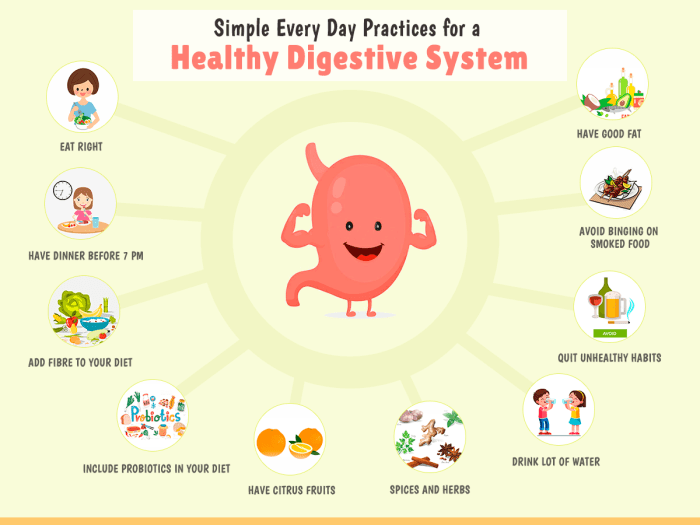
Best Digestive Habits for Energy and Wellness

Best nutritional healthy habits for optimal digestion and energy

Best nutritional healthy habits for optimal digestion and energy – Best Digestive Habits for Energy and Wellness: Our gut health plays a crucial role in our overall well-being, impacting everything from energy levels to mental clarity. This article delves into the intricate connection between digestion and energy, exploring the nutritional strategies that can optimize your digestive system and unlock a vibrant, energetic you.

From understanding the gut-energy connection to adopting a mindful approach to eating, this guide offers practical insights and actionable tips to empower you to cultivate a healthy digestive system and experience sustained energy throughout the day. We’ll discuss the importance of fiber, probiotics, and prebiotics, explore the role of hydration and stress management, and highlight the benefits of regular exercise and quality sleep.

Dietary Essentials for Optimal Digestion: Best Nutritional Healthy Habits For Optimal Digestion And Energy

Nourishing your body with the right foods is crucial for maintaining a healthy digestive system. By understanding the key nutrients that support digestion and incorporating them into your diet, you can promote optimal gut health and overall well-being.

Fiber: The Foundation for Digestive Health

Fiber is an essential nutrient that plays a vital role in promoting digestive health. It adds bulk to your stool, making it easier to pass through your digestive tract and preventing constipation. Fiber also acts as a prebiotic, feeding the beneficial bacteria in your gut.

Examples of Fiber-Rich Foods

  • Fruits: Apples, pears, berries, bananas
  • Vegetables: Broccoli, carrots, spinach, Brussels sprouts
  • Whole Grains: Brown rice, quinoa, oats, whole-wheat bread
  • Legumes: Beans, lentils, chickpeas
  • Nuts and Seeds: Almonds, chia seeds, flaxseeds

Probiotics: Beneficial Bacteria for Gut Health

Probiotics are live microorganisms that, when consumed in adequate amounts, provide health benefits to the host. They help maintain a healthy balance of bacteria in your gut, supporting digestion, immunity, and overall well-being.

Examples of Probiotic-Rich Foods

  • Fermented Foods: Yogurt, kefir, sauerkraut, kimchi
  • Pickles: Fermented cucumbers
  • Tempeh: Fermented soybean product
  • Kombucha: Fermented tea drink

Prebiotics: Fuel for Beneficial Bacteria

Prebiotics are non-digestible fibers that act as food for the beneficial bacteria in your gut. They promote the growth and activity of these bacteria, further supporting digestive health.

Examples of Prebiotic-Rich Foods

  • Onions and Garlic: These pungent vegetables contain fructans, a type of prebiotic fiber.
  • Asparagus: Contains inulin, a prebiotic fiber that promotes the growth of beneficial bacteria.
  • Chicory Root: A good source of inulin, often used as a coffee substitute.
  • Bananas: Contain resistant starch, a type of prebiotic fiber that is not digested in the small intestine.

Sample Meal Plan for Optimal Digestion, Best nutritional healthy habits for optimal digestion and energy

Breakfast

  • Overnight Oats with Berries and Chia Seeds
  • Yogurt with Granola and Sliced Bananas

Lunch

  • Lentil Soup with Whole-Wheat Bread
  • Salad with Grilled Chicken or Tofu, Quinoa, and Mixed Greens

Dinner

  • Salmon with Roasted Vegetables and Brown Rice
  • Chicken Stir-Fry with Tofu and Brown Rice Noodles

Snacks

  • Fruit with Nuts and Seeds
  • Yogurt with Berries
  • Hummus with Whole-Wheat Crackers

Hydration for Digestive Health and Energy

Water is essential for a healthy digestive system. It plays a crucial role in breaking down food, transporting nutrients, and eliminating waste. Staying adequately hydrated is vital for maintaining optimal digestion and energy levels.

Importance of Water for Digestion

Water is a key component of digestive juices, which help break down food into smaller molecules that can be absorbed by the body. These juices include saliva, gastric acid, and pancreatic enzymes. Without enough water, these juices become thick and less effective, slowing down digestion and leading to constipation.

Water also helps move food through the digestive tract, preventing constipation and promoting regular bowel movements.

Dehydration’s Impact on Digestion and Energy

When you’re dehydrated, your body conserves water by reducing digestive fluid production. This can lead to:

  • Constipation:Dehydration makes stools harder and more difficult to pass, leading to constipation.
  • Bloating and Gas:Reduced digestive fluid production can cause food to move more slowly through the digestive tract, leading to bloating and gas.
  • Indigestion:Dehydration can make it harder for your body to break down food, leading to indigestion and heartburn.
  • Reduced Energy Levels:Dehydration can lead to fatigue and decreased energy levels, as your body needs water to function efficiently.

Daily Hydration Plan for Optimal Digestion and Energy

Here’s a sample hydration plan to support optimal digestion and energy throughout the day:

  • Start your day with water:Drink a large glass of water first thing in the morning to rehydrate your body after sleep.
  • Drink water throughout the day:Aim to drink water consistently throughout the day, especially between meals.
  • Drink water before, during, and after meals:Water helps with digestion and nutrient absorption.
  • Choose water over sugary drinks:Sugary drinks can dehydrate you and contribute to digestive issues.
  • Listen to your body:If you feel thirsty, drink water. Your body is a good indicator of your hydration levels.

Eating Habits for Enhanced Digestion and Energy

Your eating habits play a crucial role in your digestive health and energy levels. Eating regularly, avoiding overeating, and practicing mindful eating can significantly impact your body’s ability to digest food efficiently and maintain optimal energy levels.

Regular Meal Times and Avoiding Overeating

Maintaining a consistent meal schedule helps regulate your body’s digestive processes and hormone production. When you eat at regular intervals, your body anticipates the arrival of food and prepares its digestive system accordingly, leading to more efficient digestion. On the other hand, skipping meals or eating irregularly can disrupt this rhythm, causing digestive issues and fluctuations in energy levels.

Furthermore, overeating can overload your digestive system, leading to discomfort, bloating, and sluggishness. Your body needs time to digest and process food, and consuming excessive amounts at once can hinder this process.

Mindful Eating Practices

Mindful eating is a practice that encourages you to pay attention to your food and eating experience. By focusing on your senses, savoring each bite, and chewing thoroughly, you can improve digestion and increase your energy levels. Here are some tips for practicing mindful eating:

  • Eat in a calm and relaxed environment:Avoid distractions like television, phones, or work while eating.
  • Focus on your food:Pay attention to the taste, texture, and aroma of your food.
  • Chew your food thoroughly:This helps break down food into smaller particles, making it easier for your body to digest.
  • Listen to your body’s signals:Stop eating when you feel satisfied, not stuffed.

Creating a Relaxed and Enjoyable Dining Experience

A relaxed and enjoyable dining experience can enhance your digestion and energy levels. Here are some tips for creating a positive eating environment:

  • Set the table:Use a nice tablecloth, napkins, and silverware to create a more formal and inviting atmosphere.
  • Light candles:The soft glow of candles can create a calming and romantic ambiance.
  • Play soft music:Music can help create a relaxed and enjoyable dining experience.
  • Engage in conversation:Talking with friends and family can make mealtimes more enjoyable and help you relax.

Stress Management for Digestive Health

Stress is a common part of modern life, but it can have a significant impact on our digestive health. When we’re stressed, our bodies release hormones like cortisol, which can disrupt the balance of bacteria in our gut, leading to gut dysbiosis and inflammation.

This can manifest as a range of digestive issues, including bloating, constipation, diarrhea, and irritable bowel syndrome (IBS).

Effective Stress Management Techniques

Managing stress effectively is crucial for maintaining a healthy digestive system and overall well-being. Here are some proven techniques that can promote digestive health and energy levels:

  • Mindfulness Meditation:Engaging in mindfulness meditation involves focusing on the present moment without judgment, which can help calm the nervous system and reduce stress hormones. Regular practice can improve digestion by promoting relaxation and reducing stress-induced gut dysbiosis.
  • Deep Breathing Exercises:Deep breathing exercises, such as diaphragmatic breathing, can help regulate the nervous system and reduce stress. By slowing down the breath and focusing on the sensations of breathing, these exercises can promote relaxation and reduce stress-related digestive symptoms.
  • Yoga and Physical Activity:Yoga combines physical postures, breathing techniques, and meditation, offering a holistic approach to stress management. Regular yoga practice can enhance digestive health by improving gut motility, reducing inflammation, and promoting relaxation. Engaging in other forms of physical activity, like walking or swimming, can also release endorphins, reduce stress, and improve digestive function.

  • Adequate Sleep:Sleep deprivation can exacerbate stress and negatively impact digestive health. Aim for 7-8 hours of quality sleep each night to allow your body to rest and repair, promoting a healthy gut microbiome and reducing stress levels.

Stress-Reducing Routine

Here’s an example of a stress-reducing routine that incorporates meditation, yoga, and deep breathing exercises:

  1. Start with 10 minutes of mindfulness meditation:Find a quiet space, close your eyes, and focus on your breath. Observe the sensations of each inhale and exhale without judgment.
  2. Follow with 15 minutes of gentle yoga:Choose a few poses that promote relaxation and stress relief, such as child’s pose, downward-facing dog, or seated forward bend.
  3. End with 5 minutes of deep breathing exercises:Sit or lie down comfortably and focus on taking slow, deep breaths. Inhale deeply through your nose, filling your lungs, and exhale slowly through your mouth. Repeat for 5 minutes.

Exercise and Energy

Regular physical activity is not only crucial for maintaining a healthy weight and reducing the risk of chronic diseases but also plays a significant role in optimizing digestion and boosting energy levels. Exercise can enhance gut motility, reduce bloating, and improve energy production, leading to a more efficient and energized body.

Exercise Benefits for Digestion

Exercise can improve gut motility, the process of muscle contractions that move food through the digestive tract. This helps prevent constipation and promotes regular bowel movements.

  • Increased Blood Flow:Exercise increases blood flow to the digestive system, which can help improve nutrient absorption and waste elimination.
  • Improved Muscle Function:Exercise strengthens the muscles involved in digestion, making it easier for food to move through the digestive tract.
  • Reduced Bloating:Exercise can help reduce bloating by stimulating the release of gas from the intestines.

Exercise Benefits for Energy Levels

Exercise can boost energy levels by increasing the efficiency of energy production in the body.

  • Increased Mitochondrial Function:Exercise increases the number and function of mitochondria, the powerhouses of cells, which are responsible for energy production.
  • Improved Insulin Sensitivity:Exercise can improve insulin sensitivity, which helps regulate blood sugar levels and provide a steady source of energy.
  • Reduced Fatigue:Regular exercise can reduce fatigue and improve overall energy levels by enhancing the body’s ability to utilize energy efficiently.

Exercise Routines for Different Fitness Levels

  • Beginners:Start with low-impact exercises like walking, swimming, or yoga for 30 minutes, 3-4 times a week. Gradually increase the duration and intensity as you become more comfortable.
  • Intermediate:Incorporate moderate-intensity exercises like jogging, cycling, or dancing for 30-60 minutes, 3-5 times a week.
  • Advanced:Engage in high-intensity interval training (HIIT) or strength training exercises for 30-45 minutes, 2-3 times a week.

Sleep for Optimal Digestion and Energy

Best nutritional healthy habits for optimal digestion and energy

Getting enough quality sleep is crucial for a healthy digestive system and overall energy levels. Just like our bodies need rest after physical activity, our digestive system needs time to repair and rejuvenate while we sleep.

Sleep Deprivation and Its Impact on Digestion

Sleep deprivation can disrupt the natural rhythm of our digestive system, leading to various issues. When we don’t get enough sleep, our bodies produce more of the stress hormone cortisol, which can interfere with the production of digestive enzymes and slow down the digestive process.

This can lead to symptoms like bloating, constipation, and heartburn.

Sleep Hygiene Routine for Digestive Health

Establishing a consistent sleep routine can significantly improve both digestion and energy levels. Here are some tips for creating a healthy sleep environment:

  • Maintain a Regular Sleep Schedule:Go to bed and wake up around the same time each day, even on weekends, to regulate your body’s natural sleep-wake cycle.
  • Create a Relaxing Bedtime Routine:Wind down an hour or two before bed by engaging in calming activities like reading, taking a warm bath, or listening to soothing music.
  • Optimize Your Sleep Environment:Ensure your bedroom is dark, quiet, and cool. Invest in a comfortable mattress and pillows that support your spine.
  • Limit Screen Time Before Bed:The blue light emitted from electronic devices can interfere with melatonin production, a hormone that regulates sleep.
  • Avoid Caffeine and Alcohol Before Bed:These substances can disrupt sleep patterns and lead to digestive issues.

Mental Clarity and Energy

A sharp mind and sustained energy levels are crucial for navigating daily life effectively. While these two elements may seem distinct, they are intricately connected, forming a foundation for optimal well-being.

The Interplay of Mental Clarity and Energy

Mental clarity and energy are mutually reinforcing. When you have a clear mind, you can focus better, process information efficiently, and make sound decisions. This, in turn, leads to a sense of accomplishment and increased energy levels. Conversely, when your energy is depleted, your mental clarity suffers, leading to difficulties concentrating, making decisions, and completing tasks.

Digestive Health and Cognitive Function

The gut-brain connection is a well-established scientific concept. Your digestive system plays a significant role in influencing your mental state. A healthy gut microbiome, populated by beneficial bacteria, contributes to the production of neurotransmitters that impact mood, memory, and cognitive function.

Conversely, an imbalanced gut microbiome can lead to inflammation and increased permeability of the gut lining, allowing toxins to enter the bloodstream and potentially affect brain function.

Stress Management and Cognitive Performance

Chronic stress can significantly impact cognitive function. When you’re stressed, your body releases hormones like cortisol, which can impair memory, attention, and decision-making abilities. Moreover, stress can disrupt sleep patterns, further exacerbating cognitive decline.

Strategies for Enhancing Mental Clarity and Focus

Dietary Choices

  • Prioritize Nutrient-Rich Foods:A diet rich in fruits, vegetables, whole grains, lean protein, and healthy fats provides the essential nutrients for optimal brain function.
  • Hydrate Regularly:Dehydration can lead to fatigue and difficulty concentrating. Aim for eight glasses of water daily.
  • Limit Processed Foods and Sugary Drinks:These foods can cause blood sugar spikes and crashes, leading to energy fluctuations and cognitive decline.

Exercise and Physical Activity

  • Regular Exercise:Physical activity improves blood flow to the brain, enhances cognitive function, and reduces stress levels.
  • Mindful Movement:Activities like yoga, tai chi, and qigong combine physical movement with deep breathing and meditation, promoting relaxation and mental clarity.

Relaxation Techniques

  • Meditation:Regular meditation practice can help reduce stress, improve focus, and enhance cognitive function.
  • Deep Breathing Exercises:Deep, slow breaths deliver more oxygen to the brain, promoting alertness and clarity.
  • Mindfulness:Paying attention to the present moment without judgment can help reduce stress and improve focus.

Healthy Aging and Digestive Health

Best nutritional healthy habits for optimal digestion and energy

As we age, our bodies naturally undergo changes, and our digestive system is no exception. While these changes are a normal part of the aging process, understanding their impact and adopting proactive strategies can help maintain optimal digestive health and energy levels throughout life.

Impact of Aging on Digestion and Energy

Aging can affect various aspects of digestive function, potentially leading to changes in energy levels. These changes can include:

  • Slower digestion:The muscles in the digestive tract may weaken with age, slowing down the movement of food through the system. This can lead to constipation, bloating, and discomfort.
  • Reduced production of digestive enzymes:The pancreas, responsible for producing digestive enzymes, may become less efficient with age, making it harder to break down food properly.
  • Changes in gut bacteria:The composition of gut bacteria can shift with age, potentially affecting digestion and nutrient absorption.
  • Decreased stomach acid production:Lower stomach acid levels can hinder the breakdown of food and increase the risk of infections.
  • Reduced energy levels:Digestive issues can lead to nutrient deficiencies, which can contribute to fatigue and lower energy levels.

Strategies for Maintaining Digestive Health as We Age

Adopting healthy lifestyle habits can play a crucial role in supporting digestive health and energy as we age:

  • Fiber-rich diet:Including plenty of fiber in your diet helps regulate bowel movements, prevent constipation, and support a healthy gut microbiome. Examples of fiber-rich foods include fruits, vegetables, whole grains, and legumes.
  • Hydration:Staying adequately hydrated is essential for digestion and overall health. Aim for at least eight glasses of water per day.
  • Regular exercise:Physical activity can stimulate bowel movements, improve digestion, and boost energy levels. Aim for at least 30 minutes of moderate-intensity exercise most days of the week.
  • Stress management:Chronic stress can negatively impact digestion. Incorporate stress-reducing techniques into your daily routine, such as meditation, yoga, or deep breathing exercises.
  • Adequate sleep:Getting enough sleep is crucial for digestive health and energy restoration. Aim for 7-9 hours of quality sleep each night.
  • Probiotics:Probiotics are beneficial bacteria that can help restore the balance of gut flora. They can be found in fermented foods like yogurt, kefir, and sauerkraut, or as supplements.
  • Prebiotics:Prebiotics are types of fiber that act as food for beneficial bacteria in the gut. They can be found in foods like garlic, onions, bananas, and asparagus.

Healthy Lifestyle Choices for Healthy Aging and Digestive Well-being

Beyond specific dietary and lifestyle strategies, several broader healthy lifestyle choices can contribute to digestive health and overall well-being as we age:

  • Maintain a healthy weight:Obesity can put extra strain on the digestive system. Maintaining a healthy weight through a balanced diet and regular exercise can help reduce the risk of digestive problems.
  • Limit alcohol consumption:Excessive alcohol consumption can irritate the digestive system and contribute to digestive issues. Moderation is key.
  • Avoid smoking:Smoking can damage the digestive tract and increase the risk of digestive cancers.
  • Regular medical checkups:Schedule regular visits with your healthcare provider to monitor your digestive health and address any concerns promptly.

Nutritional Supplements for Digestive Health

While a balanced diet is crucial for digestive health, certain nutritional supplements can provide additional support for optimal digestion and energy levels. These supplements can help address specific nutritional deficiencies or support the body’s natural processes involved in digestion.

Probiotics

Probiotics are live microorganisms, primarily bacteria, that are beneficial for the gut microbiome. They help maintain a healthy balance of bacteria in the gut, which is essential for proper digestion, nutrient absorption, and immune function.

  • Probiotics can help alleviate symptoms of digestive disorders such as irritable bowel syndrome (IBS), diarrhea, and constipation.
  • They may also contribute to reducing inflammation in the gut and improving immune response.
  • Common probiotic strains include Lactobacillus and Bifidobacterium.

Prebiotics

Prebiotics are non-digestible fibers that act as food for the beneficial bacteria in the gut. They promote the growth and activity of probiotics, contributing to a healthy gut microbiome.

  • Prebiotics are found naturally in foods such as onions, garlic, asparagus, and bananas.
  • They can also be taken as supplements in the form of inulin, fructans, and galacto-oligosaccharides.
  • Prebiotics support digestive regularity, improve nutrient absorption, and enhance immune function.

Digestive Enzymes

Digestive enzymes are proteins that break down food molecules into smaller components that can be absorbed by the body. Supplementing with digestive enzymes can be beneficial for individuals with digestive issues or those who have difficulty digesting certain foods.

  • Digestive enzymes can aid in the breakdown of proteins, carbohydrates, and fats, improving nutrient absorption and reducing digestive discomfort.
  • They can be helpful for individuals with conditions such as lactose intolerance, celiac disease, or pancreatitis.
  • Common digestive enzymes include protease, amylase, and lipase.

Importance of Consultation

It is essential to consult with a healthcare professional before taking any nutritional supplements, including probiotics, prebiotics, and digestive enzymes. They can assess your individual needs, potential interactions with medications, and any underlying health conditions.

“Supplements should be considered an adjunct to a healthy diet and lifestyle, not a replacement for them.”

End of Discussion

By embracing these digestive-friendly habits, you can cultivate a healthy gut, boost your energy levels, and enhance your overall well-being. Remember, it’s a journey, and every small step you take towards optimizing your digestion contributes to a healthier, more vibrant you.

So, take charge of your gut health today and unlock a world of energy and vitality!

Essential FAQs

What are some common digestive issues that can affect energy levels?

Common digestive issues that can impact energy levels include constipation, diarrhea, bloating, irritable bowel syndrome (IBS), and indigestion. These issues can disrupt nutrient absorption, lead to inflammation, and cause discomfort, ultimately impacting your energy levels.

How can I tell if my digestion is affecting my energy levels?

If you experience persistent fatigue, low energy, brain fog, or digestive discomfort alongside digestive issues, it’s a strong indication that your digestion might be affecting your energy levels.

What are some natural remedies for digestive issues?

Natural remedies for digestive issues include incorporating fiber-rich foods, consuming fermented foods or taking probiotics, staying hydrated, managing stress, and engaging in regular physical activity.

Sleep Quality: Boosting Mental Clarity and Productivity

How sleep quality impacts mental clarity and productivity during the day

How sleep quality impacts mental clarity and productivity during the day sets the stage for this enthralling narrative, offering readers a glimpse into a story that is rich in detail and brimming with originality from the outset.

Imagine waking up feeling refreshed and energized, ready to tackle the day with focus and clarity. This is the power of quality sleep. It’s not just about getting enough hours; it’s about the depth and quality of your sleep that truly impacts your cognitive abilities, mood, and productivity.

This exploration delves into the science behind sleep’s impact on our mental state, revealing how a good night’s rest can transform your days.

Sleep Deprivation and Productivity: How Sleep Quality Impacts Mental Clarity And Productivity During The Day

Sleep deprivation can significantly impact our productivity, making it harder to focus, think clearly, and perform at our best. It’s like trying to run a marathon on an empty stomach—you might start strong, but you’ll quickly hit a wall and struggle to finish.

The Impact of Sleep Deprivation on Productivity

Sleep deprivation can lead to a decline in productivity in various ways. When we don’t get enough sleep, our bodies and minds are not able to function optimally. This can result in decreased motivation, focus, and creativity.

  • Decreased Motivation:Sleep deprivation can make it difficult to get started on tasks and maintain enthusiasm throughout the day. You may feel drained and unmotivated, leading to procrastination and difficulty in staying on track.
  • Reduced Focus and Concentration:A lack of sleep can impair our ability to focus and concentrate. This can lead to errors, decreased efficiency, and difficulty in completing tasks. Studies have shown that sleep-deprived individuals often struggle with multitasking and making decisions.
  • Diminished Creativity:Sleep deprivation can hinder our creative thinking and problem-solving abilities. When we are tired, our minds are less flexible and less able to generate new ideas. This can be particularly detrimental in fields that require innovation and out-of-the-box thinking.

Examples of Reduced Productivity Due to Poor Sleep

Imagine a student who pulls an all-nighter to study for an exam. While they may feel they are being productive, they are likely to perform worse than if they had gotten a good night’s sleep. The lack of sleep will impair their ability to recall information and focus during the exam.

Another example is a salesperson who works long hours and sacrifices sleep to meet deadlines. While they may initially see success, their productivity will likely suffer over time. They may make mistakes, lose focus during presentations, and have difficulty building rapport with clients.

Sleep deprivation can also affect physical performance. Athletes who are sleep-deprived may experience slower reaction times, reduced coordination, and decreased endurance. This can lead to poor performance on the field and an increased risk of injuries.

The Impact of Sleep on Emotional Wellbeing

Sleep plays a crucial role in regulating our emotions and maintaining our mental health. When we sleep well, our brains can effectively process and manage emotional experiences, leading to improved emotional regulation and overall wellbeing. Conversely, sleep deprivation can disrupt this delicate balance, negatively impacting our mood and increasing the risk of anxiety and depression.

The Link Between Sleep Quality and Emotional Regulation

Sleep quality and emotional regulation are closely intertwined. During sleep, our brains process and consolidate emotional memories, helping us to regulate our emotional responses and maintain a stable mood. Adequate sleep allows our brains to effectively manage stress hormones like cortisol, which are crucial for emotional stability.

When we are sleep-deprived, our ability to regulate emotions is compromised, leading to increased irritability, impulsivity, and difficulty coping with stress.

The Impact of Sleep Deprivation on Mood

Sleep deprivation can have a significant impact on our mood, leading to increased feelings of sadness, anxiety, and irritability. When we are sleep-deprived, our brains produce less serotonin, a neurotransmitter associated with happiness and well-being. This decrease in serotonin levels can contribute to feelings of sadness, hopelessness, and difficulty concentrating.

Sleep deprivation can also increase levels of the stress hormone cortisol, which can further exacerbate mood problems.

Sleep Deprivation and the Risk of Anxiety and Depression

Chronic sleep deprivation is a significant risk factor for developing anxiety and depression. Studies have shown that individuals who consistently experience poor sleep quality are more likely to develop these mental health conditions. Sleep deprivation can disrupt the delicate balance of neurotransmitters in the brain, leading to changes in mood, cognition, and behavior that can increase the risk of developing anxiety and depression.

How Improved Sleep Can Contribute to Emotional Wellbeing, How sleep quality impacts mental clarity and productivity during the day

Improving sleep quality can have a positive impact on our emotional wellbeing. When we get enough sleep, our brains can effectively process and manage emotional experiences, leading to improved emotional regulation. Adequate sleep also helps to reduce stress hormone levels, promote feelings of calmness and relaxation, and improve our ability to cope with stress.

  • Reduced Stress and Anxiety:Getting enough sleep can help to reduce stress hormone levels, promoting feelings of calmness and relaxation. This can improve our ability to cope with stress and reduce the risk of developing anxiety disorders.
  • Improved Mood and Emotional Stability:Adequate sleep allows our brains to effectively manage emotional memories and regulate our emotional responses, leading to improved mood and emotional stability.
  • Increased Resilience:When we are well-rested, we are better equipped to handle challenging situations and cope with adversity. This increased resilience can contribute to improved emotional wellbeing and overall mental health.

The Impact of Medical Innovations

How sleep quality impacts mental clarity and productivity during the day

Medical advancements have revolutionized our understanding of sleep and its importance for overall health and well-being. The development of new technologies and treatments has significantly improved sleep quality, allowing individuals to experience the restorative benefits of sleep and reap the rewards of mental clarity and enhanced productivity.

Sleep Apnea Treatments

Sleep apnea, a condition characterized by pauses in breathing during sleep, can significantly disrupt sleep quality and lead to daytime fatigue, impaired cognitive function, and other health problems. Medical innovations have played a crucial role in addressing this condition, offering effective treatments that restore restful sleep and improve overall health.

  • Continuous Positive Airway Pressure (CPAP) Therapy: This widely used treatment involves wearing a mask that delivers pressurized air through the nose or mouth, keeping the airway open during sleep. CPAP therapy has proven to be highly effective in treating sleep apnea, significantly reducing the frequency and severity of breathing pauses and improving sleep quality.

  • Oral Appliances: For some individuals, custom-made oral appliances, similar to mouthguards, can be used to reposition the jaw and tongue, preventing airway obstruction during sleep. These appliances offer a non-invasive alternative to CPAP therapy and can be effective for mild to moderate cases of sleep apnea.

  • Surgery: In some cases, surgery may be recommended to address underlying anatomical issues contributing to sleep apnea. This can involve procedures such as tonsillectomy, uvulopalatopharyngoplasty (UPPP), or nasal surgery, aiming to widen the airway and improve airflow during sleep.

Technology in Sleep Monitoring and Improvement

Technology has become an indispensable tool in monitoring and improving sleep patterns, providing valuable insights into sleep quality and offering personalized solutions to address sleep problems.

  • Wearable Sleep Trackers: These devices, often worn on the wrist, use sensors to monitor various sleep parameters, including sleep duration, sleep stages, heart rate, and movement. The data collected can provide valuable insights into individual sleep patterns, helping individuals identify potential sleep problems and make informed decisions about their sleep habits.

  • Smart Home Devices: Integrating smart home technology with sleep monitoring systems can create a personalized sleep environment. For instance, smart lights can adjust brightness levels based on sleep patterns, while smart thermostats can regulate room temperature for optimal sleep comfort.
  • Sleep Apps: Numerous sleep apps are available, offering features such as sleep tracking, sleep sounds, relaxation techniques, and personalized sleep recommendations. These apps can provide guidance and support for improving sleep habits and promoting better sleep quality.

The Role of Nutritional Supplements

While a healthy diet and lifestyle are crucial for good sleep, certain nutritional supplements may also play a role in promoting restful sleep. These supplements can help address specific deficiencies or imbalances that may be contributing to sleep problems.

Melatonin and Magnesium

Melatonin is a hormone naturally produced by the body that regulates sleep-wake cycles. As we age, our natural melatonin production decreases, potentially leading to sleep difficulties. Supplementing with melatonin can help regulate the body’s natural sleep-wake cycle, promoting a more restful sleep.

Magnesium is a mineral that plays a role in muscle relaxation and nerve function. Magnesium deficiency can contribute to insomnia and restless sleep. Magnesium supplements can help relax muscles and promote a more relaxed state, contributing to better sleep.

Other Supplements

Other supplements that may be beneficial for sleep include:

  • Valerian root:This herb has a calming effect on the nervous system and may promote relaxation and sleep.
  • Chamomile:Chamomile tea is a popular sleep aid due to its calming and relaxing properties.
  • L-theanine:This amino acid found in green tea can promote relaxation and reduce anxiety, potentially improving sleep quality.

It’s important to note that while these supplements may be helpful for some individuals, they are not a substitute for good sleep hygiene and a healthy lifestyle. It’s essential to consult with a healthcare professional before taking any supplements, especially if you have underlying health conditions or are taking other medications.

Your doctor can help determine if supplements are appropriate for you and recommend the right dosage.

Last Point

In conclusion, prioritizing sleep quality is essential for a fulfilling and productive life. By understanding the science behind sleep and adopting healthy habits, we can unlock our full potential, enhancing our mental clarity, boosting our productivity, and navigating the complexities of daily life with greater ease.

Remember, a well-rested mind is a sharp mind, ready to conquer any challenge.

Top FAQs

What are some common signs of sleep deprivation?

Common signs of sleep deprivation include daytime fatigue, difficulty concentrating, irritability, mood swings, increased errors, and a weakened immune system.

How much sleep do I really need?

The amount of sleep needed varies by individual, but most adults require 7-9 hours of sleep per night for optimal health and function.

Can exercise help me sleep better?

Regular physical activity can improve sleep quality, but it’s important to avoid intense workouts too close to bedtime. Aim for moderate exercise earlier in the day.

What are some tips for creating a relaxing bedtime routine?

A relaxing bedtime routine can signal to your body that it’s time to wind down. This might include taking a warm bath, reading a book, listening to calming music, or practicing relaxation techniques like deep breathing.

Best Sleep Hygiene for a Healthy Circadian Rhythm

Best sleep hygiene habits for maintaining a healthy circadian rhythm

Best sleep hygiene habits for maintaining a healthy circadian rhythm sets the stage for a deeper understanding of how to optimize sleep quality and overall well-being. Our internal clock, known as the circadian rhythm, governs our sleep-wake cycles and plays a vital role in regulating numerous bodily functions.

However, modern life often disrupts this natural rhythm, leading to sleep disturbances and potential health complications. This guide explores essential sleep hygiene practices that can help restore and maintain a healthy circadian rhythm, ensuring a restful night’s sleep and a vibrant, energized day.

By establishing a consistent sleep schedule, optimizing your sleep environment, and incorporating calming pre-sleep rituals, you can create an ideal setting for restful sleep. Additionally, mindful dietary choices, regular exercise, and effective stress management techniques can further enhance your sleep quality.

Sunlight exposure during the day plays a crucial role in synchronizing your circadian rhythm, while avoiding alcohol and caffeine before bed promotes a more peaceful sleep.

Creating a Consistent Sleep Schedule

A consistent sleep schedule is crucial for maintaining a healthy circadian rhythm. This means going to bed and waking up at the same time every day, even on weekends. This helps regulate your body’s natural sleep-wake cycle, ensuring you get enough sleep and wake up feeling refreshed.

Benefits of Maintaining a Consistent Sleep Schedule

A consistent sleep schedule offers numerous benefits, including improved sleep quality, increased energy levels, and enhanced mood. When you maintain a regular sleep-wake cycle, your body learns to anticipate sleep and wakefulness, leading to more efficient sleep. This also helps regulate the production of melatonin, a hormone that helps regulate sleep.

Strategies for Adjusting to a New Sleep Schedule

Adjusting to a new sleep schedule can take time, but it’s essential for improving your sleep quality. Here are some strategies for making the transition smoother:

  • Start with small changes:Instead of drastically altering your sleep schedule, gradually shift your bedtime and wake-up time by 15-30 minutes each day. This will allow your body to adjust more easily.
  • Create a relaxing bedtime routine:A relaxing bedtime routine signals to your body that it’s time to wind down. This could include taking a warm bath, reading a book, or listening to calming music.
  • Avoid caffeine and alcohol before bed:Both caffeine and alcohol can interfere with sleep. Avoid consuming these substances several hours before bedtime.
  • Expose yourself to sunlight during the day:Sunlight helps regulate your circadian rhythm, making it easier to fall asleep at night. Spend some time outdoors each day, especially in the morning.
  • Make sure your bedroom is dark, quiet, and cool:A comfortable sleep environment is crucial for restful sleep. Ensure your bedroom is dark, quiet, and cool.
  • Avoid napping during the day:While naps can be beneficial, they can disrupt your sleep schedule if taken too late in the day or for too long.
  • Get regular exercise:Regular exercise can improve sleep quality, but avoid exercising too close to bedtime.

Pre-Sleep Rituals for Relaxation

A consistent pre-sleep routine is essential for signaling to your body that it’s time to wind down and prepare for sleep. By incorporating calming activities into your evening, you can help your mind and body relax, leading to a more restful night’s sleep.

Creating a Relaxing Environment

A calming environment can significantly impact your ability to fall asleep. Dimming the lights, lowering the temperature, and using aromatherapy can help create a tranquil atmosphere conducive to sleep.

  • Dim the Lights:As evening approaches, start reducing the brightness of your lights. This signals to your body that it’s time to slow down and prepare for sleep. Avoid using bright screens or overhead lights an hour or two before bedtime.
  • Lower the Temperature:Our bodies naturally cool down as we prepare for sleep. Lowering the room temperature by a few degrees can help create a more comfortable sleep environment.
  • Aromatherapy:Certain scents, like lavender, chamomile, and sandalwood, have been shown to promote relaxation and sleep. You can use essential oils in a diffuser or add a few drops to a warm bath.

Calming Activities

Engaging in relaxing activities before bed can help clear your mind and prepare you for sleep.

  • Reading:Reading a book can help you unwind and escape from the day’s stressors. Choose a book that is light and enjoyable, and avoid anything too stimulating or suspenseful.
  • Meditation:Meditation involves focusing on your breath and being present in the moment. It can help calm your mind and reduce anxiety. There are many guided meditation apps available that can help you get started.
  • Warm Bath:A warm bath can relax your muscles and promote sleepiness. Add a few drops of essential oils or Epsom salts to enhance the relaxing effect.
  • Light Stretching:Gentle stretching can help release tension in your muscles and improve blood circulation. Avoid any strenuous exercises that might make you feel more energized.
  • Listening to Soothing Music:Music can have a powerful impact on our mood and emotions. Listening to calming music, like classical or nature sounds, can help you relax and prepare for sleep.

Avoiding Screen Time

The blue light emitted from electronic devices can interfere with melatonin production, a hormone that regulates your sleep-wake cycle. It’s best to avoid screen time for at least an hour before bed.

  • Turn off Devices:Put away your phone, tablet, and laptop at least an hour before bedtime.
  • Use Night Mode:If you must use electronic devices in the evening, activate the night mode setting on your devices. This reduces the amount of blue light emitted.
  • Create a Screen-Free Zone:Designate your bedroom as a screen-free zone. This will help create a more relaxing and sleep-conducive environment.

Dietary Choices for Better Sleep

What you eat and drink can significantly impact your sleep quality. Certain foods and beverages can promote relaxation and improve sleep, while others can disrupt your sleep cycle. Understanding how dietary choices influence your circadian rhythm can help you make informed decisions to improve your sleep hygiene.

Foods That Promote Sleep, Best sleep hygiene habits for maintaining a healthy circadian rhythm

Consuming foods rich in tryptophan, a precursor to serotonin and melatonin, can help regulate your sleep-wake cycle. Tryptophan is an amino acid that the body uses to produce serotonin, a neurotransmitter that promotes relaxation and sleepiness. Serotonin is then converted into melatonin, a hormone that regulates your sleep-wake cycle.

  • Turkey:Turkey is a good source of tryptophan, as well as other nutrients that can help you sleep better, such as vitamin B6 and magnesium.
  • Salmon:Salmon is rich in omega-3 fatty acids, which have been shown to improve sleep quality.
  • Almonds:Almonds are a good source of melatonin, which helps regulate your sleep-wake cycle.
  • Chamomile Tea:Chamomile tea contains an antioxidant called apigenin that binds to receptors in the brain that promote sleepiness.
  • Kiwi:Kiwis are a good source of serotonin, which can help you fall asleep faster and sleep more soundly.

Foods and Beverages to Avoid Before Bed

Consuming certain foods and beverages close to bedtime can interfere with your sleep.

  • Caffeine:Caffeine is a stimulant that can keep you awake and interfere with your sleep. Avoid caffeine for several hours before bed.
  • Alcohol:While alcohol may make you feel sleepy initially, it can disrupt your sleep later in the night. Alcohol can also interfere with the production of melatonin, a hormone that regulates your sleep-wake cycle.
  • Spicy Foods:Spicy foods can cause heartburn and indigestion, which can make it difficult to sleep.
  • Large Meals:Eating a large meal close to bedtime can make it difficult to fall asleep. Give your body time to digest your food before going to bed.

Regular Exercise for Sleep Enhancement

Regular physical activity plays a crucial role in promoting restful sleep. Engaging in exercise can enhance sleep quality by regulating your body’s natural sleep-wake cycle and reducing stress levels.

Timing of Exercise for Optimal Sleep

The timing of your workout can significantly impact your sleep. While exercising at any time is beneficial, engaging in moderate-intensity exercise during the day, particularly in the afternoon, can help promote better sleep. It’s recommended to avoid intense workouts close to bedtime, as they can make it harder to fall asleep.

Incorporating Moderate-Intensity Exercise into Your Daily Routine

Here are some tips for incorporating moderate-intensity exercise into your daily routine:

  • Walk briskly for 30 minutes most days of the week.This is a great way to get your heart rate up and improve your overall fitness.
  • Take the stairs instead of the elevator.This is a simple way to add some extra steps into your day.
  • Go for a bike ride or swim.These are other great options for moderate-intensity exercise.

Managing Stress for Better Sleep

Stress is a significant disruptor of sleep, and it can have a profound impact on our circadian rhythm. When we’re stressed, our bodies release hormones like cortisol, which can make it difficult to fall asleep and stay asleep. This can lead to a vicious cycle, where poor sleep further exacerbates stress levels.

Stress Management Techniques for Better Sleep

Effective stress management techniques can be instrumental in improving sleep quality. These techniques help to calm the mind and body, promoting relaxation and a sense of well-being, which are crucial for achieving restful sleep.

Deep Breathing Exercises

Deep breathing exercises are a simple yet powerful way to manage stress and promote relaxation. They work by slowing down the heart rate, lowering blood pressure, and reducing muscle tension.

Deep breathing exercises involve inhaling deeply through the nose, holding the breath for a few seconds, and then exhaling slowly through the mouth.

Regular practice of deep breathing exercises can significantly improve sleep quality.

Mindfulness Meditation

Mindfulness meditation is a practice that involves focusing on the present moment without judgment. It helps to calm the mind, reduce anxiety, and promote relaxation.

Mindfulness meditation involves paying attention to your breath, body sensations, and thoughts without getting carried away by them.

Regular mindfulness meditation can improve sleep quality by reducing stress and promoting relaxation.

Yoga

Yoga is a practice that combines physical postures, breathing techniques, and meditation. It is known to reduce stress, improve flexibility, and promote relaxation.

Yoga poses like the Child’s Pose, the Legs Up the Wall Pose, and the Corpse Pose are particularly effective in promoting relaxation and improving sleep.

Regular yoga practice can significantly improve sleep quality.

Progressive Muscle Relaxation

Progressive muscle relaxation is a technique that involves tensing and relaxing different muscle groups in the body. This helps to release tension and promote relaxation.

Start by tensing the muscles in your toes, hold the tension for a few seconds, and then release. Repeat this process for other muscle groups, working your way up from your toes to your head.

Progressive muscle relaxation can help to improve sleep quality by reducing muscle tension and promoting relaxation.

The Role of Sunlight and Light Exposure

Sunlight exposure plays a crucial role in regulating our circadian rhythm, the natural sleep-wake cycle that governs our body’s functions. It’s like a natural alarm clock, signaling our bodies when it’s time to wake up and when it’s time to wind down for sleep.

Sunlight Exposure During the Day

Sunlight exposure during the day is essential for the production of melatonin, a hormone that helps regulate our sleep-wake cycle. When our eyes are exposed to sunlight, they send signals to our brains, which then suppress the production of melatonin, making us feel more alert and awake.

Benefits of Sufficient Natural Light

Getting enough natural light during the day offers numerous benefits beyond regulating our sleep-wake cycle.

  • Improved Mood and Energy Levels:Sunlight exposure boosts serotonin levels, a neurotransmitter associated with mood and happiness, leading to improved mood and energy levels.
  • Enhanced Cognitive Function:Sunlight exposure can improve cognitive function, including memory, attention, and alertness.
  • Reduced Risk of Certain Diseases:Studies have shown that sufficient sunlight exposure can reduce the risk of certain diseases, such as depression, seasonal affective disorder (SAD), and some types of cancer.

Maximizing Sunlight Exposure

To maximize sunlight exposure during the day, consider these strategies:

  • Get Outside for at Least 30 Minutes Each Day:Aim for at least 30 minutes of outdoor time daily, even if it’s just a short walk or sitting in your backyard.
  • Expose Your Skin to Sunlight:While protecting yourself from harmful UV rays, try to expose your skin to sunlight for a short period each day, especially in the morning.
  • Use Light Therapy:If you’re unable to get enough natural sunlight, consider using light therapy devices that emit bright light to simulate sunlight.
  • Maximize Natural Light in Your Home:Open curtains and blinds to let in natural light during the day.

Avoiding Alcohol and Caffeine

While a nightcap might seem like a good idea to unwind, alcohol and caffeine can disrupt your sleep cycle and make it harder to achieve restful sleep. Both substances interfere with the body’s natural sleep-wake rhythm, potentially leading to fragmented sleep, insomnia, and daytime fatigue.

Impact of Alcohol and Caffeine on Sleep Quality

Alcohol and caffeine, despite their seemingly opposite effects, share a common trait: they disrupt the delicate balance of your circadian rhythm. Alcohol, initially inducing drowsiness, can lead to lighter sleep and frequent awakenings later in the night. Caffeine, a stimulant, can make it harder to fall asleep and stay asleep, particularly if consumed close to bedtime.

Disruption of the Circadian Rhythm

Alcohol and caffeine can disrupt the natural sleep-wake cycle by interfering with the production and regulation of melatonin, a hormone crucial for sleep onset and maintenance. Alcohol, while initially promoting sleepiness, can later suppress REM sleep, the stage of sleep associated with vivid dreams and memory consolidation.

Caffeine, on the other hand, can block adenosine receptors in the brain, preventing the feeling of sleepiness.

Recommendations for Reducing or Eliminating Alcohol and Caffeine Consumption Before Bed

  • Limit Alcohol Intake:Avoid alcohol consumption for at least four hours before bedtime. This allows the body sufficient time to process the alcohol and minimize its disruptive effects on sleep.
  • Avoid Caffeine:Refrain from consuming caffeine, including coffee, tea, soda, and chocolate, for at least six hours before bedtime. This gives your body ample time to metabolize caffeine and avoid its stimulating effects.
  • Consider Alternatives:Opt for relaxing beverages like herbal tea or warm milk instead of caffeinated drinks in the evening.
  • Be Mindful of Hidden Caffeine:Check food labels for caffeine content, as it can be found in unexpected sources like pain relievers, energy drinks, and even some dark chocolate.

Seeking Professional Help

Sometimes, despite your best efforts, sleep problems persist. If you’ve tried implementing good sleep hygiene practices and your sleep remains disrupted, it’s essential to seek professional help. A sleep specialist can diagnose underlying sleep disorders and recommend appropriate treatment options.

Recognizing Sleep Disorders

Identifying the signs and symptoms of sleep disorders is crucial for seeking timely professional assistance. These disorders can significantly impact your overall health and well-being.

  • Excessive daytime sleepiness:Feeling tired and sluggish during the day, despite getting enough sleep at night.
  • Insomnia:Difficulty falling asleep, staying asleep, or waking up too early.
  • Sleep apnea:Repeated pauses in breathing during sleep, often accompanied by loud snoring.
  • Restless legs syndrome:An irresistible urge to move your legs, especially at night.
  • Nightmares or sleep terrors:Experiencing frightening dreams or waking up in a state of panic.
  • Sleepwalking or sleep talking:Engaging in complex behaviors while asleep, such as walking or talking.

Finding a Sleep Specialist

Several resources can help you locate a qualified sleep specialist in your area.

  • American Academy of Sleep Medicine (AASM):This organization offers a directory of board-certified sleep physicians and sleep centers.
  • National Sleep Foundation:This organization provides information about sleep disorders and resources for finding sleep specialists.
  • Your primary care physician:Your doctor can refer you to a sleep specialist if they suspect you have a sleep disorder.

The Importance of Professional Help

Seeking professional help for chronic sleep problems is essential for several reasons.

  • Accurate diagnosis:A sleep specialist can conduct a thorough evaluation and identify the underlying cause of your sleep problems.
  • Effective treatment:Depending on the diagnosis, a sleep specialist can recommend appropriate treatment options, such as medication, therapy, or lifestyle changes.
  • Improved quality of life:Addressing sleep disorders can significantly improve your overall health and well-being, leading to increased energy, improved mood, and better cognitive function.

Final Wrap-Up

Best sleep hygiene habits for maintaining a healthy circadian rhythm

By implementing these sleep hygiene strategies, you can regain control over your sleep and unlock the full potential of your circadian rhythm. A healthy sleep cycle not only promotes restful nights but also enhances overall health, cognitive function, and emotional well-being.

Remember, prioritizing sleep is an investment in your physical and mental health, paving the way for a more fulfilling and energized life.

Helpful Answers: Best Sleep Hygiene Habits For Maintaining A Healthy Circadian Rhythm

What are the signs of a disrupted circadian rhythm?

Common signs include difficulty falling asleep or staying asleep, feeling tired during the day, experiencing mood swings, and having trouble concentrating.

How can I adjust to a new sleep schedule?

Gradually shift your bedtime and wake-up time by 15-30 minutes each day until you reach your desired schedule. Avoid drastic changes that can disrupt your body’s natural rhythm.

What are some melatonin-rich foods?

Foods rich in melatonin include tart cherries, walnuts, almonds, and oats.

How can I incorporate exercise into my routine?

Aim for at least 30 minutes of moderate-intensity exercise most days of the week. Avoid strenuous activity close to bedtime, as it can interfere with sleep.

When should I seek professional help?

If you experience persistent sleep problems despite implementing sleep hygiene strategies, it’s advisable to consult a sleep specialist to rule out any underlying sleep disorders.

Mindfulness practices for mental clarity: Unlocking Your Potential Through Mindful Living

Mindfulness practices for mental clarity

Stress Management: Mindfulness Practices For Mental Clarity

Mindfulness practices for mental clarity – Stress is a common part of daily life and can have a significant impact on mental clarity. Mindfulness practices have been shown to be effective in reducing stress levels and promoting a sense of calm and relaxation.

Mindfulness Techniques for Stress Management

  • Deep Breathing: Taking slow, deep breaths can help activate the body’s relaxation response and reduce stress.
  • Body Scan Meditation: This involves focusing on each part of the body, releasing tension, and promoting relaxation.
  • Mindful Walking: Paying attention to each step and the sensations in the body can help clear the mind and reduce stress.
  • Guided Imagery: Visualizing peaceful scenes or positive outcomes can help shift focus away from stressors.

Impact of Stress on Mental Clarity

High levels of stress can cloud the mind, making it difficult to focus, think clearly, and make decisions. Chronic stress can lead to mental fatigue, memory problems, and decreased cognitive function.

Alleviating Stress through Mindfulness Practices

Mindfulness practices such as meditation, deep breathing, and yoga can help reduce stress by calming the nervous system, lowering cortisol levels, and promoting a sense of inner peace and well-being. By cultivating awareness and presence in the moment, individuals can better cope with stress and improve mental clarity.

Healthy Lifestyle

Incorporating mindfulness practices into your daily routine can significantly contribute to a healthy lifestyle by promoting mental clarity and overall well-being.

Mindfulness vs. Other Healthy Habits

When compared to other healthy habits, mindfulness practices offer unique benefits for mental clarity. While activities like exercise and a balanced diet are essential for physical health, mindfulness helps cultivate a sense of presence and focus, reducing stress and improving cognitive function.

Daily Routine for Overall Well-being

Designing a daily routine that includes mindfulness practices can help you maintain overall well-being. Start your day with a mindfulness meditation session to set a positive tone, incorporate mindful eating habits during meals, and take short mindfulness breaks throughout the day to stay grounded and focused.

Medical Innovations

As mindfulness practices continue to gain recognition for their positive impact on mental health, innovative medical approaches are emerging that integrate these practices to enhance mental clarity and overall well-being.

Integration of Mindfulness in Medical Approaches

Medical professionals are increasingly incorporating mindfulness techniques into traditional treatments for various mental health conditions. By combining mindfulness practices such as meditation, deep breathing exercises, and mindfulness-based cognitive therapy with medical interventions, patients can experience improved mental clarity and reduced symptoms of anxiety, depression, and stress.

Research Supporting Mindfulness for Mental Health

Research studies have consistently shown the effectiveness of mindfulness practices in promoting mental health and well-being. Studies have demonstrated that regular mindfulness practice can lead to reduced levels of cortisol (the stress hormone), improved cognitive function, enhanced emotional regulation, and increased feelings of overall happiness and contentment.

Future Advancements in Medical Treatments

Looking ahead, the future of medical treatments involving mindfulness practices holds great promise. With ongoing research and technological advancements, we can expect to see a more personalized approach to mental health care that integrates mindfulness practices tailored to individual needs. Additionally, the development of innovative technologies such as virtual reality and biofeedback devices may further enhance the effectiveness of mindfulness-based interventions in treating a wide range of mental health conditions.

Nutritional Supplements

When it comes to enhancing mental clarity through mindfulness practices, the role of nutritional supplements cannot be overlooked. The connection between nutrition, supplements, and mental well-being is crucial in achieving optimal cognitive function and focus.

Nutrients for Mental Clarity

There are several key nutrients and supplements that can support and enhance the effects of mindfulness practices for mental clarity:

  • Omega-3 fatty acids: Essential for brain health and cognitive function, found in fish oil supplements or sources like salmon, walnuts, and flaxseeds.
  • Vitamin B12: Supports nerve function and red blood cell production, often found in fortified foods or as a supplement for vegetarians and vegans.
  • Magnesium: Helps regulate neurotransmitter function and reduce stress, available in supplement form or through foods like spinach, almonds, and bananas.

Balanced Diet and Mindfulness

A balanced diet plays a significant role in complementing mindfulness practices for mental well-being. Eating a variety of nutrient-dense foods can provide the necessary vitamins and minerals to support cognitive function and overall brain health. When combined with mindfulness techniques, a balanced diet can enhance focus, concentration, and emotional resilience.

Fitness Routine

Physical exercise, when combined with mindfulness practices, can significantly improve mental clarity by promoting the release of endorphins, reducing stress hormones, and enhancing overall brain function. The synergy between physical activity and mindfulness techniques creates a powerful foundation for optimal cognitive performance.

Specific Exercises for Cognitive Function

  • Cardiovascular exercises like running, cycling, or swimming can increase blood flow to the brain, providing it with essential nutrients and oxygen for improved focus and mental acuity.
  • Strength training exercises such as weightlifting or bodyweight workouts help boost cognitive function by promoting the growth of new brain cells and enhancing synaptic connections.
  • Yoga and Pilates combine physical movement with mindfulness and breathing techniques, offering a holistic approach to improving mental clarity, reducing stress, and enhancing concentration.

Importance of Physical and Mental Fitness Integration

It is crucial to incorporate both physical and mental fitness into a routine for overall health and well-being. While physical exercise strengthens the body, promotes cardiovascular health, and increases energy levels, mindfulness practices help cultivate a sense of awareness, reduce anxiety, and enhance cognitive function. By combining these elements, individuals can achieve a balanced approach to fitness that not only improves physical strength but also mental clarity and emotional resilience.

Health Screenings

Health screenings play a crucial role in assessing the impact of mindfulness practices on mental clarity. By undergoing regular screenings, individuals can track their progress with mindfulness techniques and gain insights into their overall well-being.

The Importance of Regular Health Screenings

  • Screenings can detect potential health issues early on, allowing for timely intervention and treatment.
  • Tracking vital markers through screenings can provide tangible evidence of the benefits of mindfulness practices on mental clarity.
  • Regular screenings can help individuals maintain a proactive approach to their health and well-being.

Benefits of Combining Health Screenings with Mindfulness, Mindfulness practices for mental clarity

  • Improved overall health outcomes by addressing any underlying issues that may impact mental clarity.
  • Enhanced awareness and understanding of the mind-body connection through the data provided by screenings.
  • Promotion of holistic well-being by integrating physical health assessments with mental clarity practices.

Disease Prevention

Mindfulness practices play a crucial role in disease prevention, especially when it comes to conditions related to mental health. By incorporating mindfulness techniques into daily routines, individuals can significantly reduce the risk of developing various diseases and maintain overall well-being.

Effectiveness of Mindfulness vs. Traditional Interventions

When comparing the effectiveness of mindfulness in disease prevention with traditional medical interventions, mindfulness has shown promising results in promoting mental clarity and reducing stress levels, which are key factors in preventing certain diseases. While traditional interventions focus on treating symptoms, mindfulness addresses the root causes of illnesses by promoting self-awareness and emotional regulation.

  • Mindfulness practices such as meditation and deep breathing techniques have been proven to lower cortisol levels, reduce inflammation, and improve immune function, all of which contribute to disease prevention.
  • Studies have shown that mindfulness-based interventions can be as effective, if not more, than traditional medical treatments in preventing conditions like anxiety, depression, and even chronic pain.
  • By incorporating mindfulness into daily life, individuals can proactively manage their mental health and reduce the risk of developing various diseases over time.

Preventive Measures with Mindfulness Practices

When it comes to long-term health benefits, individuals can take several preventive measures using mindfulness practices to promote overall well-being and reduce the risk of diseases.

  1. Regular mindfulness meditation can help individuals build resilience to stress, improve emotional regulation, and enhance cognitive function, all of which are essential for disease prevention.
  2. Engaging in mindful eating practices can promote healthy digestion, reduce emotional eating, and improve overall nutritional intake, leading to better physical health and disease prevention.
  3. Practicing mindfulness in daily activities such as walking, breathing, and interacting with others can help individuals stay present, reduce anxiety, and improve overall mental well-being, contributing to disease prevention in the long run.

Sleep Hygiene

Ensuring good sleep hygiene is crucial for mental clarity and overall well-being. Mindfulness practices can play a significant role in improving sleep quality, thus enhancing cognitive function.

Developing a Bedtime Routine

Creating a bedtime routine that incorporates mindfulness techniques can help prepare your mind and body for restful sleep. This can involve activities such as meditation, deep breathing exercises, or gentle stretching to relax and unwind.

Impact on Cognitive Function

Sleep hygiene directly influences cognitive function, affecting memory, concentration, and decision-making abilities. By incorporating mindfulness practices into your bedtime routine, you can promote better sleep quality and enhance cognitive function. Mindfulness techniques can help reduce stress and anxiety, leading to improved overall mental clarity and focus.

Mental Clarity

Mindfulness practices for mental clarity
In the context of mindfulness practices, mental clarity refers to the state of having a clear and focused mind, free from distractions, negative thoughts, and emotional turbulence. It involves being fully present in the moment, aware of your thoughts and feelings without judgment, and able to maintain a sense of calm and inner peace.

Personal Experiences

Practicing mindfulness meditation has been instrumental in helping me achieve mental clarity. By dedicating time each day to sit quietly, focus on my breath, and observe my thoughts without getting caught up in them, I have noticed a significant improvement in my ability to concentrate, make decisions, and manage stress. The practice has also helped me develop a greater sense of self-awareness and emotional resilience, enabling me to navigate challenges with a clearer and more balanced perspective.

Long-term Benefits

Sustained mental clarity through regular mindfulness practice can lead to a myriad of long-term benefits. Improved cognitive function, enhanced creativity, better emotional regulation, and increased overall well-being are just some of the advantages of cultivating a clear and focused mind. Additionally, research has shown that mindfulness can help reduce symptoms of anxiety, depression, and other mental health issues, paving the way for a more fulfilling and balanced life.

Hydration Importance

Maintaining proper hydration is crucial for overall health, including mental clarity and cognitive function. Dehydration can lead to fatigue, difficulty concentrating, and even mood disturbances, all of which can hinder mindfulness practices and the ability to stay focused throughout the day.

Guidelines on Daily Water Intake

  • On average, it is recommended for adults to drink about 8-10 cups (64-80 ounces) of water per day.
  • Factors such as physical activity level, climate, and individual health conditions can impact the amount of water needed.
  • Dividing water intake throughout the day and listening to your body’s thirst signals can help maintain proper hydration levels.

Impact on Mindfulness Practices

  • Proper hydration supports brain function, helping to improve cognitive abilities and mental clarity, which are essential for mindfulness practices.
  • Dehydration can lead to decreased focus, memory problems, and overall cognitive decline, making it challenging to engage in mindfulness effectively.
  • Drinking enough water can enhance mood, reduce stress levels, and promote a sense of calmness, all of which are beneficial for mindfulness practices.

Relationship between Hydration and Focus

  • Staying hydrated can improve alertness, concentration, and overall mental performance, which are key elements in maintaining focus throughout the day.
  • Even mild dehydration can impact cognitive function and lead to distractions, making it harder to stay present and mindful in daily activities.
  • By prioritizing hydration and incorporating it into your mindfulness routine, you can boost your cognitive abilities and enhance your ability to focus on the present moment.

Essential Questionnaire

How do mindfulness practices impact stress levels?

Mindfulness practices help individuals cultivate a sense of awareness and presence, reducing stress levels by promoting relaxation and mental clarity.

Can mindfulness practices improve cognitive function?

Yes, incorporating mindfulness practices into daily life can enhance cognitive function by fostering a focused and clear mind.

Are there specific mindfulness techniques for improving sleep quality?

Practicing mindfulness techniques such as deep breathing or body scan meditation before bedtime can help improve sleep quality and promote mental clarity.

How often should one engage in mindfulness practices for optimal results?

Consistency is key. Engaging in mindfulness practices daily or several times a week can yield optimal results in terms of mental clarity and overall well-being.

How to incorporate mindfulness into fitness routines: Enhancing your workouts with mindfulness techniques

How to incorporate mindfulness into fitness routines

Introduction to Mindfulness in Fitness

How to incorporate mindfulness into fitness routines – Mindfulness is the practice of being fully present and engaged in the current moment, without judgment. When applied to fitness routines, mindfulness can help individuals focus on their movements, breathing, and overall experience during exercise.

Incorporating mindfulness into fitness routines can bring about numerous benefits, such as increased awareness of body sensations, improved mind-body connection, reduced stress levels, and enhanced overall well-being.

Examples of how mindfulness can enhance workout experiences:

  • During a yoga session, focusing on the sensation of each stretch and breath can deepen the practice and improve flexibility.
  • While weightlifting, paying attention to proper form and breathing can prevent injuries and optimize muscle engagement.
  • During a run, being mindful of each step and breath can increase endurance and enjoyment of the activity.

Techniques to Incorporate Mindfulness into Fitness

When it comes to incorporating mindfulness into fitness routines, there are several techniques that can help you stay present and focused during your workouts.

Deep Breathing

One effective technique to incorporate mindfulness into fitness is deep breathing. Taking slow, deep breaths can help you center yourself, increase your focus, and improve your mind-body connection during exercise.

Body Scans, How to incorporate mindfulness into fitness routines

Another mindfulness technique is body scans. This involves directing your attention to different parts of your body while working out, noticing any tension or discomfort, and consciously releasing it. This practice can help you stay present and in tune with your body’s needs.

Being Present During Workouts

It’s important to cultivate a sense of presence during your workouts. Avoid distractions and focus on the sensations of movement, breathing, and muscle engagement. This can enhance your overall workout experience and performance.

Focusing on Sensations

While exercising, try to focus on the physical sensations you experience. Notice the feeling of your muscles contracting and relaxing, the rhythm of your breath, and the connection between your body and the movement. This can deepen your mind-body awareness and improve the effectiveness of your workouts.

Mindful Eating and Nutrition

How to incorporate mindfulness into fitness routines

When it comes to incorporating mindfulness into fitness routines, mindful eating and nutrition play a crucial role in achieving overall health and wellness. By practicing mindful eating, individuals can develop a deeper awareness of their food choices and eating habits, leading to improved physical and mental well-being.

Benefits of Mindful Eating

  • Enhanced Digestion: By paying attention to the act of eating, individuals can better digest and absorb nutrients from their food.
  • Weight Management: Mindful eating helps prevent overeating and promotes a healthier relationship with food, supporting weight loss or maintenance goals.
  • Increased Satisfaction: By savoring each bite and being present during meals, individuals can experience greater satisfaction and enjoyment from their food.
  • Improved Food Choices: Mindful eating encourages mindful food choices, leading to a diet rich in nutrient-dense foods that support fitness goals.

Tips for Mindful Eating

  • Avoid Distractions: Eliminate distractions such as TV, phones, or computers during meals to focus on the eating experience.
  • Eat Slowly: Take your time to chew each bite thoroughly and savor the flavors and textures of your food.
  • Listen to Your Body: Pay attention to hunger and fullness cues to eat when hungry and stop when satisfied, rather than relying on external cues.
  • Practice Gratitude: Express gratitude for the food you are about to eat, acknowledging the effort and resources that went into its production.

Mindfulness for Stress Management: How To Incorporate Mindfulness Into Fitness Routines

Mindfulness can be a powerful tool for reducing stress levels and promoting overall well-being. By practicing mindfulness during workouts, you can effectively manage stress and improve your physical health.

Connection Between Stress and Physical Health

  • Chronic stress can have a negative impact on both mental and physical health.
  • Stress can lead to increased cortisol levels, which can contribute to weight gain and other health issues.
  • High stress levels can also affect sleep quality, immune function, and overall energy levels.

Mindfulness Practices for Stress Relief During Workouts

  • Focus on your breath: Pay attention to your breathing patterns during exercise to stay present and calm.
  • Body scan meditation: Take a few moments to scan your body for tension and release any areas of tightness.
  • Practice gratitude: Reflect on what your body is capable of during workouts and appreciate the opportunity to move.
  • Awareness of thoughts: Notice any negative or stressful thoughts that arise during exercise and gently redirect your focus back to the present moment.

Hydration Importance and Mindfulness

Staying hydrated is crucial for overall well-being and plays a significant role in supporting fitness goals. Proper hydration helps regulate body temperature, lubricate joints, and transport nutrients throughout the body.

Mindfulness can enhance hydration habits by bringing awareness to the body’s signals for thirst and the importance of replenishing fluids. By being present in the moment, individuals can better tune in to their hydration needs and make conscious choices to drink an adequate amount of water.

Tips for Staying Mindful of Hydration Throughout the Day

  • Aim to start your day with a glass of water to kickstart hydration levels.
  • Carry a reusable water bottle with you to remind yourself to drink water regularly.
  • Set reminders on your phone or use hydration tracking apps to monitor your water intake.
  • Listen to your body’s signals for thirst and prioritize drinking water over sugary or caffeinated beverages.
  • Include hydrating foods in your diet, such as fruits and vegetables, to supplement your water intake.

Query Resolution

How can mindfulness improve my workout experience?

By practicing mindfulness, you can increase your focus, enhance mind-muscle connection, and reduce distractions during your workouts, leading to a more effective and enjoyable exercise session.

What are some simple mindfulness techniques I can incorporate into my fitness routine?

Deep breathing, body scans, and focusing on sensations while exercising are effective mindfulness techniques that can elevate your workout experience.

How does mindful eating contribute to fitness goals?

Mindful eating helps you make healthier food choices, control portion sizes, and develop a better relationship with food, which can support your fitness goals and overall well-being.