Role of Wearable Devices in Health Monitoring
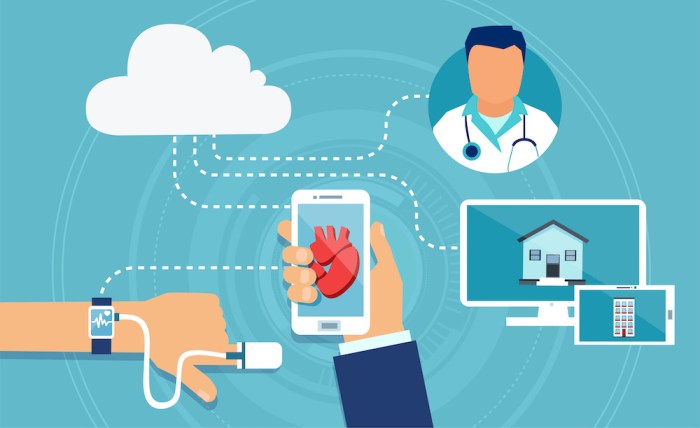
Wearable devices have become increasingly popular tools for health monitoring, allowing individuals to track various aspects of their well-being in real-time. These devices are designed to be worn on the body and can collect data on vital signs, activity levels, and other health-related metrics.
Overview of Wearable Devices Used for Health Monitoring
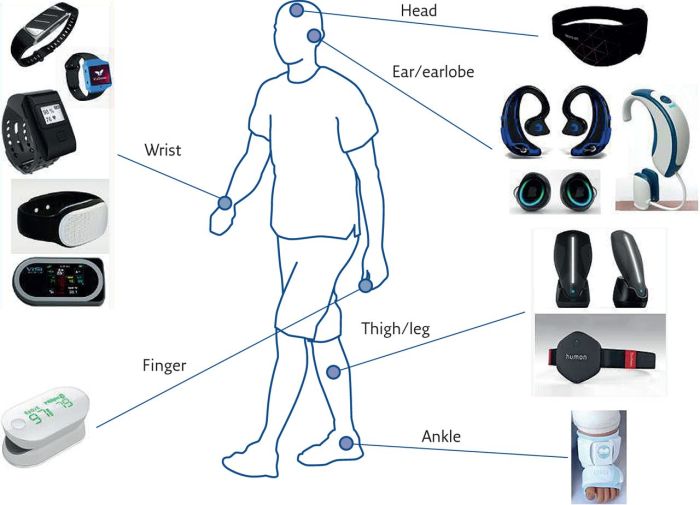
Wearable devices such as smartwatches, fitness trackers, and health monitoring patches are equipped with sensors that can monitor heart rate, blood pressure, sleep patterns, and even detect abnormalities in the body. These devices sync with smartphones or computers to provide users with easy access to their health data.
Importance of Wearable Devices in Tracking Vital Signs and Activity Levels
Wearable devices play a crucial role in tracking vital signs like heart rate and blood pressure, allowing individuals to monitor their health status on a regular basis. Additionally, these devices can track activity levels such as steps taken, calories burned, and sleep quality, providing valuable insights for maintaining a healthy lifestyle.
Contribution of Wearable Devices to Preventive Healthcare
By continuously monitoring vital signs and activity levels, wearable devices can help individuals identify potential health issues early on, enabling them to take preventive measures before more serious problems arise. This proactive approach to healthcare can lead to better outcomes and reduced healthcare costs in the long run.
Enhancement of Patient Engagement in Health Monitoring
Wearable devices empower patients to actively participate in their health monitoring process, allowing them to take control of their well-being. The real-time feedback provided by these devices motivates individuals to make healthier choices and stay accountable for their health goals, leading to improved overall health outcomes.
Stress Management
Wearable devices play a crucial role in stress management by providing real-time data through biofeedback mechanisms. These devices offer insights into stress levels, patterns, and triggers, enabling users to take proactive steps towards relaxation and mindfulness.
Role of Wearable Devices in Monitoring Stress Levels
Wearable devices equipped with sensors can track various physiological parameters such as heart rate variability, skin conductance, and even sleep patterns. By continuously monitoring these metrics, users can gain a better understanding of their stress levels throughout the day.
- Wearable devices can detect subtle changes in heart rate and skin conductance, indicating stress or anxiety levels.
- Continuous monitoring allows users to identify specific situations or activities that trigger stress responses.
- Real-time feedback provided by wearable devices can help individuals modify their behavior to reduce stress and promote relaxation.
Role of Wearable Devices in Providing Insights into Stress Patterns and Triggers, Role of wearable devices in health monitoring
By analyzing the data collected by wearable devices, users can uncover patterns in their stress responses and identify common triggers. This information is invaluable in developing personalized strategies for stress management.
- Wearable devices can highlight recurring patterns of stress during certain times of the day or in specific environments.
- Users can correlate stress levels with activities, events, or interactions to pinpoint triggers that contribute to their stress.
- Insights from wearable devices empower individuals to make informed decisions about lifestyle changes or coping mechanisms to better manage stress.
Effectiveness of Wearable Devices in Promoting Relaxation Techniques
In addition to monitoring stress levels, wearable devices can also guide users through relaxation techniques such as deep breathing exercises, meditation, or mindfulness practices. These devices provide prompts and feedback to enhance the effectiveness of these relaxation methods.
- Wearable devices can deliver real-time reminders to practice relaxation techniques when stress levels are elevated.
- Biofeedback mechanisms incorporated in wearable devices can help users visualize their progress in calming their physiological responses to stress.
- By incorporating relaxation techniques into their daily routine with the help of wearable devices, individuals can build resilience against stress and improve their overall well-being.
Healthy Lifestyle
Wearable devices play a significant role in encouraging users to adopt a healthy lifestyle by providing real-time feedback and data on various aspects of their well-being. These devices are designed to promote healthy habits and empower individuals to make positive changes in their daily routines.
Features of Wearable Devices Promoting Healthy Habits
- Activity Tracking: Wearable devices can monitor daily steps, distance walked, calories burned, and even track specific activities like running or cycling. This feature motivates users to stay active throughout the day.
- Sleep Monitoring: Many wearable devices offer sleep tracking functionality, providing insights into the quality and duration of sleep. By promoting better sleep habits, users can improve their overall health and well-being.
- Heart Rate Monitoring: Continuous heart rate monitoring helps users understand their cardiovascular health and adjust their exercise intensity accordingly. It encourages individuals to engage in regular physical activity.
- Reminder Alerts: Wearable devices can send reminders to users to stay hydrated, take a break from sitting, or engage in physical activity. These prompts promote healthy habits and prevent sedentary behavior.
Tracking Fitness and Nutrition for a Healthy Lifestyle
- Fitness Data: Wearable devices track various fitness metrics such as workout duration, intensity, and calories burned. Users can set fitness goals, monitor their progress, and adjust their routines to achieve optimal results.
- Nutrition Monitoring: Some wearable devices allow users to log their food intake and track nutritional information. By monitoring their diet, individuals can make informed choices and maintain a balanced and healthy eating pattern.
- Integration with Apps: Wearable devices often sync data with health and fitness apps, providing a comprehensive overview of an individual’s physical activity, sleep patterns, and nutrition. This integration supports users in making holistic lifestyle changes.
Impact on Long-Term Health Behavior Changes
- Behavioral Insights: Wearable devices offer valuable insights into users’ behavior patterns, helping them identify areas for improvement and set achievable health goals. This ongoing feedback promotes sustained behavior change over time.
- Motivation and Accountability: The feedback and rewards provided by wearable devices motivate users to stay consistent with their healthy habits. The sense of accountability encourages individuals to maintain long-term lifestyle changes for better health outcomes.
- Community Engagement: Some wearable devices allow users to connect with a community of like-minded individuals, fostering a sense of support and motivation. By sharing achievements and progress, users can stay motivated and committed to their health goals.
Medical Innovations
Wearable devices have significantly transformed medical monitoring by providing real-time data and insights that were previously unavailable. These devices play a crucial role in early disease detection, remote patient monitoring, and have the potential to revolutionize the field of medical innovations.
Revolutionizing Medical Monitoring
Wearable devices such as smartwatches, fitness trackers, and biosensors have revolutionized medical monitoring by continuously tracking vital signs, activity levels, sleep patterns, and more. These devices enable individuals to proactively monitor their health and provide healthcare professionals with valuable data for better diagnosis and treatment.
Early Disease Detection
One of the key roles of wearable devices is in early disease detection. For example, wearable ECG monitors can detect abnormal heart rhythms and alert users to seek medical attention promptly. Similarly, continuous glucose monitoring devices can help individuals with diabetes manage their condition more effectively by monitoring blood sugar levels in real-time.
Remote Patient Monitoring
Wearable devices have made remote patient monitoring more efficient and convenient. Patients can wear devices that track their health metrics and transmit data to healthcare providers in real-time. This allows for timely interventions, reduces the need for frequent hospital visits, and improves overall patient outcomes.
Future Potential in Medical Innovations
The future potential of wearable devices in medical innovations is vast. With advancements in technology, wearable devices are likely to become even more sophisticated, integrating features such as AI algorithms for predictive analysis, personalized medicine, and targeted interventions. These devices have the potential to transform healthcare delivery and improve patient outcomes on a global scale.
Nutritional Supplements
Wearable devices play a crucial role in monitoring our health and wellness, including tracking our nutritional intake. These devices have the capability to provide valuable insights into our dietary habits, nutrient deficiencies, and even make recommendations for nutritional supplements based on our individual needs.
Tracking Nutritional Intake
Wearable devices equipped with sensors can track the food we consume throughout the day. By logging our meals, these devices can calculate our intake of essential nutrients such as vitamins, minerals, proteins, and carbohydrates. This data can help us make informed decisions about our diet and ensure we are meeting our nutritional requirements.
Impact on Dietary Habits
The real-time feedback provided by wearable devices can have a significant impact on our dietary habits. By alerting us to our eating patterns and nutritional choices, these devices can help us make healthier food choices, control portion sizes, and maintain a balanced diet. This can lead to improved overall health and well-being.
Insights into Nutrient Deficiencies
Wearable devices can analyze our nutritional intake data to identify potential nutrient deficiencies. By tracking our consumption of vitamins and minerals, these devices can alert us to any imbalances or deficiencies in our diet. This information can prompt us to make necessary adjustments or seek professional guidance to address any nutritional gaps.
Integration with Nutritional Supplement Recommendations
Based on the data collected about our dietary habits and nutrient intake, wearable devices can provide personalized recommendations for nutritional supplements. These recommendations may include specific vitamins, minerals, or other supplements to help us meet our individual nutritional needs. By integrating wearable technology with nutritional supplement guidance, we can optimize our health and wellness efforts.
Fitness Routine
Wearable devices play a crucial role in monitoring physical activity and exercise routines, providing valuable insights into our fitness levels and overall health. These devices are equipped with sensors that can track various metrics such as steps taken, distance covered, calories burned, heart rate, and even sleep patterns.
Monitoring Physical Activity
- Wearable devices, like fitness trackers and smartwatches, use accelerometers and gyroscopes to detect movement and calculate the intensity of physical activities.
- They can provide real-time feedback on the number of steps taken, encouraging users to stay active throughout the day.
- By monitoring heart rate during exercise, these devices can help individuals optimize their workouts for better results.
Setting Fitness Goals
- Users can input their fitness goals into the wearable device, such as a target number of steps per day or a specific calorie burn goal.
- These devices can then track progress towards these goals and provide notifications or reminders to help users stay on track.
- Setting achievable and realistic goals can motivate individuals to maintain a consistent fitness routine and make healthier choices.
Tracking Progress
- Wearable devices store historical data on physical activity and exercise routines, allowing users to track their progress over time.
- Users can analyze trends in their activity levels, identify areas for improvement, and make adjustments to their fitness routine accordingly.
- Visual representations of data, such as graphs and charts, can help users visualize their progress and stay motivated to reach their fitness goals.
Motivational Aspects
- Wearable devices often incorporate gamification elements, such as challenges, rewards, and social sharing features, to make fitness more engaging and fun.
- By receiving virtual badges or competing with friends, users can feel a sense of accomplishment and stay motivated to continue their fitness journey.
- Real-time feedback and reminders from wearable devices can provide instant gratification and encouragement, reinforcing positive behaviors and habits.
Health Screenings
Wearable devices play a crucial role in revolutionizing health screenings by providing continuous monitoring and real-time data analysis. This proactive approach allows for early detection of potential health issues, leading to timely intervention and improved outcomes.
Assistance in Health Screenings
- Wearable devices such as smartwatches and fitness trackers can track vital signs like heart rate, blood pressure, and oxygen levels, providing valuable data for health screenings.
- These devices can also monitor sleep patterns, physical activity, and calorie intake, offering a comprehensive view of an individual’s health status.
Accuracy of Health Data
- The accuracy of health data collected by wearable devices has significantly improved with advancements in sensor technology and data analytics.
- Studies have shown that wearable devices can provide reliable measurements of various health parameters, ensuring the accuracy of the data used for health screenings.
Streamlining Health Screenings
- Wearable devices streamline the process of health screenings by automating data collection and analysis, reducing the need for frequent visits to healthcare facilities.
- Patient-generated data from wearable devices can be seamlessly integrated into electronic health records, enabling healthcare providers to access real-time information for better decision-making.
Early Detection of Health Issues
- Wearable devices have the potential to detect early signs of health issues by continuously monitoring key health parameters and alerting users to any abnormalities.
- Early detection through wearable devices can lead to prompt medical intervention, preventing the progression of diseases and improving overall health outcomes.
Disease Prevention
Wearable devices play a crucial role in disease prevention by providing users with real-time data on their health parameters. This proactive approach allows individuals to take necessary actions to prevent potential health issues before they escalate.
Monitoring Health Parameters for Disease Prevention
- Wearable devices track vital signs such as heart rate, blood pressure, and oxygen levels, providing users with a comprehensive overview of their health status.
- Continuous monitoring of these parameters enables early detection of abnormalities or patterns that may indicate the onset of certain diseases.
- Users can set personalized health goals and receive alerts when their parameters deviate from the normal range, prompting them to seek medical attention or make lifestyle changes.
Alerting Users to Potential Health Risks
- Wearable devices use advanced algorithms to analyze health data and identify potential health risks based on individual patterns and trends.
- Users receive instant notifications or alerts when the device detects anomalies or deviations from the user’s baseline, prompting them to take preventive measures.
- Early warnings provided by wearable devices can help users address health issues promptly, reducing the risk of developing chronic conditions or complications.
Reducing the Burden of Chronic Diseases
- By promoting proactive health monitoring and early intervention, wearable devices contribute to reducing the burden of chronic diseases such as diabetes, hypertension, and cardiovascular conditions.
- Regular tracking of health parameters and lifestyle habits can help individuals manage existing conditions more effectively and prevent disease progression.
- Empowering users with real-time data and actionable insights, wearable devices encourage healthier behaviors and facilitate long-term disease prevention strategies.
Sleep Hygiene: Role Of Wearable Devices In Health Monitoring
Sleep hygiene refers to healthy sleep habits and practices that can improve the quality and duration of sleep. Wearable devices play a crucial role in monitoring and analyzing sleep patterns, providing valuable data that can help individuals understand their sleep quality and make necessary adjustments to improve it.
How Wearable Devices Track Sleep Patterns
Wearable devices equipped with sensors, such as accelerometers and heart rate monitors, track various parameters during sleep, including movement, heart rate, and even breathing patterns. By collecting data throughout the night, these devices create detailed sleep reports that show the different stages of sleep, such as light, deep, and REM sleep.
Importance of Sleep Data Provided by Wearable Devices
The sleep data provided by wearable devices offers insights into the duration and quality of sleep, highlighting factors that may be disrupting sleep, such as irregular sleep schedules, environmental factors, or stress. This information is crucial for identifying patterns and making lifestyle changes to improve sleep hygiene.
How Wearable Devices Improve Sleep Hygiene
By tracking sleep patterns and providing personalized insights, wearable devices can help individuals establish consistent sleep routines, optimize their sleep environment, and identify behaviors that may be negatively impacting their sleep quality. This proactive approach can lead to better sleep hygiene and overall well-being.
Correlation Between Sleep Patterns and Overall Health
Research has shown a strong correlation between sleep patterns and various aspects of health, including cognitive function, mood, immune system function, and metabolic health. Wearable devices allow individuals to monitor how their sleep patterns impact these health markers, empowering them to make informed decisions to prioritize sleep and improve their overall health.
Mental Clarity
Wearable devices have revolutionized the way we monitor our cognitive function and mental clarity. These devices are equipped with sensors that can track various metrics related to brain activity and provide valuable insights into our mental health.
Monitoring Cognitive Function
Wearable devices such as EEG headbands can monitor brain waves and detect patterns associated with focus, attention, and relaxation. By analyzing these data, users can gain a better understanding of their cognitive function and make adjustments to improve mental clarity.
- EEG headbands track brain waves to assess focus and attention levels.
- Monitoring cognitive function helps users identify areas for improvement in mental clarity.
- Insights from wearable devices can lead to personalized strategies for enhancing cognitive performance.
Impact of Mental Health Tracking
Tracking mental health through wearable devices allows users to detect early signs of stress, anxiety, or cognitive decline. By being aware of these indicators, individuals can take proactive steps to manage their mental well-being and maintain optimal mental clarity.
- Early detection of stress or anxiety through wearable devices can prevent mental health issues from escalating.
- Regular monitoring of mental health promotes self-awareness and encourages healthy habits for improved mental clarity.
- Wearable devices provide a holistic approach to mental health management by focusing on prevention and early intervention.
Insights into Stress-Related Cognitive Effects
Wearable devices can offer insights into how stress impacts cognitive function, memory, and decision-making. By tracking stress levels and cognitive performance simultaneously, users can identify patterns and triggers that affect mental clarity.
- Monitoring stress-related cognitive effects helps users understand the connection between mental well-being and cognitive performance.
- Insights from wearable devices enable individuals to implement stress-reducing techniques for better mental clarity.
- Real-time feedback on stress levels allows users to make immediate adjustments to maintain optimal cognitive function.
Potential Benefits of Wearable Devices
The potential benefits of wearable devices in enhancing mental clarity are vast. From personalized cognitive training programs to stress management tools, these devices offer a comprehensive approach to optimizing cognitive function and achieving mental well-being.
- Wearable devices provide personalized recommendations for improving mental clarity based on individual data.
- Integration of cognitive training programs into wearable devices enhances cognitive performance and mental sharpness.
- Continuous monitoring of mental health through wearables promotes long-term mental clarity and overall well-being.
Hydration Importance
Proper hydration is crucial for maintaining overall health and well-being. Wearable devices play a significant role in monitoring hydration levels, reminding users to stay hydrated, and ultimately impacting cognitive function and physical performance.
How Wearable Devices Track Hydration Levels
Wearable devices equipped with sensors can track hydration levels by measuring factors such as sweat rate, skin conductivity, and heart rate variability. These data points help determine if an individual is adequately hydrated or if they need to increase their fluid intake.
Significance of Proper Hydration
Proper hydration is essential for various bodily functions, including regulating body temperature, aiding digestion, transporting nutrients, and flushing out toxins. Dehydration can lead to fatigue, headaches, dizziness, and even more severe health issues if left untreated.
Wearable Device Reminders for Hydration
Wearable devices can send timely reminders to users to drink water or consume fluids at regular intervals. These reminders help individuals maintain optimal hydration throughout the day, especially for those with busy schedules or who may easily forget to hydrate.
Impact on Cognitive Function and Physical Performance
Maintaining proper hydration levels can significantly impact cognitive function and physical performance. Dehydration has been linked to decreased focus, concentration, and mood, while adequate hydration can improve energy levels, endurance, and overall athletic performance. Wearable devices that track hydration levels and provide reminders can help individuals optimize their cognitive and physical capabilities through proper hydration management.
Commonly Asked Questions
Role of wearable devices in health monitoring – How accurate are wearable devices in tracking health parameters?
Wearable devices have shown to be quite accurate in tracking vital signs and activity levels, providing reliable data for users.
Can wearable devices help in early disease detection?
Yes, wearable devices play a significant role in early disease detection by continuously monitoring health parameters and alerting users to potential risks.
Do wearable devices have an impact on long-term health behavior changes?
Absolutely, wearable devices promote healthy habits and track fitness and nutrition, contributing to long-term health behavior changes through consistent monitoring and feedback.