Best exercises for improving mental resilience and coping skills take center stage, offering a roadmap to navigate life’s challenges with greater strength and clarity. Mental resilience, the ability to bounce back from adversity, is a vital skill for navigating the complexities of modern life.
By developing effective coping mechanisms, individuals can foster emotional well-being, reduce stress, and enhance their overall quality of life.
This comprehensive guide explores a range of exercises and techniques that can empower you to cultivate mental resilience. From mindfulness practices to cognitive behavioral therapy, physical activity to social support, each section provides practical strategies and insights to equip you with the tools to navigate life’s ups and downs with greater confidence and composure.
Understanding Mental Resilience
Mental resilience is the ability to adapt to challenges and bounce back from setbacks. It’s like a mental muscle that we can strengthen over time. In our daily lives, mental resilience helps us navigate stress, cope with difficult situations, and maintain our well-being.
Benefits of Developing Strong Coping Skills
Developing strong coping skills is crucial for building mental resilience. Coping skills are the strategies we use to manage stress, regulate emotions, and deal with difficult situations. They help us to:
- Reduce stress levels:By learning healthy ways to cope with stress, we can lower our overall stress levels and improve our mental health.
- Improve emotional regulation:Coping skills help us identify and manage our emotions in a healthy way, preventing them from overwhelming us.
- Enhance problem-solving abilities:By developing coping skills, we become better equipped to analyze situations, identify solutions, and make effective decisions.
- Boost self-esteem and confidence:When we learn to cope with challenges successfully, it boosts our self-esteem and confidence, empowering us to face future difficulties.
Key Components of Mental Resilience
Mental resilience is a multi-faceted concept that encompasses various aspects:
- Optimism:A positive outlook helps us focus on possibilities and solutions, even in difficult situations.
- Self-awareness:Understanding our own thoughts, feelings, and behaviors allows us to manage them effectively.
- Social support:Having a strong network of friends, family, or support groups can provide emotional comfort and guidance during challenging times.
- Problem-solving skills:The ability to identify problems, analyze situations, and develop solutions is essential for overcoming challenges.
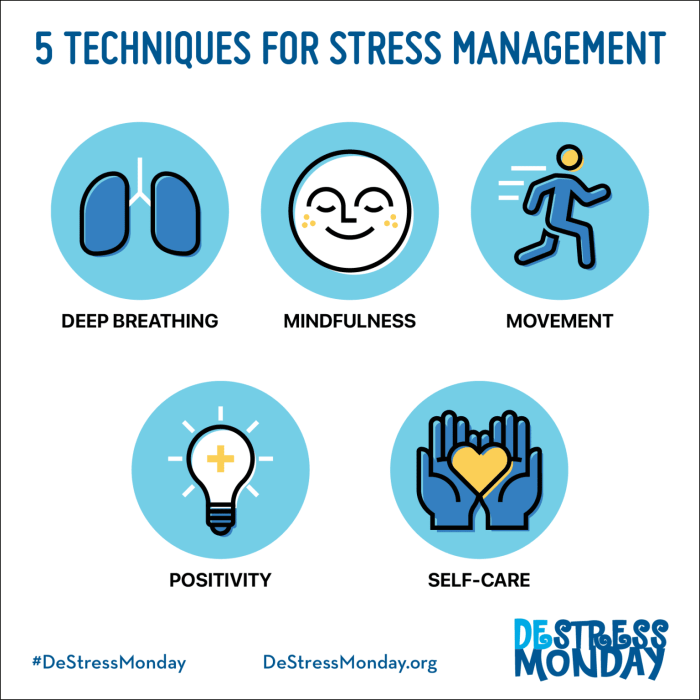
- Stress management techniques:Practicing relaxation techniques, mindfulness, or physical activity can help us manage stress levels and promote mental well-being.
- Adaptability:The ability to adjust to change and embrace new experiences is crucial for navigating life’s uncertainties.
- Resilience:The capacity to bounce back from setbacks and learn from our experiences is essential for growth and well-being.
Mindfulness and Meditation
Mindfulness and meditation are powerful tools for improving mental resilience and coping skills. They help us become more aware of our thoughts, feelings, and sensations in the present moment, without judgment. This heightened awareness allows us to better manage stress, regulate emotions, and develop a more positive outlook on life.
Mindfulness Techniques, Best exercises for improving mental resilience and coping skills
Mindfulness involves paying attention to the present moment without judgment. It’s about observing your thoughts, feelings, and sensations without getting carried away by them. Here are some mindfulness techniques:
- Mindful Breathing:This simple practice involves focusing on your breath. Notice the rise and fall of your chest and abdomen as you inhale and exhale. If your mind wanders, gently bring it back to your breath.
- Body Scan Meditation:In this practice, you bring your attention to different parts of your body, starting from your toes and moving upwards. Notice any sensations, such as warmth, tingling, or tightness, without judgment.
- Mindful Walking:As you walk, pay attention to the sensations of your feet on the ground, the movement of your legs, and the environment around you. Notice the sights, sounds, and smells without getting caught up in thoughts.
- Mindful Eating:This practice involves focusing on the experience of eating. Notice the taste, texture, and aroma of your food. Chew slowly and savor each bite.
Meditation Practices for Mental Clarity
Meditation is a practice that involves focusing your attention on a single point, such as your breath or a mantra. This practice helps to calm the mind and improve focus. Here are some meditation practices that promote mental clarity:
- Focused Meditation:In this practice, you focus your attention on a single object, such as your breath, a mantra, or a visual image. If your mind wanders, gently bring it back to your chosen object.
- Walking Meditation:This practice involves walking mindfully, paying attention to the sensations of your feet on the ground, the movement of your legs, and the environment around you.
- Loving-Kindness Meditation:This practice involves cultivating feelings of love, compassion, and kindness towards yourself and others.
Mindfulness and Stress Reduction
Mindfulness helps reduce stress by allowing us to observe our stress response without getting caught up in it. When we practice mindfulness, we become aware of the physical and emotional sensations associated with stress, such as muscle tension, rapid heartbeat, and racing thoughts.
This awareness helps us to detach from the stress response and manage it more effectively.
- Reduces the Fight-or-Flight Response:Mindfulness helps to reduce the activity of the sympathetic nervous system, which is responsible for the fight-or-flight response. This can help to lower levels of stress hormones like cortisol.
- Promotes Relaxation:Mindfulness practices, such as mindful breathing and body scan meditation, can help to promote relaxation and reduce feelings of anxiety.
- Increases Self-Awareness:By becoming more aware of our thoughts and feelings, we can better identify the triggers that lead to stress. This awareness can help us to develop coping mechanisms and manage stress more effectively.
Cognitive Behavioral Therapy (CBT)
Cognitive Behavioral Therapy (CBT) is a widely-used and effective therapeutic approach that focuses on the relationship between thoughts, feelings, and behaviors. It emphasizes that our thoughts directly influence our emotions and actions, and that by identifying and changing negative thought patterns, we can improve our mental well-being.
Principles of CBT and Its Effectiveness in Managing Negative Thoughts
CBT operates on the principle that our thoughts, feelings, and behaviors are interconnected. When we experience negative thoughts, they often lead to negative emotions and behaviors. For instance, if you have a thought like “I’m going to fail this exam,” you might feel anxious and avoid studying, ultimately leading to a self-fulfilling prophecy.
CBT aims to break this cycle by teaching individuals how to identify, challenge, and replace negative thoughts with more realistic and helpful ones.
How CBT Can Help Individuals Challenge and Change Unhelpful Thought Patterns
CBT equips individuals with tools to identify and challenge unhelpful thought patterns. It helps them recognize the cognitive distortions they engage in, such as:
- All-or-nothing thinking:Viewing situations in extreme terms, such as “I either ace this presentation or I’m a complete failure.”
- Overgeneralization:Drawing broad conclusions based on a single event, like “I failed this one test, so I’m going to fail all my classes.”
- Catastrophizing:Assuming the worst-case scenario, such as “If I don’t get this job, my life is over.”
- Mind reading:Assuming you know what others are thinking, like “My boss is disappointed in me.”
- Personalization:Taking responsibility for things that are outside of your control, such as “It’s my fault the team lost the game.”
By identifying these distortions, individuals can begin to challenge their validity and replace them with more balanced and realistic thoughts.
Examples of CBT Techniques That Can Be Incorporated into Daily Life
CBT offers a range of techniques that can be integrated into daily life to promote mental resilience. Some examples include:
- Thought records:Keeping a journal to track negative thoughts, their triggers, and the resulting emotions and behaviors. This allows individuals to identify patterns and challenge their thought processes.
- Cognitive restructuring:Challenging negative thoughts by asking questions like “Is this thought truly accurate?” or “What evidence supports this thought?”
- Behavioral experiments:Testing out negative thoughts through actions to see if they are actually true. For instance, if you believe you’re going to fail a presentation, you can practice giving it to a friend or family member to see if the outcome is as negative as you anticipate.
- Relaxation techniques:Incorporating relaxation techniques like deep breathing, meditation, or progressive muscle relaxation to manage stress and anxiety.
- Mindfulness:Paying attention to the present moment without judgment. This helps individuals become more aware of their thoughts and feelings and allows them to observe them without getting caught up in them.
Physical Activity and Exercise: Best Exercises For Improving Mental Resilience And Coping Skills
Regular physical activity plays a crucial role in enhancing mental resilience and coping skills. Exercise is not just about physical health; it has a profound impact on our mental well-being. It can help us manage stress, improve mood, boost self-esteem, and enhance our overall sense of well-being.
Benefits of Exercise for Mental Resilience
Exercise can positively impact mental health in various ways. Here’s how:
- Stress Reduction:Physical activity helps release endorphins, which have mood-boosting effects. Exercise can also help divert your attention from worries and anxieties, providing a temporary escape from stressful thoughts.
- Improved Mood:Exercise has been shown to reduce symptoms of depression and anxiety. It can help regulate neurotransmitters like serotonin and dopamine, which are essential for mood stability.
- Enhanced Cognitive Function:Regular exercise improves blood flow to the brain, which can enhance cognitive function, memory, and concentration. It can also help protect against age-related cognitive decline.
- Increased Self-Esteem:Achieving fitness goals and seeing positive changes in your body can boost self-confidence and self-esteem. Exercise can help you feel more capable and empowered.
- Improved Sleep Quality:Regular physical activity can promote better sleep patterns, leading to more restful nights and improved mood during the day.
Types of Physical Activity for Mental Resilience
Different types of exercise can benefit mental health in various ways.
- Cardiovascular Exercise:Activities like running, swimming, cycling, and dancing elevate your heart rate and improve cardiovascular health. They can also release endorphins, reduce stress, and improve mood.
- Strength Training:Activities like weightlifting, bodyweight exercises, and resistance bands help build muscle mass and improve strength. They can also boost self-esteem, reduce stress, and improve bone density.
- Mind-Body Exercise:Activities like yoga, tai chi, and Pilates combine physical movement with mindfulness practices. They can help reduce stress, improve flexibility, and enhance body awareness.
- Outdoor Exercise:Activities like hiking, gardening, and walking in nature offer numerous benefits for mental health. Exposure to sunlight and fresh air can improve mood, reduce stress, and promote relaxation.
Sample Workout Routine
Here is a sample workout routine that incorporates both cardiovascular and strength training:
| Day | Workout | Duration |
|---|---|---|
| Monday | Cardio (running, swimming, cycling) | 30 minutes |
| Tuesday | Strength training (upper body) | 30 minutes |
| Wednesday | Rest or low-impact activity (yoga, walking) | 30 minutes |
| Thursday | Cardio (running, swimming, cycling) | 30 minutes |
| Friday | Strength training (lower body) | 30 minutes |
| Saturday | Active recovery (hiking, gardening, outdoor activities) | 60 minutes |
| Sunday | Rest | – |
Social Support and Connections
Social connections are a vital part of our mental well-being. Strong social support networks provide a buffer against stress, promote emotional regulation, and enhance our overall sense of belonging and purpose. When we have supportive relationships, we feel less alone in our struggles and more capable of navigating life’s challenges.
Strategies for Building and Maintaining Supportive Relationships
Building and maintaining supportive relationships requires effort and intentionality. Here are some strategies to cultivate strong social connections:
- Prioritize Connection:Make time for social interactions, even if it’s just a quick phone call or coffee date with a friend.
- Be Present and Engaged:When you’re with someone, put away your phone and focus on the conversation. Active listening and genuine interest go a long way in building strong bonds.
- Seek Out Shared Interests:Join clubs, groups, or activities that align with your passions. This provides a natural platform for connecting with like-minded individuals.
- Offer Support:Just as you need support, others do too. Be there for your friends and family when they need you, offering a listening ear, a helping hand, or simply a kind word.
- Practice Forgiveness:Holding onto grudges can damage relationships and hinder your own mental well-being. Learning to forgive, even if it’s difficult, can free you from the burden of resentment and allow for healthier connections.
Activities that Foster Social Connections
Participating in activities that bring people together can foster social connections and create opportunities for shared experiences:
- Volunteer:Volunteering for a cause you care about can be a fulfilling way to meet new people and make a positive impact.
- Join a Sports Team or Fitness Class:Engaging in physical activities can provide a sense of camaraderie and shared purpose.
- Attend Community Events:Local festivals, concerts, or markets offer chances to mingle with others in your community.
- Take a Class:Learning a new skill or hobby can be a fun way to meet people with similar interests.
- Host Gatherings:Inviting friends and family over for dinner, game nights, or movie nights can strengthen existing relationships and create opportunities for new connections.
Stress Management Techniques
Stress is a natural part of life, but chronic stress can have a negative impact on our mental and physical health. Learning effective stress management techniques is crucial for improving mental resilience and coping skills.
Relaxation Techniques
Relaxation techniques are a powerful tool for managing stress. They help to calm the nervous system and reduce the physical symptoms of stress, such as muscle tension, rapid heartbeat, and shallow breathing. Two popular and effective relaxation techniques are deep breathing and progressive muscle relaxation.
Deep Breathing
Deep breathing is a simple yet effective technique that involves taking slow, deep breaths to calm the body and mind. When we breathe deeply, we send a signal to our nervous system to relax.
Here’s a simple deep breathing exercise:
- Find a comfortable position and close your eyes.
- Inhale slowly and deeply through your nose, filling your lungs with air.
- Hold your breath for a few seconds.
- Exhale slowly and completely through your mouth, releasing all the air from your lungs.
- Repeat this cycle for 5-10 minutes.
Progressive Muscle Relaxation
Progressive muscle relaxation is a technique that involves tensing and then relaxing different muscle groups in the body. This process helps to increase awareness of muscle tension and promotes relaxation.
Here’s a simple progressive muscle relaxation exercise:
- Start with your right hand, making a tight fist and holding the tension for 5 seconds.
- Then, release the tension and let your hand go limp.
- Notice the difference between tension and relaxation.
- Repeat this process for each muscle group in your body, working your way up from your feet to your head.
Healthy Lifestyle Habits

A healthy lifestyle plays a crucial role in promoting mental resilience and enhancing our ability to cope with stress. By adopting healthy habits, we can strengthen our bodies and minds, improving our overall well-being and equipping ourselves to navigate life’s challenges with greater ease.
Balanced Diet and Regular Sleep
A balanced diet provides the essential nutrients our bodies need to function optimally, including our brains. Regular sleep allows our brains to rest and repair, consolidating memories and enhancing cognitive function.
- Nutrients for Mental Resilience:A diet rich in fruits, vegetables, whole grains, lean protein, and healthy fats provides essential vitamins, minerals, and antioxidants that support brain health and cognitive function. For example, omega-3 fatty acids found in fatty fish, walnuts, and flaxseeds are known to play a vital role in brain development and function.
- Sleep Deprivation and Mental Resilience:Chronic sleep deprivation can impair cognitive function, increase stress hormone levels, and make us more susceptible to mental health issues. Aim for 7-9 hours of quality sleep each night to allow your brain to rest and recharge.
Hydration and Cognitive Function
Water is essential for all bodily functions, including brain function. Dehydration can lead to fatigue, difficulty concentrating, and decreased cognitive performance.
- Brain Function and Hydration:The brain is about 75% water, and adequate hydration is crucial for optimal brain function. Water helps transport nutrients to the brain, removes waste products, and regulates temperature.
- Signs of Dehydration:Pay attention to signs of dehydration, such as thirst, fatigue, headaches, and dizziness. Drink water throughout the day to stay hydrated and support your cognitive function.
Establishing Healthy Habits
Creating and maintaining healthy habits takes time and effort, but the benefits are worth it. Start with small, achievable goals and gradually build upon them.
- Start Small:Instead of trying to overhaul your entire lifestyle overnight, focus on making one or two small changes at a time. For example, start by incorporating one new fruit or vegetable into your daily diet or getting 30 minutes of physical activity most days of the week.
- Set Realistic Goals:Set achievable goals that fit into your lifestyle and avoid overwhelming yourself. Celebrate your successes along the way to stay motivated.
- Seek Support:Share your goals with friends, family, or a therapist to help you stay accountable and motivated. Joining a support group or working with a health professional can also provide valuable guidance and encouragement.
Emotional Regulation Skills
Emotional regulation is the ability to manage and control your emotions effectively. It’s a crucial skill for mental resilience, as it allows you to navigate challenging situations without being overwhelmed by negative emotions. By developing emotional regulation skills, you can respond to stress in a healthy way, improve your relationships, and enhance your overall well-being.
Identifying and Managing Strong Emotions
Recognizing and understanding your emotions is the first step towards effective regulation. Pay attention to your physical sensations, thoughts, and behaviors when you experience strong emotions. For example, you might notice that your heart rate increases, your breathing becomes shallow, and you feel tense when you’re anxious.
By becoming aware of these physical cues, you can start to identify the emotions you’re experiencing.Once you’ve identified an emotion, you can begin to manage it. This might involve taking a few deep breaths, engaging in a relaxing activity, or talking to someone you trust.
Techniques for Calming Down and Coping with Emotional Distress
There are many different techniques that can help you calm down and cope with emotional distress. Here are a few examples:
Deep Breathing Exercises
Deep breathing exercises can help to slow your heart rate and relax your body. Try taking slow, deep breaths, inhaling through your nose and exhaling through your mouth. Focus on the sensation of your breath as you breathe in and out.
Progressive Muscle Relaxation
Progressive muscle relaxation is a technique that involves tensing and relaxing different muscle groups in your body. This can help to reduce muscle tension and promote relaxation.
Mindfulness Meditation
Mindfulness meditation involves focusing your attention on the present moment without judgment. This can help to reduce stress and improve emotional regulation.
Visualization
Visualization is a technique that involves creating a mental image of a peaceful or calming scene. This can help to reduce anxiety and promote relaxation.
Physical Activity
Physical activity can help to release endorphins, which have mood-boosting effects. Even a short walk or jog can help to reduce stress and improve your mood.
Journaling
Journaling can be a helpful way to process your emotions and gain a better understanding of yourself. Write down your thoughts and feelings, and explore any patterns or themes that emerge.
Talking to Someone
Talking to a trusted friend, family member, or therapist can help you to process your emotions and gain support. Sharing your feelings can help you to feel less alone and more able to cope with difficult emotions.
Building Self-Compassion
Self-compassion is the act of treating yourself with kindness, understanding, and acceptance, especially during times of difficulty or failure. It’s about recognizing that everyone makes mistakes and that you are worthy of love and support, even when you fall short of your own expectations.
Cultivating self-compassion can significantly boost your mental resilience and help you navigate challenges with greater strength and grace.
Benefits of Self-Compassion
Self-compassion offers numerous benefits for your mental well-being, contributing to a more resilient and fulfilling life. Here are some key advantages:
- Reduced Stress and Anxiety:When you practice self-compassion, you become less critical of yourself, leading to a decrease in self-doubt and anxiety. This fosters a calmer and more peaceful state of mind.
- Increased Motivation and Self-Esteem:Self-compassion promotes a sense of self-worth, empowering you to pursue your goals with greater confidence and motivation. You are less likely to give up easily, even in the face of setbacks.
- Enhanced Emotional Regulation:Self-compassion helps you develop healthier coping mechanisms for managing difficult emotions. You learn to approach your feelings with understanding and acceptance rather than judgment and self-criticism.
- Improved Relationships:By treating yourself with kindness, you learn to extend that same compassion to others, fostering stronger and more fulfilling relationships.
- Greater Resilience:Self-compassion enables you to bounce back from adversity more effectively. You are less likely to dwell on failures, allowing you to learn from your mistakes and move forward with renewed purpose.
Coping with Setbacks and Failures
Self-compassion is a powerful tool for navigating setbacks and failures. Instead of dwelling on your mistakes or criticizing yourself, self-compassion encourages you to approach these experiences with understanding and acceptance.
- Acknowledge Your Feelings:Recognize and validate your emotions without judgment. It’s okay to feel disappointed, frustrated, or even angry. Allow yourself to experience these feelings without suppressing or dismissing them.
- Practice Self-Kindness:Treat yourself with the same compassion and understanding you would offer a close friend facing similar challenges. Avoid harsh self-criticism and focus on offering yourself support and encouragement.
- Learn from Your Mistakes:Instead of dwelling on your failures, see them as opportunities for growth and learning. Ask yourself what you can learn from the experience and how you can do things differently next time.
- Focus on Your Strengths:Remind yourself of your accomplishments and positive qualities. Acknowledge your strengths and celebrate your successes, no matter how small.
- Seek Support:Don’t hesitate to reach out to trusted friends, family members, or a therapist for support and guidance. Sharing your experiences with others can help you feel less alone and more empowered to cope with challenges.
Practical Exercises for Cultivating Self-Compassion
Here are some practical exercises you can incorporate into your daily life to cultivate self-compassion:
- The Self-Compassion Break:When you’re feeling overwhelmed or down, take a few minutes to practice self-compassion. Find a quiet space, close your eyes, and gently place your hand over your heart. Repeat these phrases to yourself: “This is a moment of suffering.
Suffering is a part of life. May I be kind to myself in this moment.”
- The Compassionate Letter:Write a letter to yourself as if you were a close friend offering support and encouragement. Express your understanding and acceptance of your struggles, and remind yourself of your strengths and worthiness of love and compassion.
- Mindful Self-Reflection:Practice mindful observation of your thoughts and feelings without judgment. Notice any critical or negative self-talk and gently replace it with compassionate and understanding self-talk.
- Compassionate Listening:Practice active listening when someone is sharing their struggles. Offer words of empathy and understanding, and let them know you care about their well-being. This can help you develop greater compassion for yourself and others.
Seeking Professional Support
Sometimes, even with the best efforts to build resilience and cope with challenges, seeking professional support is essential. It’s like having a skilled guide on a challenging hike – a mental health professional can offer expert insights, tools, and strategies to navigate difficult terrain.
Benefits of Seeking Professional Help
Seeking professional help for mental health concerns offers several benefits:
- Personalized Guidance:Mental health professionals provide tailored support based on your unique needs and circumstances. They can identify the root causes of your struggles and recommend evidence-based interventions to address them effectively.
- Effective Treatment:Professional help can lead to improved mental well-being and a reduction in symptoms. They can provide therapy, medication, or a combination of both, depending on your specific needs.
- Increased Self-Awareness:Therapy can help you gain a deeper understanding of your thoughts, feelings, and behaviors. This self-awareness empowers you to make positive changes and build stronger coping mechanisms.
- Improved Relationships:Mental health issues can strain relationships. Professional support can help you develop healthier communication and conflict resolution skills, strengthening your connections with others.
- Prevention of Future Problems:Addressing mental health concerns early can prevent them from escalating and potentially leading to more serious problems.
Types of Mental Health Professionals
- Psychologists:They have a doctorate in psychology and specialize in the diagnosis, treatment, and prevention of mental disorders. They use a variety of therapeutic techniques, such as cognitive behavioral therapy (CBT), psychodynamic therapy, and humanistic therapy.
- Psychiatrists:They are medical doctors who specialize in mental health. They can diagnose and treat mental disorders using medication and psychotherapy.
- Licensed Clinical Social Workers (LCSWs):They have a master’s degree in social work and are trained to provide therapy and support services for individuals, families, and communities.
- Licensed Professional Counselors (LPCs):They have a master’s degree in counseling and are trained to provide therapy for a wide range of mental health issues.
- Marriage and Family Therapists (MFTs):They specialize in helping couples and families resolve conflicts and improve communication.
Finding Mental Health Support
There are many resources available to help you find mental health support in your community:
- Your Primary Care Physician:They can refer you to mental health professionals in your area or provide basic mental health screenings.
- Insurance Provider:Your insurance company may have a list of mental health professionals in your network.
- Online Directories:Websites like Psychology Today and the National Alliance on Mental Illness (NAMI) offer directories of mental health professionals in your area.
- Community Mental Health Centers:These centers provide mental health services to individuals and families, often at a reduced cost or on a sliding scale.
- Colleges and Universities:Many universities have counseling centers that offer services to students and staff.
Epilogue
By incorporating these exercises into your daily routine, you can build a strong foundation of mental resilience, enabling you to face challenges with greater confidence and emerge stronger from difficult experiences. Remember, the journey to mental resilience is a continuous process, and it’s important to be patient with yourself and celebrate your progress along the way.
Embrace the power of self-care and resilience to unlock your full potential and thrive in all aspects of life.
Question Bank
What are some quick and easy exercises to improve mental resilience?
Try deep breathing exercises, gratitude journaling, or taking a short walk in nature. These activities can help calm your mind and boost your mood.
How long does it take to see results from practicing mental resilience exercises?
The time it takes to see results varies depending on the individual and the exercises practiced. Consistency is key, and you may start noticing improvements in your mental well-being within a few weeks of regular practice.
Is it possible to build mental resilience without professional help?
Yes, many people can build mental resilience through self-guided exercises and techniques. However, if you’re struggling with significant mental health challenges, seeking professional support is crucial.