Best practices for promoting healthy aging and longevity in 2024 – Healthy Aging in 2024: Best Practices for Longevity – Embracing a longer, healthier life is a goal many strive for. The journey to longevity isn’t about finding a magic pill, but rather a commitment to embracing healthy habits and embracing the latest advancements in science.
This guide will delve into the best practices for promoting healthy aging, exploring everything from lifestyle choices to medical innovations.
From maintaining physical activity to managing stress and incorporating a balanced diet, we’ll cover the pillars of a fulfilling and vibrant life. We’ll also examine the role of medical advancements, nutritional supplements, and cognitive health in supporting longevity. By understanding these practices, you can take control of your health and embark on a journey towards a longer, more fulfilling life.
Healthy Lifestyle Habits
Adopting a healthy lifestyle is crucial for promoting healthy aging and longevity. By incorporating positive habits into your daily routine, you can enhance your overall well-being and reduce the risk of age-related health issues.
Regular Physical Activity
Regular physical activity is essential for maintaining mobility, preventing age-related decline, and improving overall health. As we age, our muscles naturally lose mass and strength, leading to decreased mobility and an increased risk of falls. However, engaging in regular exercise can help counteract these age-related changes.
- Strength Training: Strength training exercises, such as lifting weights or using resistance bands, help build and maintain muscle mass, improving strength, balance, and bone density. Aim for at least two sessions per week, focusing on major muscle groups.
- Cardiovascular Exercise: Activities like brisk walking, jogging, swimming, or cycling help improve cardiovascular health, reduce the risk of heart disease, and enhance endurance. Aim for at least 30 minutes of moderate-intensity cardio most days of the week.
- Flexibility and Balance Exercises: Stretching and balance exercises, such as yoga or tai chi, improve flexibility, balance, and coordination, reducing the risk of falls. Aim for at least 10-15 minutes of these exercises daily.
Balanced Diet
A balanced diet plays a vital role in supporting overall health, preventing chronic diseases, and promoting longevity. It provides the essential nutrients your body needs to function optimally and maintain a healthy weight.
- Fruits and Vegetables: Aim for at least five servings of fruits and vegetables daily, as they are rich in vitamins, minerals, antioxidants, and fiber, which support overall health and protect against chronic diseases.
- Whole Grains: Choose whole grains over refined grains, as they provide more fiber, which helps regulate blood sugar levels, promotes digestive health, and reduces the risk of heart disease.
- Lean Protein: Include lean protein sources, such as fish, poultry, beans, and lentils, in your diet to maintain muscle mass and support healthy bones.
- Healthy Fats: Incorporate healthy fats, such as those found in olive oil, avocados, nuts, and seeds, into your diet. These fats help lower cholesterol levels, reduce inflammation, and support brain health.
- Limit Processed Foods: Minimize your intake of processed foods, as they are often high in unhealthy fats, sugar, and sodium, which can contribute to weight gain, heart disease, and other health problems.
Adequate Sleep
Adequate sleep is crucial for cognitive function, physical recovery, and overall well-being. During sleep, our bodies repair and rejuvenate themselves, allowing us to function optimally during the day.
- Sleep Duration: Aim for 7-9 hours of quality sleep per night. Chronic sleep deprivation can lead to impaired cognitive function, increased risk of chronic diseases, and decreased life expectancy.
- Sleep Hygiene: Establishing a consistent sleep schedule, creating a relaxing bedtime routine, and optimizing your sleep environment can improve sleep quality. Avoid caffeine and alcohol before bed, and ensure your bedroom is dark, quiet, and cool.
Stress Management and Emotional Wellbeing
Stress is a natural part of life, but chronic stress can have a significant impact on our physical and mental health, accelerating the aging process and increasing our risk of developing chronic diseases. In the context of healthy aging and longevity, managing stress effectively is crucial for maintaining overall well-being and extending our lifespan.
Effective Stress Management Techniques
Stress management techniques aim to reduce the negative effects of stress on our body and mind. These techniques help us to develop coping mechanisms and build resilience against life’s challenges.
- Mindfulness meditationinvolves focusing on the present moment without judgment, helping us to observe our thoughts and feelings without getting carried away by them. Studies have shown that mindfulness meditation can reduce stress, improve emotional regulation, and enhance cognitive function.
- Yogacombines physical postures, breathing techniques, and meditation, promoting relaxation, flexibility, and balance. It helps to release tension in the body and calm the mind, reducing stress levels and improving overall well-being.
- Deep breathing exerciseslike diaphragmatic breathing help to slow down our heart rate and lower blood pressure, promoting relaxation and reducing anxiety. Deep breathing also increases oxygen intake, which can improve energy levels and mental clarity.
Building Resilience and Coping with Stress in Everyday Life
Resilience is our ability to bounce back from adversity and challenges. Developing resilience is crucial for managing stress effectively and maintaining a positive outlook on life.
- Identify your stressors: Understanding the sources of stress in your life is the first step towards managing them effectively. Keeping a stress journal can help you identify patterns and triggers that contribute to your stress levels.
- Develop healthy coping mechanisms: Instead of relying on unhealthy coping strategies like smoking, excessive drinking, or overeating, explore healthier alternatives like exercise, spending time in nature, or engaging in hobbies you enjoy.
- Practice self-compassion: Be kind to yourself, acknowledge your limitations, and avoid self-criticism. Treat yourself with the same understanding and compassion you would offer to a loved one.
The Importance of Positive Social Connections
Social connections play a vital role in our mental and emotional well-being. Strong social support networks can buffer us against stress, promote feelings of belonging, and enhance our overall quality of life.
- Nurturing relationships: Make time for meaningful interactions with friends, family, and loved ones. Engage in activities that foster connection and shared experiences.
- Joining social groups: Participate in activities that align with your interests, such as book clubs, sports teams, or community organizations. This can provide opportunities to meet new people and build lasting connections.
- Volunteering: Giving back to your community can be a rewarding experience that strengthens social bonds and promotes feelings of purpose and fulfillment.
Fostering Emotional Well-being and Managing Emotional Challenges
Emotional well-being is essential for healthy aging. It involves developing emotional intelligence, managing negative emotions, and cultivating positive emotions.
- Emotional intelligence: Learn to recognize and understand your own emotions and those of others. This can help you communicate more effectively and build stronger relationships.
- Managing negative emotions: Develop strategies for coping with difficult emotions like anger, sadness, or anxiety. This might involve journaling, talking to a therapist, or practicing relaxation techniques.
- Cultivating positive emotions: Focus on activities that bring you joy, gratitude, and a sense of purpose. Spend time with loved ones, engage in hobbies, or practice acts of kindness.
Medical Innovations and Disease Prevention
Medical advancements are revolutionizing how we approach aging, extending healthy lifespans, and improving quality of life. From cutting-edge diagnostics to personalized treatments, these innovations are empowering individuals to take control of their health and well-being.
Advancements in Medical Technology
Medical technology is playing a pivotal role in promoting healthy aging. Here are some key advancements:
- Artificial Intelligence (AI) and Machine Learning (ML):AI and ML are transforming healthcare by enabling faster and more accurate diagnoses, personalized treatment plans, and early disease detection. For example, AI-powered algorithms can analyze medical images, identify patterns in patient data, and predict health risks, allowing for proactive interventions.
- Precision Medicine:This approach tailors treatment based on an individual’s genetic makeup, lifestyle, and environmental factors. By understanding an individual’s unique biological profile, healthcare providers can prescribe the most effective therapies, minimizing side effects and maximizing treatment outcomes.
- Wearable Technology:Devices like smartwatches and fitness trackers are empowering individuals to monitor their health, track their activity levels, and make informed decisions about their well-being. These devices collect data on heart rate, sleep patterns, and physical activity, providing valuable insights into overall health and identifying potential issues early on.
Emerging Medical Treatments and Interventions
The medical landscape is constantly evolving, with new treatments and interventions emerging to address age-related conditions.
- Stem Cell Therapy:Stem cells have the potential to regenerate damaged tissues and organs, offering hope for treating conditions like arthritis, heart disease, and neurodegenerative diseases. Research is ongoing to explore the therapeutic potential of stem cells in promoting healthy aging.
- Gene Editing:Technologies like CRISPR-Cas9 allow scientists to modify genes, potentially correcting genetic defects that contribute to age-related diseases. This holds promise for treating conditions like Alzheimer’s disease, Parkinson’s disease, and cancer.
- Immunotherapy:This approach harnesses the body’s immune system to fight diseases, including cancer. Immunotherapy drugs can stimulate the immune system to target and destroy cancer cells, offering a new avenue for treatment.
The Role of Regular Health Screenings
Regular health screenings are crucial for early disease detection and intervention.
- Preventive Screenings:These screenings identify potential health problems before symptoms appear, allowing for timely interventions and reducing the risk of complications. Common preventive screenings include mammograms, colonoscopies, and blood pressure checks.
- Early Detection and Intervention:Detecting diseases in their early stages significantly improves treatment outcomes and increases chances of recovery. Early intervention can prevent disease progression and reduce the severity of symptoms.
Preventive Measures for Common Age-Related Diseases
Adopting preventive measures can significantly reduce the risk of developing common age-related diseases.
- Heart Disease:Maintaining a healthy diet, exercising regularly, managing blood pressure and cholesterol levels, and avoiding smoking can help prevent heart disease.
- Diabetes:Maintaining a healthy weight, engaging in regular physical activity, and managing blood sugar levels are crucial for preventing diabetes.
- Cancer:A healthy lifestyle, including a balanced diet, regular exercise, and avoiding smoking and excessive alcohol consumption, can reduce cancer risk.
The Importance of Personalized Medicine and Tailored Healthcare Approaches
Personalized medicine is becoming increasingly important in promoting healthy aging.
- Individualized Treatment Plans:Tailoring treatment plans based on an individual’s unique needs and characteristics improves effectiveness and minimizes side effects.
- Genetic Testing:Genetic testing can identify predispositions to certain diseases, allowing for personalized preventive measures and early interventions.
- Data-Driven Healthcare:By leveraging data from wearable devices, medical records, and genetic information, healthcare providers can develop more accurate diagnoses and treatment plans.
Nutritional Supplements and Immune Support
As we age, our bodies may not absorb nutrients as efficiently, and our nutritional needs change. Nutritional supplements can play a role in filling these gaps and supporting overall health. However, it’s crucial to understand their potential benefits and risks, as well as the importance of a balanced diet.
Essential Vitamins and Minerals for Older Adults
Maintaining a healthy diet is paramount for aging well, but some essential vitamins and minerals become increasingly important as we age. These nutrients play crucial roles in supporting various bodily functions, including bone health, cognitive function, and immune response. Here’s a list of key vitamins and minerals that older adults should prioritize:
- Vitamin D:Plays a vital role in calcium absorption, bone health, and immune function. Sunlight exposure is the primary source, but supplementation may be necessary, especially during winter months or for individuals with limited sun exposure.
- Calcium:Essential for bone health, muscle function, and nerve transmission. Dairy products, leafy green vegetables, and fortified foods are good sources.
- Vitamin B12:Crucial for cell growth, red blood cell production, and nerve function. Absorption of B12 can decline with age, making supplementation necessary for some individuals.
- Vitamin B6:Plays a role in brain function, metabolism, and immune function. Found in meat, poultry, fish, and fortified cereals.
- Vitamin A:Important for vision, immune function, and cell growth. Found in orange and yellow fruits and vegetables, as well as dairy products.
- Zinc:Supports immune function, wound healing, and taste and smell. Found in red meat, poultry, beans, and nuts.
- Iron:Essential for red blood cell production and oxygen transport. Found in red meat, poultry, fish, and fortified cereals.
Potential Benefits and Risks of Nutritional Supplements
Nutritional supplements can be a valuable tool for addressing nutrient deficiencies and supporting overall health, but it’s essential to be aware of their potential benefits and risks.
- Benefits:
- Can help fill nutrient gaps in the diet, especially for individuals with dietary restrictions or those who have difficulty absorbing certain nutrients.
- May support bone health, cognitive function, and immune function.
- Can help manage specific health conditions, such as vitamin D deficiency or iron deficiency anemia.
- Risks:
- Interactions with medications:Certain supplements can interact with medications, potentially causing adverse effects. Consult with a healthcare professional before taking any supplements, especially if you are on medication.
- Overdose:Taking excessive amounts of certain supplements can lead to toxicity. It’s essential to follow recommended dosage guidelines.
- Misleading marketing:The supplement industry is often unregulated, and some products may contain ingredients that are not listed or may not be effective. Always choose reputable brands and consult with a healthcare professional before taking any supplement.
Evidence-Based Recommendations for Optimizing Nutrient Intake
While supplements can play a role in supporting nutrient intake, it’s crucial to prioritize a balanced diet rich in whole foods. Here are evidence-based recommendations for optimizing nutrient intake:
- Focus on a balanced diet:Include a variety of fruits, vegetables, whole grains, lean protein sources, and healthy fats in your daily meals.
- Choose nutrient-dense foods:Opt for foods that are rich in vitamins, minerals, and antioxidants, such as leafy green vegetables, berries, nuts, and seeds.
- Cook at home more often:This allows you to control the ingredients and avoid processed foods, which are often high in unhealthy fats, sugar, and sodium.
- Stay hydrated:Drink plenty of water throughout the day to support hydration and overall health.
- Consider supplementation:If you have specific nutrient deficiencies or are unable to meet your nutritional needs through diet alone, consult with a healthcare professional about the potential benefits of supplementation.
The Importance of a Strong Immune System
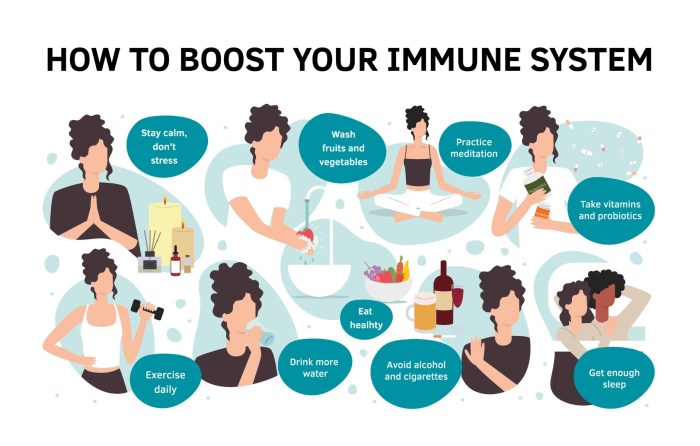
A robust immune system is crucial for fighting off infections and maintaining overall health, especially as we age. A weakened immune system can make older adults more susceptible to illness.Here are some tips for boosting immune function:
- Maintain a healthy weight:Being overweight or obese can weaken the immune system. Aim for a healthy weight through a balanced diet and regular physical activity.
- Get enough sleep:Sleep deprivation can impair immune function. Aim for 7-8 hours of quality sleep each night.
- Manage stress:Chronic stress can weaken the immune system. Engage in stress-reducing activities such as exercise, meditation, or spending time in nature.
- Quit smoking:Smoking weakens the immune system and increases the risk of respiratory infections.
- Stay active:Regular physical activity can boost immune function and reduce the risk of chronic diseases.
- Wash your hands frequently:This is one of the simplest and most effective ways to prevent the spread of infections.
- Get vaccinated:Vaccinations are essential for protecting against preventable diseases, especially for older adults who are at higher risk of complications.
Mental Clarity and Cognitive Function
Maintaining a sharp mind is essential for preserving independence and quality of life as we age. Cognitive function encompasses various mental abilities, including memory, attention, language, reasoning, and problem-solving. These skills allow us to engage in meaningful activities, learn new things, and make informed decisions.
As we age, our brains undergo natural changes that can impact cognitive function, but by adopting healthy lifestyle habits and embracing proactive strategies, we can mitigate age-related cognitive decline and maintain mental agility.
The Impact of Aging on Brain Function
As we age, our brains experience natural changes that can affect cognitive function. These changes include:
- Brain Cell Loss:With age, some brain cells naturally die, although this process is typically gradual and does not necessarily lead to significant cognitive decline.
- Changes in Brain Structure:The brain’s volume can decrease slightly, and certain brain regions may shrink, particularly the hippocampus, which is crucial for memory formation.
- Slower Processing Speed:The speed at which our brains process information can slow down with age, potentially affecting reaction time and the ability to multitask.
- Hormonal Changes:Age-related hormonal changes can impact brain function, including the production of neurotransmitters, chemicals that transmit signals between nerve cells.
It’s important to note that these changes are not inevitable or uniform. Some individuals experience minimal cognitive decline with age, while others may face more significant challenges. The extent of cognitive decline can be influenced by genetics, lifestyle factors, and underlying health conditions.
Strategies for Enhancing Cognitive Function
Numerous strategies can help enhance cognitive function and prevent age-related cognitive decline. These strategies focus on promoting brain health, stimulating cognitive activity, and maintaining a healthy lifestyle:
- Physical Exercise:Regular physical activity is a cornerstone of brain health. Exercise improves blood flow to the brain, promotes the growth of new brain cells, and enhances cognitive function. Aim for at least 150 minutes of moderate-intensity aerobic exercise or 75 minutes of vigorous-intensity aerobic exercise per week, along with strength training exercises twice a week.
- Mental Stimulation:Engaging in mentally challenging activities can help keep the brain sharp. This includes activities like reading, learning a new language, playing brain-training games, and engaging in hobbies that require problem-solving and critical thinking.
- Social Engagement:Maintaining strong social connections is vital for cognitive health. Social interaction promotes mental stimulation, reduces stress, and provides a sense of purpose. Stay connected with friends and family, join social groups, and participate in community activities.
- Healthy Diet:A balanced diet rich in fruits, vegetables, whole grains, and lean protein provides essential nutrients for brain health. Consider incorporating foods rich in antioxidants, omega-3 fatty acids, and B vitamins.
- Adequate Sleep:Sleep is crucial for brain health and cognitive function. Aim for 7-8 hours of quality sleep each night to allow the brain to repair and consolidate memories.
- Stress Management:Chronic stress can negatively impact cognitive function. Practice stress-reduction techniques like meditation, yoga, deep breathing exercises, or spending time in nature.
- Medical Checkups:Regular medical checkups are important for identifying and managing underlying health conditions that can affect cognitive function. Monitor blood pressure, cholesterol levels, and blood sugar levels, and address any concerns with your doctor.
Brain-Training Exercises and Activities
Numerous brain-training exercises and activities can help improve cognitive function and maintain mental agility. These activities challenge the brain in different ways, promoting neuroplasticity, the brain’s ability to adapt and change.
- Memory Games:Games like Sudoku, crosswords, and memory matching can help improve working memory and recall.
- Brain-Training Apps:Several apps are designed to challenge cognitive skills, including memory, attention, and problem-solving. These apps can provide a structured and engaging way to exercise the brain.
- Learning New Skills:Learning a new language, musical instrument, or craft can challenge the brain and promote cognitive flexibility.
- Reading:Reading exposes the brain to new ideas, vocabulary, and information, enhancing cognitive function and stimulating imagination.
- Puzzles and Games:Puzzles like jigsaw puzzles and logic games can improve spatial reasoning, problem-solving, and critical thinking skills.
The Role of Social Engagement and Intellectual Stimulation
Social engagement and intellectual stimulation are essential for maintaining cognitive health.
- Social Interaction:Engaging in meaningful conversations, participating in group activities, and maintaining social connections provide mental stimulation and reduce feelings of isolation, which can negatively impact cognitive function.
- Intellectual Stimulation:Challenging the brain with new information, ideas, and experiences keeps it active and engaged. This can involve attending lectures, engaging in debates, pursuing hobbies that require learning, and staying informed about current events.
Hydration Importance and Cardiovascular Health
Staying hydrated is crucial for overall health and well-being, especially as we age. Water plays a vital role in various bodily functions, including regulating body temperature, transporting nutrients, and flushing out waste products. Maintaining adequate hydration is particularly important for cardiovascular health.
Cardiovascular Health and Hydration
Water is essential for maintaining healthy blood volume and blood pressure. Dehydration can lead to thicker blood, making it harder for the heart to pump blood efficiently. This can increase the risk of blood clots, heart attacks, and strokes.
Tips for Ensuring Adequate Fluid Intake
It’s important to stay hydrated throughout the day. Here are some tips:
- Drink water regularly, even when you don’t feel thirsty.
- Carry a reusable water bottle with you and refill it throughout the day.
- Include hydrating foods in your diet, such as fruits and vegetables with high water content.
- Limit sugary drinks, as they can dehydrate you.
Impact of Dehydration on Cognitive Function and Physical Performance
Dehydration can negatively impact cognitive function, leading to fatigue, decreased concentration, and impaired memory. It can also affect physical performance, leading to reduced endurance and muscle strength.
Hydration Recommendations for Individuals with Specific Health Conditions
Individuals with certain health conditions, such as kidney disease or heart failure, may have specific hydration needs. It’s important to consult with a healthcare professional to determine the appropriate fluid intake for your individual situation.
Active Lifestyle and Physical Fitness: Best Practices For Promoting Healthy Aging And Longevity In 2024
Maintaining an active lifestyle is crucial for healthy aging and longevity. It plays a vital role in preserving physical function, independence, and overall well-being as we age. Engaging in regular physical activity can help prevent age-related decline, improve cardiovascular health, and enhance mood, sleep, and cognitive function.
Benefits of an Active Lifestyle
Regular physical activity offers numerous benefits for older adults, contributing to a healthier and more fulfilling life.
- Improved Physical Function and Independence:Exercise strengthens muscles, bones, and joints, improving mobility, balance, and coordination, reducing the risk of falls and promoting independence in daily activities.
- Reduced Risk of Chronic Diseases:An active lifestyle helps prevent or manage chronic conditions like heart disease, stroke, type 2 diabetes, and some types of cancer, contributing to a longer and healthier life.
- Enhanced Mental Well-being:Exercise releases endorphins, which have mood-boosting effects, reducing stress, anxiety, and depression. It also improves sleep quality, contributing to a more positive outlook on life.
- Improved Cognitive Function:Physical activity stimulates blood flow to the brain, enhancing cognitive function, memory, and learning abilities, helping to maintain mental sharpness as we age.
Exercise and Age-Related Decline
Exercise plays a crucial role in mitigating age-related decline in physical function and cognitive abilities.
- Muscle Mass and Strength:As we age, muscle mass naturally declines, leading to decreased strength and mobility. Resistance training, such as weightlifting or using resistance bands, helps maintain and even increase muscle mass, improving strength and preventing falls.
- Bone Density:Bone density naturally decreases with age, increasing the risk of osteoporosis and fractures. Weight-bearing exercises, like walking, jogging, and dancing, help strengthen bones and reduce the risk of fractures.
- Cardiovascular Health:Regular exercise strengthens the heart and improves blood circulation, reducing the risk of heart disease, stroke, and other cardiovascular problems.
- Cognitive Function:Studies show that regular exercise can improve cognitive function, memory, and learning abilities, potentially delaying the onset of age-related cognitive decline.
Age-Appropriate Exercise Routines
Choosing age-appropriate exercise routines is essential for maximizing benefits and minimizing risks.
- Consult with a Healthcare Professional:Before starting any new exercise program, it’s crucial to consult with a healthcare professional to determine the appropriate intensity and type of exercise based on individual health conditions and fitness levels.
- Variety and Gradual Progression:Incorporating a variety of exercises, including cardiovascular, strength training, flexibility, and balance activities, helps promote overall fitness and reduces the risk of overuse injuries. Start slowly and gradually increase intensity and duration as fitness levels improve.
- Low-Impact Activities:For older adults with limited mobility or joint pain, low-impact activities like swimming, water aerobics, cycling, and walking are excellent choices.
- Strength Training:Resistance training using weights, resistance bands, or bodyweight exercises helps maintain and build muscle mass, improving strength, balance, and mobility.
- Flexibility and Balance:Stretching exercises and yoga help improve flexibility, balance, and coordination, reducing the risk of falls and improving overall mobility.
Incorporating Physical Activity into Daily Life
Finding ways to incorporate physical activity into daily life can make it easier to maintain an active lifestyle.
- Take the Stairs:Opt for stairs instead of the elevator whenever possible.
- Walk or Cycle:Walk or cycle to nearby destinations instead of driving.
- Stand Up and Move:Take breaks from sitting every 30 minutes to stand up and walk around.
- Household Chores:Engage in active household chores like gardening, cleaning, and yard work.
- Social Activities:Participate in active social activities like dancing, hiking, or group fitness classes.
Impact of Exercise on Mood, Sleep, and Well-being
Regular exercise has a significant impact on mood, sleep, and overall well-being.
- Mood Enhancement:Exercise releases endorphins, which have mood-boosting effects, reducing stress, anxiety, and depression.
- Improved Sleep Quality:Regular physical activity promotes better sleep quality, reducing insomnia and improving sleep duration.
- Increased Energy Levels:Exercise can actually increase energy levels, making it easier to stay active throughout the day.
- Reduced Risk of Chronic Diseases:An active lifestyle helps prevent or manage chronic conditions like heart disease, stroke, type 2 diabetes, and some types of cancer, contributing to a longer and healthier life.
Healthy Recipes and Nutritional Balance
As we age, maintaining a balanced diet becomes increasingly important for overall health and well-being. A diet rich in fruits, vegetables, and whole grains can provide the essential nutrients needed to support healthy aging and prevent age-related diseases.
Recipes for Older Adults
These recipes are designed to be easy to prepare, digest, and enjoyable to eat.
- Salmon with Roasted Vegetables: This recipe is rich in omega-3 fatty acids, protein, and fiber. Roast salmon with vegetables like broccoli, carrots, and sweet potatoes for a flavorful and nutritious meal.
- Chicken and Vegetable Stir-Fry: This quick and easy dish is packed with protein, vitamins, and minerals. Stir-fry chicken with colorful vegetables like bell peppers, onions, and snap peas.
- Lentil Soup: This hearty soup is a great source of protein, fiber, and iron. Combine lentils with vegetables like carrots, celery, and onions for a satisfying and nutritious meal.
- Quinoa Salad with Grilled Chicken: This salad is a great source of protein, fiber, and complex carbohydrates. Combine quinoa with grilled chicken, chopped vegetables, and a light vinaigrette dressing.
- Oatmeal with Berries and Nuts: This breakfast option is a great source of fiber, protein, and antioxidants. Combine oatmeal with fresh or frozen berries and a handful of nuts for a delicious and nutritious start to the day.
Importance of a Balanced Diet
A balanced diet is essential for maintaining good health and well-being. It should include a variety of foods from all food groups, including fruits, vegetables, whole grains, lean protein, and healthy fats.
- Fruits and Vegetables: Provide essential vitamins, minerals, and antioxidants that help protect against chronic diseases.
- Whole Grains: Offer fiber, which helps regulate digestion, lower cholesterol, and control blood sugar levels.
- Lean Protein: Provides essential amino acids that help build and repair tissues.
- Healthy Fats: Support brain function, heart health, and hormone production.
Tips for Preparing Nutritious Meals
Here are some tips for preparing nutritious meals that are easy to digest and enjoyable to eat:
- Cook meals at home: This allows you to control the ingredients and portion sizes.
- Use fresh, whole ingredients: Avoid processed foods, which are often high in sugar, unhealthy fats, and sodium.
- Choose lean protein sources: Such as fish, poultry, beans, and tofu.
- Include plenty of fruits and vegetables: Aim for at least five servings per day.
- Cook with healthy fats: Such as olive oil, avocado oil, and nuts.
- Limit sugar and processed foods: These can contribute to weight gain, inflammation, and other health problems.
- Drink plenty of water: Staying hydrated is essential for overall health and can help prevent constipation.
Incorporating Healthy Fats, Protein, and Carbohydrates
It’s important to incorporate healthy fats, protein, and carbohydrates into meals to ensure adequate nutrition and support healthy aging.
- Healthy Fats: Include sources like olive oil, avocado, nuts, and fatty fish in moderation.
- Protein: Include lean sources like chicken, fish, beans, lentils, and tofu.
- Carbohydrates: Choose complex carbohydrates like whole grains, fruits, and vegetables.
Nutritional Needs of Older Adults
Older adults have unique nutritional needs that may differ from younger individuals.
- Vitamin D: Essential for bone health and may be harder to absorb with age.
- Calcium: Important for strong bones and may be needed in higher amounts as we age.
- Vitamin B12: Necessary for energy production and may be harder to absorb with age.
- Fiber: Essential for digestion and may be harder to get enough of as we age.
Meeting Nutritional Needs
There are several ways to ensure that older adults meet their nutritional needs.
- Eat a balanced diet: Including a variety of fruits, vegetables, whole grains, lean protein, and healthy fats.
- Consider supplements: If you are not getting enough of certain nutrients from your diet, talk to your doctor about taking supplements.
- Stay hydrated: Drink plenty of water throughout the day.
- See a registered dietitian: For personalized nutrition advice.
Mental Resilience and Emotional Well-being
Mental resilience, the ability to adapt and thrive in the face of life’s challenges, is crucial for healthy aging. It empowers individuals to navigate adversity, maintain emotional well-being, and ultimately contribute to longevity.
The Importance of Mental Resilience
Mental resilience acts as a buffer against the inevitable stressors of life. It allows individuals to bounce back from setbacks, maintain a positive outlook, and continue pursuing their goals. By developing mental resilience, individuals can better manage stress, reduce the risk of chronic diseases, and improve overall quality of life.
The Role of Positive Thinking and Optimism
Positive thinking and optimism play a vital role in promoting emotional well-being and resilience. When individuals focus on the positive aspects of their lives, they tend to experience less stress, anxiety, and depression. This positive mindset can help them cope with adversity, maintain a sense of hope, and build stronger relationships.
Strategies for Developing Mental Resilience
- Practice mindfulness:Mindfulness involves paying attention to the present moment without judgment. It helps individuals become more aware of their thoughts, feelings, and sensations, allowing them to manage stress and cultivate a sense of calm.
- Cultivate gratitude:Focusing on the good things in life can shift one’s perspective and promote a sense of well-being. Regularly practicing gratitude can enhance emotional resilience and foster a more positive outlook.
- Develop a support network:Connecting with loved ones, friends, or support groups can provide a sense of belonging and reduce feelings of isolation. Strong social connections are essential for maintaining emotional well-being and navigating difficult times.
- Engage in meaningful activities:Participating in activities that bring joy and purpose can boost self-esteem, enhance motivation, and promote a sense of accomplishment. This can be anything from pursuing hobbies to volunteering or connecting with nature.
- Practice self-care:Prioritizing physical and mental health through activities like exercise, healthy eating, and getting enough sleep is crucial for maintaining emotional well-being and building resilience.
Managing Stress, Anxiety, and Depression
- Stress management techniques:Techniques such as deep breathing exercises, yoga, meditation, and progressive muscle relaxation can help reduce stress levels and promote relaxation.
- Cognitive behavioral therapy (CBT):CBT is a type of therapy that focuses on identifying and changing negative thought patterns and behaviors that contribute to anxiety and depression. It equips individuals with coping skills and strategies for managing their emotional responses.
- Mindfulness-based stress reduction (MBSR):MBSR combines mindfulness meditation with gentle yoga to help individuals manage stress, improve emotional regulation, and enhance overall well-being.
- Professional support:Seeking help from a therapist or counselor can provide individuals with personalized support and guidance in managing stress, anxiety, and depression. It’s important to remember that seeking professional help is a sign of strength, not weakness.
Impact of Emotional Well-being on Overall Health and Longevity
Studies have shown a strong correlation between emotional well-being and overall health. Positive emotions, such as joy, gratitude, and love, have been linked to a stronger immune system, lower blood pressure, and reduced risk of heart disease. On the other hand, chronic stress and negative emotions can contribute to inflammation, weaken the immune system, and increase the risk of chronic diseases.
Maintaining emotional well-being is essential for healthy aging and longevity. By developing mental resilience, managing stress effectively, and fostering positive emotions, individuals can enhance their overall health, live longer, and enjoy a more fulfilling life.
Healthy Aging and Longevity
Healthy aging is not simply about living longer; it’s about living well and maximizing your quality of life as you age. It’s about maintaining your physical, mental, and social well-being, allowing you to enjoy your later years to the fullest.
This means embracing a lifestyle that supports both your physical and mental health, leading to a more fulfilling and vibrant life.
Factors Contributing to Healthy Aging and Longevity, Best practices for promoting healthy aging and longevity in 2024
The concept of healthy aging encompasses a range of factors that contribute to a longer, healthier, and more fulfilling life. These factors can be broadly categorized into lifestyle choices, genetic predisposition, and environmental influences.
- Lifestyle Choices: Your daily habits play a significant role in how you age. A healthy diet, regular exercise, stress management, and adequate sleep are fundamental to healthy aging.
- Genetic Predisposition: While you can’t change your genes, understanding your family history can provide insights into potential health risks and help you take preventive measures.
- Environmental Influences: Factors like air quality, access to healthcare, and social support systems can also impact your overall health and longevity.
Best Practices for Promoting Healthy Aging
Numerous strategies can help you age gracefully and live a longer, healthier life. These practices are not a one-size-fits-all approach but should be tailored to your individual needs and preferences.
Diet and Nutrition
A balanced diet rich in fruits, vegetables, whole grains, and lean protein is crucial for healthy aging. This dietary approach helps maintain a healthy weight, reduces the risk of chronic diseases, and provides essential nutrients for optimal bodily function.
- Limit processed foods: Processed foods are often high in unhealthy fats, sugar, and sodium, which can contribute to weight gain, inflammation, and chronic diseases.
- Choose whole grains: Whole grains provide fiber, vitamins, and minerals that support digestive health and blood sugar control.
- Include plenty of fruits and vegetables: Fruits and vegetables are rich in antioxidants, which help protect cells from damage and reduce the risk of chronic diseases.
- Prioritize lean protein: Protein is essential for maintaining muscle mass and bone health, which are crucial for mobility and overall function as you age.
- Stay hydrated: Water is essential for many bodily functions, including regulating temperature, transporting nutrients, and flushing out waste products.
Physical Activity
Regular exercise is essential for maintaining muscle mass, bone density, cardiovascular health, and cognitive function. Aim for at least 150 minutes of moderate-intensity aerobic activity or 75 minutes of vigorous-intensity aerobic activity per week, along with strength training exercises that work all major muscle groups at least twice a week.
Stress Management
Chronic stress can have a detrimental impact on both physical and mental health, accelerating the aging process. Finding effective ways to manage stress is essential for healthy aging.
- Practice relaxation techniques: Techniques like deep breathing, meditation, and yoga can help reduce stress levels and promote relaxation.
- Engage in enjoyable activities: Pursuing hobbies, spending time with loved ones, and engaging in activities that bring you joy can help alleviate stress.
- Seek professional support: If you are struggling to manage stress on your own, consider seeking professional help from a therapist or counselor.
Sleep
Adequate sleep is crucial for both physical and mental health. Aim for 7-9 hours of quality sleep each night.
Social Connections
Maintaining strong social connections is vital for emotional well-being and overall health. Engage with friends and family, participate in social activities, and consider joining a club or group that aligns with your interests.
Cognitive Stimulation
Keeping your mind active is essential for maintaining cognitive function and preventing age-related decline.
- Engage in mentally stimulating activities: Read, learn new skills, play games, and engage in activities that challenge your mind.
- Stay curious and learn new things: Continuously learning and expanding your knowledge base can help keep your brain sharp.
- Challenge yourself: Step outside your comfort zone and try new things to keep your mind engaged.
Insights from Experts and Research on the Science of Longevity
Experts in the field of aging and longevity have made significant strides in understanding the mechanisms of aging and identifying potential interventions to extend lifespan and improve healthspan. Research has shed light on several key factors that influence aging, including:
Telomeres and Cellular Senescence
Telomeres are protective caps on the ends of chromosomes that shorten with each cell division. As telomeres shorten, cells become less capable of dividing and eventually enter a state of senescence, where they stop dividing and can even become harmful.
Maintaining telomere length and preventing cellular senescence are key to healthy aging.
Mitochondrial Function
Mitochondria are the powerhouses of cells, responsible for producing energy. As we age, mitochondrial function declines, leading to reduced energy production and increased oxidative stress. Maintaining mitochondrial health is crucial for healthy aging.
Inflammation
Chronic inflammation is a hallmark of aging and can contribute to a range of age-related diseases. Reducing inflammation through diet, exercise, and stress management is essential for healthy aging.
Hormonal Changes
Hormonal changes associated with aging can affect various aspects of health, including metabolism, bone density, and cognitive function. Hormone replacement therapy may be considered in some cases to address these changes.
Calorie Restriction and Intermittent Fasting
Studies have shown that calorie restriction and intermittent fasting can extend lifespan and improve healthspan in animal models. These interventions may work by reducing oxidative stress and promoting cellular repair.
Lifestyle Interventions
Lifestyle interventions, such as diet, exercise, stress management, and social engagement, can significantly impact the aging process and contribute to healthy aging and longevity.
Impact of Lifestyle Choices on the Aging Process and Lifespan
Your lifestyle choices have a profound impact on your aging process and lifespan. Adopting healthy habits can significantly extend your lifespan and improve your overall health and well-being. Conversely, unhealthy habits can accelerate the aging process and increase the risk of age-related diseases.
Examples of Lifestyle Choices and Their Impact
- Smoking: Smoking is a major risk factor for heart disease, cancer, and other chronic diseases, all of which can shorten lifespan.
- Alcohol Consumption: Excessive alcohol consumption can damage the liver, heart, and brain, increasing the risk of premature death.
- Physical Inactivity: Lack of physical activity increases the risk of obesity, heart disease, diabetes, and other chronic diseases, all of which can shorten lifespan.
- Unhealthy Diet: A diet high in processed foods, unhealthy fats, sugar, and sodium can contribute to weight gain, inflammation, and chronic diseases, all of which can shorten lifespan.
- Stress: Chronic stress can accelerate the aging process and increase the risk of heart disease, depression, and other chronic diseases.
Summary
As we journey through life, it’s important to remember that healthy aging is a continuous process. By adopting these best practices and staying informed about new developments, you can actively contribute to your well-being and longevity. Remember, healthy aging isn’t just about adding years to your life, but about adding life to your years.
Embrace a holistic approach, prioritize your health, and enjoy the journey of living a longer, more vibrant life.
FAQ Guide
What are some simple lifestyle changes I can make to promote healthy aging?
Start with small, achievable goals like incorporating regular physical activity into your routine, choosing nutrient-rich foods, managing stress through techniques like meditation, and ensuring adequate sleep.
Are there specific vitamins or supplements I should be taking as I age?
Consult with your doctor to determine if any specific supplements are right for you based on your individual needs and health history.
How can I stay mentally sharp as I age?
Engage in mentally stimulating activities like puzzles, reading, learning new skills, and maintaining social connections to keep your brain active and healthy.