How to Stay Healthy While Traveling

How to maintain a healthy lifestyle while traveling or on the go

How to maintain a healthy lifestyle while traveling or on the go sets the stage for this enthralling narrative, offering readers a glimpse into a story that is rich in detail and brimming with originality from the outset. Traveling can be a fantastic way to explore new cultures and broaden your horizons, but it can also pose challenges to maintaining a healthy lifestyle.

From navigating unfamiliar food options to managing jet lag and stress, staying healthy while on the go requires a conscious effort. This comprehensive guide provides practical tips and strategies to help you stay active, eat well, sleep soundly, and maintain your overall wellbeing while traveling.

Whether you’re embarking on a long-haul flight or a weekend getaway, the principles Artikeld in this guide will empower you to prioritize your health and make informed choices that support your well-being. From packing nutritious snacks to finding opportunities for exercise in unfamiliar surroundings, this resource will equip you with the knowledge and tools to thrive while exploring the world.

Maintaining a Healthy Lifestyle on the Go

Traveling and being on the go can disrupt our usual routines and make it challenging to maintain a healthy lifestyle. However, with a little planning and effort, it’s possible to stay active, eat well, and feel your best even when you’re away from home.

Staying Active While Traveling

Staying active while traveling can be a challenge, especially if you’re on a tight schedule or in unfamiliar surroundings. However, it’s important to prioritize physical activity to maintain your energy levels, reduce stress, and improve your overall health.

  • Take the stairs:Instead of taking the elevator, opt for the stairs whenever possible. This is a simple way to incorporate some extra steps into your day.
  • Walk around:If you’re on a plane, train, or bus, get up and walk around every hour or so to prevent stiffness and improve circulation.
  • Explore on foot:When you reach your destination, try to walk or bike instead of taking taxis or public transportation. This allows you to see the sights and get some exercise at the same time.
  • Pack workout gear:Even if you don’t have a gym membership, you can still pack some workout clothes and resistance bands to do a quick workout in your hotel room or at the park.
  • Join a local fitness class:Many hotels and resorts offer fitness classes, or you can search online for local gyms or studios that offer drop-in classes.

Eating Healthy on the Go

Eating healthy while traveling can be difficult, especially when surrounded by tempting fast food options and unfamiliar cuisines. However, with a little planning and effort, you can still make healthy choices while on the go.

  • Pack your own snacks:Bring healthy snacks like nuts, seeds, fruit, and vegetables to avoid relying on unhealthy options at airports, train stations, or gas stations.
  • Choose healthy options at restaurants:When eating out, look for restaurants that offer grilled or baked dishes, salads, and whole grains. Avoid fried foods, sugary drinks, and excessive amounts of salt.
  • Read menus carefully:Before ordering, take a moment to read the menu carefully and choose the healthiest option available. Don’t be afraid to ask for substitutions or modifications to make your meal healthier.
  • Hydrate:Drink plenty of water throughout the day to stay hydrated, especially if you’re traveling to a hot climate. Avoid sugary drinks like soda and juice.

Staying Hydrated and Getting Enough Sleep

Staying hydrated and getting enough sleep are crucial for maintaining your health and well-being, especially while traveling.

  • Drink plenty of water:Dehydration can lead to fatigue, headaches, and other health problems. Aim to drink at least eight glasses of water per day, especially if you’re traveling to a hot climate.
  • Avoid alcohol and caffeine:Alcohol and caffeine can dehydrate you and disrupt your sleep. Try to limit your intake, especially in the evening.
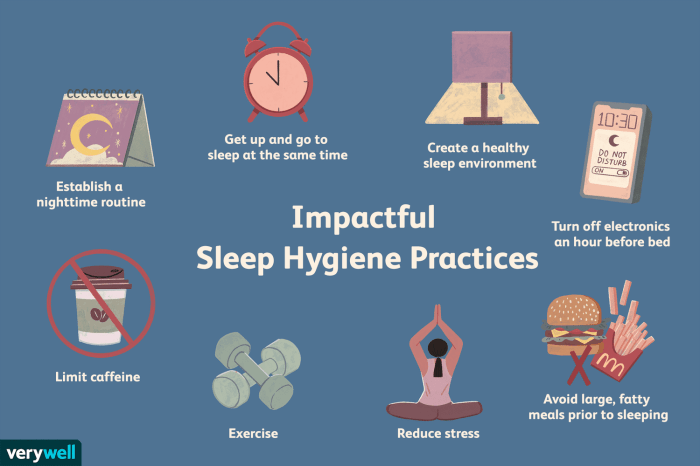
  • Get enough sleep:Traveling can be tiring, so it’s important to get enough sleep to help your body recover and adjust to new time zones. Try to create a relaxing bedtime routine and avoid screen time before bed.

Stress Management for Travelers

Travel, while exciting, can be a significant source of stress. The unfamiliar surroundings, navigating new cultures, and managing logistics can all contribute to feelings of anxiety and overwhelm. Understanding and managing these stressors is crucial for enjoying a healthy and fulfilling trip.

Effective Stress Management Techniques for Travelers

Stress management techniques are essential for travelers to maintain their well-being during their journeys. These techniques help individuals cope with travel-related stressors, promote relaxation, and enhance their overall travel experience.

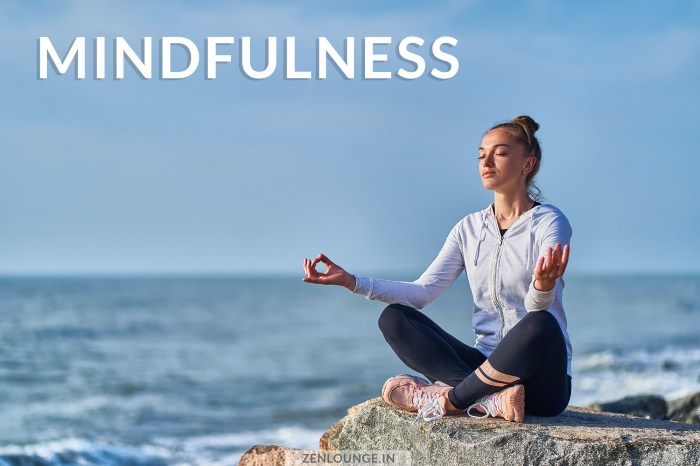
  • Mindfulness:Mindfulness involves paying attention to the present moment without judgment. It encourages travelers to focus on their senses, thoughts, and feelings, fostering a sense of awareness and acceptance. By practicing mindfulness, travelers can learn to detach from stressful thoughts and emotions, promoting a calmer state of mind.

  • Deep Breathing Exercises:Deep breathing exercises are a simple yet powerful stress management technique. By taking slow, deep breaths, travelers can activate the parasympathetic nervous system, which promotes relaxation and reduces stress hormones.
  • Progressive Muscle Relaxation:This technique involves tensing and relaxing different muscle groups in the body, starting from the toes and working up to the head. By systematically tensing and releasing muscles, travelers can alleviate physical tension and reduce overall stress levels.
  • Visualization:Visualization involves creating mental images of peaceful and relaxing scenes. By picturing serene landscapes, calming environments, or positive experiences, travelers can create a sense of tranquility and reduce stress.
  • Yoga and Tai Chi:These practices combine physical movement with mindfulness and breathing techniques, promoting relaxation, flexibility, and stress reduction. Engaging in yoga or Tai Chi during travel can help travelers manage stress and enhance their overall well-being.

Healthy Eating on the Go

Maintaining a healthy diet while traveling can be challenging, but it’s essential for staying energized and preventing health issues. With some planning and smart choices, you can enjoy delicious and nutritious meals and snacks even when you’re on the move.

Sample Meal Plan for a Week of Travel

A well-planned meal plan can help you stay on track with your healthy eating goals. Here’s a sample meal plan for a week of travel, featuring nutritious and convenient options:

Day 1

  • Breakfast: Oatmeal with berries and nuts
  • Lunch: Salad with grilled chicken or fish
  • Dinner: Veggie burger on a whole-wheat bun with a side salad

Day 2

  • Breakfast: Yogurt with granola and fruit
  • Lunch: Leftover veggie burger
  • Dinner: Soup and salad

Day 3

  • Breakfast: Smoothie with fruit, yogurt, and protein powder
  • Lunch: Sandwich on whole-wheat bread with lean protein and veggies
  • Dinner: Stir-fry with tofu or chicken and brown rice

Day 4

  • Breakfast: Hard-boiled eggs and fruit
  • Lunch: Leftover stir-fry
  • Dinner: Pizza with whole-wheat crust and plenty of vegetables

Day 5

  • Breakfast: Toast with avocado and a poached egg
  • Lunch: Salad with chickpeas and quinoa
  • Dinner: Grilled salmon with roasted vegetables

Day 6

  • Breakfast: Greek yogurt with berries and nuts
  • Lunch: Leftover salmon with roasted vegetables
  • Dinner: Pasta with marinara sauce and vegetables

Day 7

  • Breakfast: Pancakes with fruit and syrup
  • Lunch: Soup and salad
  • Dinner: Chicken stir-fry with brown rice

Tips for Choosing Healthy Meals and Snacks at Restaurants and Airports

When dining out, make smart choices that align with your healthy eating goals. Here are some tips:

  • Choose grilled or baked options over fried.Fried foods are often high in calories and unhealthy fats.
  • Ask for sauces and dressings on the side.This allows you to control the amount of added calories and sodium.
  • Order lean protein sources.Choose chicken, fish, tofu, or beans instead of red meat or processed meats.
  • Fill up on vegetables and whole grains.These foods are low in calories and high in nutrients.

  • Avoid sugary drinks.Opt for water, unsweetened tea, or sparkling water instead.
  • Be mindful of portion sizes.Restaurants often serve large portions, so consider sharing a meal or taking leftovers home.

Staying Hydrated and Avoiding Sugary Drinks, How to maintain a healthy lifestyle while traveling or on the go

Staying hydrated is crucial while traveling, especially when you’re on the go. Here’s why:

  • Dehydration can lead to fatigue, headaches, and constipation.
  • Staying hydrated helps regulate body temperature and prevents overheating.
  • Drinking plenty of water can help you feel fuller and prevent overeating.

Here are some tips for staying hydrated while traveling:

  • Carry a reusable water bottle with you and refill it throughout the day.
  • Order water or unsweetened tea when dining out.
  • Avoid sugary drinks like soda, juice, and energy drinks.These drinks are high in calories and can contribute to weight gain and other health problems.

Fitness Routine for Travelers

How to maintain a healthy lifestyle while traveling or on the go

Staying fit while traveling can be challenging, but it’s essential for maintaining your overall health and well-being. Even with limited space and time, you can still incorporate physical activity into your travel itinerary.

Sample Workout Routine

Here’s a sample workout routine that can be done in a hotel room or other limited space:

Warm-up

  • Jumping jacks (1 minute)
  • High knees (30 seconds)
  • Butt kicks (30 seconds)
  • Arm circles (30 seconds each direction)

Workout

  • Push-ups (10-15 reps)
  • Squats (15-20 reps)
  • Lunges (10-12 reps per leg)
  • Plank (30-60 seconds)
  • Crunches (15-20 reps)

Cool-down

  • Stretching (5 minutes)

Benefits of Incorporating Physical Activity

Incorporating physical activity into your travel itinerary offers numerous benefits:

  • Improved mood and reduced stress:Exercise releases endorphins, which have mood-boosting effects and help manage stress levels, particularly helpful during travel.
  • Increased energy levels:Regular exercise can improve your energy levels, allowing you to enjoy your travels more actively.
  • Better sleep quality:Exercise can promote better sleep, which is essential for recovery and overall well-being, especially when adjusting to new time zones.
  • Reduced risk of health problems:Physical activity helps maintain a healthy weight, lowers blood pressure, and reduces the risk of chronic diseases.

Finding Fitness Facilities or Outdoor Spaces

  • Hotel gyms:Many hotels offer fitness centers, often with basic equipment such as treadmills, ellipticals, and weights. Check with your hotel about their fitness facilities and hours of operation.
  • Local gyms:If your hotel doesn’t have a gym, you can look for local gyms that offer day passes or drop-in rates.
  • Outdoor spaces:Parks, trails, and beaches offer excellent opportunities for outdoor exercise. Take advantage of these spaces for walking, running, or yoga.
  • Online fitness resources:There are many online fitness resources, such as YouTube channels and fitness apps, that offer workout videos and routines that can be done in limited spaces.

Sleep Hygiene for Travelers

Maintaining a consistent sleep schedule is crucial for overall well-being, especially while traveling. Disruptions to your sleep patterns can lead to fatigue, impaired cognitive function, and a weakened immune system. By prioritizing sleep hygiene, you can minimize the negative impacts of travel and maintain your health and energy levels.

Creating a Relaxing Sleep Environment

Creating a calming and conducive sleep environment is essential for restful sleep, especially in unfamiliar surroundings.

  • Dim the Lights:Reduce the brightness of lights in your hotel room or travel accommodation. Use blackout curtains or eye masks to block out external light sources and create a more tranquil atmosphere.
  • Control the Temperature:Adjust the thermostat to a comfortable temperature, typically between 60-67 degrees Fahrenheit (15-19 degrees Celsius).
  • Minimize Noise:Use earplugs or a white noise machine to block out distracting sounds. Consider packing a travel pillow to support your neck and head, promoting comfort and relaxation.
  • Aromatherapy:Use essential oils like lavender or chamomile to create a calming atmosphere. A few drops of essential oil on a tissue or diffuser can promote relaxation and improve sleep quality.

Jet Lag and Strategies for Minimizing Its Effects

Jet lag is a temporary sleep disorder caused by the mismatch between your internal body clock and the time zone you’re traveling to. It can lead to fatigue, sleep disturbances, and difficulty concentrating.

  • Adjust Your Sleep Schedule Gradually:Before your trip, gradually adjust your sleep schedule to align with the time zone of your destination. This can help minimize the impact of jet lag.
  • Light Exposure:Expose yourself to sunlight upon arrival at your destination. Sunlight helps regulate your circadian rhythm and promotes sleepiness at night.
  • Avoid Alcohol and Caffeine:Alcohol and caffeine can interfere with sleep, especially when you’re trying to adjust to a new time zone. Limit your intake, particularly in the evening.
  • Consider Melatonin:Melatonin is a natural hormone that regulates sleep. Taking melatonin supplements can help synchronize your body clock with the new time zone. However, consult your doctor before taking any supplements.

Staying Healthy While Traveling

Traveling can be an exciting and enriching experience, but it can also expose you to new environments, germs, and potential health risks. Staying healthy while traveling is essential for enjoying your trip and preventing any unforeseen health complications.

Common Travel-Related Health Concerns and Preventative Measures

Understanding common travel-related health concerns and taking preventative measures can significantly reduce your risk of illness or injury.

  • Jet Lag:This is a common issue that can affect your sleep, energy levels, and overall well-being. To minimize jet lag, try to adjust your sleep schedule gradually in the days leading up to your trip, and avoid caffeine and alcohol before and during your flight.

    Once you arrive at your destination, try to get some sunlight and stick to a regular sleep schedule.

  • Food Poisoning:This is a risk when traveling to new destinations, especially in areas with different food hygiene standards. To reduce the risk of food poisoning, stick to reputable restaurants, avoid street food that appears unhygienic, and ensure that food is thoroughly cooked.

    Wash your hands frequently and stay hydrated.

  • Travelers’ Diarrhea:This is a common ailment caused by bacteria or viruses in contaminated food or water. It is important to drink bottled water, avoid ice, and be cautious about the hygiene of food vendors. Consider packing oral rehydration salts to help replenish fluids lost due to diarrhea.

  • Altitude Sickness:This can occur when traveling to high altitudes, where the air is thinner and contains less oxygen. To minimize altitude sickness, ascend gradually, stay hydrated, and avoid strenuous activity in the first few days. If you experience symptoms such as headache, nausea, or shortness of breath, seek medical attention.

  • Mosquito-borne Diseases:In tropical regions, mosquitoes can transmit diseases such as malaria, dengue fever, and Zika virus. Protect yourself by using insect repellent, wearing long clothing, and staying in screened accommodations. Consult with your doctor about necessary vaccinations and preventative medications.

Staying Healthy While Traveling to Different Climates or Regions

Different climates and regions pose unique health challenges. Here are some tips for staying healthy in various environments:

  • Tropical Climates:Stay hydrated, wear loose-fitting clothing, and use sunscreen with a high SPF to protect yourself from the sun. Be mindful of mosquito bites and take preventative measures to avoid mosquito-borne diseases.
  • Cold Climates:Dress in layers to adjust to fluctuating temperatures. Wear warm clothing, hats, and gloves to protect yourself from the cold. Stay hydrated and avoid excessive alcohol consumption, which can dehydrate you.
  • High Altitudes:Acclimatize gradually to high altitudes, stay hydrated, and avoid strenuous activity in the first few days. If you experience altitude sickness, seek medical attention.
  • Desert Regions:Protect yourself from the sun by wearing loose-fitting clothing, hats, and sunglasses. Stay hydrated by drinking plenty of water, and avoid strenuous activity during the hottest part of the day.

Travel Insurance and Vaccinations

Travel insurance and vaccinations are crucial for protecting your health and well-being while traveling.

  • Travel Insurance:This can cover unexpected medical expenses, travel disruptions, and lost luggage. It is especially important for travelers visiting countries with high medical costs or those engaging in risky activities. Before purchasing travel insurance, carefully review the coverage and exclusions.

  • Vaccinations:Depending on your destination, you may need vaccinations to protect yourself from diseases such as hepatitis A and B, typhoid fever, and yellow fever. Consult with your doctor at least six to eight weeks before your trip to determine which vaccinations are necessary.

Mental Clarity and Focus While Traveling

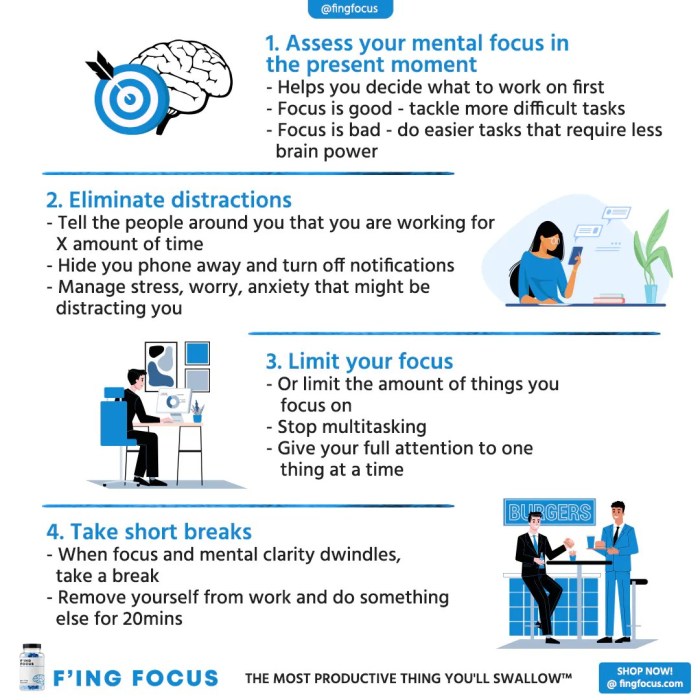
Travel, while exciting and enriching, can significantly impact mental clarity and focus. The constant change in environment, time zones, and routines can disrupt your usual thought patterns and make it difficult to concentrate. However, maintaining mental sharpness is crucial for enjoying your trip and making the most of your experiences.

Strategies for Maintaining Mental Clarity and Focus While Traveling

Maintaining mental clarity and focus while traveling requires proactive measures to combat the disruptions caused by travel.

  • Plan Ahead:Before your trip, create a detailed itinerary that includes time for rest, relaxation, and activities that help you unwind. This structured approach will minimize stress and allow you to focus on the present moment.
  • Prioritize Sleep:Adequate sleep is essential for cognitive function. Aim for at least 7-8 hours of sleep each night, especially during the first few days of your trip to adjust to the new time zone.
  • Stay Hydrated:Dehydration can lead to fatigue, headaches, and difficulty concentrating. Carry a reusable water bottle and drink plenty of water throughout the day.
  • Healthy Diet:Opt for nutrient-rich foods that provide sustained energy levels. Avoid processed foods, sugary drinks, and excessive caffeine, which can lead to energy crashes and impair cognitive function.
  • Limit Screen Time:Excessive screen time can contribute to eye strain, headaches, and difficulty sleeping. Allocate specific time slots for work or entertainment, and take regular breaks to rest your eyes.
  • Engage in Physical Activity:Exercise releases endorphins that improve mood and focus. Even a short walk or light workout can boost your mental clarity and energy levels.

Benefits of Mindfulness and Meditation for Travelers

Mindfulness and meditation techniques are powerful tools for enhancing mental clarity and focus, particularly when navigating the challenges of travel.

  • Stress Reduction:Mindfulness and meditation help calm the mind and reduce stress levels, which can significantly improve concentration and decision-making abilities.
  • Increased Awareness:These practices cultivate present-moment awareness, allowing you to appreciate your surroundings and engage more fully in your travel experiences.
  • Improved Emotional Regulation:Mindfulness helps you manage difficult emotions and reactions, such as frustration or anxiety, which can arise during travel.
  • Enhanced Cognitive Function:Studies have shown that regular mindfulness practice can improve attention, memory, and cognitive flexibility, making it easier to navigate unfamiliar environments and process new information.

Emotional Wellbeing During Travel

Traveling, while exciting, can also be emotionally demanding. The constant change of environment, new experiences, and potential for unexpected situations can put a strain on your emotional well-being. Maintaining a positive emotional state is crucial for enjoying your trip and making the most of your time away.

Managing Stress and Anxiety

Travel often involves navigating unfamiliar situations, dealing with logistical challenges, and adjusting to new time zones. These factors can contribute to stress and anxiety. Here are some strategies for managing these emotions:

  • Practice mindfulness and relaxation techniques: Engaging in activities like deep breathing exercises, meditation, or yoga can help calm your nerves and reduce stress.
  • Plan ahead and be prepared: Having a well-organized itinerary and packing essentials can minimize the chances of unexpected issues and reduce anxiety.
  • Embrace flexibility: Travel plans can change unexpectedly.

    Being adaptable and accepting of changes can help you navigate challenges with grace and minimize stress.

  • Seek out support: If you’re feeling overwhelmed, don’t hesitate to reach out to a travel companion, family member, or a trusted friend for support.

Combatting Loneliness

Traveling solo or away from loved ones can sometimes lead to feelings of loneliness. To combat this:

  • Connect with fellow travelers: Engage in conversations with people you meet during your travels, join group tours, or participate in local activities.
  • Stay connected with loved ones: Regularly call, video chat, or message friends and family back home. Sharing your experiences and connecting with loved ones can help alleviate feelings of isolation.

  • Explore local communities: Immerse yourself in the local culture by attending community events, interacting with locals, or participating in volunteer opportunities.

Maintaining a Positive Mindset

Staying positive during your travels is crucial for a fulfilling experience. Here are some tips:

  • Focus on the positive: Pay attention to the enjoyable aspects of your trip, such as beautiful scenery, delicious food, or interesting encounters.
  • Practice gratitude: Take time to appreciate the things you have and the experiences you’re having.
  • Set realistic expectations: Don’t expect everything to be perfect.

    Accept that challenges and inconveniences are part of the travel experience.

  • Celebrate small victories: Acknowledge and celebrate even small achievements, such as successfully navigating public transportation or finding a delicious local restaurant.

Healthy Aging and Travel

Traveling is an enriching experience at any age, but as we age, maintaining a healthy lifestyle while on the go can become more challenging. Physical limitations, changes in energy levels, and potential health concerns may require adjustments to travel plans and activities.

Adapting Travel Plans for Seniors

Travel plans can be adapted to accommodate age-related changes. For instance, consider choosing destinations with easy accessibility, such as hotels with elevators and wheelchair ramps, or destinations with a slower pace. Prioritize activities that align with physical capabilities, opting for walking tours over strenuous hikes or choosing comfortable transportation options over long drives.

Travel Tips for Seniors

  • Pack light:Minimize luggage weight to avoid strain on your back and joints.
  • Take breaks:Schedule regular breaks throughout the day to rest and recharge.
  • Stay hydrated:Carry a reusable water bottle and drink plenty of fluids, especially in hot climates.
  • Choose comfortable shoes:Invest in supportive and comfortable footwear that can handle extended periods of walking.
  • Plan for accessibility:Research accommodations and destinations for wheelchair accessibility or other assistive devices.

Active Lifestyle and Travel

Traveling can be a wonderful opportunity to explore new places and cultures, but it can also be a time when healthy habits fall by the wayside. Incorporating physical activity into your travel plans can help you stay active, manage stress, and enjoy your trip even more.Active travel can benefit your physical and mental well-being in numerous ways.

Regular physical activity can help reduce the risk of chronic diseases, improve sleep quality, boost mood, and enhance energy levels. It can also be a fantastic way to explore destinations in a more immersive and authentic way.

Finding Opportunities for Active Travel

Finding opportunities for active travel is easier than you might think. Here are a few ideas:

  • Hiking:Many destinations offer breathtaking hiking trails, ranging from easy strolls to challenging climbs. Check out local tourism websites or apps like AllTrails to discover trails in your area.
  • Cycling:Cycling is a great way to explore cities and towns at your own pace. Rent a bike and discover hidden gems, local markets, and charming streets.
  • Walking Tours:Walking tours are a fun and informative way to learn about a destination’s history, culture, and architecture. Many cities offer free or guided walking tours.
  • Water Sports:If you’re near a beach or lake, consider trying water sports like swimming, kayaking, or stand-up paddleboarding.
  • Yoga or Fitness Classes:Many hotels and resorts offer yoga or fitness classes, allowing you to maintain your routine while traveling.

Resources for Active Travelers

There are many resources available to help you plan active trips:

  • Travel Websites and Apps:Websites like Lonely Planet and Travel + Leisure offer articles and tips for active travelers. Apps like AllTrails, Strava, and MapMyRun can help you find trails, track your progress, and connect with other active travelers.
  • Local Tourism Offices:Local tourism offices can provide information about hiking trails, cycling routes, and other active activities in the area.
  • Active Travel Agencies:Some travel agencies specialize in planning active vacations, offering packages that include hiking, cycling, and other outdoor activities.

Cardiovascular Health While Traveling: How To Maintain A Healthy Lifestyle While Traveling Or On The Go

Traveling can be an exciting and enriching experience, but it can also put a strain on your cardiovascular health. Long flights, unfamiliar environments, and changes in routine can all contribute to stress and inactivity, which can negatively impact your heart health.

Maintaining Cardiovascular Health During Travel

Maintaining a healthy heart during travel is essential for enjoying your trip and returning home feeling refreshed. Here are some tips to keep your heart healthy on the go:

  • Stay Active:Even when you’re on the road, it’s important to stay active. Take breaks during long car rides or flights to stretch your legs and walk around. Try to incorporate short bursts of exercise into your travel routine, such as walking, jogging, or swimming.

  • Manage Stress:Travel can be stressful, especially when dealing with unfamiliar situations or navigating new places. Practice relaxation techniques like deep breathing or meditation to help manage stress and keep your heart rate in check.
  • Eat a Healthy Diet:Traveling doesn’t have to mean abandoning your healthy eating habits. Pack your own snacks and meals to avoid relying on unhealthy options at airports or restaurants. Choose fruits, vegetables, lean protein, and whole grains whenever possible.
  • Get Enough Sleep:Lack of sleep can contribute to high blood pressure and other cardiovascular problems. Try to stick to your regular sleep schedule as much as possible, even when traveling to different time zones.
  • Stay Hydrated:Dehydration can increase your risk of blood clots, so it’s important to drink plenty of water throughout your trip. Avoid sugary drinks, which can dehydrate you further.
  • Monitor Your Medications:If you take medications for heart health, make sure to pack enough for your trip and keep them in a safe, accessible place.

Healthy Eating Habits for Travelers

Eating healthy while traveling can be challenging, but it’s not impossible. Here are some tips to keep your diet on track:

  • Pack Snacks:Bring your own healthy snacks, such as fruits, vegetables, nuts, and seeds, to avoid unhealthy temptations at airports or rest stops.
  • Choose Wisely at Restaurants:When dining out, opt for grilled or baked dishes over fried options. Choose lean proteins, whole grains, and plenty of fruits and vegetables.
  • Limit Processed Foods:Processed foods are often high in sodium, sugar, and unhealthy fats. Try to limit your intake of these foods while traveling.
  • Stay Hydrated:Drink plenty of water throughout your trip. Avoid sugary drinks, which can dehydrate you and contribute to weight gain.

Healthy Recipes for Travelers

Maintaining a healthy diet while traveling can be a challenge, but it’s definitely achievable with a little planning and creativity. By choosing nutritious ingredients and preparing meals in advance, you can ensure that you’re getting the nutrients you need to stay energized and healthy on the go.

Easy-to-Prepare and Packable Recipes

Here are some easy-to-prepare and packable recipes that are perfect for travelers:

  • Overnight Oats:Combine rolled oats, milk (dairy or non-dairy), yogurt, and your favorite toppings (fruits, nuts, seeds) in a jar or container. Refrigerate overnight and enjoy for a quick and filling breakfast. This recipe is versatile and can be customized with different flavors and ingredients.

    For example, you can add chia seeds for extra fiber, honey or maple syrup for sweetness, and protein powder for a boost of protein.

  • Hard-Boiled Eggs:Hard-boiled eggs are a convenient and protein-rich snack or meal option. They can be easily packed and enjoyed on the go. For extra flavor, try adding a sprinkle of salt and pepper or a dollop of mustard.
  • Trail Mix:Trail mix is a great snack for travelers, providing a mix of carbohydrates, protein, and healthy fats. Combine nuts, seeds, dried fruits, and chocolate chips for a tasty and energy-boosting treat. This recipe can be customized to your preferences, and you can also add other ingredients like pretzels or granola for extra crunch.

  • Tuna Salad Sandwiches:Tuna salad sandwiches are a simple and satisfying meal option. Combine canned tuna, mayonnaise, celery, onion, and your favorite seasonings. Pack the salad in a container and enjoy with whole-wheat bread or crackers.
  • Fruit and Veggie Skewers:Fruit and veggie skewers are a healthy and refreshing snack or meal option. Combine your favorite fruits and vegetables, such as strawberries, grapes, cucumbers, and bell peppers, and thread them onto skewers. These skewers are perfect for picnics or beach days.

Tips for Finding Healthy Ingredients and Cooking Facilities While on the Go

Finding healthy ingredients and cooking facilities while traveling can be challenging, but it’s not impossible. Here are some tips:

  • Grocery Stores:Most cities and towns have grocery stores where you can find fresh produce, meats, and other healthy ingredients. Look for stores that offer organic or locally sourced options.
  • Farmers Markets:Farmers markets are a great way to find fresh, seasonal produce directly from local farmers. You can often find unique and delicious ingredients that you wouldn’t find in grocery stores.
  • Hotel Kitchens:Many hotels offer kitchens or kitchenettes in their rooms. If your hotel doesn’t have a kitchen, you can ask about nearby restaurants that offer takeout or delivery.
  • Airbnb Kitchens:If you’re staying in an Airbnb, you’ll likely have access to a kitchen. This is a great option for preparing your own meals and snacks.
  • Portable Cooking Devices:Consider investing in a portable cooking device, such as a slow cooker or a rice cooker. These devices can make it easier to prepare meals while on the go.

Importance of Meal Planning and Portion Control for Travelers

Meal planning and portion control are essential for maintaining a healthy lifestyle while traveling. By planning your meals in advance, you can ensure that you’re eating nutritious and balanced meals. Portion control helps you avoid overeating and consuming too many calories.

Here are some tips:

  • Plan Your Meals:Before you travel, take some time to plan your meals for each day. This will help you stay on track with your healthy eating goals.
  • Pack Snacks:Pack healthy snacks, such as fruits, vegetables, nuts, and seeds, to avoid unhealthy cravings and impulse purchases.
  • Use Smaller Plates:Using smaller plates can help you control your portion sizes and prevent overeating.
  • Eat Slowly:Eating slowly allows your body time to signal that it’s full, which can help you avoid overeating.
  • Stay Hydrated:Drinking plenty of water can help you feel full and satisfied, which can be helpful for portion control.

Mental Resilience for Travelers

Travel, while exciting, can often be unpredictable. Unexpected situations can arise, testing your ability to stay calm, adaptable, and positive. Mental resilience, the ability to bounce back from challenges and maintain a positive outlook, is a valuable asset for any traveler.

Strategies for Coping with Unexpected Challenges

Developing strategies to handle unexpected situations is crucial for maintaining mental resilience while traveling. Here are some tips:

  • Expect the Unexpected: Acknowledge that travel rarely goes exactly as planned. Flexibility and a willingness to adapt are essential for a positive travel experience.
  • Embrace Problem-Solving: View unexpected challenges as opportunities for growth and learning. Instead of dwelling on frustrations, focus on finding solutions.
  • Practice Mindfulness: Mindfulness techniques, such as deep breathing or meditation, can help you stay grounded and manage stress during challenging situations.
  • Seek Support: Don’t hesitate to reach out for help if needed. This could involve contacting your travel insurance, seeking assistance from local authorities, or connecting with fellow travelers.

Maintaining a Positive Attitude

A positive attitude can make a world of difference in your travel experience. Here are some strategies to help you stay optimistic:

  • Focus on the Positives: Make a conscious effort to appreciate the good aspects of your journey. This could include enjoying the scenery, savoring delicious meals, or connecting with friendly locals.
  • Practice Gratitude: Take time to reflect on the things you’re grateful for, both big and small. This can help shift your focus to the positive aspects of your travel experience.
  • Set Realistic Expectations: Avoid setting unrealistic expectations that can lead to disappointment. Accept that travel can be unpredictable and embrace the unexpected.

Adapting to New Environments

Adapting to new environments is a key aspect of mental resilience while traveling. Here are some tips for navigating cultural differences and unfamiliar surroundings:

  • Be Open-Minded: Approach new experiences with curiosity and a willingness to learn. Be open to different customs, traditions, and ways of life.
  • Respect Local Culture: Take the time to understand and respect local customs and traditions. This can help you avoid misunderstandings and foster positive interactions.
  • Learn Basic Phrases: Even a few basic phrases in the local language can go a long way in making you feel more comfortable and connected to your surroundings.

Immune Support for Travelers

Traveling exposes you to new environments, germs, and potential stressors, making it crucial to support your immune system. A strong immune system is your body’s natural defense against illness, and taking proactive steps to bolster it can help you stay healthy and enjoy your trip to the fullest.

Healthy Eating for Immune Support

A balanced diet rich in essential nutrients is fundamental for a robust immune system. Consuming plenty of fruits, vegetables, and whole grains provides your body with vitamins, minerals, and antioxidants that help fight off infections.

  • Fruits and Vegetables:Load up on colorful fruits and vegetables like berries, citrus fruits, leafy greens, and broccoli, which are packed with vitamins C, A, and E, crucial for immune function.
  • Whole Grains:Opt for whole grains like brown rice, quinoa, and oats, which are good sources of fiber and B vitamins, essential for energy production and cell growth.
  • Lean Protein:Include lean protein sources like fish, chicken, beans, and lentils in your diet, as they provide essential amino acids for immune cell production and repair.
  • Probiotics:Fermented foods like yogurt, kefir, sauerkraut, and kimchi contain probiotics, beneficial bacteria that support gut health and immune function.

Sleep Hygiene for Immune Support

Getting enough sleep is essential for immune function. When you sleep, your body produces cytokines, proteins that help regulate inflammation and immune responses.

  • Aim for 7-9 hours of sleep:This allows your body to repair and rejuvenate, strengthening your immune system.
  • Establish a consistent sleep schedule:Go to bed and wake up around the same time each day, even on weekends, to regulate your body’s natural sleep-wake cycle.
  • Create a relaxing bedtime routine:Wind down an hour or two before bed by taking a warm bath, reading a book, or listening to calming music.
  • Optimize your sleep environment:Make sure your bedroom is dark, quiet, and cool for optimal sleep.

Stress Management for Immune Support

Chronic stress can weaken your immune system, making you more susceptible to illness. Managing stress is crucial for maintaining a strong immune defense.

  • Practice relaxation techniques:Engage in activities that help you de-stress, such as yoga, meditation, deep breathing exercises, or spending time in nature.
  • Limit caffeine and alcohol:These substances can disrupt sleep and increase stress levels.
  • Stay connected:Spend time with loved ones and engage in social activities to combat feelings of loneliness and isolation.
  • Seek professional help:If you’re struggling with stress, consider seeking professional guidance from a therapist or counselor.

Stress Relief for Travelers

Travel can be a wonderful experience, but it can also be a source of stress. Navigating unfamiliar environments, dealing with delays, and managing logistics can all take a toll on your mental well-being. However, by incorporating stress management techniques into your travel routine, you can enhance your enjoyment and ensure a more relaxed and fulfilling journey.

Effective Stress Management Techniques

Stress management techniques can help you stay calm and centered while traveling. These techniques can help you cope with the challenges of travel and prevent stress from escalating.

  • Mindfulness Meditation: Mindfulness meditation involves focusing on the present moment without judgment. By paying attention to your breath, bodily sensations, and thoughts, you can cultivate a sense of calm and awareness. A few minutes of mindfulness meditation each day can help you reduce stress and improve your overall well-being.

  • Deep Breathing Exercises: Deep breathing exercises are a simple yet effective way to reduce stress. By taking slow, deep breaths, you can calm your nervous system and promote relaxation. Try practicing diaphragmatic breathing, which involves inhaling deeply into your abdomen, holding your breath for a few seconds, and then exhaling slowly.

  • Progressive Muscle Relaxation: Progressive muscle relaxation involves tensing and relaxing different muscle groups in your body. This technique can help you release tension and promote relaxation. Start by tensing the muscles in your feet for a few seconds, then release the tension.

    Continue this process, moving up your body, tensing and relaxing each muscle group.

  • Visualization: Visualization is a powerful technique that involves creating mental images of peaceful and relaxing scenes. Close your eyes and imagine yourself in a serene setting, such as a beach or a forest. Focus on the sights, sounds, and feelings associated with this place, allowing yourself to feel calm and relaxed.

Nutritional Balance for Travelers

Maintaining a balanced diet while traveling is crucial for maintaining energy levels, supporting your immune system, and preventing nutrient deficiencies. The constant change in routines, time zones, and access to food can easily disrupt your usual eating habits. However, by making mindful choices and planning ahead, you can ensure that your body receives the essential nutrients it needs to thrive on the go.

Tips for Maintaining a Balanced Diet While Traveling

Here are some practical tips for choosing nutrient-rich foods and avoiding processed or unhealthy options:

  • Pack Your Own Snacks:Bring along healthy snacks like nuts, seeds, dried fruit, granola bars, or hard-boiled eggs to avoid relying solely on convenience store options. This helps you control portions and ensure you have healthy choices readily available.
  • Choose Fresh Produce:Prioritize fruits and vegetables whenever possible. Look for local markets, grocery stores, or restaurants that offer fresh produce. Fruits and vegetables are packed with vitamins, minerals, and antioxidants that are essential for overall health and well-being.
  • Hydrate Consistently:Staying hydrated is crucial, especially during travel. Carry a reusable water bottle and refill it frequently. Water helps regulate body temperature, flushes out toxins, and keeps you energized.
  • Limit Processed Foods:Processed foods are often high in unhealthy fats, sugar, and sodium. Opt for whole, unprocessed foods like fruits, vegetables, lean protein, and whole grains. These provide your body with essential nutrients and help you feel fuller for longer.

  • Prioritize Protein:Protein is essential for building and repairing tissues, maintaining muscle mass, and regulating blood sugar levels. Include protein sources in your meals and snacks, such as lean meats, fish, beans, lentils, tofu, or Greek yogurt.
  • Eat Regularly:Skipping meals can lead to overeating later, which can disrupt your blood sugar levels and lead to fatigue. Aim to eat small, balanced meals throughout the day to maintain stable energy levels.
  • Listen to Your Body:Pay attention to your hunger and fullness cues. Don’t force yourself to eat if you’re not hungry, and stop eating when you’re satisfied.

Epilogue

Maintaining a healthy lifestyle while traveling is achievable with a little planning and effort. By embracing the tips and strategies discussed in this guide, you can navigate the challenges of travel with confidence, ensuring that your adventures are not only enjoyable but also conducive to your overall health and well-being.

Remember, a healthy body and mind are essential for maximizing your travel experiences and creating lasting memories.

Clarifying Questions

What are some healthy snack options for travel?

Pack nutrient-rich snacks like trail mix, fruit, vegetables, hard-boiled eggs, and whole-grain crackers to avoid unhealthy temptations at airports or on the road.

How can I stay active while traveling?

Take advantage of hotel fitness centers, explore cities on foot, go for walks or jogs in parks, and consider joining local fitness classes or guided tours that involve physical activity.

What are some tips for managing jet lag?

Adjust your sleep schedule gradually before your trip, expose yourself to sunlight upon arrival, and avoid caffeine and alcohol before bedtime.

What are some healthy eating habits for travelers?

Choose lean proteins, whole grains, fruits, and vegetables. Stay hydrated by drinking plenty of water, and avoid sugary drinks.


Hydration Tips for Travelers: Stay Hydrated and Healthy on the Go

Hydration tips for travelers

Hydration Importance

Hydration tips for travelers
Staying hydrated while traveling is crucial for overall health and well-being. Dehydration can have serious consequences, especially when on the move and exposed to different climates and activities. Proper hydration is key to ensuring a safe and enjoyable travel experience.

Effects of Dehydration

  • Increased fatigue and drowsiness
  • Dizziness and lightheadedness
  • Headaches and migraines
  • Impaired cognitive function

Benefits of Proper Hydration for Travelers

  • Improved energy levels for exploring new destinations
  • Enhanced focus and alertness during travel activities
  • Regulation of body temperature in varying climates
  • Boosted immune system to prevent illnesses while on the go

Hydration Tips

Staying hydrated while traveling is essential to ensure you feel your best and stay healthy throughout your journey. Here are some tips to help you maintain proper hydration levels on the go.

Types of Fluids for Hydration, Hydration tips for travelers

When it comes to staying hydrated during travel, water is always the best choice. However, other fluids such as coconut water, sports drinks, and herbal teas can also help replenish electrolytes lost during travel. Avoid sugary drinks and excessive caffeine, as they can dehydrate you.

Strategies for Adequate Water Intake

– Carry a reusable water bottle with you and refill it whenever possible.
– Set reminders on your phone to drink water regularly, especially during long flights or road trips.
– Opt for water-rich foods like fruits and veggies to supplement your hydration.
– Avoid excessive alcohol consumption, as it can dehydrate you even further.

Remember, staying hydrated is key to feeling your best while traveling. Keep these tips in mind to ensure you stay healthy and energized throughout your journey.

Stress Management: Hydration Tips For Travelers

Hydration tips for travelers – Staying hydrated is not only crucial for physical health but also plays a significant role in managing stress, especially during travel.

Dehydration can lead to increased stress levels, as the body may struggle to function optimally when lacking proper hydration. This can result in feelings of fatigue, irritability, and overall decreased well-being.

Techniques for Managing Stress while Traveling

  • Stay Hydrated: Make sure to drink plenty of water throughout the day to keep your body functioning at its best and help alleviate stress.
  • Practice Deep Breathing: Take a few minutes to focus on deep breathing exercises to calm your mind and reduce stress levels.
  • Get Moving: Engage in light physical activity like stretching or taking a short walk to release tension and boost your mood.
  • Listen to Music: Create a playlist of calming music to listen to while on the road to help relax and unwind.
  • Practice Mindfulness: Stay present in the moment and practice mindfulness techniques to reduce anxiety and stress.

Healthy Lifestyle

Staying hydrated is a crucial component of maintaining a healthy lifestyle, especially for travelers who are constantly on the go. Proper hydration not only helps to prevent dehydration but also supports overall well-being and enhances the travel experience.

Benefits of Hydration for Travelers

Hydration plays a vital role in ensuring that travelers stay healthy and energized throughout their journey. Here are some key benefits of staying hydrated while traveling:

  • Boosts Energy Levels: Drinking an adequate amount of water helps to combat fatigue and keep travelers feeling refreshed and alert.
  • Supports Immune Function: Hydration is essential for maintaining a strong immune system, which is particularly important when exposed to new environments.
  • Improves Digestion: Drinking enough water can aid in digestion and prevent common gastrointestinal issues that may arise during travel.
  • Enhances Skin Health: Proper hydration contributes to healthy skin, helping travelers maintain a radiant and glowing complexion.

Incorporating Hydration into a Healthy Travel Routine

Here are some practical tips for travelers to ensure they stay hydrated and maintain a healthy lifestyle while on the move:

  • Carry a Reusable Water Bottle: Investing in a reusable water bottle makes it easy to have access to water at all times, whether exploring a new city or waiting at the airport.
  • Set Reminders: Use alarms or smartphone apps to remind yourself to drink water regularly throughout the day, especially in busy or distracting environments.
  • Opt for Water-Rich Foods: Incorporate fruits and vegetables with high water content, such as watermelon, cucumbers, and oranges, into your meals and snacks.
  • Avoid Excessive Caffeine and Alcohol: While it may be tempting to indulge in coffee or cocktails while traveling, these beverages can contribute to dehydration, so consume them in moderation.
  • Monitor Urine Color: Pay attention to the color of your urine as a simple indicator of hydration levels. Aim for pale yellow to clear urine, which signifies proper hydration.

Medical Innovations

Medical innovations have played a crucial role in improving hydration solutions for travelers. These advancements have led to the development of technologies and products that enhance hydration practices during travel, ensuring better health and well-being for individuals on the go.

Smart Water Bottles

Smart water bottles are a prime example of medical innovations that have revolutionized hydration for travelers. These bottles are equipped with technology that tracks water intake, reminds users to drink water regularly, and even calculates the ideal hydration levels based on individual needs.

IV Hydration Therapy

IV hydration therapy has gained popularity among travelers seeking quick and effective hydration solutions. This medical innovation involves administering fluids, electrolytes, and vitamins directly into the bloodstream, providing rapid hydration and replenishment for individuals suffering from dehydration or jet lag.

Hydration Monitoring Wearables

Hydration monitoring wearables, such as smart watches and fitness trackers, have been developed to track hydration levels in real-time. These devices can provide valuable insights into a traveler’s hydration status, prompting them to drink more water and stay adequately hydrated throughout their journey.

Nutritional Supplements

Nutritional supplements play a crucial role in maintaining hydration levels while traveling. These supplements can help travelers stay hydrated and energized, especially during long journeys or in hot climates. By incorporating the right supplements into your travel diet, you can ensure optimal hydration and overall well-being.

Supplements for Hydration

  • Electrolyte Tablets: These tablets contain essential minerals like sodium, potassium, and magnesium, which are lost through sweat during travel. Adding electrolyte tablets to your water can help replenish these electrolytes and maintain proper hydration levels.
  • Hydration Powders: Hydration powders are convenient packets that can be easily added to water bottles. They often contain a mix of electrolytes and vitamins to support hydration and overall health while on the go.
  • Coconut Water: Natural coconut water is a great source of electrolytes, particularly potassium. It can be a refreshing and hydrating alternative to sugary drinks or sports beverages.

Tips for Incorporating Nutritional Supplements

  • Plan Ahead: Pack your nutritional supplements in travel-friendly containers or packets to ensure you have them readily available during your journey.
  • Stay Consistent: Make it a habit to include your supplements in your daily travel diet to maintain hydration and energy levels throughout your trip.
  • Consult a Healthcare Professional: If you have specific dietary needs or medical conditions, consult with a healthcare professional to determine the best supplements for your travel hydration needs.

Fitness Routine

Staying hydrated is crucial for travelers who want to maintain a consistent fitness routine while on the go. Proper hydration plays a key role in optimizing physical performance and ensuring that the body functions at its best during workouts.

Importance of Hydration in Fitness

Hydration is essential for supporting muscle function, joint lubrication, and temperature regulation during exercise. Without an adequate intake of fluids, travelers may experience fatigue, cramps, and decreased endurance, ultimately hindering their fitness progress.

  • Drink water consistently throughout the day to stay hydrated, especially before and after workouts.
  • Consider carrying a reusable water bottle to have easy access to water while traveling.
  • Monitor your urine color to ensure proper hydration levels – aim for a pale yellow color.
  • Avoid excessive consumption of caffeine and alcohol, as they can contribute to dehydration.

Health Screenings

Health screenings are essential for travelers to ensure their well-being while on the go. Hydration plays a crucial role in the accuracy and effectiveness of these screenings, impacting the results obtained.

Importance of Hydration in Health Screenings

Optimal hydration levels are necessary for accurate health screenings during travel. Dehydration can lead to false readings and misinterpretation of results, affecting the overall assessment of an individual’s health.

Impact of Hydration Levels on Screening Results

  • Dehydration can lead to concentrated blood samples, affecting blood test results and potentially indicating false abnormalities.
  • Urinalysis results may be skewed due to dehydration, providing inaccurate information about kidney function and overall hydration status.
  • Hydration levels can influence blood pressure readings, with dehydration potentially causing a temporary spike in readings.

Tips for Maintaining Optimal Hydration Before Health Screenings

  • Drink plenty of water leading up to the health screening to ensure proper hydration levels.
  • Avoid excessive caffeine and alcohol consumption, as these can contribute to dehydration.
  • Include hydrating foods in your diet, such as fruits and vegetables with high water content.
  • Carry a reusable water bottle with you while traveling to stay hydrated throughout the day.

Disease Prevention

Proper hydration plays a crucial role in disease prevention, especially for travelers who may be exposed to different environments and potential health risks during their journeys. By maintaining adequate hydration levels, travelers can boost their immune system and reduce the risk of falling ill while away from home.

Hydration and Immune System Boost

  • Hydration helps in flushing out toxins and waste products from the body, allowing the immune system to function optimally.
  • Dehydration can weaken the immune system, making travelers more susceptible to infections and illnesses.
  • Drinking enough water and fluids can help in the production of lymph, a crucial component of the immune system that helps in fighting off pathogens.

Tips for Reducing Illness Risk

  • Carry a reusable water bottle and make a conscious effort to drink water regularly, especially in hot or dry climates.
  • Avoid excessive consumption of caffeine or alcohol, as they can contribute to dehydration.
  • Include hydrating foods in your diet, such as fruits and vegetables with high water content.
  • Consider using oral rehydration solutions or electrolyte drinks to replenish lost fluids, especially after long flights or strenuous activities.

Sleep Hygiene

Maintaining good sleep hygiene is essential for travelers to ensure they get adequate rest while on the road. One important factor that can impact sleep quality is hydration. Let’s explore the connection between hydration and sleep hygiene for travelers.

Hydration and Sleep Quality

Staying hydrated plays a crucial role in improving sleep quality during travel. Dehydration can lead to discomfort, restlessness, and even sleep disturbances. By ensuring proper hydration, travelers can promote better sleep patterns and overall well-being.

  • Drink plenty of water throughout the day to stay hydrated.
  • Avoid excessive caffeine and alcohol consumption, as they can dehydrate the body.
  • Consider carrying a reusable water bottle to have easy access to water during travel.
  • Monitor your urine color as a simple indicator of hydration levels.

Tips for Good Sleep Hygiene Through Hydration Practices

Maintaining good sleep hygiene through hydration practices while on the road is crucial for travelers to feel well-rested and rejuvenated. Here are some tips to help you achieve that:

  1. Avoid consuming large amounts of fluids close to bedtime to prevent frequent trips to the bathroom during the night.
  2. Create a bedtime routine that includes drinking a glass of water to stay hydrated before sleep.
  3. Opt for hydrating snacks like fruits and vegetables to supplement your fluid intake.
  4. Use a humidifier in your hotel room to maintain optimal hydration levels in the air.

Mental Clarity

Maintaining mental clarity is crucial for travelers to stay focused and alert during their journeys. Proper hydration plays a key role in enhancing cognitive function and ensuring mental sharpness while on the go.

Impact of Hydration on Mental Clarity

Staying hydrated is essential for optimal brain function, as even mild dehydration can impair concentration, memory, and decision-making abilities. Dehydration can lead to feelings of fatigue, confusion, and brain fog, making it challenging to stay mentally sharp during travel.

  • Hydration stimulates the flow of oxygen and nutrients to the brain, promoting mental alertness and clarity.
  • Drinking enough water helps regulate neurotransmitter function, which is essential for cognitive processes such as learning and problem-solving.
  • Proper hydration supports the removal of toxins and waste products from the brain, improving overall cognitive function.

Cognitive Benefits of Proper Hydration

Ensuring adequate hydration levels while traveling can result in numerous cognitive benefits, including improved focus, memory retention, and overall mental performance. By staying properly hydrated, travelers can enhance their ability to process information, make quick decisions, and adapt to new environments effectively.

  • Hydration boosts energy levels, helping travelers stay alert and attentive throughout their journeys.
  • Proper fluid intake promotes a positive mood and reduces feelings of stress or anxiety that can hinder mental clarity.
  • Hydration supports neuroplasticity, the brain’s ability to reorganize and adapt, enhancing cognitive flexibility and problem-solving skills.

Enhancing Mental Clarity Through Hydration Strategies

To optimize mental clarity while traveling, consider implementing the following hydration strategies:

  • Carry a reusable water bottle and refill it regularly to ensure constant access to hydration.
  • Set reminders or alarms on your phone to prompt you to drink water at regular intervals throughout the day.
  • Avoid excessive consumption of caffeinated or alcoholic beverages, as they can contribute to dehydration and impair cognitive function.
  • Incorporate hydrating foods such as fruits, vegetables, and soups into your travel diet to supplement your fluid intake.
  • Monitor your urine color as a simple indicator of hydration status – aim for pale yellow to clear urine to ensure adequate hydration.

FAQs

How often should I drink water while traveling?

It’s recommended to drink water every 1-2 hours to stay adequately hydrated, especially during long journeys.

Are sports drinks better than water for hydration during travel?

Sports drinks can be beneficial for replenishing electrolytes, but water is generally the best choice for hydration.

Can I drink coffee or alcohol while traveling without affecting my hydration levels?

Caffeinated and alcoholic beverages can contribute to dehydration, so it’s important to balance them with water intake.

How can I ensure I’m getting enough water intake while on a plane?

Bring a refillable water bottle and ask for water from the flight attendants to ensure you stay hydrated throughout the flight.

Hydration tips for breastfeeding mothers: Stay nourished and hydrated for optimal health

Hydration tips for breastfeeding mothers

Hydration Importance: Hydration Tips For Breastfeeding Mothers

Hydration tips for breastfeeding mothers – Hydration plays a crucial role in the overall health and well-being of breastfeeding mothers. Staying hydrated is essential for maintaining optimal milk production and ensuring the health of both the mother and the baby.

Impact on Milk Production

  • Proper hydration is directly linked to milk production. Dehydration can lead to a decrease in milk supply, making it important for breastfeeding mothers to drink an adequate amount of fluids throughout the day.
  • When a mother is well-hydrated, her body is better equipped to produce the necessary amount of breast milk to meet the baby’s needs. Dehydration, on the other hand, can hinder milk flow and result in insufficient milk production.

Role in Overall Health

  • Staying hydrated is not only important for milk production but also for the mother’s overall health during breastfeeding. Proper hydration helps in regulating body temperature, aiding digestion, and flushing out toxins from the body.
  • Dehydration can lead to fatigue, headaches, and dizziness, affecting the mother’s ability to care for her baby effectively. It is crucial for breastfeeding mothers to prioritize their hydration to maintain their well-being.

Tips for Staying Hydrated

Breastfeeding mothers require extra hydration to support milk production and maintain their own health. Here are some tips to help you stay hydrated while breastfeeding:

Recommended Daily Water Intake

It is recommended that breastfeeding women drink at least 8-10 cups (64-80 ounces) of water per day to stay properly hydrated. This amount can vary depending on individual factors such as activity level, climate, and body weight.

Impact of Different Beverages

While water is the best choice for hydration, other beverages can contribute to your daily fluid intake as well. However, some beverages like caffeinated drinks and sugary sodas can have a diuretic effect, causing you to lose more fluids. It is best to limit these beverages and focus on water, herbal teas, and fresh fruit juices for optimal hydration.

Hydration Sources

Hydration tips for breastfeeding mothers

When it comes to staying hydrated while breastfeeding, water is not the only option. Incorporating hydration-rich foods into your diet can also play a significant role in maintaining optimal hydration levels.

Fruits and Vegetables

Fruits and vegetables are excellent sources of hydration due to their high water content. Including a variety of fruits and vegetables in your meals and snacks can help you stay hydrated throughout the day.

  • Watermelon: With a water content of over 90%, watermelon is a refreshing and hydrating fruit that can be enjoyed on its own or added to salads.
  • Cucumbers: Cucumbers are made up of about 96% water, making them a hydrating snack option. They can be eaten raw, added to sandwiches, or used in salads.
  • Oranges: Oranges are not only rich in vitamin C but also contain a high water content, helping you stay hydrated while getting a boost of nutrients.

Incorporating Hydration-Rich Foods

Here are some creative ways to incorporate hydration-rich foods into your breastfeeding diet:

  1. Smoothies: Blend water-rich fruits like berries, pineapple, and oranges with some leafy greens for a hydrating and nutritious beverage.
  2. Snack Trays: Create snack trays with hydrating fruits and vegetables like cherry tomatoes, bell peppers, grapes, and melon for a quick and easy way to stay hydrated.
  3. Soups and Stews: Opt for soups and stews loaded with hydrating ingredients like zucchini, celery, and spinach to increase your fluid intake.

Signs of Dehydration

Dehydration is a common concern for breastfeeding mothers, as it can have a significant impact on milk supply and overall health. It is crucial to recognize the signs and symptoms of dehydration early on to prevent any complications.

Signs and Symptoms

  • Thirst: Feeling constantly thirsty is a common indicator of dehydration.
  • Darker Urine: If your urine is dark yellow or concentrated, it may be a sign that you are not drinking enough water.
  • Dry Mouth and Lips: Dryness in the mouth and lips can be a sign of dehydration.
  • Fatigue: Feeling overly tired or lethargic can be a symptom of not being adequately hydrated.
  • Dizziness: Dehydration can lead to dizziness or lightheadedness.

Impact on Milk Supply and Health

Dehydration can reduce milk production in breastfeeding mothers, leading to low milk supply. It can also affect the quality of breast milk, impacting the health of the baby.

Recognizing Dehydration Early, Hydration tips for breastfeeding mothers

  • Keep track of your water intake and ensure you are drinking enough fluids throughout the day.
  • Pay attention to your body’s signals, such as thirst and the color of your urine.
  • If you experience any of the symptoms mentioned above, increase your water intake immediately.

Hydration Routine

Establishing a hydration routine is crucial for breastfeeding mothers to ensure they stay properly hydrated throughout the day. With the demands of caring for a newborn, it can be easy to forget to drink enough water. Here are some strategies to help incorporate regular hydration breaks into a busy breastfeeding schedule and tips on tracking daily water intake effectively.

Incorporating Regular Hydration Breaks

One effective way to ensure you stay hydrated is to link drinking water with breastfeeding sessions. Keep a water bottle within reach during nursing sessions to remind yourself to take sips of water regularly. You can also set alarms on your phone or use a hydration tracking app to prompt you to drink water at regular intervals.

Tracking Daily Water Intake

Keeping track of your daily water intake can help you ensure you are drinking enough fluids. Consider using a water tracking app or simply jot down the number of glasses of water you consume each day in a journal. Aim to drink at least 8-10 glasses of water a day, but adjust this amount based on your individual hydration needs.

Clarifying Questions

How does hydration impact milk production?

Staying hydrated helps in the production of breast milk by ensuring that your body has enough fluids to support this process.

Can I consume beverages other than water for hydration?

Absolutely! Apart from water, you can hydrate with herbal teas, milk, and natural fruit juices to maintain adequate fluid levels.

What are the signs of dehydration in breastfeeding mothers?

Signs include dark urine, dry mouth, fatigue, and reduced milk supply. It’s essential to stay vigilant and address dehydration promptly.

Benefits of proper hydration for skin health: Enhancing Skin Wellness Through Adequate Hydration

Benefits of proper hydration for skin health

Benefits of Proper Hydration for Skin Health

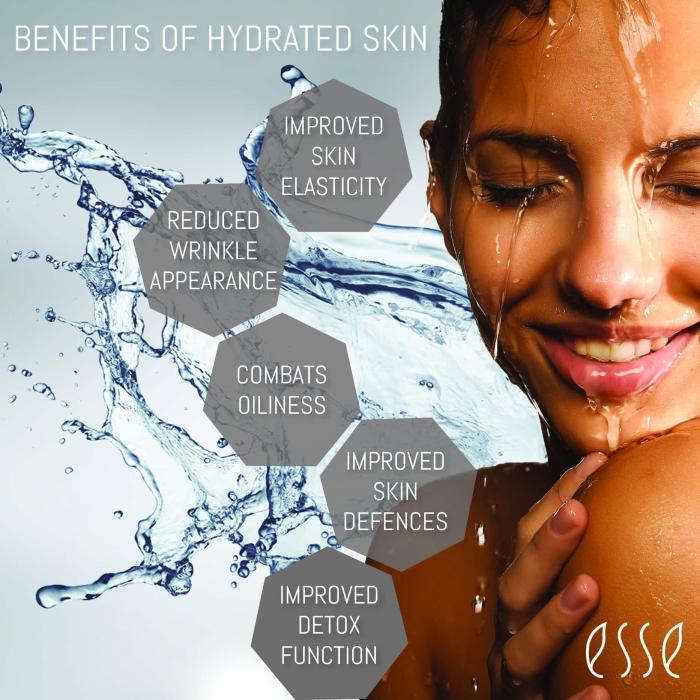
Proper hydration plays a crucial role in maintaining healthy skin. When the skin is well-hydrated, it not only looks more radiant and youthful but also functions better in protecting the body from external aggressors. Dehydration, on the other hand, can lead to a myriad of skin issues and accelerate the aging process.

Impact of Hydration on Skin Health

Maintaining adequate hydration levels is essential for keeping the skin healthy and glowing. Hydration helps in regulating the skin’s natural balance of oils and moisture, preventing issues such as dryness, flakiness, and irritation. Well-hydrated skin also has a better barrier function, which protects it from environmental pollutants and UV damage.

  • Improved Skin Conditions: Proper hydration can alleviate common skin conditions such as eczema, psoriasis, and acne. Hydrated skin is less prone to inflammation and redness, resulting in a clearer complexion.
  • Maintaining Skin Elasticity: Hydration is key to maintaining skin elasticity, which is essential for a firm and youthful appearance. Dehydrated skin tends to lose its elasticity, leading to sagging and wrinkles.
  • Effects of Dehydration: Dehydration can have detrimental effects on skin health, such as dryness, dullness, and accelerated aging. When the skin lacks proper hydration, it becomes more susceptible to damage and premature aging signs.

Stress Management

Benefits of proper hydration for skin health – Proper hydration plays a crucial role in stress management by helping to reduce stress levels and promote overall well-being during challenging situations.

Reduced Cortisol Levels

Staying hydrated can help regulate cortisol levels, the stress hormone responsible for various physiological responses, including skin issues. By maintaining adequate hydration, the body can better manage stress, leading to lower cortisol levels and reduced negative impacts on the skin.

Alleviation of Stress-Related Skin Problems

  • Dehydration can exacerbate stress-related skin conditions such as acne, eczema, and psoriasis. By ensuring proper hydration, individuals can alleviate these issues and support their skin’s health and appearance even during stressful times.
  • Well-hydrated skin is more resilient and better equipped to combat the effects of stress, such as inflammation and premature aging. By keeping the skin hydrated, individuals can maintain a healthy barrier function that protects against external stressors.

Overall Well-Being in Stressful Situations

Hydration is essential for promoting overall well-being during stressful situations as it helps regulate bodily functions, including those affected by stress. By prioritizing hydration, individuals can better cope with stress, maintain a healthy skin barrier, and support their overall health and resilience.

Healthy Lifestyle

Proper hydration plays a crucial role in maintaining a healthy lifestyle, especially when it comes to skin health. By ensuring that your body is well-hydrated, you can support overall wellness and improve the appearance and condition of your skin.

Tips for Incorporating Hydration into Daily Routines

  • Start your day with a glass of water to kickstart hydration.
  • Carry a reusable water bottle with you throughout the day to remind yourself to drink water regularly.
  • Infuse your water with fruits or herbs for added flavor and nutrients.
  • Eat water-rich foods like fruits and vegetables to increase your overall hydration levels.

Connection Between Hydration and Other Aspects of a Healthy Lifestyle

  • Proper hydration can help regulate body temperature and improve physical performance during exercise.
  • Hydrated skin is more resilient and able to repair itself, reducing the appearance of fine lines and wrinkles.
  • Drinking enough water can aid in digestion and prevent constipation, promoting gut health.
  • Hydration is essential for maintaining proper kidney function and flushing out toxins from the body.

Examples of How Hydration Supports Overall Wellness

  • Improved energy levels and cognitive function when the body is well-hydrated.
  • Reduced risk of headaches and migraines by staying hydrated throughout the day.
  • Enhanced immune system function, as hydration helps transport nutrients and oxygen throughout the body.
  • Healthy hydration habits can contribute to better sleep quality and overall mood regulation.

Medical Innovations

Advancements in the medical field have brought about innovative technologies and treatments that specifically target improving skin hydration. These breakthroughs have greatly enhanced our understanding of the impact of hydration on skin health.

Advanced Hydration Treatments

One of the most notable medical innovations in skin hydration is the development of advanced hydration treatments such as hyaluronic acid injections. These injections help to replenish the skin’s moisture levels, leading to improved hydration and overall skin health.

Nanotechnology in Skincare

Nanotechnology has also played a significant role in skincare products, with the introduction of nano-sized molecules that can penetrate deep into the skin for enhanced hydration. This technology has revolutionized the way we approach hydration in skincare.

Hydration Monitoring Devices

Medical innovations have also led to the creation of hydration monitoring devices that can accurately measure the skin’s hydration levels. These devices provide valuable insights into an individual’s skin health and hydration needs, allowing for more targeted and effective skincare treatments.

Nutritional Supplements

Proper hydration is essential for maintaining healthy skin, but combining hydration with specific nutrients through nutritional supplements can further enhance skin health.

Role of Supplements in Enhancing Skin Hydration, Benefits of proper hydration for skin health

Nutritional supplements play a crucial role in enhancing skin hydration by providing the body with essential vitamins, minerals, and antioxidants that support skin health from within.

Benefits of Combining Hydration with Specific Nutrients

  • Nutrients like Vitamin C and E help protect the skin from damage caused by free radicals, promoting overall skin health and hydration.
  • Omega-3 fatty acids found in fish oil supplements can help maintain skin elasticity and hydration, reducing dryness and improving skin texture.
  • Collagen supplements can support skin structure and hydration, improving skin elasticity and reducing the appearance of fine lines and wrinkles.

Fitness Routine

Proper hydration is essential for maintaining healthy skin, especially during a fitness routine. Staying hydrated can significantly impact the skin’s appearance and overall health.

Importance of Hydration in a Fitness Routine

Hydration plays a crucial role in supporting the skin’s elasticity and firmness during exercise. Dehydration can lead to dryness, dullness, and even premature aging of the skin.

Optimizing Workout Results for the Skin

Staying hydrated helps optimize workout results by improving blood circulation and nutrient delivery to the skin cells. This can result in a more radiant and glowing complexion post-workout.

Impact of Hydration on Skin Recovery Post-Exercise

Proper hydration post-exercise is essential for skin recovery. It helps in replenishing lost fluids, maintaining skin elasticity, and reducing inflammation caused by physical activity.

Tips for Maintaining Hydration Levels During Physical Activities

  • Drink water before, during, and after your workout to stay hydrated.
  • Avoid sugary drinks and opt for water or electrolyte-rich beverages.
  • Monitor your urine color to ensure you are adequately hydrated.
  • Consider incorporating hydrating foods like fruits and vegetables into your pre and post-workout meals.

Health Screenings

Proper hydration is crucial for maintaining skin health, and it also plays a significant role in health screenings for various skin conditions.

Connection between Hydration and Health Screenings

When it comes to skin-related screenings, hydration levels can greatly influence the results. Dehydrated skin may show signs of dryness, flakiness, and lack of elasticity, which can impact the accuracy of screenings for conditions like eczema, psoriasis, or even skin cancer. Adequate hydration can help maintain the skin’s natural barrier function and overall health, leading to more reliable screening outcomes.

Healthcare Professional Considerations

Healthcare professionals take hydration levels into account during skin assessments to get a clearer picture of the skin’s condition. They may ask about water intake, assess skin hydration levels, and recommend adjustments to improve hydration if necessary. Understanding a patient’s hydration status can provide valuable insights into their skin health and help in the early detection of potential issues.

Significant Role of Hydration in Screenings

Examples of screenings where hydration levels play a crucial role include skin cancer screenings, where hydrated skin can make it easier to detect changes in moles or skin lesions. In dermatological assessments for conditions like acne or dermatitis, proper hydration can help healthcare professionals determine the best treatment approach based on the skin’s overall health. Overall, staying hydrated is essential for maintaining skin integrity and supporting accurate health screenings.

Disease Prevention

Benefits of proper hydration for skin health
Proper hydration is essential for preventing various skin diseases and promoting overall skin health. By ensuring adequate hydration levels, you can significantly reduce the risk of developing skin-related illnesses.

Role of Hydration in Disease Prevention

Maintaining proper hydration levels plays a crucial role in supporting the body’s immune system, which in turn helps prevent skin-related diseases. When the body is well-hydrated, it can effectively combat harmful pathogens and toxins that may lead to skin issues.

  • Hydration helps in the regulation of body temperature, preventing conditions like heat rash and other heat-related skin problems.
  • Proper hydration promotes the production of collagen, which is essential for maintaining skin elasticity and preventing premature aging.
  • Hydration supports the skin’s natural barrier function, reducing the risk of infections and inflammatory skin conditions.

Sleep Hygiene

Proper hydration plays a crucial role in maintaining good sleep hygiene and promoting healthy skin.

Impact on Sleep Quality and Skin Health

Staying hydrated can significantly improve sleep quality and help in skin rejuvenation during sleep. When the body is adequately hydrated, it can repair and regenerate skin cells more effectively, leading to a more youthful and radiant complexion.

  • Hydration helps in regulating body temperature, which is essential for a good night’s sleep.
  • Dehydration can lead to dry and dull skin, making it more prone to wrinkles and other signs of aging.
  • Proper hydration before bedtime can prevent skin dryness and promote a healthy skin barrier.

Maintaining Hydration Levels Before Bedtime

It is essential to drink an adequate amount of water throughout the day to ensure proper hydration levels before bedtime. Avoiding caffeine and alcohol in the evening can also help in preventing dehydration and promoting better sleep.

  • Consider using a humidifier in your bedroom to prevent moisture loss from the skin while you sleep.
  • Apply a hydrating moisturizer before bedtime to lock in moisture and keep your skin hydrated overnight.
  • Drinking a glass of water before sleep can help in maintaining hydration levels and improving overall skin health.

Hydration Influence on Sleep Hygiene and Skin Appearance

Hydration not only impacts sleep quality but also plays a significant role in maintaining healthy skin appearance. By staying properly hydrated, you can ensure that your skin remains supple, plump, and glowing.

Remember, adequate hydration is key to achieving a restful night’s sleep and promoting skin rejuvenation.

Mental Clarity

Maintaining proper hydration is not only essential for skin health but also plays a crucial role in enhancing mental clarity. Dehydration can have a significant impact on cognitive functions, which are closely related to overall wellness, including skin health.

Benefits of Hydration for Mental Focus

  • Hydration helps in regulating neurotransmitters in the brain, improving cognitive functions that are essential for maintaining a healthy skin care routine.
  • Proper hydration ensures optimal blood flow and oxygen delivery to the brain, enhancing focus and concentration for effective skincare practices.
  • Dehydration can lead to fatigue, mood swings, and decreased mental acuity, affecting the ability to perform skincare tasks efficiently.

Hydration Importance

Proper hydration is crucial for overall skin health as it plays a vital role in maintaining the skin’s natural functions. Hydration impacts skin aging and appearance significantly, making it essential to prioritize hydration in our daily routines. Beyond skin health, hydration offers a wide range of benefits for our overall well-being.

Significance of Hydration for Skin Health

Hydration is essential for skin health as it helps to maintain the skin’s elasticity, firmness, and smoothness. When the skin is well-hydrated, it is less prone to issues such as dryness, irritation, and premature aging. Drinking an adequate amount of water each day can help to keep the skin hydrated from within, resulting in a radiant and youthful complexion.

Role of Hydration in Maintaining Skin’s Natural Functions

Proper hydration is necessary to support the skin’s natural barrier function, which helps to protect it from environmental stressors such as pollution and UV radiation. When the skin is well-hydrated, it can better defend itself against external aggressors, leading to healthier and more resilient skin.

Impact of Hydration on Skin Aging and Appearance

Hydration plays a key role in preventing premature aging of the skin by maintaining its moisture levels and supporting collagen production. Adequate hydration can help to reduce the appearance of fine lines, wrinkles, and sagging skin, resulting in a more youthful and vibrant complexion.

Benefits of Proper Hydration Beyond Skin Health

  • Improves digestion and nutrient absorption
  • Supports weight management and metabolism
  • Enhances cognitive function and concentration
  • Boosts energy levels and physical performance
  • Regulates body temperature and prevents dehydration

General Inquiries

How does hydration impact skin health?

Hydration plays a crucial role in maintaining skin elasticity, improving skin conditions, and promoting overall skin wellness.

Can dehydration affect skin health?

Yes, dehydration can lead to various skin issues such as dryness, dullness, and even exacerbate certain skin conditions.

What are some examples of stress-related skin issues that hydration can alleviate?

Hydration can help reduce stress-induced skin problems like acne, eczema, and premature aging.

How does hydration contribute to disease prevention for skin health?

Adequate hydration boosts the body’s immune system, reducing the risk of skin diseases and promoting overall skin health.

What role do nutritional supplements play in enhancing skin hydration?

Nutritional supplements can complement hydration efforts by providing essential nutrients that support skin hydration and health.

Mental clarity and productivity tips: Enhance your focus and efficiency with these expert strategies

Mental clarity and productivity tips

Stress Management

Effective stress management techniques are crucial for improving mental clarity and productivity. When stress levels are high, cognitive function can be impaired, leading to decreased focus and efficiency. It is important to combat stress through various mindfulness exercises and relaxation techniques to maintain optimal mental well-being.

Impact of Stress on Cognitive Function

Stress can have a significant impact on cognitive function, making it difficult to concentrate, remember information, and make decisions. Chronic stress can even lead to long-term cognitive decline if not addressed promptly.

  • High levels of stress release cortisol, a hormone that can interfere with neurotransmitters in the brain, affecting memory and learning abilities.
  • Stress can trigger the “fight or flight” response, diverting blood flow away from the prefrontal cortex responsible for decision-making and problem-solving.
  • Chronic stress can lead to structural changes in the brain, impacting neural connections and cognitive processes over time.

Combatting Stress with Mindfulness Exercises

Practicing mindfulness exercises can help reduce stress levels and improve mental clarity. These exercises focus on being present in the moment, calming the mind, and promoting relaxation.

  1. Deep breathing exercises: Taking slow, deep breaths can help activate the body’s relaxation response and reduce stress levels.
  2. Progressive muscle relaxation: Tensing and then relaxing different muscle groups can help release physical tension and promote a sense of calm.
  3. Mindful meditation: Spending a few minutes each day in quiet reflection can help clear the mind and reduce stress and anxiety.

Healthy Lifestyle: Mental Clarity And Productivity Tips

Maintaining a healthy lifestyle is crucial for enhancing mental clarity and productivity in daily life. When we prioritize our physical well-being, we are also supporting our mental health and cognitive function.

Incorporating Exercise and Nutritious Foods

Regular exercise not only boosts our physical health but also has a positive impact on our mental well-being. Engaging in physical activity releases endorphins, which are known to improve mood and reduce stress levels. Along with exercise, consuming nutritious foods rich in vitamins, minerals, and antioxidants can fuel our bodies and brains for optimal performance. Incorporating a balanced diet with plenty of fruits, vegetables, whole grains, and lean proteins can provide the necessary nutrients to support cognitive function and overall well-being.

Importance of Work-Life Balance

Maintaining a healthy work-life balance is essential for overall well-being. When we prioritize time for relaxation, hobbies, and social connections outside of work, we allow ourselves to recharge and prevent burnout. Setting boundaries between work and personal life can help reduce stress levels and improve focus and productivity during work hours. Finding a balance that allows for both productivity at work and relaxation in personal life is key to sustaining mental clarity and overall happiness.

Medical Innovations

Medical innovations play a crucial role in enhancing mental clarity and productivity. Whether it’s through the use of mental health apps, wearable devices, telemedicine, or neurotechnology, these advancements are revolutionizing the way we approach mental well-being.

Role of Mental Health Apps and Wearable Devices, Mental clarity and productivity tips

  • Mental health apps provide convenient access to tools and resources for managing stress, anxiety, and other mental health concerns.
  • Wearable devices, such as smartwatches, can track biometric data like heart rate variability and sleep patterns, offering insights into overall well-being.
  • By utilizing these technologies, individuals can proactively monitor and improve their mental health, leading to increased focus and productivity.

Telemedicine for Mental Health Support

  • Telemedicine allows individuals to connect with mental health professionals remotely, breaking down barriers to access and providing support when needed.
  • Through virtual appointments and online therapy sessions, telemedicine offers a convenient and effective way to receive mental health care.
  • This innovative approach ensures that individuals can prioritize their mental well-being without the constraints of traditional in-person visits.

Advancements in Neurotechnology

  • Neurotechnology focuses on enhancing cognitive function through brain stimulation, neurofeedback, and other cutting-edge techniques.
  • Recent advancements in neurotechnology have shown promising results in improving memory, focus, and overall brain performance.
  • By leveraging these innovations, individuals can optimize their cognitive abilities, leading to increased mental clarity and productivity in various aspects of life.

Nutritional Supplements

Mental clarity and productivity tips

Mental clarity and productivity tips – When it comes to mental clarity and focus, incorporating specific nutritional supplements into your diet can provide significant benefits. These supplements can support brain health, enhance cognitive function, and boost productivity.

Benefits of Omega-3 Fatty Acids

Omega-3 fatty acids are essential nutrients that play a crucial role in brain function and development. They have been shown to improve memory, focus, and overall cognitive performance. Incorporating sources of omega-3s such as fish oil, flaxseeds, and walnuts can help enhance mental clarity and focus.

Importance of B Vitamins

B vitamins, including B6, B12, and folate, are important for brain health and cognitive function. These vitamins help in the production of neurotransmitters that are essential for mental clarity and focus. Consuming foods rich in B vitamins like leafy greens, eggs, and lean meats can support optimal brain function.

Natural Supplements for Productivity

  • Ginkgo Biloba: This herbal supplement is known for its ability to improve memory, concentration, and overall cognitive function.
  • Rhodiola Rosea: Rhodiola is an adaptogenic herb that can help reduce fatigue, enhance mental performance, and increase productivity.
  • L-Theanine: Found in tea leaves, L-Theanine can promote relaxation, reduce stress, and improve focus and attention.

Fitness Routine

Having a well-rounded fitness routine not only improves physical health but also enhances cognitive function. Regular exercise has been shown to have a positive impact on mental clarity, focus, and productivity.

Exercises for Cognitive Function

Engaging in specific exercises can help boost brain function and improve focus. Here are some examples of exercises that can enhance cognitive abilities:

  • Cardiovascular exercises such as running, cycling, or swimming increase blood flow to the brain, improving memory and concentration.
  • Strength training exercises like weightlifting enhance overall brain function by stimulating the release of chemicals that promote brain health.
  • Yoga and Pilates can help reduce stress, increase mindfulness, and improve cognitive function through controlled movements and breathing techniques.

Health Screenings

Regular health screenings play a crucial role in maintaining overall wellness and detecting potential health issues that could impact mental clarity. Early detection through preventive screenings can significantly improve outcomes and quality of life.

Significance of Regular Health Screenings

  • Health screenings can help identify risk factors for various conditions that may affect mental clarity, such as high blood pressure, diabetes, and cholesterol levels.
  • Early detection of these conditions can lead to timely interventions and treatments, preventing complications that could impact cognitive function.
  • Regular screenings also promote a proactive approach to health management, empowering individuals to take control of their well-being.

Role of Preventive Screenings in Wellness

  • Preventive screenings, such as mammograms, colonoscopies, and blood tests, can detect diseases in their early stages when they are more treatable.
  • By detecting health issues early, individuals can make lifestyle changes or start necessary treatments to improve their overall health and well-being.
  • Preventive screenings not only help prevent diseases but also promote a holistic approach to health that encompasses physical, mental, and emotional well-being.

Importance of Early Detection through Health Check-ups

  • Regular health check-ups allow healthcare providers to monitor changes in health parameters and identify any deviations from normal values.
  • Early detection of abnormalities can prompt further diagnostic tests or interventions to address underlying health issues before they progress.
  • Health check-ups also provide an opportunity for individuals to discuss any concerns or symptoms they may be experiencing with their healthcare provider.

Disease Prevention

Preventing diseases not only helps in maintaining physical health but also plays a crucial role in enhancing mental clarity and cognitive function. By adopting certain lifestyle changes and preventive measures, individuals can reduce the risk of cognitive decline and conditions like Alzheimer’s or dementia.

Lifestyle Changes for Disease Prevention

  • Regular exercise: Engaging in physical activity can improve blood flow to the brain and promote the growth of new brain cells, reducing the risk of cognitive decline.
  • Healthy diet: Consuming a balanced diet rich in fruits, vegetables, whole grains, and healthy fats can provide essential nutrients for brain health and reduce inflammation.
  • Mental stimulation: Engaging in activities that challenge the brain, such as puzzles, reading, or learning a new skill, can help maintain cognitive function and prevent memory loss.
  • Quality sleep: Getting enough restful sleep is crucial for brain health and cognitive function, as it allows the brain to recharge and consolidate memories.

Preventive Measures for Alzheimer’s and Dementia

  • Regular physical and mental activity: Staying physically and mentally active can help reduce the risk of Alzheimer’s and dementia by promoting brain health and cognitive function.
  • Managing chronic conditions: Controlling conditions like high blood pressure, diabetes, and obesity through medication, diet, and lifestyle changes can lower the risk of cognitive decline.
  • Social engagement: Maintaining social connections and participating in social activities can support brain health and reduce the risk of cognitive impairment.
  • Avoiding smoking and excessive alcohol consumption: Smoking and heavy alcohol use have been linked to cognitive decline and an increased risk of developing dementia.

Sleep Hygiene

Good sleep hygiene is crucial for promoting mental clarity and productivity. It involves adopting healthy habits and routines to ensure quality sleep, which is essential for cognitive function and overall well-being.

Importance of Good Sleep Hygiene

Having good sleep hygiene helps regulate your body’s internal clock, allowing you to fall asleep faster and stay asleep throughout the night. This leads to improved concentration, focus, and decision-making skills, ultimately enhancing mental clarity and productivity.

Tips for Improving Sleep Quality

  • Avoid caffeine and electronics before bedtime to reduce stimulation.
  • Create a relaxing bedtime routine, such as reading or taking a warm bath.
  • Keep your bedroom dark, quiet, and at a comfortable temperature to promote sleep.
  • Stick to a consistent sleep schedule by going to bed and waking up at the same time every day.

Impact of Sleep Deprivation on Cognitive Function

Sleep deprivation can have detrimental effects on cognitive function, leading to difficulties with memory, problem-solving, and critical thinking. It impairs your ability to focus, learn new information, and make sound decisions, ultimately hindering mental clarity and productivity.

Mental Clarity

Mental clarity refers to the state of having a clear and focused mind, free from distractions and confusion. It plays a crucial role in enhancing productivity as it allows individuals to concentrate on tasks, make informed decisions, and solve problems efficiently.

Techniques for Improving Mental Clarity and Focus

  • Avoid multitasking: Focus on one task at a time to improve concentration and prevent mental overload.
  • Practice mindfulness: Engage in activities such as meditation or deep breathing exercises to calm the mind and enhance clarity.
  • Get organized: Create to-do lists, prioritize tasks, and declutter your workspace to reduce mental clutter and improve focus.
  • Take breaks: Regular breaks can help refresh the mind and prevent fatigue, leading to improved mental clarity.
  • Stay active: Regular exercise can boost cognitive function, reduce stress, and improve mental clarity.

Relationship Between Mental Clarity and Decision-Making Skills

Having mental clarity is essential for making sound decisions as it allows individuals to weigh options, consider consequences, and choose the best course of action. When the mind is clear and focused, decision-making becomes more effective and efficient, leading to better outcomes in both personal and professional life.

Hydration Importance

Maintaining proper hydration is crucial for cognitive function and productivity. Dehydration can lead to decreased focus, fatigue, and overall reduced mental clarity. It is essential to understand the impact of hydration on brain performance and how it affects our daily tasks.

Recommended Daily Water Intake

To optimize brain function, it is recommended to consume about 8-10 cups of water per day for adults. This amount may vary depending on factors such as age, weight, activity level, and climate. Staying adequately hydrated can help improve memory, concentration, and overall brain function.

Tips for Staying Hydrated

  • Carry a reusable water bottle with you throughout the day to remind yourself to drink water regularly.
  • Set reminders on your phone or computer to take water breaks at specific intervals.
  • Infuse your water with fruits or herbs to add flavor and make it more enjoyable to drink.
  • Drink water before, during, and after exercise to replenish lost fluids and stay hydrated.
  • Avoid excessive consumption of caffeinated or sugary beverages, as they can contribute to dehydration.

Detailed FAQs

How can stress management techniques improve mental clarity and productivity?

Effective stress management techniques such as mindfulness exercises and relaxation techniques can help reduce stress levels, leading to improved cognitive function and productivity.

What role do medical innovations play in enhancing productivity?

Medical innovations like mental health apps and wearable devices can provide support and tools for better mental well-being, ultimately boosting productivity levels.

Why is hydration important for cognitive function?

Hydration is crucial for optimal brain performance as it helps in maintaining focus, concentration, and overall cognitive function. Dehydration can lead to decreased mental clarity and productivity.

Mindfulness practices for mental clarity: Unlocking Your Potential Through Mindful Living

Mindfulness practices for mental clarity

Stress Management: Mindfulness Practices For Mental Clarity

Mindfulness practices for mental clarity – Stress is a common part of daily life and can have a significant impact on mental clarity. Mindfulness practices have been shown to be effective in reducing stress levels and promoting a sense of calm and relaxation.

Mindfulness Techniques for Stress Management

  • Deep Breathing: Taking slow, deep breaths can help activate the body’s relaxation response and reduce stress.
  • Body Scan Meditation: This involves focusing on each part of the body, releasing tension, and promoting relaxation.
  • Mindful Walking: Paying attention to each step and the sensations in the body can help clear the mind and reduce stress.
  • Guided Imagery: Visualizing peaceful scenes or positive outcomes can help shift focus away from stressors.

Impact of Stress on Mental Clarity

High levels of stress can cloud the mind, making it difficult to focus, think clearly, and make decisions. Chronic stress can lead to mental fatigue, memory problems, and decreased cognitive function.

Alleviating Stress through Mindfulness Practices

Mindfulness practices such as meditation, deep breathing, and yoga can help reduce stress by calming the nervous system, lowering cortisol levels, and promoting a sense of inner peace and well-being. By cultivating awareness and presence in the moment, individuals can better cope with stress and improve mental clarity.

Healthy Lifestyle

Incorporating mindfulness practices into your daily routine can significantly contribute to a healthy lifestyle by promoting mental clarity and overall well-being.

Mindfulness vs. Other Healthy Habits

When compared to other healthy habits, mindfulness practices offer unique benefits for mental clarity. While activities like exercise and a balanced diet are essential for physical health, mindfulness helps cultivate a sense of presence and focus, reducing stress and improving cognitive function.

Daily Routine for Overall Well-being

Designing a daily routine that includes mindfulness practices can help you maintain overall well-being. Start your day with a mindfulness meditation session to set a positive tone, incorporate mindful eating habits during meals, and take short mindfulness breaks throughout the day to stay grounded and focused.

Medical Innovations

As mindfulness practices continue to gain recognition for their positive impact on mental health, innovative medical approaches are emerging that integrate these practices to enhance mental clarity and overall well-being.

Integration of Mindfulness in Medical Approaches

Medical professionals are increasingly incorporating mindfulness techniques into traditional treatments for various mental health conditions. By combining mindfulness practices such as meditation, deep breathing exercises, and mindfulness-based cognitive therapy with medical interventions, patients can experience improved mental clarity and reduced symptoms of anxiety, depression, and stress.

Research Supporting Mindfulness for Mental Health

Research studies have consistently shown the effectiveness of mindfulness practices in promoting mental health and well-being. Studies have demonstrated that regular mindfulness practice can lead to reduced levels of cortisol (the stress hormone), improved cognitive function, enhanced emotional regulation, and increased feelings of overall happiness and contentment.

Future Advancements in Medical Treatments

Looking ahead, the future of medical treatments involving mindfulness practices holds great promise. With ongoing research and technological advancements, we can expect to see a more personalized approach to mental health care that integrates mindfulness practices tailored to individual needs. Additionally, the development of innovative technologies such as virtual reality and biofeedback devices may further enhance the effectiveness of mindfulness-based interventions in treating a wide range of mental health conditions.

Nutritional Supplements

When it comes to enhancing mental clarity through mindfulness practices, the role of nutritional supplements cannot be overlooked. The connection between nutrition, supplements, and mental well-being is crucial in achieving optimal cognitive function and focus.

Nutrients for Mental Clarity

There are several key nutrients and supplements that can support and enhance the effects of mindfulness practices for mental clarity:

  • Omega-3 fatty acids: Essential for brain health and cognitive function, found in fish oil supplements or sources like salmon, walnuts, and flaxseeds.
  • Vitamin B12: Supports nerve function and red blood cell production, often found in fortified foods or as a supplement for vegetarians and vegans.
  • Magnesium: Helps regulate neurotransmitter function and reduce stress, available in supplement form or through foods like spinach, almonds, and bananas.

Balanced Diet and Mindfulness

A balanced diet plays a significant role in complementing mindfulness practices for mental well-being. Eating a variety of nutrient-dense foods can provide the necessary vitamins and minerals to support cognitive function and overall brain health. When combined with mindfulness techniques, a balanced diet can enhance focus, concentration, and emotional resilience.

Fitness Routine

Physical exercise, when combined with mindfulness practices, can significantly improve mental clarity by promoting the release of endorphins, reducing stress hormones, and enhancing overall brain function. The synergy between physical activity and mindfulness techniques creates a powerful foundation for optimal cognitive performance.

Specific Exercises for Cognitive Function

  • Cardiovascular exercises like running, cycling, or swimming can increase blood flow to the brain, providing it with essential nutrients and oxygen for improved focus and mental acuity.
  • Strength training exercises such as weightlifting or bodyweight workouts help boost cognitive function by promoting the growth of new brain cells and enhancing synaptic connections.
  • Yoga and Pilates combine physical movement with mindfulness and breathing techniques, offering a holistic approach to improving mental clarity, reducing stress, and enhancing concentration.

Importance of Physical and Mental Fitness Integration

It is crucial to incorporate both physical and mental fitness into a routine for overall health and well-being. While physical exercise strengthens the body, promotes cardiovascular health, and increases energy levels, mindfulness practices help cultivate a sense of awareness, reduce anxiety, and enhance cognitive function. By combining these elements, individuals can achieve a balanced approach to fitness that not only improves physical strength but also mental clarity and emotional resilience.

Health Screenings

Health screenings play a crucial role in assessing the impact of mindfulness practices on mental clarity. By undergoing regular screenings, individuals can track their progress with mindfulness techniques and gain insights into their overall well-being.

The Importance of Regular Health Screenings

  • Screenings can detect potential health issues early on, allowing for timely intervention and treatment.
  • Tracking vital markers through screenings can provide tangible evidence of the benefits of mindfulness practices on mental clarity.
  • Regular screenings can help individuals maintain a proactive approach to their health and well-being.

Benefits of Combining Health Screenings with Mindfulness, Mindfulness practices for mental clarity

  • Improved overall health outcomes by addressing any underlying issues that may impact mental clarity.
  • Enhanced awareness and understanding of the mind-body connection through the data provided by screenings.
  • Promotion of holistic well-being by integrating physical health assessments with mental clarity practices.

Disease Prevention

Mindfulness practices play a crucial role in disease prevention, especially when it comes to conditions related to mental health. By incorporating mindfulness techniques into daily routines, individuals can significantly reduce the risk of developing various diseases and maintain overall well-being.

Effectiveness of Mindfulness vs. Traditional Interventions

When comparing the effectiveness of mindfulness in disease prevention with traditional medical interventions, mindfulness has shown promising results in promoting mental clarity and reducing stress levels, which are key factors in preventing certain diseases. While traditional interventions focus on treating symptoms, mindfulness addresses the root causes of illnesses by promoting self-awareness and emotional regulation.

  • Mindfulness practices such as meditation and deep breathing techniques have been proven to lower cortisol levels, reduce inflammation, and improve immune function, all of which contribute to disease prevention.
  • Studies have shown that mindfulness-based interventions can be as effective, if not more, than traditional medical treatments in preventing conditions like anxiety, depression, and even chronic pain.
  • By incorporating mindfulness into daily life, individuals can proactively manage their mental health and reduce the risk of developing various diseases over time.

Preventive Measures with Mindfulness Practices

When it comes to long-term health benefits, individuals can take several preventive measures using mindfulness practices to promote overall well-being and reduce the risk of diseases.

  1. Regular mindfulness meditation can help individuals build resilience to stress, improve emotional regulation, and enhance cognitive function, all of which are essential for disease prevention.
  2. Engaging in mindful eating practices can promote healthy digestion, reduce emotional eating, and improve overall nutritional intake, leading to better physical health and disease prevention.
  3. Practicing mindfulness in daily activities such as walking, breathing, and interacting with others can help individuals stay present, reduce anxiety, and improve overall mental well-being, contributing to disease prevention in the long run.

Sleep Hygiene

Ensuring good sleep hygiene is crucial for mental clarity and overall well-being. Mindfulness practices can play a significant role in improving sleep quality, thus enhancing cognitive function.

Developing a Bedtime Routine

Creating a bedtime routine that incorporates mindfulness techniques can help prepare your mind and body for restful sleep. This can involve activities such as meditation, deep breathing exercises, or gentle stretching to relax and unwind.

Impact on Cognitive Function

Sleep hygiene directly influences cognitive function, affecting memory, concentration, and decision-making abilities. By incorporating mindfulness practices into your bedtime routine, you can promote better sleep quality and enhance cognitive function. Mindfulness techniques can help reduce stress and anxiety, leading to improved overall mental clarity and focus.

Mental Clarity

Mindfulness practices for mental clarity
In the context of mindfulness practices, mental clarity refers to the state of having a clear and focused mind, free from distractions, negative thoughts, and emotional turbulence. It involves being fully present in the moment, aware of your thoughts and feelings without judgment, and able to maintain a sense of calm and inner peace.

Personal Experiences

Practicing mindfulness meditation has been instrumental in helping me achieve mental clarity. By dedicating time each day to sit quietly, focus on my breath, and observe my thoughts without getting caught up in them, I have noticed a significant improvement in my ability to concentrate, make decisions, and manage stress. The practice has also helped me develop a greater sense of self-awareness and emotional resilience, enabling me to navigate challenges with a clearer and more balanced perspective.

Long-term Benefits

Sustained mental clarity through regular mindfulness practice can lead to a myriad of long-term benefits. Improved cognitive function, enhanced creativity, better emotional regulation, and increased overall well-being are just some of the advantages of cultivating a clear and focused mind. Additionally, research has shown that mindfulness can help reduce symptoms of anxiety, depression, and other mental health issues, paving the way for a more fulfilling and balanced life.

Hydration Importance

Maintaining proper hydration is crucial for overall health, including mental clarity and cognitive function. Dehydration can lead to fatigue, difficulty concentrating, and even mood disturbances, all of which can hinder mindfulness practices and the ability to stay focused throughout the day.

Guidelines on Daily Water Intake

  • On average, it is recommended for adults to drink about 8-10 cups (64-80 ounces) of water per day.
  • Factors such as physical activity level, climate, and individual health conditions can impact the amount of water needed.
  • Dividing water intake throughout the day and listening to your body’s thirst signals can help maintain proper hydration levels.

Impact on Mindfulness Practices

  • Proper hydration supports brain function, helping to improve cognitive abilities and mental clarity, which are essential for mindfulness practices.
  • Dehydration can lead to decreased focus, memory problems, and overall cognitive decline, making it challenging to engage in mindfulness effectively.
  • Drinking enough water can enhance mood, reduce stress levels, and promote a sense of calmness, all of which are beneficial for mindfulness practices.

Relationship between Hydration and Focus

  • Staying hydrated can improve alertness, concentration, and overall mental performance, which are key elements in maintaining focus throughout the day.
  • Even mild dehydration can impact cognitive function and lead to distractions, making it harder to stay present and mindful in daily activities.
  • By prioritizing hydration and incorporating it into your mindfulness routine, you can boost your cognitive abilities and enhance your ability to focus on the present moment.

Essential Questionnaire

How do mindfulness practices impact stress levels?

Mindfulness practices help individuals cultivate a sense of awareness and presence, reducing stress levels by promoting relaxation and mental clarity.

Can mindfulness practices improve cognitive function?

Yes, incorporating mindfulness practices into daily life can enhance cognitive function by fostering a focused and clear mind.

Are there specific mindfulness techniques for improving sleep quality?

Practicing mindfulness techniques such as deep breathing or body scan meditation before bedtime can help improve sleep quality and promote mental clarity.

How often should one engage in mindfulness practices for optimal results?

Consistency is key. Engaging in mindfulness practices daily or several times a week can yield optimal results in terms of mental clarity and overall well-being.

Sleep hygiene and the importance of a comfortable sleep environment – Enhancing Your Sleep Quality

Sleep hygiene and the importance of a comfortable sleep environment

Stress Management

Stress can have a significant impact on the quality of sleep a person gets. When individuals are stressed, their bodies release cortisol, a hormone that can interfere with the ability to fall asleep and stay asleep. This can lead to sleep disturbances, such as insomnia or frequent waking during the night, ultimately affecting overall sleep quality.

Strategies for Managing Stress

  • Practice relaxation techniques such as deep breathing, meditation, or yoga to help calm the mind and body before bedtime.
  • Engage in regular physical activity, as exercise is known to reduce stress levels and promote better sleep.
  • Establish a bedtime routine that includes activities like reading, taking a warm bath, or listening to soothing music to signal to your body that it’s time to unwind.
  • Avoid stimulants like caffeine and electronic devices close to bedtime, as they can exacerbate stress and disrupt sleep patterns.

Relationship Between Stress, Sleep Hygiene, and Overall Health

Stress, sleep hygiene, and overall health are interconnected in a complex way. Poor sleep due to stress can weaken the immune system, increase the risk of chronic conditions like heart disease and diabetes, and impair cognitive function. By managing stress effectively and prioritizing good sleep hygiene practices, individuals can improve their overall health and well-being.

Healthy Lifestyle

Sleep hygiene and the importance of a comfortable sleep environment – A healthy lifestyle plays a crucial role in promoting better sleep hygiene. By adopting healthy habits, individuals can create a comfortable sleep environment and improve the quality of their sleep.

Examples of Healthy Habits

  • Avoiding caffeine and heavy meals close to bedtime can help in falling asleep faster and experiencing deeper sleep.
  • Engaging in regular physical activity during the day can aid in reducing stress and promoting better sleep at night.
  • Establishing a consistent sleep schedule by going to bed and waking up at the same time every day can regulate the body’s internal clock.
  • Creating a relaxing bedtime routine, such as reading a book or taking a warm bath, can signal the body that it’s time to wind down and prepare for sleep.
  • Ensuring the sleep environment is conducive to rest by keeping the room dark, quiet, and at a comfortable temperature.

Impact of Lifestyle Choices on Sleep Quality

Lifestyle choices have a direct impact on the quality of sleep individuals experience. By prioritizing healthy habits and making positive lifestyle changes, individuals can enhance their overall sleep hygiene, leading to improved sleep quality and overall well-being.

Medical Innovations

In today’s modern world, medical innovations play a crucial role in optimizing sleep hygiene and improving the quality of sleep for individuals. These advancements not only aid in diagnosing and treating sleep disorders but also provide innovative solutions to enhance overall sleep health.

Technological Advancements for Sleep Hygiene

  • Smart Sleep Trackers: Devices that monitor sleep patterns and provide insights for better sleep quality.
  • White Noise Machines: Help mask background noises and create a soothing environment for better sleep.
  • Light Therapy Devices: Assist in regulating circadian rhythms and improving sleep-wake cycles.
  • Sleep Apps: Offer guided meditations, relaxation techniques, and sleep tracking features for optimal sleep routines.

Role of Medical Innovations in Sleep Disorder Diagnosis and Treatment

  • Polysomnography: Advanced sleep study tests that monitor brain waves, heart rate, and breathing patterns during sleep to diagnose disorders like sleep apnea and narcolepsy.
  • Continuous Positive Airway Pressure (CPAP) Machines: Effective treatment for sleep apnea by keeping airways open during sleep.
  • Cognitive Behavioral Therapy for Insomnia (CBT-I): Non-pharmacological treatment involving therapy sessions to address sleep disturbances and improve sleep habits.

Enhancing Sleep Quality with Innovative Solutions

  • Smart Mattresses: Beds equipped with sensors to adjust firmness and temperature for personalized comfort.
  • Lighting Control Systems: Automated lighting that mimics natural light patterns to regulate sleep-wake cycles.
  • Aromatherapy Diffusers: Using essential oils to create a relaxing atmosphere conducive to sleep.

Nutritional Supplements

Sleep hygiene and the importance of a comfortable sleep environment

When it comes to promoting healthy sleep patterns, incorporating nutritional supplements can play a significant role in enhancing the quality of your rest. These supplements are designed to provide the body with essential nutrients that support relaxation and improve overall sleep quality.

Supplements for Better Sleep

  • Melatonin: A hormone that regulates sleep-wake cycles, melatonin supplements can help improve sleep quality and reduce the time it takes to fall asleep.
  • Magnesium: Known for its calming effects on the nervous system, magnesium supplements can promote relaxation and improve sleep quality.
  • L-theanine: An amino acid found in green tea, L-theanine can help reduce stress and anxiety, leading to better sleep quality.

Nutrition, Supplements, and Sleep Hygiene

Proper nutrition plays a crucial role in supporting overall health, including sleep quality. By incorporating supplements that target specific sleep-related issues, you can enhance your sleep hygiene and establish a more restful bedtime routine.

Incorporating Supplements into Your Routine

It is important to consult with a healthcare professional before adding any new supplements to your routine, especially if you are taking medications or have underlying health conditions. Start by introducing one supplement at a time and monitor its effects on your sleep quality. Consider taking supplements with a bedtime snack to enhance absorption and maximize benefits.

Fitness Routine

Regular exercise is not only beneficial for physical health but also plays a crucial role in improving sleep quality. Engaging in a fitness routine can help regulate sleep patterns, reduce stress, and promote relaxation, leading to a more restful night’s sleep. When it comes to creating a fitness routine that complements a comfortable sleep environment, certain types of exercises are more effective than others.

Influence of Exercise on Sleep Quality

Regular exercise has been shown to enhance sleep quality by increasing the amount of deep sleep obtained during the night. Deep sleep is essential for the body to repair itself and feel rejuvenated the next day. Additionally, exercise helps reduce symptoms of insomnia and sleep apnea, leading to a more restorative sleep experience.

Best Types of Exercises for Better Sleep

  • Aerobic exercises: Activities like walking, running, swimming, or cycling can help improve sleep quality by reducing the time it takes to fall asleep and increasing total sleep time.
  • Yoga and stretching: Practicing yoga or engaging in stretching exercises before bedtime can promote relaxation, reduce muscle tension, and calm the mind, making it easier to fall asleep.
  • Strength training: Incorporating strength training exercises into your fitness routine can help improve overall sleep quality and increase the amount of time spent in deep sleep.

Tips for Creating a Fitness Routine

  • Set realistic goals: Start with manageable exercise routines and gradually increase intensity and duration to avoid burnout.
  • Establish a consistent schedule: Try to exercise at the same time each day to regulate your body’s internal clock and improve sleep patterns.
  • Avoid vigorous exercise close to bedtime: Intense workouts can increase alertness and make it harder to fall asleep, so aim to finish exercise at least a few hours before bedtime.

Health Screenings

Regular health screenings play a crucial role in identifying sleep-related issues and maintaining good sleep hygiene. By undergoing these screenings, individuals can address any underlying health conditions that may be impacting their sleep quality.

Examples of Relevant Screenings:

  • Polysomnography: This test monitors brain activity, eye movements, muscle activity, and heart rhythm during sleep to diagnose sleep disorders such as sleep apnea or insomnia.
  • Actigraphy: A non-invasive test that uses a device worn on the wrist to monitor sleep patterns and circadian rhythms, providing valuable data on sleep quality.
  • Blood Tests: Checking for factors like thyroid function, iron levels, and glucose metabolism can help identify underlying conditions that may be affecting sleep.
  • Epworth Sleepiness Scale: A questionnaire used to assess daytime sleepiness and overall sleep quality, helping to pinpoint potential sleep disorders.

Disease Prevention

When it comes to disease prevention, prioritizing sleep hygiene plays a crucial role in maintaining overall health and well-being.

Poor sleep habits have been linked to a variety of health conditions, including heart disease, obesity, diabetes, and weakened immune function. Lack of quality sleep can also contribute to mental health issues such as anxiety and depression.

The Impact of Sleep Quality on Disease Risk

  • Chronic sleep deprivation can increase the risk of developing cardiovascular diseases such as hypertension, heart attacks, and strokes.
  • Insufficient sleep is associated with weight gain and obesity due to disruptions in hunger hormones, leading to poor food choices and overeating.
  • Individuals with inadequate sleep are more likely to develop insulin resistance, a precursor to diabetes, as the body’s ability to regulate blood sugar is compromised.
  • Quality sleep is essential for a strong immune system, as the body repairs and rejuvenates during deep sleep stages, helping to ward off infections and illnesses.

Preventive Measures for Improving Sleep Quality, Sleep hygiene and the importance of a comfortable sleep environment

  • Establish a consistent sleep schedule by going to bed and waking up at the same time each day, even on weekends.
  • Create a relaxing bedtime routine to signal to your body that it’s time to wind down, such as reading a book or taking a warm bath.
  • Ensure your sleep environment is conducive to rest, with a comfortable mattress, supportive pillows, and a cool, dark, and quiet room.
  • Avoid stimulants like caffeine and electronics close to bedtime, as they can disrupt your natural sleep-wake cycle.
  • Engage in regular physical activity during the day to promote better sleep quality and overall health.

Sleep Hygiene

Sleep hygiene refers to a set of practices and habits that promote good quality sleep and overall well-being. It involves creating a conducive environment and adopting behaviors that enhance the quality and duration of sleep.

Checklist for Optimizing Sleep Hygiene

  • Avoid stimulants like caffeine and nicotine close to bedtime.
  • Establish a consistent sleep schedule, going to bed and waking up at the same time each day.
  • Create a relaxing bedtime routine to signal your body that it’s time to wind down.
  • Ensure your sleep environment is cool, dark, and quiet.
  • Avoid screens and electronics before bed as the blue light can disrupt your sleep.
  • Avoid heavy meals, alcohol, and vigorous exercise close to bedtime.

Tips for Creating a Comfortable Sleep Environment

  • Invest in a comfortable mattress and pillows that support your body.
  • Use blackout curtains or an eye mask to block out light.
  • Keep your bedroom cool and well-ventilated for optimal sleep conditions.
  • Remove distractions like clutter, noise, or bright lights from your bedroom.
  • Consider using white noise machines or calming scents like lavender to promote relaxation.

Mental Clarity

Sleep hygiene plays a crucial role in maintaining mental clarity and cognitive function. When we prioritize good sleep habits, we are essentially giving our brain the opportunity to rest, recharge, and process information efficiently. This directly impacts our ability to think clearly, focus, and make sound decisions.

Impact of Sleep Hygiene on Mental Clarity and Cognitive Function

  • Improved Memory Retention: Adequate sleep allows the brain to consolidate and store information better, leading to enhanced memory recall and learning.
  • Enhanced Problem-Solving Skills: Rested minds are more adept at solving complex problems and making rational decisions.
  • Increased Attention Span: Quality sleep helps in sustaining focus and attention on tasks, resulting in improved productivity.

Comfortable Sleep Environment and Focus/Productivity

  • Optimal Temperature and Lighting: Creating a sleep environment that is cool, dark, and quiet can promote better sleep quality, leading to increased alertness and productivity during waking hours.
  • Supportive Mattress and Pillows: Investing in a comfortable mattress and pillows that support proper alignment can prevent discomfort and allow for uninterrupted sleep, contributing to improved cognitive function.

Strategies for Improving Mental Clarity through Better Sleep Habits

  • Establishing a Consistent Sleep Schedule: Going to bed and waking up at the same time every day helps regulate the body’s internal clock, promoting better sleep quality.
  • Avoiding Stimulants Before Bed: Caffeine, nicotine, and electronic devices should be avoided close to bedtime to prevent disruptions in sleep patterns.
  • Creating a Relaxing Bedtime Routine: Engaging in calming activities like reading or meditation before bed can signal to the brain that it’s time to unwind and prepare for sleep.

Hydration Importance: Sleep Hygiene And The Importance Of A Comfortable Sleep Environment

Proper hydration is essential for maintaining overall health and well-being, including the quality of your sleep. Dehydration can lead to various health issues, including poor sleep patterns and discomfort during the night.

Connection Between Hydration and Sleep Quality

Hydration plays a crucial role in regulating your body temperature and ensuring optimal physiological functions, which are essential for a good night’s sleep. When you are dehydrated, your body may struggle to maintain a comfortable temperature, leading to restlessness and disrupted sleep.

Additionally, dehydration can cause muscle cramps, which can be especially uncomfortable when trying to relax and fall asleep. Ensuring you are adequately hydrated can help prevent these issues and promote better sleep quality.

Maintaining Optimal Hydration Levels for Better Sleep

  • Drink plenty of water throughout the day, aiming for at least 8-10 cups of water daily.
  • Avoid excessive caffeine and alcohol consumption, as they can contribute to dehydration.
  • Include hydrating foods in your diet, such as fruits and vegetables with high water content.
  • Monitor your urine color to gauge your hydration levels – clear or light yellow urine indicates proper hydration.

Quick FAQs

How does stress impact sleep quality?

Stress can disrupt your sleep patterns, making it difficult to fall asleep or stay asleep throughout the night.

What are some examples of healthy habits that promote a comfortable sleep environment?

Practicing a consistent bedtime routine, keeping your bedroom cool and dark, and avoiding caffeine before bed can all contribute to a comfortable sleep environment.

How can medical innovations help in diagnosing and treating sleep disorders?

Medical advancements like sleep trackers and diagnostic tools can provide valuable insights into sleep patterns, allowing for more targeted treatments of sleep disorders.

What supplements support healthy sleep patterns?

Supplements like melatonin, magnesium, and valerian root are known to promote relaxation and improve sleep quality.

Why is hydration important for a comfortable sleep environment?

Staying hydrated helps regulate your body temperature and can prevent disruptions in your sleep cycle, ensuring a more restful night’s sleep.

Disease prevention strategies for seniors: Key Tips and Practices to Stay Healthy

Stress Management

Stress management plays a crucial role in disease prevention for seniors as it can help reduce the risk of various health issues and improve overall well-being. Chronic stress has been linked to a weakened immune system, increased inflammation, and a higher likelihood of developing conditions such as heart disease, diabetes, and depression among older adults.

Stress-Relief Techniques for Seniors

  • Practice deep breathing exercises: Encouraging seniors to take slow, deep breaths can help calm the mind and reduce stress levels.
  • Engage in gentle physical activities: Activities like tai chi, yoga, or walking can promote relaxation and reduce tension in the body.
  • Connect with loved ones: Spending time with family and friends, or even participating in support groups, can provide emotional support and alleviate feelings of loneliness or anxiety.
  • Try mindfulness or meditation: Teaching seniors mindfulness techniques can help them stay present and focused, reducing stress and promoting mental clarity.

Impact of Chronic Stress on Seniors

Chronic stress can have a detrimental impact on seniors’ health by increasing the risk of cardiovascular problems, cognitive decline, and a compromised immune system. It can also exacerbate age-related conditions like arthritis, osteoporosis, and sleep disorders, leading to a decline in overall quality of life.

Incorporating Stress Management into Daily Routines

  • Encourage regular physical activity: Engaging in daily exercise can help seniors manage stress levels and improve their mood.
  • Promote relaxation techniques: Encourage seniors to take breaks throughout the day for relaxation, whether it’s through reading, listening to music, or practicing mindfulness.
  • Provide resources for mental health support: Ensure seniors have access to counseling services or mental health professionals to address any underlying stressors or emotional challenges.
  • Encourage a healthy lifestyle: Promoting a balanced diet, adequate sleep, and social engagement can all contribute to reducing stress and promoting overall well-being in seniors.

Healthy Lifestyle

Maintaining a healthy lifestyle is crucial for disease prevention in seniors. By incorporating specific components into their daily routines, older adults can improve their overall well-being and reduce the risk of various health conditions.

Components of a Healthy Lifestyle

  • Regular physical activity: Engaging in exercises such as walking, swimming, or yoga can help seniors improve their cardiovascular health, muscle strength, and flexibility.
  • Healthy diet: Consuming a balanced meal plan rich in fruits, vegetables, whole grains, lean proteins, and healthy fats can provide essential nutrients and support overall health.
  • Adequate sleep: Getting enough rest is essential for seniors to recharge their bodies and minds, promoting better cognitive function and immune system support.
  • Stress management: Practicing relaxation techniques, mindfulness, or hobbies can help seniors reduce stress levels and improve their mental well-being.
  • Social connections: Maintaining relationships with friends, family, or participating in community activities can support seniors’ emotional health and reduce feelings of isolation.

Sedentary vs. Active Lifestyles

  • Sedentary lifestyle: Inactive behavior and prolonged sitting can increase the risk of obesity, heart disease, diabetes, and other health issues in seniors.
  • Active lifestyle: Regular physical activity can improve seniors’ mobility, balance, and overall quality of life, reducing the likelihood of chronic diseases and enhancing mental well-being.

Sample Daily Meal Plan

Meal Food Items
Breakfast Whole grain cereal with berries and low-fat yogurt
Lunch Grilled chicken salad with mixed greens and vinaigrette dressing
Snack Carrot sticks with hummus
Dinner Baked salmon with quinoa and steamed broccoli

Activities for Seniors

  • Walking or hiking in nature
  • Joining a senior fitness class
  • Gardening or planting flowers
  • Attending group exercise sessions
  • Learning a new hobby or skill

Medical Innovations

In the realm of disease prevention for seniors, medical innovations play a crucial role in enhancing healthcare access and improving overall well-being. From advanced technologies to innovative treatments, these advancements are reshaping the landscape of senior care.

Telemedicine and Remote Monitoring

Telemedicine and remote monitoring have revolutionized healthcare access for the elderly by providing convenient and efficient ways to receive medical care. Seniors can now consult with healthcare providers remotely, eliminating the need for frequent in-person visits. Remote monitoring devices allow for real-time tracking of vital health metrics, enabling early detection of potential health issues.

  • Telemedicine enables seniors to connect with healthcare professionals through video calls, phone consultations, and secure messaging platforms.
  • Remote monitoring devices, such as wearable sensors and smart health trackers, can track vital signs like heart rate, blood pressure, and blood sugar levels.
  • These technologies help seniors manage chronic conditions, monitor medication adherence, and receive timely interventions when needed.

Wearable Devices for Health Tracking

Wearable devices have become increasingly popular among seniors for tracking vital health metrics and promoting active lifestyles. These devices can monitor physical activity, sleep patterns, and overall health status, providing valuable insights for disease prevention and management.

  • Smartwatches, fitness bands, and health trackers offer features like heart rate monitoring, step counting, and sleep tracking to help seniors stay active and maintain healthy habits.
  • By wearing these devices regularly, seniors can proactively manage their health, set fitness goals, and stay motivated to lead a healthy lifestyle.
  • Some wearable devices also have built-in emergency response systems that can alert caregivers or emergency services in case of a health emergency.

Innovative Treatments for Age-Related Conditions, Disease prevention strategies for seniors

Advancements in medical research have led to innovative treatments and interventions for age-related conditions that were once considered untreatable. From gene therapies to regenerative medicine, these cutting-edge approaches offer new hope for seniors facing complex health challenges.

  • Gene therapies target specific genetic mutations associated with age-related diseases, offering personalized treatment options for seniors with hereditary conditions.
  • Regenerative medicine techniques, such as stem cell therapy and tissue engineering, aim to repair damaged tissues and organs, potentially reversing the effects of aging and degenerative diseases.
  • Novel drug therapies and medical devices are being developed to address age-related conditions like Alzheimer’s disease, osteoporosis, and cardiovascular disorders, providing new possibilities for improved quality of life in older adults.

Nutritional Supplements

Disease prevention strategies for seniors – As seniors age, their nutritional needs may change, making it essential to consider the role of supplements in supporting immune function and overall health. Nutritional supplements can provide essential vitamins and minerals that may be lacking in their diets, helping to prevent diseases and maintain well-being.

Key Nutritional Supplements for Seniors

  • Vitamin D: Supports bone health and immune function. Especially important for seniors who may have limited sun exposure.
  • Vitamin B12: Helps maintain nerve function and red blood cell production. Common deficiency in older adults.
  • Calcium: Essential for bone health and muscle function. Important for preventing osteoporosis.
  • Omega-3 Fatty Acids: Support heart health and reduce inflammation. Found in fish oil supplements.

Benefits of Essential Vitamins and Minerals

Essential vitamins and minerals play a crucial role in disease prevention for seniors. Vitamins like C and E act as antioxidants, protecting cells from damage. Minerals like zinc and magnesium support immune function and help regulate blood pressure.

Guidelines for Safe Use of Nutritional Supplements

  1. Consult a healthcare provider before starting any new supplement regimen, especially if taking medications.
  2. Choose supplements from reputable brands that undergo testing for quality and purity.
  3. Follow recommended dosage instructions to avoid potential side effects or toxicity.
  4. Monitor for any adverse reactions and discontinue use if experiencing negative effects.

Potential Interactions and Risks

It is important to be aware of potential interactions or risks associated with certain supplements in older populations. For example, high doses of certain vitamins like vitamin E can increase the risk of bleeding, especially for those on blood thinners. Calcium supplements may interfere with the absorption of certain medications like antibiotics or thyroid hormones.

Fitness Routine: Disease Prevention Strategies For Seniors

Regular physical activity is crucial for seniors to maintain their overall health and prevent the onset of chronic diseases. A suitable fitness routine tailored for older adults can significantly improve strength, flexibility, and cardiovascular health, leading to a better quality of life.

Low-Impact Exercises for Seniors

  • Walking: A simple yet effective exercise that can be done almost anywhere. It helps improve cardiovascular health and strengthens leg muscles.
  • Swimming: A low-impact exercise that works out the entire body while being gentle on the joints.
  • Yoga: Enhances flexibility, balance, and strength, promoting relaxation and reducing stress levels.
  • Chair Exercises: Ideal for seniors with limited mobility, these exercises can help improve strength and flexibility.
  • Cycling: Stationary or outdoor biking can be a great way to improve cardiovascular health and leg strength.

Importance of Regular Physical Activity

Regular physical activity not only improves physical health but also has positive effects on mental well-being. It can help reduce the risk of heart disease, diabetes, osteoporosis, and other chronic conditions commonly associated with aging.

Overcoming Barriers to Exercise

  • Lack of Motivation: Joining group fitness classes or finding a workout buddy can help seniors stay motivated and committed to their fitness routine.
  • Fear of Injury: Starting with low-impact exercises and seeking guidance from a fitness professional can alleviate fears of getting injured during workouts.
  • Physical Limitations: Tailoring the fitness routine to individual needs and abilities can make exercise more accessible and enjoyable for seniors with physical limitations.
  • Time Constraints: Breaking down workouts into shorter sessions throughout the day or incorporating physical activity into daily tasks can help overcome time constraints.

Health Screenings

Regular health screenings play a crucial role in disease prevention for seniors by detecting potential health issues early on. This proactive approach allows for timely intervention and treatment, ultimately leading to better health outcomes in older adults.

Essential Screenings for Older Adults

  • Blood Pressure: Regular monitoring can help in the early detection and management of hypertension, reducing the risk of heart disease and stroke.
  • Cholesterol Levels: Screening for cholesterol levels can identify individuals at risk for cardiovascular disease and guide preventive measures.
  • Blood Sugar: Checking blood sugar levels is essential for early detection of diabetes, a common age-related condition.
  • Bone Density: Assessing bone density can help in the early diagnosis of osteoporosis, reducing the risk of fractures.
  • Colorectal Cancer: Screening tests like colonoscopy can detect colorectal cancer early, when treatment is most effective.

Prevention and Early Treatment

Regular health screenings enable healthcare providers to identify potential health issues before symptoms manifest, allowing for early intervention and treatment. This proactive approach can significantly reduce the progression of age-related diseases and improve quality of life for seniors.

Frequency and Timing

  • Blood Pressure: Yearly screenings are recommended for individuals over 65, or more frequently if there are existing conditions.
  • Cholesterol Levels: Screening every 4-6 years for individuals without risk factors, and more frequently for those at higher risk.
  • Blood Sugar: Annual screenings are recommended for individuals at risk for diabetes or with a family history of the disease.
  • Bone Density: Screening every 2 years for women over 65, or earlier depending on risk factors.
  • Colorectal Cancer: Regular screenings starting at age 50, with frequency depending on the initial results.

Disease Prevention

Preventing diseases is crucial for maintaining the health and well-being of seniors. By taking proactive measures, individuals can reduce the risk of developing various health conditions and improve their overall quality of life.

Role of Vaccinations in Disease Prevention

Vaccinations play a vital role in preventing infectious diseases among the elderly. By getting vaccinated against illnesses such as influenza, pneumonia, and shingles, seniors can lower their chances of contracting these potentially serious infections.

Creating a Personalized Disease Prevention Plan

Developing a personalized disease prevention plan is essential for addressing individual health needs. This plan should take into account factors such as existing medical conditions, family history, lifestyle habits, and age-related risk factors to create a comprehensive strategy for disease prevention.

Impact of Lifestyle Choices on Disease Prevention

Lifestyle choices have a significant impact on disease prevention and overall well-being in seniors. By adopting a healthy diet, engaging in regular physical activity, maintaining a healthy weight, avoiding smoking and excessive alcohol consumption, and managing stress effectively, seniors can reduce the risk of developing chronic conditions such as heart disease, diabetes, and cancer.

Sleep Hygiene

Good sleep hygiene is crucial for maintaining optimal health and disease prevention in seniors. Adequate sleep helps in improving immune function, cognitive performance, and overall well-being. It also plays a significant role in preventing age-related health conditions.

Importance of Good Sleep Hygiene

Establishing good sleep hygiene practices can have a profound impact on the quality of sleep for seniors. Consistent and restful sleep is essential for physical and mental health, as well as for reducing the risk of chronic diseases.

  • Avoiding caffeine and heavy meals close to bedtime
  • Creating a comfortable sleep environment
  • Establishing a consistent sleep schedule
  • Engaging in relaxation techniques before bed

Common Sleep Disorders in the Elderly

Seniors may experience various sleep disorders, such as insomnia, sleep apnea, restless leg syndrome, and periodic limb movement disorder. These conditions can significantly impact sleep quality and overall health.

  • Consulting a healthcare provider for proper diagnosis and treatment
  • Implementing lifestyle changes to improve sleep patterns
  • Exploring non-pharmacological interventions for sleep disorders
  • Participating in sleep studies if necessary

Relationship Between Sleep Deprivation and Age-Related Health Conditions

Chronic sleep deprivation in seniors can lead to an increased risk of age-related health conditions, including cardiovascular disease, diabetes, obesity, and cognitive decline. Prioritizing quality sleep is essential for disease prevention and overall well-being.

  • Understanding the impact of sleep on various aspects of health
  • Implementing strategies to improve sleep hygiene and quality
  • Seeking medical attention for persistent sleep disturbances
  • Monitoring sleep patterns and making necessary adjustments

Relaxation Techniques and Bedtime Routines

Seniors can benefit from incorporating relaxation techniques and bedtime routines that promote better sleep. These practices can help in reducing stress, calming the mind, and preparing the body for restful sleep.

  • Practicing deep breathing exercises
  • Engaging in meditation or mindfulness activities
  • Listening to soothing music or nature sounds
  • Creating a calming bedtime routine with consistent habits

Mental Clarity

Disease prevention strategies for seniors
Maintaining mental clarity is essential for seniors as it plays a crucial role in disease prevention and overall well-being. Cognitive health is closely linked to various strategies that can help older adults stay sharp and focused.

Social Engagement

  • Regular social interactions with friends, family, and community members can help seniors stay mentally stimulated and emotionally connected.
  • Participating in group activities, volunteering, or joining clubs can provide opportunities for engagement and cognitive stimulation.
  • Attending social events or gatherings can also enhance mood and cognitive function in older adults.

Cognitive Exercises

  • Engaging in brain games, puzzles, or memory exercises can help seniors improve their cognitive abilities and enhance mental clarity.
  • Activities like crossword puzzles, Sudoku, or logic games can challenge the brain and promote cognitive function.
  • Learning new skills or hobbies can also stimulate the brain and support mental well-being in older adults.

Lifelong Learning

  • Continuing education through classes, workshops, or online courses can provide seniors with opportunities to learn new information and skills.
  • Reading books, attending lectures, or exploring new interests can help seniors stay intellectually engaged and maintain mental clarity.
  • Engaging in lifelong learning can also promote brain health and cognitive function as individuals age.

Cognitive Assessments

  • Regular cognitive assessments, such as memory tests or cognitive screenings, can help monitor changes in mental clarity and identify any potential cognitive issues.
  • Using tools like brain training apps or online cognitive assessments can aid in tracking cognitive performance and maintaining mental sharpness.
  • Consulting healthcare professionals for cognitive evaluations can provide valuable insights into cognitive health and support disease prevention efforts for seniors.

Hydration Importance

Proper hydration is essential for seniors as it plays a crucial role in disease prevention and overall health. Dehydration can lead to various complications and negatively impact the well-being of older individuals. It is important for seniors to stay hydrated to maintain their health and vitality.

Recommendations for Daily Fluid Intake

  • Aim to drink at least 8-10 cups of water per day, unless advised otherwise by a healthcare provider.
  • Include hydrating foods such as fruits, vegetables, soups, and smoothies in your diet.
  • Avoid excessive consumption of caffeinated or sugary beverages, as they can dehydrate the body.

Hydration Strategies for the Elderly

  • Carry a reusable water bottle with you throughout the day to remind yourself to drink water.
  • Set timers or use smartphone apps to track your water intake and ensure you are meeting your daily hydration goals.
  • Add flavor to your water with lemon, cucumber, or mint to make it more appealing and encourage consumption.

Effects of Dehydration on Senior Health

  • Dehydration can lead to dizziness, confusion, urinary tract infections, kidney stones, and other health issues in seniors.
  • It can also exacerbate existing medical conditions and increase the risk of hospitalization.

Tips for Staying Hydrated

  • Encourage sipping water throughout the day rather than trying to drink large amounts at once.
  • If mobility or cognitive challenges make it difficult to stay hydrated, consider using a straw, water bottles with built-in straws, or hydration reminder devices.
  • Consult a healthcare provider if you experience symptoms of dehydration such as dry mouth, dark urine, or fatigue.

Essential Questionnaire

How important is stress management for seniors?

Stress management is crucial for seniors as chronic stress can impact health negatively and worsen age-related conditions. Implementing stress-relief techniques can significantly improve overall well-being.

What are some key components of a healthy lifestyle for disease prevention in seniors?

A healthy lifestyle for seniors includes regular physical activity, balanced nutrition, proper hydration, sufficient sleep, and social engagement.

How can seniors incorporate fitness routines into their daily lives?

Seniors can engage in low-impact exercises like walking, swimming, or yoga to improve strength, flexibility, and cardiovascular health. It’s essential to consult with a healthcare provider before starting any new fitness routine.

Annual health screenings checklist: Your Guide to Maintaining Overall Health

Annual health screenings checklist

Stress Management

Stress management is crucial for maintaining overall health as it can have a significant impact on both physical and mental well-being. When left unchecked, stress can lead to a variety of health issues, including high blood pressure, heart disease, anxiety, and depression.

Effective Stress Management Techniques

  • Regular Exercise: Engaging in physical activity helps release endorphins, which are known as the body’s natural stress relievers.
  • Healthy Diet: Eating a balanced diet can provide the necessary nutrients to support the body during times of stress.
  • Deep Breathing and Meditation: Practicing deep breathing exercises and meditation can help calm the mind and reduce stress levels.
  • Quality Sleep: Getting enough restful sleep is essential for managing stress and maintaining overall health.
  • Time Management: Organizing tasks and setting priorities can help reduce feelings of being overwhelmed and stressed.

Impact of Stress on Physical and Mental Well-being

Stress can manifest in various ways, affecting both the body and mind. It can lead to physical symptoms such as headaches, muscle tension, fatigue, and digestive issues. Furthermore, chronic stress can weaken the immune system, making individuals more susceptible to illnesses.

On the mental health front, stress can contribute to anxiety, depression, irritability, and difficulty concentrating. Long-term exposure to stress can also impact memory and cognitive function. Therefore, adopting effective stress management techniques is essential for promoting overall health and well-being.

Healthy Lifestyle

Living a healthy lifestyle is crucial for overall well-being and longevity. By adopting healthy habits, you can significantly improve your quality of life and reduce the risk of various health conditions.

Benefits of a Healthy Lifestyle

  • Improved physical health, including reduced risk of chronic diseases like heart disease, diabetes, and certain cancers.
  • Enhanced mental well-being, leading to lower stress levels and better mood regulation.
  • Increased energy levels and improved sleep quality.
  • Maintaining a healthy weight and better management of weight-related issues.
  • Boosted immune system, reducing the likelihood of getting sick.

Components of a Balanced and Healthy Lifestyle

  • Eating a nutritious diet rich in fruits, vegetables, whole grains, and lean proteins.
  • Engaging in regular physical activity to strengthen the body and improve cardiovascular health.
  • Getting an adequate amount of sleep each night to allow the body to rest and recharge.
  • Managing stress through relaxation techniques, mindfulness practices, and hobbies.
  • Avoiding harmful habits such as smoking, excessive alcohol consumption, and drug abuse.

Medical Innovations

Medical innovations play a crucial role in advancing healthcare and improving the quality of health screenings. These advancements have led to more accurate diagnoses, earlier detection of diseases, and personalized treatment plans for patients. Let’s explore some recent medical innovations that have revolutionized the healthcare industry.

Artificial Intelligence in Diagnostics

Artificial intelligence (AI) has been increasingly used in medical imaging and diagnostics. AI-powered algorithms can analyze medical images such as X-rays, MRIs, and CT scans with incredible accuracy, helping radiologists detect abnormalities and diseases at an early stage. This technology has significantly improved the efficiency and accuracy of health screenings.

Telemedicine and Remote Monitoring

Telemedicine has become more prevalent, allowing patients to consult with healthcare providers remotely. This innovation has made healthcare more accessible and convenient, especially for individuals in remote areas. Additionally, remote monitoring devices can track vital signs and health data in real-time, enabling early intervention and preventive measures.

Genomic Medicine

Advancements in genomics have paved the way for personalized medicine, tailoring treatment plans based on an individual’s genetic makeup. Genetic testing can identify predispositions to certain diseases, allowing for early intervention and preventive measures. This precision medicine approach has transformed disease prevention and management strategies.

3D Printing in Healthcare

3D printing technology has revolutionized healthcare by enabling the production of customized implants, prosthetics, and medical devices. Surgeons can now create patient-specific models for surgical planning, leading to better outcomes and reduced risks during procedures. This innovation has enhanced the precision and effectiveness of medical treatments.

Virtual Reality for Therapy

Virtual reality (VR) therapy is being used to treat various mental health conditions, phobias, and chronic pain. This immersive technology provides a therapeutic environment for patients, helping them overcome fears and manage pain more effectively. VR therapy has shown promising results in improving patient outcomes and overall well-being.

Nutritional Supplements

Nutritional supplements play a vital role in supporting overall health and well-being by providing essential vitamins, minerals, and other nutrients that may be lacking in our diets. They can help fill nutritional gaps, support specific health goals, and enhance overall wellness.

Common Types of Nutritional Supplements and Their Benefits

Nutritional supplements come in various forms, including vitamins, minerals, herbal extracts, amino acids, and more. Each type offers unique benefits, such as:

  • Vitamins: Essential for various bodily functions, vitamins help support immunity, energy production, and overall health.
  • Minerals: Important for bone health, muscle function, and metabolic processes, minerals like calcium, magnesium, and zinc are crucial for overall well-being.
  • Herbal Extracts: Derived from plants, herbal supplements like ginseng, turmeric, and echinacea have been used for centuries to support various health concerns.
  • Amino Acids: Building blocks of proteins, amino acids play a role in muscle growth, recovery, and cognitive function.

Guidelines on Choosing Quality Nutritional Supplements

When selecting nutritional supplements, consider the following guidelines to ensure you are choosing high-quality products:

  1. Check for Third-Party Testing: Look for supplements that have been tested by third-party organizations for quality and purity.
  2. Read Labels Carefully: Pay attention to the ingredients, dosage recommendations, and any potential allergens listed on the supplement labels.
  3. Consult a Healthcare Professional: Before starting any new supplement regimen, consult with your healthcare provider to determine the right products for your individual needs.
  4. Consider Your Specific Goals: Choose supplements that align with your health goals, whether it’s boosting immunity, improving energy levels, or supporting joint health.

Fitness Routine

Regular physical activity is crucial for maintaining good health and overall well-being. A consistent fitness routine not only helps in managing weight but also reduces the risk of chronic diseases, improves mental health, and boosts energy levels.

Types of Fitness Routines

  • Cardiovascular Exercise: Activities like running, cycling, swimming, or dancing that elevate the heart rate and improve cardiovascular health.
  • Strength Training: Using weights, resistance bands, or bodyweight exercises to build muscle strength and endurance.
  • Flexibility and Balance Exercises: Yoga, Pilates, or stretching routines that enhance flexibility, balance, and coordination.
  • High-Intensity Interval Training (HIIT): Alternating between short bursts of intense exercise and brief rest periods to maximize calorie burn and improve fitness levels.

Health Screenings

Regular health screenings are crucial for maintaining overall well-being and catching any potential health issues early on. These screenings play a vital role in preventive healthcare by detecting conditions before they progress into more serious problems.

Key Screenings in an Annual Health Checkup

  • Blood Pressure: Monitoring blood pressure helps in identifying hypertension, a major risk factor for heart disease and stroke.
  • Cholesterol Levels: Checking cholesterol levels can help assess the risk of heart disease.
  • Blood Sugar: Testing blood sugar levels is essential for detecting diabetes or prediabetes.
  • Body Mass Index (BMI): Calculating BMI helps in evaluating obesity and associated health risks.
  • Colonoscopy: Recommended for colorectal cancer screening, especially for individuals above a certain age.
  • Mammogram: Important for breast cancer detection in women, typically recommended annually or biennially.

Importance of Health Screenings

Regular health screenings aid in early detection of various diseases, allowing for timely intervention and treatment. By identifying health issues in their early stages, individuals can take proactive measures to prevent further complications and maintain a healthy lifestyle.

Disease Prevention

Annual health screenings checklist – Preventing diseases is crucial for maintaining overall health and well-being. By implementing effective prevention strategies, individuals can reduce their risk of developing various illnesses and conditions.

Significance of Disease Prevention Strategies

  • Regular exercise can boost the immune system and lower the risk of chronic diseases such as heart disease, diabetes, and obesity.
  • A balanced diet rich in fruits, vegetables, lean proteins, and whole grains can help prevent conditions like high blood pressure and certain cancers.
  • Getting vaccinated according to recommended schedules can protect against infectious diseases like influenza, measles, and hepatitis.
  • Avoiding tobacco and limiting alcohol consumption can decrease the likelihood of developing respiratory issues, liver disease, and certain types of cancer.

Tips for Preventing Common Illnesses and Diseases

  • Wash hands frequently to prevent the spread of germs and reduce the risk of infections.
  • Practice safe sex to protect against sexually transmitted infections.
  • Maintain a healthy weight to lower the chances of developing obesity-related conditions.

Impact of Lifestyle Choices on Disease Prevention

  • Engaging in regular physical activity can strengthen the immune system and improve overall health.
  • Eating a nutritious diet can provide essential vitamins and minerals that support the body’s natural defenses.
  • Managing stress effectively can reduce inflammation and lower the risk of stress-related illnesses.

Sleep Hygiene

Annual health screenings checklist
Maintaining good sleep hygiene is crucial for overall health and well-being. It involves creating a consistent bedtime routine, optimizing the sleep environment, and practicing habits that promote restful sleep.

Importance of Good Sleep Hygiene

  • Establishing a regular sleep schedule can help regulate your body’s internal clock, leading to better quality sleep.
  • Creating a relaxing bedtime routine, such as reading or taking a warm bath, signals to your body that it’s time to wind down.
  • Avoiding stimulants like caffeine and electronics before bed can improve sleep quality and make it easier to fall asleep.
  • Optimizing your sleep environment by keeping the room cool, dark, and quiet can enhance the overall quality of your sleep.

Tips for Improving Sleep Quality and Duration

  • Limit exposure to screens before bedtime to reduce the impact of blue light on your sleep cycle.
  • Avoid heavy meals, caffeine, and alcohol close to bedtime to prevent disruptions in your sleep.
  • Incorporate relaxation techniques such as deep breathing or meditation to help calm the mind and body before sleep.
  • Invest in a comfortable mattress and pillows that support good posture and ensure a restful night’s sleep.

Health Implications of Sleep Deprivation, Annual health screenings checklist

  • Chronic sleep deprivation can weaken the immune system, making you more susceptible to illnesses and infections.
  • Lack of sleep can impair cognitive function, memory, and decision-making abilities, affecting overall productivity and performance.
  • Sleep deprivation has been linked to an increased risk of chronic conditions such as obesity, diabetes, and heart disease.
  • Poor sleep quality can contribute to mood disorders like anxiety and depression, impacting mental health and well-being.

Mental Clarity

Maintaining mental clarity is crucial for overall health as it directly impacts daily productivity, decision-making, and well-being. When our minds are clear and focused, we can better manage stress, improve memory, and enhance cognitive function.

Techniques for Enhancing Mental Clarity

  • Adequate Sleep: Prioritize quality sleep to allow your brain to rest and recharge, promoting optimal cognitive function.
  • Mindfulness Practices: Engage in meditation, deep breathing exercises, or yoga to reduce mental clutter and improve concentration.
  • Regular Exercise: Physical activity boosts blood flow to the brain, enhancing mood, focus, and cognitive abilities.
  • Healthy Diet: Consume brain-boosting foods like fatty fish, nuts, seeds, fruits, and vegetables to support mental clarity.
  • Stay Hydrated: Dehydration can lead to brain fog, so ensure you drink enough water throughout the day.

Impact of Mental Clarity on Daily Productivity and Well-being

Mental clarity plays a vital role in daily productivity by enabling individuals to make clear decisions, solve problems efficiently, and stay focused on tasks. When our minds are clear, we can navigate challenges with ease, leading to a sense of accomplishment and reduced stress levels. Additionally, improved mental clarity contributes to overall well-being by promoting emotional stability, better relationships, and a positive outlook on life.

Hydration Importance: Annual Health Screenings Checklist

Staying hydrated is crucial for maintaining overall health and well-being. Our bodies rely on water to function properly, as it plays a vital role in various bodily functions such as regulating body temperature, aiding digestion, transporting nutrients, and eliminating waste.

Daily Water Intake Guidelines

It is recommended that adults drink at least 8-10 cups of water per day to stay adequately hydrated. However, individual water needs may vary depending on factors such as age, gender, activity level, and climate.

Effects of Dehydration on the Body

Dehydration can lead to a range of health issues, including fatigue, headaches, dizziness, dry skin, and even more serious complications like kidney stones or urinary tract infections. It is essential to recognize the signs of dehydration and take steps to prevent it.

Ways to Maintain Proper Hydration

  • Carry a reusable water bottle with you throughout the day to ensure easy access to water.
  • Drink water regularly, even if you do not feel thirsty, as thirst is a late indicator of dehydration.
  • Include hydrating foods in your diet, such as fruits and vegetables with high water content.
  • Avoid excessive consumption of caffeinated or alcoholic beverages, as they can contribute to dehydration.
  • Monitor your urine color – clear or pale yellow urine indicates proper hydration.

Frequently Asked Questions

How often should I have annual health screenings?

It is recommended to have annual health screenings once a year to monitor your overall health and detect any potential issues early.

Are annual health screenings covered by insurance?

Many insurance plans cover annual health screenings as preventive care. It’s best to check with your insurance provider for specific coverage details.

What should I expect during an annual health checkup?

During an annual health checkup, you can expect various screenings such as blood pressure, cholesterol, and blood sugar tests, as well as discussions about your lifestyle and medical history.

Can health screenings really help in preventing diseases?

Yes, health screenings play a crucial role in early detection and prevention of diseases by identifying risk factors and enabling timely interventions.

Convenient health screenings for busy professionals: Prioritizing Wellness in a Hectic Lifestyle

Convenient health screenings for busy professionals

Stress Management

In today’s fast-paced world, stress has become a common issue for many busy professionals. It is essential to manage stress effectively to maintain overall health and productivity.

Impact of Stress on Health and Productivity, Convenient health screenings for busy professionals

Stress can have a significant impact on both physical and mental health. It can lead to issues such as high blood pressure, weakened immune system, and mood disorders. Moreover, chronic stress can also affect productivity levels, leading to decreased focus, motivation, and efficiency in work.

Effective Stress Management Techniques

  • Practice mindfulness and meditation: Taking a few minutes each day to practice mindfulness or meditation can help reduce stress levels and promote relaxation.
  • Exercise regularly: Physical activity is a great way to relieve stress and improve overall well-being. Even short workouts or walks during breaks can make a difference.
  • Set boundaries: Learn to say no to additional tasks or commitments that may contribute to stress. Setting boundaries is crucial for maintaining a healthy work-life balance.
  • Take breaks: Incorporate short breaks throughout the day to refresh your mind and prevent burnout. Use these moments to relax, stretch, or engage in activities you enjoy.
  • Connect with others: Social support can help alleviate stress. Reach out to friends, family, or colleagues for support and meaningful interactions.

Healthy Lifestyle

Maintaining a healthy lifestyle is essential for busy professionals to sustain their energy levels and overall well-being amidst a hectic schedule. This involves a combination of balanced nutrition, regular exercise, and stress management.

Components of a Healthy Lifestyle

  • Balanced Diet: Ensure to include a variety of fruits, vegetables, whole grains, lean proteins, and healthy fats in your meals. Incorporate snacks like nuts, seeds, or yogurt for quick and nutritious options.
  • Hydration: Stay hydrated throughout the day by drinking an adequate amount of water. Dehydration can lead to fatigue and decreased cognitive function.
  • Sufficient Sleep: Aim for 7-8 hours of quality sleep each night to allow your body to rest and recover from daily stressors.
  • Regular Exercise: Engage in physical activities such as brisk walking, jogging, yoga, or strength training to improve cardiovascular health, boost mood, and increase energy levels.
  • Stress Management: Practice relaxation techniques like deep breathing, meditation, or mindfulness to reduce stress levels and promote mental clarity.

Maintaining a Balanced Diet

  • Plan Ahead: Prepare meals in advance or opt for healthy meal delivery services to ensure you have nutritious options available during busy days.
  • Portion Control: Be mindful of portion sizes to avoid overeating, especially when dining out or snacking throughout the day.
  • Healthy Snacking: Keep convenient snacks like fruits, veggies, nuts, or protein bars at hand to curb hunger and prevent unhealthy food choices.
  • Limit Processed Foods: Minimize intake of processed foods high in sugar, salt, and unhealthy fats, and opt for whole, nutrient-dense foods instead.

Importance of Regular Exercise

  • Energy Boost: Physical activity can increase energy levels, improve focus, and enhance productivity throughout the day.
  • Stress Relief: Exercise is a natural stress reliever, releasing endorphins that help reduce anxiety and improve mood.
  • Health Benefits: Regular exercise can lower the risk of chronic diseases, improve cardiovascular health, and enhance overall well-being.
  • Time Management: Incorporate short, intense workouts or breaks for movement throughout the day to optimize time efficiency and maintain a consistent exercise routine.

Medical Innovations

Technological advancements have significantly improved the convenience and accessibility of health screenings for busy professionals. In particular, the rise of telemedicine has revolutionized healthcare delivery, making it easier for individuals with hectic schedules to prioritize their health.

Telemedicine for Healthcare Accessibility

Telemedicine allows individuals to consult with healthcare providers remotely, through video calls or phone consultations. This innovation has made it possible for busy professionals to receive medical advice, prescriptions, and even screenings without having to visit a physical clinic. By leveraging technology, telemedicine has eliminated the need for in-person appointments, saving professionals valuable time and reducing barriers to accessing healthcare services.

  • Virtual health consultations offer a convenient alternative for those who struggle to fit traditional appointments into their busy schedules.
  • Remote monitoring devices enable individuals to track their health metrics from the comfort of their homes, providing valuable data to healthcare providers.
  • Telemedicine platforms often have mobile applications, allowing users to access medical services on-the-go, further catering to the needs of busy individuals.

Innovative Healthcare Solutions for Busy Lifestyles

In addition to telemedicine, there are various innovative healthcare solutions tailored specifically for professionals leading busy lifestyles. These solutions aim to make health screenings and preventive care more accessible and convenient for individuals who are constantly on-the-go.

  • Mobile health screening units that visit corporate offices, providing on-site screenings for employees during work hours.
  • At-home testing kits for various health markers, allowing individuals to collect samples and send them to a lab for analysis without leaving their homes.
  • Wearable health technology, such as smartwatches and fitness trackers, that monitor vital signs and activity levels, providing continuous health insights in real-time.

Nutritional Supplements

Convenient health screenings for busy professionals – When it comes to supporting the health of busy professionals, nutritional supplements play a crucial role in filling the gaps that may exist in their diets due to hectic schedules and stress. These supplements can provide essential vitamins, minerals, and other nutrients that are necessary for maintaining optimal health and well-being.

Key Supplements for Energy and Well-being

Here are some key nutritional supplements that can enhance energy levels and overall well-being for busy professionals:

  • Vitamin B Complex: Helps convert food into energy and supports the nervous system.
  • Vitamin D: Important for immune function, mood regulation, and bone health.
  • Omega-3 Fatty Acids: Support heart health, brain function, and reduce inflammation.
  • Probiotics: Promote gut health and aid digestion, which can impact overall well-being.

Choosing the Right Supplements

When it comes to choosing the right supplements, it’s essential to consider individual needs and consult with a healthcare professional or a nutritionist. Factors such as age, gender, lifestyle, and specific health concerns should be taken into account to determine which supplements would be most beneficial. Additionally, opting for high-quality supplements from reputable brands can ensure their effectiveness and safety.

Fitness Routine

Developing a fitness routine can be challenging, especially for busy professionals juggling work and personal responsibilities. However, incorporating physical activity into your daily schedule is crucial for maintaining overall health and well-being. Here are some tips to help you create a manageable fitness routine and the benefits of staying active even with a hectic lifestyle.

Benefits of Physical Activity

Regular physical activity not only helps improve your physical health but also has numerous mental and emotional benefits. Exercise can reduce stress, boost your mood, increase energy levels, and improve focus and concentration. Additionally, staying active can help prevent chronic diseases, such as heart disease, diabetes, and obesity.

  • Enhances cardiovascular health and improves circulation.
  • Boosts metabolism and aids in weight management.
  • Strengthens muscles and improves flexibility and balance.
  • Promotes better sleep quality and overall well-being.

Remember, even small amounts of physical activity can make a significant difference in your health.

Quick Workouts for Busy Professionals

For professionals with limited time, incorporating quick and effective workouts into your daily routine can help you stay active without sacrificing too much time. Here are some examples of short workouts that you can easily fit into your busy schedule:

  1. High-Intensity Interval Training (HIIT): Perform short bursts of intense exercise followed by brief rest periods. This type of workout can be done in as little as 20-30 minutes and provides great cardiovascular benefits.
  2. Bodyweight Exercises: Utilize your own body weight for exercises like push-ups, squats, and lunges. These exercises are effective for strength training and can be done anywhere without the need for equipment.
  3. Quick Cardio Sessions: Incorporate short cardio sessions like running, cycling, or jumping rope for 10-15 minutes to get your heart rate up and burn calories.

Health Screenings

Regular health screenings are crucial for early disease detection, as they can help identify any potential health issues before they escalate into more serious conditions. By undergoing screenings regularly, individuals can take proactive steps to maintain their health and well-being.

Convenient Options for Busy Professionals

  • Mobile Health Clinics: Look for mobile health clinics that offer on-site screenings at workplaces or community locations, making it easier for busy professionals to access these services without having to travel far.
  • Telemedicine Services: Consider utilizing telemedicine services that provide virtual consultations and screenings, allowing individuals to undergo health assessments from the comfort of their homes or offices.
  • Weekend or After-Hours Appointments: Opt for health screening facilities that offer flexible scheduling options, such as weekend or after-hours appointments, to accommodate busy work schedules.

Scheduling and Prioritizing Health Screenings

  • Assess Your Health Risks: Consult with a healthcare provider to determine which screenings are most relevant based on your age, gender, family history, and lifestyle factors.
  • Create a Health Calendar: Develop a health calendar with reminders for upcoming screenings and appointments, ensuring that you prioritize your health amidst your busy schedule.
  • Set Realistic Goals: Break down your health screenings into manageable tasks and set realistic goals to ensure that you follow through with your scheduled appointments.

Disease Prevention

Convenient health screenings for busy professionals
Preventing common health conditions is crucial for maintaining overall well-being. By taking proactive measures and making informed choices, individuals can significantly reduce the risk of developing various illnesses.

Vaccinations and Screenings

Regular vaccinations and screenings play a vital role in disease prevention. Vaccinations help build immunity against infectious diseases, while screenings can detect potential health issues early on. By staying up-to-date with recommended vaccinations and undergoing routine screenings, individuals can protect themselves from serious illnesses.

  • Annual flu shots can help prevent the spread of influenza and reduce the severity of symptoms.
  • Screenings such as mammograms, colonoscopies, and blood tests can detect cancer, heart disease, and other conditions in their early stages.
  • Childhood vaccinations protect against diseases like measles, mumps, and rubella, preventing outbreaks and long-term complications.

Lifestyle Changes for Disease Prevention

Making positive lifestyle changes can significantly lower the risk of developing chronic diseases. Simple adjustments to daily habits can have a profound impact on overall health and well-being.

  1. Regular exercise helps maintain a healthy weight, reduces the risk of heart disease, and boosts immunity.
  2. A balanced diet rich in fruits, vegetables, whole grains, and lean proteins provides essential nutrients for optimal health.
  3. Adequate sleep is crucial for overall well-being, as it allows the body to rest and repair itself.

Sleep Hygiene

Convenient health screenings for busy professionals
Good sleep hygiene is crucial for busy professionals as it directly impacts their overall health and productivity. Maintaining a healthy sleep routine can help in reducing stress, improving cognitive function, and enhancing mood, which are essential for performing well in a demanding work environment.

Tips for Improving Sleep Quality

  • Avoid electronic devices before bedtime as the blue light can disrupt your sleep cycle.
  • Create a relaxing bedtime routine to signal your body that it’s time to wind down.
  • Ensure your sleep environment is comfortable, dark, and quiet for uninterrupted rest.
  • Avoid caffeine, heavy meals, and alcohol close to bedtime to prevent disturbances in your sleep.

Impact of Sleep Deprivation

Sleep deprivation can have detrimental effects on both physical and mental health. It can lead to decreased cognitive function, irritability, weakened immune system, and increased risk of chronic conditions such as obesity, diabetes, and heart disease. Moreover, it can impair decision-making abilities and hinder productivity at work.

Mental Clarity

Maintaining mental clarity is crucial for professionals looking to optimize their performance at work. It allows individuals to stay focused, make better decisions, and handle stress more effectively. Here, we will explore techniques and practices to enhance mental focus and concentration, ultimately improving overall productivity and well-being.

Techniques for Enhancing Mental Focus

  • Practice mindfulness meditation: Engaging in mindfulness meditation can help improve attention span and cognitive function. Taking a few minutes each day to focus on your breath and be present in the moment can enhance mental clarity.
  • Limit distractions: In a world filled with constant stimuli, it’s important to create a conducive work environment by minimizing distractions. Turn off notifications, designate specific times for checking emails, and create a clutter-free workspace to enhance focus.
  • Get regular exercise: Physical activity has been shown to boost cognitive function and improve mental clarity. Incorporate regular exercise into your routine to enhance focus and concentration.

Mindfulness Practices for Improved Mental Clarity

  • Deep breathing exercises: Taking deep, intentional breaths can help calm the mind and improve focus. Practice deep breathing techniques throughout the day to enhance mental clarity.
  • Body scan meditation: Body scan meditation involves focusing on different parts of the body to increase awareness and promote relaxation. This practice can help reduce stress and improve mental clarity.
  • Visualization: Visualization techniques involve creating mental images of success and positive outcomes. Visualizing your goals can enhance motivation, focus, and mental clarity.

Hydration Importance: Convenient Health Screenings For Busy Professionals

Maintaining proper hydration is crucial for overall health and well-being. Our bodies are composed of about 60% water, and staying hydrated is essential for various bodily functions to work efficiently.

Tips for Staying Hydrated Throughout a Busy Day

  • Carry a reusable water bottle with you wherever you go to ensure easy access to water throughout the day.
  • Set reminders on your phone or calendar to drink water at regular intervals.
  • Opt for hydrating foods such as fruits and vegetables, which contain high water content.
  • Avoid excessive consumption of caffeinated or sugary drinks, as they can dehydrate you.
  • Drink water before, during, and after exercise to replenish lost fluids.

Benefits of Proper Hydration for Physical and Mental Performance

  • Improved physical performance: Proper hydration helps maintain adequate blood volume, which is essential for delivering nutrients and oxygen to muscles during exercise.
  • Enhanced mental clarity: Dehydration can lead to cognitive impairment, affecting concentration, alertness, and overall brain function.
  • Regulation of body temperature: Water helps regulate body temperature through sweating, which is crucial during physical activity and in hot environments.
  • Healthy skin: Adequate hydration promotes skin elasticity and helps flush out toxins, contributing to a glowing complexion.

Common Queries

How often should busy professionals prioritize health screenings?

It is recommended for busy professionals to schedule health screenings at least once a year to ensure early detection of any potential health issues.

Are there specific health screenings tailored for busy individuals?

Yes, there are options for expedited health screenings that cater to the time constraints of busy professionals, such as express clinics and telemedicine services.

How can busy professionals balance work and prioritize their health?

Busy professionals can maintain a healthy work-life balance by incorporating small lifestyle changes like taking short breaks, practicing mindfulness, and scheduling regular health check-ups.