Hydration Importance
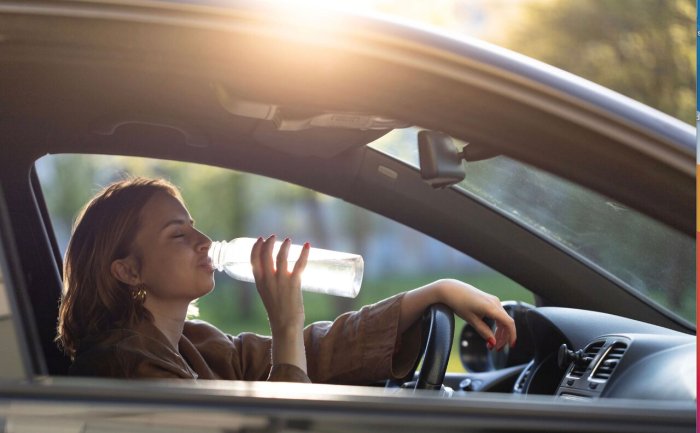
Staying hydrated while traveling is crucial for overall health and well-being. Dehydration can have serious consequences, especially when on the move and exposed to different climates and activities. Proper hydration is key to ensuring a safe and enjoyable travel experience.
Effects of Dehydration
- Increased fatigue and drowsiness
- Dizziness and lightheadedness
- Headaches and migraines
- Impaired cognitive function
Benefits of Proper Hydration for Travelers
- Improved energy levels for exploring new destinations
- Enhanced focus and alertness during travel activities
- Regulation of body temperature in varying climates
- Boosted immune system to prevent illnesses while on the go
Hydration Tips
Staying hydrated while traveling is essential to ensure you feel your best and stay healthy throughout your journey. Here are some tips to help you maintain proper hydration levels on the go.
Types of Fluids for Hydration, Hydration tips for travelers
When it comes to staying hydrated during travel, water is always the best choice. However, other fluids such as coconut water, sports drinks, and herbal teas can also help replenish electrolytes lost during travel. Avoid sugary drinks and excessive caffeine, as they can dehydrate you.
Strategies for Adequate Water Intake
– Carry a reusable water bottle with you and refill it whenever possible.
– Set reminders on your phone to drink water regularly, especially during long flights or road trips.
– Opt for water-rich foods like fruits and veggies to supplement your hydration.
– Avoid excessive alcohol consumption, as it can dehydrate you even further.
Remember, staying hydrated is key to feeling your best while traveling. Keep these tips in mind to ensure you stay healthy and energized throughout your journey.
Stress Management: Hydration Tips For Travelers
Hydration tips for travelers – Staying hydrated is not only crucial for physical health but also plays a significant role in managing stress, especially during travel.
Dehydration can lead to increased stress levels, as the body may struggle to function optimally when lacking proper hydration. This can result in feelings of fatigue, irritability, and overall decreased well-being.
Techniques for Managing Stress while Traveling
- Stay Hydrated: Make sure to drink plenty of water throughout the day to keep your body functioning at its best and help alleviate stress.
- Practice Deep Breathing: Take a few minutes to focus on deep breathing exercises to calm your mind and reduce stress levels.
- Get Moving: Engage in light physical activity like stretching or taking a short walk to release tension and boost your mood.
- Listen to Music: Create a playlist of calming music to listen to while on the road to help relax and unwind.
- Practice Mindfulness: Stay present in the moment and practice mindfulness techniques to reduce anxiety and stress.
Healthy Lifestyle
Staying hydrated is a crucial component of maintaining a healthy lifestyle, especially for travelers who are constantly on the go. Proper hydration not only helps to prevent dehydration but also supports overall well-being and enhances the travel experience.
Benefits of Hydration for Travelers
Hydration plays a vital role in ensuring that travelers stay healthy and energized throughout their journey. Here are some key benefits of staying hydrated while traveling:
- Boosts Energy Levels: Drinking an adequate amount of water helps to combat fatigue and keep travelers feeling refreshed and alert.
- Supports Immune Function: Hydration is essential for maintaining a strong immune system, which is particularly important when exposed to new environments.
- Improves Digestion: Drinking enough water can aid in digestion and prevent common gastrointestinal issues that may arise during travel.
- Enhances Skin Health: Proper hydration contributes to healthy skin, helping travelers maintain a radiant and glowing complexion.
Incorporating Hydration into a Healthy Travel Routine
Here are some practical tips for travelers to ensure they stay hydrated and maintain a healthy lifestyle while on the move:
- Carry a Reusable Water Bottle: Investing in a reusable water bottle makes it easy to have access to water at all times, whether exploring a new city or waiting at the airport.
- Set Reminders: Use alarms or smartphone apps to remind yourself to drink water regularly throughout the day, especially in busy or distracting environments.
- Opt for Water-Rich Foods: Incorporate fruits and vegetables with high water content, such as watermelon, cucumbers, and oranges, into your meals and snacks.
- Avoid Excessive Caffeine and Alcohol: While it may be tempting to indulge in coffee or cocktails while traveling, these beverages can contribute to dehydration, so consume them in moderation.
- Monitor Urine Color: Pay attention to the color of your urine as a simple indicator of hydration levels. Aim for pale yellow to clear urine, which signifies proper hydration.
Medical Innovations
Medical innovations have played a crucial role in improving hydration solutions for travelers. These advancements have led to the development of technologies and products that enhance hydration practices during travel, ensuring better health and well-being for individuals on the go.
Smart Water Bottles
Smart water bottles are a prime example of medical innovations that have revolutionized hydration for travelers. These bottles are equipped with technology that tracks water intake, reminds users to drink water regularly, and even calculates the ideal hydration levels based on individual needs.
IV Hydration Therapy
IV hydration therapy has gained popularity among travelers seeking quick and effective hydration solutions. This medical innovation involves administering fluids, electrolytes, and vitamins directly into the bloodstream, providing rapid hydration and replenishment for individuals suffering from dehydration or jet lag.
Hydration Monitoring Wearables
Hydration monitoring wearables, such as smart watches and fitness trackers, have been developed to track hydration levels in real-time. These devices can provide valuable insights into a traveler’s hydration status, prompting them to drink more water and stay adequately hydrated throughout their journey.
Nutritional Supplements
Nutritional supplements play a crucial role in maintaining hydration levels while traveling. These supplements can help travelers stay hydrated and energized, especially during long journeys or in hot climates. By incorporating the right supplements into your travel diet, you can ensure optimal hydration and overall well-being.
Supplements for Hydration
- Electrolyte Tablets: These tablets contain essential minerals like sodium, potassium, and magnesium, which are lost through sweat during travel. Adding electrolyte tablets to your water can help replenish these electrolytes and maintain proper hydration levels.
- Hydration Powders: Hydration powders are convenient packets that can be easily added to water bottles. They often contain a mix of electrolytes and vitamins to support hydration and overall health while on the go.
- Coconut Water: Natural coconut water is a great source of electrolytes, particularly potassium. It can be a refreshing and hydrating alternative to sugary drinks or sports beverages.
Tips for Incorporating Nutritional Supplements
- Plan Ahead: Pack your nutritional supplements in travel-friendly containers or packets to ensure you have them readily available during your journey.
- Stay Consistent: Make it a habit to include your supplements in your daily travel diet to maintain hydration and energy levels throughout your trip.
- Consult a Healthcare Professional: If you have specific dietary needs or medical conditions, consult with a healthcare professional to determine the best supplements for your travel hydration needs.
Fitness Routine
Staying hydrated is crucial for travelers who want to maintain a consistent fitness routine while on the go. Proper hydration plays a key role in optimizing physical performance and ensuring that the body functions at its best during workouts.
Importance of Hydration in Fitness
Hydration is essential for supporting muscle function, joint lubrication, and temperature regulation during exercise. Without an adequate intake of fluids, travelers may experience fatigue, cramps, and decreased endurance, ultimately hindering their fitness progress.
- Drink water consistently throughout the day to stay hydrated, especially before and after workouts.
- Consider carrying a reusable water bottle to have easy access to water while traveling.
- Monitor your urine color to ensure proper hydration levels – aim for a pale yellow color.
- Avoid excessive consumption of caffeine and alcohol, as they can contribute to dehydration.
Health Screenings
Health screenings are essential for travelers to ensure their well-being while on the go. Hydration plays a crucial role in the accuracy and effectiveness of these screenings, impacting the results obtained.
Importance of Hydration in Health Screenings
Optimal hydration levels are necessary for accurate health screenings during travel. Dehydration can lead to false readings and misinterpretation of results, affecting the overall assessment of an individual’s health.
Impact of Hydration Levels on Screening Results
- Dehydration can lead to concentrated blood samples, affecting blood test results and potentially indicating false abnormalities.
- Urinalysis results may be skewed due to dehydration, providing inaccurate information about kidney function and overall hydration status.
- Hydration levels can influence blood pressure readings, with dehydration potentially causing a temporary spike in readings.
Tips for Maintaining Optimal Hydration Before Health Screenings
- Drink plenty of water leading up to the health screening to ensure proper hydration levels.
- Avoid excessive caffeine and alcohol consumption, as these can contribute to dehydration.
- Include hydrating foods in your diet, such as fruits and vegetables with high water content.
- Carry a reusable water bottle with you while traveling to stay hydrated throughout the day.
Disease Prevention
Proper hydration plays a crucial role in disease prevention, especially for travelers who may be exposed to different environments and potential health risks during their journeys. By maintaining adequate hydration levels, travelers can boost their immune system and reduce the risk of falling ill while away from home.
Hydration and Immune System Boost
- Hydration helps in flushing out toxins and waste products from the body, allowing the immune system to function optimally.
- Dehydration can weaken the immune system, making travelers more susceptible to infections and illnesses.
- Drinking enough water and fluids can help in the production of lymph, a crucial component of the immune system that helps in fighting off pathogens.
Tips for Reducing Illness Risk
- Carry a reusable water bottle and make a conscious effort to drink water regularly, especially in hot or dry climates.
- Avoid excessive consumption of caffeine or alcohol, as they can contribute to dehydration.
- Include hydrating foods in your diet, such as fruits and vegetables with high water content.
- Consider using oral rehydration solutions or electrolyte drinks to replenish lost fluids, especially after long flights or strenuous activities.
Sleep Hygiene
Maintaining good sleep hygiene is essential for travelers to ensure they get adequate rest while on the road. One important factor that can impact sleep quality is hydration. Let’s explore the connection between hydration and sleep hygiene for travelers.
Hydration and Sleep Quality
Staying hydrated plays a crucial role in improving sleep quality during travel. Dehydration can lead to discomfort, restlessness, and even sleep disturbances. By ensuring proper hydration, travelers can promote better sleep patterns and overall well-being.
- Drink plenty of water throughout the day to stay hydrated.
- Avoid excessive caffeine and alcohol consumption, as they can dehydrate the body.
- Consider carrying a reusable water bottle to have easy access to water during travel.
- Monitor your urine color as a simple indicator of hydration levels.
Tips for Good Sleep Hygiene Through Hydration Practices
Maintaining good sleep hygiene through hydration practices while on the road is crucial for travelers to feel well-rested and rejuvenated. Here are some tips to help you achieve that:
- Avoid consuming large amounts of fluids close to bedtime to prevent frequent trips to the bathroom during the night.
- Create a bedtime routine that includes drinking a glass of water to stay hydrated before sleep.
- Opt for hydrating snacks like fruits and vegetables to supplement your fluid intake.
- Use a humidifier in your hotel room to maintain optimal hydration levels in the air.
Mental Clarity
Maintaining mental clarity is crucial for travelers to stay focused and alert during their journeys. Proper hydration plays a key role in enhancing cognitive function and ensuring mental sharpness while on the go.
Impact of Hydration on Mental Clarity
Staying hydrated is essential for optimal brain function, as even mild dehydration can impair concentration, memory, and decision-making abilities. Dehydration can lead to feelings of fatigue, confusion, and brain fog, making it challenging to stay mentally sharp during travel.
- Hydration stimulates the flow of oxygen and nutrients to the brain, promoting mental alertness and clarity.
- Drinking enough water helps regulate neurotransmitter function, which is essential for cognitive processes such as learning and problem-solving.
- Proper hydration supports the removal of toxins and waste products from the brain, improving overall cognitive function.
Cognitive Benefits of Proper Hydration
Ensuring adequate hydration levels while traveling can result in numerous cognitive benefits, including improved focus, memory retention, and overall mental performance. By staying properly hydrated, travelers can enhance their ability to process information, make quick decisions, and adapt to new environments effectively.
- Hydration boosts energy levels, helping travelers stay alert and attentive throughout their journeys.
- Proper fluid intake promotes a positive mood and reduces feelings of stress or anxiety that can hinder mental clarity.
- Hydration supports neuroplasticity, the brain’s ability to reorganize and adapt, enhancing cognitive flexibility and problem-solving skills.
Enhancing Mental Clarity Through Hydration Strategies
To optimize mental clarity while traveling, consider implementing the following hydration strategies:
- Carry a reusable water bottle and refill it regularly to ensure constant access to hydration.
- Set reminders or alarms on your phone to prompt you to drink water at regular intervals throughout the day.
- Avoid excessive consumption of caffeinated or alcoholic beverages, as they can contribute to dehydration and impair cognitive function.
- Incorporate hydrating foods such as fruits, vegetables, and soups into your travel diet to supplement your fluid intake.
- Monitor your urine color as a simple indicator of hydration status – aim for pale yellow to clear urine to ensure adequate hydration.
FAQs
How often should I drink water while traveling?
It’s recommended to drink water every 1-2 hours to stay adequately hydrated, especially during long journeys.
Are sports drinks better than water for hydration during travel?
Sports drinks can be beneficial for replenishing electrolytes, but water is generally the best choice for hydration.
Can I drink coffee or alcohol while traveling without affecting my hydration levels?
Caffeinated and alcoholic beverages can contribute to dehydration, so it’s important to balance them with water intake.
How can I ensure I’m getting enough water intake while on a plane?
Bring a refillable water bottle and ask for water from the flight attendants to ensure you stay hydrated throughout the flight.