Best nutritional healthy habits for optimal digestion and energy – Best Digestive Habits for Energy and Wellness: Our gut health plays a crucial role in our overall well-being, impacting everything from energy levels to mental clarity. This article delves into the intricate connection between digestion and energy, exploring the nutritional strategies that can optimize your digestive system and unlock a vibrant, energetic you.
From understanding the gut-energy connection to adopting a mindful approach to eating, this guide offers practical insights and actionable tips to empower you to cultivate a healthy digestive system and experience sustained energy throughout the day. We’ll discuss the importance of fiber, probiotics, and prebiotics, explore the role of hydration and stress management, and highlight the benefits of regular exercise and quality sleep.
Dietary Essentials for Optimal Digestion: Best Nutritional Healthy Habits For Optimal Digestion And Energy
Nourishing your body with the right foods is crucial for maintaining a healthy digestive system. By understanding the key nutrients that support digestion and incorporating them into your diet, you can promote optimal gut health and overall well-being.
Fiber: The Foundation for Digestive Health
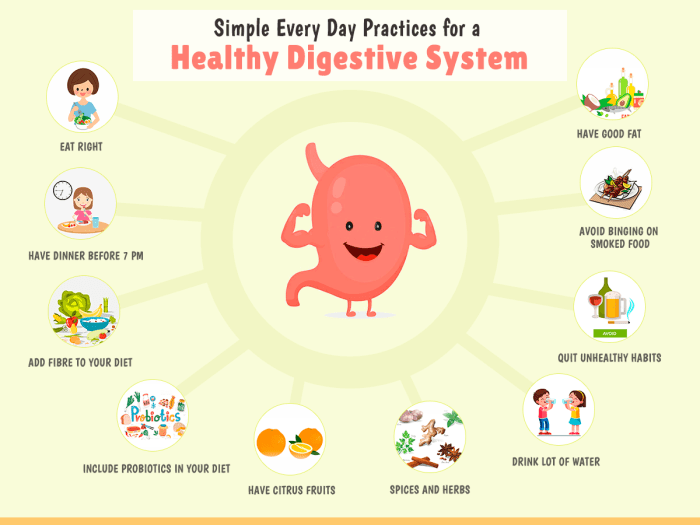
Fiber is an essential nutrient that plays a vital role in promoting digestive health. It adds bulk to your stool, making it easier to pass through your digestive tract and preventing constipation. Fiber also acts as a prebiotic, feeding the beneficial bacteria in your gut.
Examples of Fiber-Rich Foods
- Fruits: Apples, pears, berries, bananas
- Vegetables: Broccoli, carrots, spinach, Brussels sprouts
- Whole Grains: Brown rice, quinoa, oats, whole-wheat bread
- Legumes: Beans, lentils, chickpeas
- Nuts and Seeds: Almonds, chia seeds, flaxseeds
Probiotics: Beneficial Bacteria for Gut Health
Probiotics are live microorganisms that, when consumed in adequate amounts, provide health benefits to the host. They help maintain a healthy balance of bacteria in your gut, supporting digestion, immunity, and overall well-being.
Examples of Probiotic-Rich Foods
- Fermented Foods: Yogurt, kefir, sauerkraut, kimchi
- Pickles: Fermented cucumbers
- Tempeh: Fermented soybean product
- Kombucha: Fermented tea drink
Prebiotics: Fuel for Beneficial Bacteria
Prebiotics are non-digestible fibers that act as food for the beneficial bacteria in your gut. They promote the growth and activity of these bacteria, further supporting digestive health.
Examples of Prebiotic-Rich Foods
- Onions and Garlic: These pungent vegetables contain fructans, a type of prebiotic fiber.
- Asparagus: Contains inulin, a prebiotic fiber that promotes the growth of beneficial bacteria.
- Chicory Root: A good source of inulin, often used as a coffee substitute.
- Bananas: Contain resistant starch, a type of prebiotic fiber that is not digested in the small intestine.
Sample Meal Plan for Optimal Digestion, Best nutritional healthy habits for optimal digestion and energy
Breakfast
- Overnight Oats with Berries and Chia Seeds
- Yogurt with Granola and Sliced Bananas
Lunch
- Lentil Soup with Whole-Wheat Bread
- Salad with Grilled Chicken or Tofu, Quinoa, and Mixed Greens
Dinner
- Salmon with Roasted Vegetables and Brown Rice
- Chicken Stir-Fry with Tofu and Brown Rice Noodles
Snacks
- Fruit with Nuts and Seeds
- Yogurt with Berries
- Hummus with Whole-Wheat Crackers
Hydration for Digestive Health and Energy
Water is essential for a healthy digestive system. It plays a crucial role in breaking down food, transporting nutrients, and eliminating waste. Staying adequately hydrated is vital for maintaining optimal digestion and energy levels.
Importance of Water for Digestion
Water is a key component of digestive juices, which help break down food into smaller molecules that can be absorbed by the body. These juices include saliva, gastric acid, and pancreatic enzymes. Without enough water, these juices become thick and less effective, slowing down digestion and leading to constipation.
Water also helps move food through the digestive tract, preventing constipation and promoting regular bowel movements.
Dehydration’s Impact on Digestion and Energy
When you’re dehydrated, your body conserves water by reducing digestive fluid production. This can lead to:
- Constipation:Dehydration makes stools harder and more difficult to pass, leading to constipation.
- Bloating and Gas:Reduced digestive fluid production can cause food to move more slowly through the digestive tract, leading to bloating and gas.
- Indigestion:Dehydration can make it harder for your body to break down food, leading to indigestion and heartburn.
- Reduced Energy Levels:Dehydration can lead to fatigue and decreased energy levels, as your body needs water to function efficiently.
Daily Hydration Plan for Optimal Digestion and Energy
Here’s a sample hydration plan to support optimal digestion and energy throughout the day:
- Start your day with water:Drink a large glass of water first thing in the morning to rehydrate your body after sleep.
- Drink water throughout the day:Aim to drink water consistently throughout the day, especially between meals.
- Drink water before, during, and after meals:Water helps with digestion and nutrient absorption.
- Choose water over sugary drinks:Sugary drinks can dehydrate you and contribute to digestive issues.
- Listen to your body:If you feel thirsty, drink water. Your body is a good indicator of your hydration levels.
Eating Habits for Enhanced Digestion and Energy
Your eating habits play a crucial role in your digestive health and energy levels. Eating regularly, avoiding overeating, and practicing mindful eating can significantly impact your body’s ability to digest food efficiently and maintain optimal energy levels.
Regular Meal Times and Avoiding Overeating
Maintaining a consistent meal schedule helps regulate your body’s digestive processes and hormone production. When you eat at regular intervals, your body anticipates the arrival of food and prepares its digestive system accordingly, leading to more efficient digestion. On the other hand, skipping meals or eating irregularly can disrupt this rhythm, causing digestive issues and fluctuations in energy levels.
Furthermore, overeating can overload your digestive system, leading to discomfort, bloating, and sluggishness. Your body needs time to digest and process food, and consuming excessive amounts at once can hinder this process.
Mindful Eating Practices
Mindful eating is a practice that encourages you to pay attention to your food and eating experience. By focusing on your senses, savoring each bite, and chewing thoroughly, you can improve digestion and increase your energy levels. Here are some tips for practicing mindful eating:
- Eat in a calm and relaxed environment:Avoid distractions like television, phones, or work while eating.
- Focus on your food:Pay attention to the taste, texture, and aroma of your food.
- Chew your food thoroughly:This helps break down food into smaller particles, making it easier for your body to digest.
- Listen to your body’s signals:Stop eating when you feel satisfied, not stuffed.
Creating a Relaxed and Enjoyable Dining Experience
A relaxed and enjoyable dining experience can enhance your digestion and energy levels. Here are some tips for creating a positive eating environment:
- Set the table:Use a nice tablecloth, napkins, and silverware to create a more formal and inviting atmosphere.
- Light candles:The soft glow of candles can create a calming and romantic ambiance.
- Play soft music:Music can help create a relaxed and enjoyable dining experience.
- Engage in conversation:Talking with friends and family can make mealtimes more enjoyable and help you relax.
Stress Management for Digestive Health
Stress is a common part of modern life, but it can have a significant impact on our digestive health. When we’re stressed, our bodies release hormones like cortisol, which can disrupt the balance of bacteria in our gut, leading to gut dysbiosis and inflammation.
This can manifest as a range of digestive issues, including bloating, constipation, diarrhea, and irritable bowel syndrome (IBS).
Effective Stress Management Techniques
Managing stress effectively is crucial for maintaining a healthy digestive system and overall well-being. Here are some proven techniques that can promote digestive health and energy levels:
- Mindfulness Meditation:Engaging in mindfulness meditation involves focusing on the present moment without judgment, which can help calm the nervous system and reduce stress hormones. Regular practice can improve digestion by promoting relaxation and reducing stress-induced gut dysbiosis.
- Deep Breathing Exercises:Deep breathing exercises, such as diaphragmatic breathing, can help regulate the nervous system and reduce stress. By slowing down the breath and focusing on the sensations of breathing, these exercises can promote relaxation and reduce stress-related digestive symptoms.
- Yoga and Physical Activity:Yoga combines physical postures, breathing techniques, and meditation, offering a holistic approach to stress management. Regular yoga practice can enhance digestive health by improving gut motility, reducing inflammation, and promoting relaxation. Engaging in other forms of physical activity, like walking or swimming, can also release endorphins, reduce stress, and improve digestive function.
- Adequate Sleep:Sleep deprivation can exacerbate stress and negatively impact digestive health. Aim for 7-8 hours of quality sleep each night to allow your body to rest and repair, promoting a healthy gut microbiome and reducing stress levels.
Stress-Reducing Routine
Here’s an example of a stress-reducing routine that incorporates meditation, yoga, and deep breathing exercises:
- Start with 10 minutes of mindfulness meditation:Find a quiet space, close your eyes, and focus on your breath. Observe the sensations of each inhale and exhale without judgment.
- Follow with 15 minutes of gentle yoga:Choose a few poses that promote relaxation and stress relief, such as child’s pose, downward-facing dog, or seated forward bend.
- End with 5 minutes of deep breathing exercises:Sit or lie down comfortably and focus on taking slow, deep breaths. Inhale deeply through your nose, filling your lungs, and exhale slowly through your mouth. Repeat for 5 minutes.
Exercise and Energy
Regular physical activity is not only crucial for maintaining a healthy weight and reducing the risk of chronic diseases but also plays a significant role in optimizing digestion and boosting energy levels. Exercise can enhance gut motility, reduce bloating, and improve energy production, leading to a more efficient and energized body.
Exercise Benefits for Digestion
Exercise can improve gut motility, the process of muscle contractions that move food through the digestive tract. This helps prevent constipation and promotes regular bowel movements.
- Increased Blood Flow:Exercise increases blood flow to the digestive system, which can help improve nutrient absorption and waste elimination.
- Improved Muscle Function:Exercise strengthens the muscles involved in digestion, making it easier for food to move through the digestive tract.
- Reduced Bloating:Exercise can help reduce bloating by stimulating the release of gas from the intestines.
Exercise Benefits for Energy Levels
Exercise can boost energy levels by increasing the efficiency of energy production in the body.
- Increased Mitochondrial Function:Exercise increases the number and function of mitochondria, the powerhouses of cells, which are responsible for energy production.
- Improved Insulin Sensitivity:Exercise can improve insulin sensitivity, which helps regulate blood sugar levels and provide a steady source of energy.
- Reduced Fatigue:Regular exercise can reduce fatigue and improve overall energy levels by enhancing the body’s ability to utilize energy efficiently.
Exercise Routines for Different Fitness Levels
- Beginners:Start with low-impact exercises like walking, swimming, or yoga for 30 minutes, 3-4 times a week. Gradually increase the duration and intensity as you become more comfortable.
- Intermediate:Incorporate moderate-intensity exercises like jogging, cycling, or dancing for 30-60 minutes, 3-5 times a week.
- Advanced:Engage in high-intensity interval training (HIIT) or strength training exercises for 30-45 minutes, 2-3 times a week.
Sleep for Optimal Digestion and Energy
Getting enough quality sleep is crucial for a healthy digestive system and overall energy levels. Just like our bodies need rest after physical activity, our digestive system needs time to repair and rejuvenate while we sleep.
Sleep Deprivation and Its Impact on Digestion
Sleep deprivation can disrupt the natural rhythm of our digestive system, leading to various issues. When we don’t get enough sleep, our bodies produce more of the stress hormone cortisol, which can interfere with the production of digestive enzymes and slow down the digestive process.
This can lead to symptoms like bloating, constipation, and heartburn.
Sleep Hygiene Routine for Digestive Health
Establishing a consistent sleep routine can significantly improve both digestion and energy levels. Here are some tips for creating a healthy sleep environment:
- Maintain a Regular Sleep Schedule:Go to bed and wake up around the same time each day, even on weekends, to regulate your body’s natural sleep-wake cycle.
- Create a Relaxing Bedtime Routine:Wind down an hour or two before bed by engaging in calming activities like reading, taking a warm bath, or listening to soothing music.
- Optimize Your Sleep Environment:Ensure your bedroom is dark, quiet, and cool. Invest in a comfortable mattress and pillows that support your spine.
- Limit Screen Time Before Bed:The blue light emitted from electronic devices can interfere with melatonin production, a hormone that regulates sleep.
- Avoid Caffeine and Alcohol Before Bed:These substances can disrupt sleep patterns and lead to digestive issues.
Mental Clarity and Energy
A sharp mind and sustained energy levels are crucial for navigating daily life effectively. While these two elements may seem distinct, they are intricately connected, forming a foundation for optimal well-being.
The Interplay of Mental Clarity and Energy
Mental clarity and energy are mutually reinforcing. When you have a clear mind, you can focus better, process information efficiently, and make sound decisions. This, in turn, leads to a sense of accomplishment and increased energy levels. Conversely, when your energy is depleted, your mental clarity suffers, leading to difficulties concentrating, making decisions, and completing tasks.
Digestive Health and Cognitive Function
The gut-brain connection is a well-established scientific concept. Your digestive system plays a significant role in influencing your mental state. A healthy gut microbiome, populated by beneficial bacteria, contributes to the production of neurotransmitters that impact mood, memory, and cognitive function.
Conversely, an imbalanced gut microbiome can lead to inflammation and increased permeability of the gut lining, allowing toxins to enter the bloodstream and potentially affect brain function.
Stress Management and Cognitive Performance
Chronic stress can significantly impact cognitive function. When you’re stressed, your body releases hormones like cortisol, which can impair memory, attention, and decision-making abilities. Moreover, stress can disrupt sleep patterns, further exacerbating cognitive decline.
Strategies for Enhancing Mental Clarity and Focus
Dietary Choices
- Prioritize Nutrient-Rich Foods:A diet rich in fruits, vegetables, whole grains, lean protein, and healthy fats provides the essential nutrients for optimal brain function.
- Hydrate Regularly:Dehydration can lead to fatigue and difficulty concentrating. Aim for eight glasses of water daily.
- Limit Processed Foods and Sugary Drinks:These foods can cause blood sugar spikes and crashes, leading to energy fluctuations and cognitive decline.
Exercise and Physical Activity
- Regular Exercise:Physical activity improves blood flow to the brain, enhances cognitive function, and reduces stress levels.
- Mindful Movement:Activities like yoga, tai chi, and qigong combine physical movement with deep breathing and meditation, promoting relaxation and mental clarity.
Relaxation Techniques
- Meditation:Regular meditation practice can help reduce stress, improve focus, and enhance cognitive function.
- Deep Breathing Exercises:Deep, slow breaths deliver more oxygen to the brain, promoting alertness and clarity.
- Mindfulness:Paying attention to the present moment without judgment can help reduce stress and improve focus.
Healthy Aging and Digestive Health

As we age, our bodies naturally undergo changes, and our digestive system is no exception. While these changes are a normal part of the aging process, understanding their impact and adopting proactive strategies can help maintain optimal digestive health and energy levels throughout life.
Impact of Aging on Digestion and Energy
Aging can affect various aspects of digestive function, potentially leading to changes in energy levels. These changes can include:
- Slower digestion:The muscles in the digestive tract may weaken with age, slowing down the movement of food through the system. This can lead to constipation, bloating, and discomfort.
- Reduced production of digestive enzymes:The pancreas, responsible for producing digestive enzymes, may become less efficient with age, making it harder to break down food properly.
- Changes in gut bacteria:The composition of gut bacteria can shift with age, potentially affecting digestion and nutrient absorption.
- Decreased stomach acid production:Lower stomach acid levels can hinder the breakdown of food and increase the risk of infections.
- Reduced energy levels:Digestive issues can lead to nutrient deficiencies, which can contribute to fatigue and lower energy levels.
Strategies for Maintaining Digestive Health as We Age
Adopting healthy lifestyle habits can play a crucial role in supporting digestive health and energy as we age:
- Fiber-rich diet:Including plenty of fiber in your diet helps regulate bowel movements, prevent constipation, and support a healthy gut microbiome. Examples of fiber-rich foods include fruits, vegetables, whole grains, and legumes.
- Hydration:Staying adequately hydrated is essential for digestion and overall health. Aim for at least eight glasses of water per day.
- Regular exercise:Physical activity can stimulate bowel movements, improve digestion, and boost energy levels. Aim for at least 30 minutes of moderate-intensity exercise most days of the week.
- Stress management:Chronic stress can negatively impact digestion. Incorporate stress-reducing techniques into your daily routine, such as meditation, yoga, or deep breathing exercises.
- Adequate sleep:Getting enough sleep is crucial for digestive health and energy restoration. Aim for 7-9 hours of quality sleep each night.
- Probiotics:Probiotics are beneficial bacteria that can help restore the balance of gut flora. They can be found in fermented foods like yogurt, kefir, and sauerkraut, or as supplements.
- Prebiotics:Prebiotics are types of fiber that act as food for beneficial bacteria in the gut. They can be found in foods like garlic, onions, bananas, and asparagus.
Healthy Lifestyle Choices for Healthy Aging and Digestive Well-being
Beyond specific dietary and lifestyle strategies, several broader healthy lifestyle choices can contribute to digestive health and overall well-being as we age:
- Maintain a healthy weight:Obesity can put extra strain on the digestive system. Maintaining a healthy weight through a balanced diet and regular exercise can help reduce the risk of digestive problems.
- Limit alcohol consumption:Excessive alcohol consumption can irritate the digestive system and contribute to digestive issues. Moderation is key.
- Avoid smoking:Smoking can damage the digestive tract and increase the risk of digestive cancers.
- Regular medical checkups:Schedule regular visits with your healthcare provider to monitor your digestive health and address any concerns promptly.
Nutritional Supplements for Digestive Health
While a balanced diet is crucial for digestive health, certain nutritional supplements can provide additional support for optimal digestion and energy levels. These supplements can help address specific nutritional deficiencies or support the body’s natural processes involved in digestion.
Probiotics
Probiotics are live microorganisms, primarily bacteria, that are beneficial for the gut microbiome. They help maintain a healthy balance of bacteria in the gut, which is essential for proper digestion, nutrient absorption, and immune function.
- Probiotics can help alleviate symptoms of digestive disorders such as irritable bowel syndrome (IBS), diarrhea, and constipation.
- They may also contribute to reducing inflammation in the gut and improving immune response.
- Common probiotic strains include Lactobacillus and Bifidobacterium.
Prebiotics
Prebiotics are non-digestible fibers that act as food for the beneficial bacteria in the gut. They promote the growth and activity of probiotics, contributing to a healthy gut microbiome.
- Prebiotics are found naturally in foods such as onions, garlic, asparagus, and bananas.
- They can also be taken as supplements in the form of inulin, fructans, and galacto-oligosaccharides.
- Prebiotics support digestive regularity, improve nutrient absorption, and enhance immune function.
Digestive Enzymes
Digestive enzymes are proteins that break down food molecules into smaller components that can be absorbed by the body. Supplementing with digestive enzymes can be beneficial for individuals with digestive issues or those who have difficulty digesting certain foods.
- Digestive enzymes can aid in the breakdown of proteins, carbohydrates, and fats, improving nutrient absorption and reducing digestive discomfort.
- They can be helpful for individuals with conditions such as lactose intolerance, celiac disease, or pancreatitis.
- Common digestive enzymes include protease, amylase, and lipase.
Importance of Consultation
It is essential to consult with a healthcare professional before taking any nutritional supplements, including probiotics, prebiotics, and digestive enzymes. They can assess your individual needs, potential interactions with medications, and any underlying health conditions.
“Supplements should be considered an adjunct to a healthy diet and lifestyle, not a replacement for them.”
End of Discussion
By embracing these digestive-friendly habits, you can cultivate a healthy gut, boost your energy levels, and enhance your overall well-being. Remember, it’s a journey, and every small step you take towards optimizing your digestion contributes to a healthier, more vibrant you.
So, take charge of your gut health today and unlock a world of energy and vitality!
Essential FAQs
What are some common digestive issues that can affect energy levels?
Common digestive issues that can impact energy levels include constipation, diarrhea, bloating, irritable bowel syndrome (IBS), and indigestion. These issues can disrupt nutrient absorption, lead to inflammation, and cause discomfort, ultimately impacting your energy levels.
How can I tell if my digestion is affecting my energy levels?
If you experience persistent fatigue, low energy, brain fog, or digestive discomfort alongside digestive issues, it’s a strong indication that your digestion might be affecting your energy levels.
What are some natural remedies for digestive issues?
Natural remedies for digestive issues include incorporating fiber-rich foods, consuming fermented foods or taking probiotics, staying hydrated, managing stress, and engaging in regular physical activity.