Best stress relief activities for managing anxiety and overwhelm are essential for maintaining overall well-being. Stress and anxiety are common experiences that can negatively impact our physical and mental health. Learning to manage these challenges is crucial for living a fulfilling and balanced life.
This guide will explore a range of effective stress relief activities, from mindfulness practices to physical activity and social connections. We’ll delve into the science behind these techniques and provide practical tips for incorporating them into your daily routine.
Understanding Stress and Anxiety
Stress and anxiety are common human experiences, often used interchangeably, but they have distinct differences. Understanding these differences is crucial for effectively managing them.
Distinguishing Stress from Anxiety
Stress is a natural response to challenging situations, a physiological and psychological reaction to demands placed upon us. It can be short-term, like before a presentation, or long-term, like dealing with a chronic illness. Anxiety, on the other hand, is a feeling of worry, nervousness, and apprehension, often about future events or situations.
It’s an emotional response to perceived threats, even if they are not objectively dangerous.
Common Triggers for Stress and Anxiety
- Major Life Changes:Events like moving, starting a new job, or losing a loved one can trigger stress and anxiety.
- Financial Concerns:Money worries, debt, and job insecurity can significantly contribute to stress.
- Work-Related Stress:Demanding deadlines, difficult colleagues, and job dissatisfaction can cause both stress and anxiety.
- Relationships:Conflicts with family, friends, or romantic partners can lead to significant emotional distress.
- Health Issues:Chronic illnesses, injuries, or health concerns can trigger both stress and anxiety.
Physical and Emotional Symptoms of Stress and Anxiety
Both stress and anxiety can manifest physically and emotionally. While there is overlap, some symptoms are more characteristic of one than the other.
- Stress Symptoms:
- Muscle tension and headaches
- Fatigue and difficulty sleeping
- Increased heart rate and blood pressure
- Digestive issues
- Irritability and difficulty concentrating
- Anxiety Symptoms:
- Excessive worry and fear
- Restlessness and difficulty relaxing
- Panic attacks, characterized by intense fear and physical symptoms like chest pain and shortness of breath
- Social anxiety, fear of social situations or public speaking
- Generalized anxiety disorder, persistent worry about various things
The Importance of Stress Relief
Stress relief is not just about feeling good; it’s a vital component of maintaining overall well-being. By effectively managing stress, you can improve your physical and mental health, enhance your relationships, and boost your productivity.
The Link Between Stress and Health Issues
Chronic stress can have a detrimental impact on various aspects of your health. When your body is constantly in “fight or flight” mode, it releases hormones like cortisol, which can lead to a cascade of negative effects.
- Cardiovascular Disease:Prolonged stress can contribute to high blood pressure, increased heart rate, and hardening of the arteries, increasing the risk of heart attacks and strokes.
- Mental Health Issues:Stress is a major trigger for anxiety, depression, and other mental health disorders. It can also exacerbate existing conditions.
- Weakened Immune System:Chronic stress can suppress the immune system, making you more susceptible to infections and illnesses.
- Digestive Problems:Stress can disrupt digestion, leading to symptoms like heartburn, ulcers, and irritable bowel syndrome.
- Sleep Disturbances:Stress can make it difficult to fall asleep and stay asleep, leading to fatigue and impaired cognitive function.
Benefits of Stress Relief Practices
Incorporating stress relief practices into your daily life can significantly improve your well-being. Here are some key benefits:
- Reduced Anxiety and Depression:Stress relief techniques like meditation, yoga, and deep breathing can help calm your mind and reduce feelings of anxiety and depression.
- Improved Sleep Quality:By reducing stress levels, you can improve your sleep quality, leading to increased energy and focus during the day.
- Enhanced Mood and Emotional Regulation:Stress relief practices can help you develop greater emotional resilience and better manage your emotions.
- Increased Productivity and Focus:When you’re less stressed, you can concentrate better, make more effective decisions, and be more productive in your work and personal life.
- Stronger Relationships:Stress can put a strain on relationships, but by managing your stress levels, you can improve communication and create a more harmonious environment.
Effective Stress Relief Activities
Finding healthy ways to manage stress is crucial for maintaining overall well-being. Engaging in stress relief activities can help you cope with anxiety, improve your mood, and enhance your overall quality of life.
Physical Activities
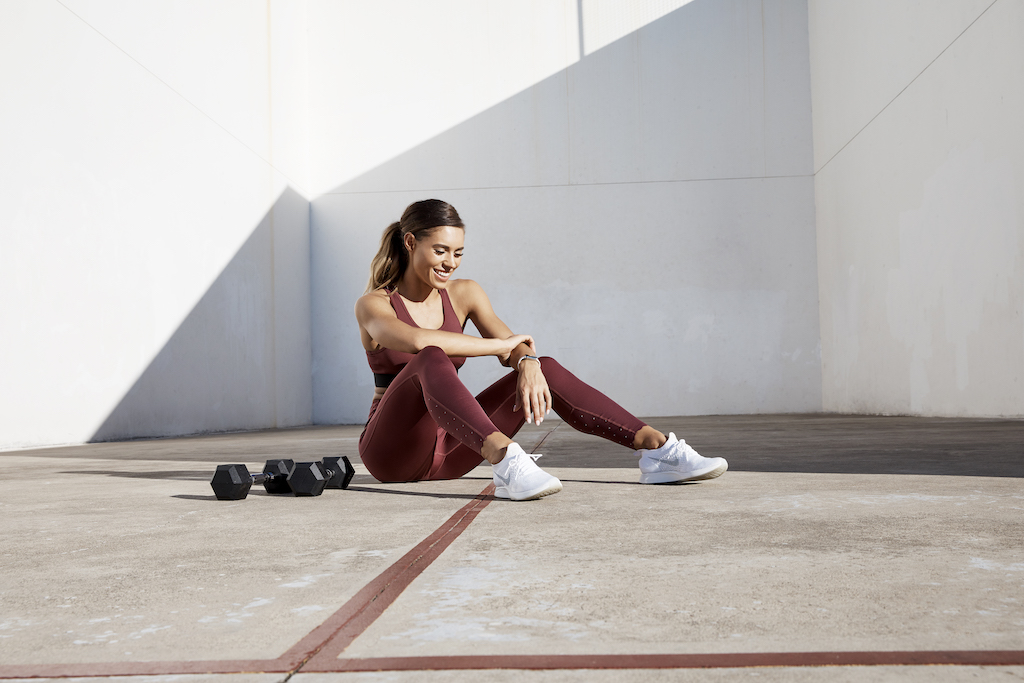
Physical activity is a powerful stress reliever, as it releases endorphins, which have mood-boosting effects.
- Exercise:Engaging in regular physical activity, such as running, swimming, or cycling, can help reduce stress hormones like cortisol. Exercise also improves sleep quality, which is essential for managing stress.
- Yoga:This practice combines physical postures, breathing techniques, and meditation, promoting relaxation and reducing stress. Yoga can help improve flexibility, balance, and strength, while also calming the mind.
- Dancing:Dancing is a fun and energetic way to relieve stress. It allows you to express yourself freely and release pent-up emotions. Dancing can also improve coordination, rhythm, and cardiovascular health.
Mental Activities
Engaging in mental activities can help distract your mind from stressors and promote relaxation.
- Meditation:Meditation involves focusing on the present moment and calming the mind. It can help reduce anxiety, improve focus, and promote emotional well-being.
- Deep Breathing:Deep breathing exercises can help slow your heart rate and calm your nervous system. Practicing deep breathing techniques can reduce feelings of anxiety and promote relaxation.
- Mindfulness:Mindfulness involves paying attention to the present moment without judgment. It can help you become more aware of your thoughts, feelings, and sensations, allowing you to manage stress more effectively.
- Creative Pursuits:Engaging in creative activities, such as painting, writing, or playing music, can be a great way to express yourself and reduce stress. These activities allow you to focus on something enjoyable and can help you forget about your worries.
Social Activities
Connecting with others can provide support and reduce feelings of isolation, which are common stressors.
- Spending Time with Loved Ones:Spending time with family and friends can provide emotional support and reduce stress. Sharing laughter, engaging in conversations, and enjoying each other’s company can help you feel more connected and less stressed.
- Socializing:Participating in social activities, such as joining a club or group, can help you meet new people and build relationships. Socializing can provide a sense of belonging and reduce feelings of loneliness, which can contribute to stress.
- Volunteering:Helping others can be a rewarding way to reduce stress. Volunteering provides a sense of purpose and can help you focus on something positive, which can distract you from your own worries.
Other Stress Relief Activities
- Spending Time in Nature:Spending time in nature can be incredibly relaxing and stress-reducing. Walking in a park, hiking in the woods, or simply sitting by a lake can help you feel more grounded and connected to the world around you.
- Listening to Music:Listening to calming music can help reduce stress and anxiety. Music can soothe the mind and body, promoting relaxation and a sense of peace.
- Reading:Immersing yourself in a good book can help you escape from your worries and relax. Reading can transport you to different worlds and provide a much-needed break from daily stressors.
- Taking a Hot Bath or Shower:The warmth of a hot bath or shower can help relax your muscles and reduce tension. Adding essential oils, such as lavender or chamomile, can enhance the calming effects.
Mindfulness and Meditation
Mindfulness and meditation are powerful tools for managing stress and anxiety. They involve focusing your attention on the present moment without judgment, allowing you to observe your thoughts and feelings without getting carried away by them.
Benefits of Mindfulness Meditation
Regular mindfulness practice can have a profound impact on your mental and physical well-being. Here are some key benefits:
- Reduced stress and anxiety:Mindfulness helps you become more aware of your stress triggers and develop coping mechanisms. By observing your thoughts and feelings without judgment, you can detach from them and prevent them from spiraling out of control.
- Improved emotional regulation:Mindfulness helps you become more aware of your emotions and develop strategies for managing them effectively. You learn to accept your feelings without getting overwhelmed by them.
- Enhanced focus and concentration:Mindfulness cultivates attention and concentration, enabling you to focus on the present moment without distractions.
- Increased self-awareness:Mindfulness allows you to gain a deeper understanding of your thoughts, feelings, and behaviors, promoting personal growth and self-compassion.
- Improved sleep quality:Mindfulness can help reduce racing thoughts and anxieties that interfere with sleep, promoting restful nights.
- Boosted immune system:Studies have shown that mindfulness can strengthen the immune system and reduce inflammation, leading to better overall health.
Practicing Mindfulness Meditation
Here’s a simple step-by-step guide to practicing mindfulness meditation:
- Find a quiet space:Choose a comfortable and peaceful environment where you won’t be disturbed. Turn off your phone and any other distractions.
- Choose a comfortable position:You can sit on a cushion or chair with your back straight but relaxed. You can also lie down if that’s more comfortable for you.
- Focus on your breath:Gently bring your attention to your breath. Notice the rise and fall of your chest or abdomen as you inhale and exhale.
- Observe your thoughts and feelings:As you focus on your breath, you’ll likely notice thoughts and feelings arising. Simply acknowledge them without judgment and gently bring your attention back to your breath.
- Be patient and kind to yourself:Mindfulness is a practice, and it takes time to develop. Don’t get discouraged if your mind wanders. Just gently guide it back to your breath.
- Start with short sessions:Begin with 5-10 minutes of meditation and gradually increase the duration as you become more comfortable.
Physical Activity and Stress Management
Physical activity plays a crucial role in managing stress and anxiety. Engaging in regular exercise can significantly reduce stress levels and improve overall well-being.
The Link Between Exercise and Stress Reduction
Exercise triggers the release of endorphins, which have mood-boosting effects and act as natural painkillers. Endorphins can help alleviate feelings of stress and anxiety, promoting a sense of calm and relaxation. Additionally, physical activity can help regulate stress hormones like cortisol, reducing their levels in the body.
This hormonal balance contributes to a more stable mood and improved stress management.
Recommended Physical Activities for Stress Relief
Finding enjoyable forms of exercise is essential for sustained motivation and stress reduction.
- Cardiovascular Exercise:Activities like running, swimming, cycling, or brisk walking elevate heart rate and improve blood flow, which can help relieve stress and boost mood.
- Strength Training:Lifting weights or engaging in resistance training can help release tension and improve body composition, contributing to a sense of accomplishment and stress reduction.
- Yoga and Pilates:These practices combine physical movement with mindfulness techniques, promoting flexibility, balance, and stress reduction. Yoga poses and Pilates exercises can help release tension in muscles, improve posture, and enhance mental clarity.
- Dance:Dancing is a fun and expressive form of exercise that can release endorphins and improve mood. It allows for physical expression and emotional release, providing an outlet for stress and anxiety.
The Importance of Enjoyable Exercise
Choosing activities you enjoy is crucial for sustained motivation and stress reduction. If you find exercise enjoyable, you’re more likely to stick with it, reaping its long-term benefits for managing stress and improving overall well-being.
The Power of Deep Breathing
Deep breathing is a powerful tool for managing stress and anxiety. When we’re stressed, our bodies go into “fight or flight” mode, which causes our breathing to become shallow and rapid. This can lead to a range of physical and emotional symptoms, such as muscle tension, headaches, and difficulty concentrating.
Deep breathing techniques help to calm the nervous system by slowing down our heart rate and promoting relaxation.
Diaphragmatic Breathing
Diaphragmatic breathing, also known as belly breathing, is a technique that focuses on using the diaphragm, a large muscle located beneath the lungs, to control breathing.
- This technique involves inhaling deeply through the nose, allowing the abdomen to expand as the diaphragm contracts. The chest should remain relatively still.
- Hold the breath for a few seconds, then exhale slowly through the mouth, contracting the abdominal muscles to push the air out.
- Repeat this process for several minutes, focusing on the sensation of the breath.
Diaphragmatic breathing can help to reduce stress by slowing the heart rate, lowering blood pressure, and promoting relaxation.
Box Breathing
Box breathing is a simple and effective technique that involves inhaling, holding, exhaling, and holding for equal amounts of time.
- Start by inhaling slowly through the nose for a count of four.
- Hold the breath for a count of four.
- Exhale slowly through the mouth for a count of four.
- Hold the breath for a count of four.
- Repeat this cycle for several minutes.
Box breathing can help to calm the mind and body by promoting a sense of rhythm and control.
Incorporating Deep Breathing into Daily Routines
- Practice deep breathing techniques for a few minutes each day, even when you’re not feeling stressed. This will help to develop a regular practice and make it easier to use deep breathing when you need it most.
- Use deep breathing as a way to transition between activities, such as when you’re moving from work to home or from one task to another. This can help to reduce stress and improve focus.
- Incorporate deep breathing into your relaxation routine, such as before bed or after a stressful event. This can help to promote relaxation and improve sleep quality.
Social Connection and Stress Relief
Social connection plays a vital role in our well-being, particularly in managing stress and anxiety. Strong social support networks act as a buffer against life’s challenges, providing emotional support, a sense of belonging, and a network of people to rely on during difficult times.
Strengthening Social Connections
Building and nurturing strong social connections is an active process that requires effort and intention. Here are some practical tips for strengthening your social network:
- Reach Out Regularly:Make a conscious effort to connect with friends and family members on a regular basis. A simple phone call, text message, or email can go a long way in maintaining strong bonds.
- Join Groups and Activities:Engage in activities that align with your interests, such as book clubs, sports teams, or volunteer organizations. These shared experiences provide opportunities to meet new people and connect with like-minded individuals.
- Be a Good Listener:Active listening is a fundamental aspect of building strong relationships. Show genuine interest in others, ask open-ended questions, and offer support when needed.
- Practice Gratitude:Expressing gratitude to those who are important to you strengthens bonds and fosters a sense of appreciation. A simple “thank you” or a handwritten note can go a long way.
Engaging in Meaningful Social Activities
Engaging in activities that involve social interaction can provide a powerful antidote to stress. These activities can offer a sense of purpose, connection, and joy, helping to shift our focus away from worries and anxieties.
- Volunteer:Helping others is a rewarding way to connect with your community and make a positive difference. Volunteering can provide a sense of purpose and accomplishment, while also fostering social connections.
- Attend Social Events:Make an effort to attend social events, such as parties, gatherings, or community events. These events provide opportunities to meet new people and engage in lighthearted conversations.
- Spend Time with Loved Ones:Make time for meaningful conversations and shared experiences with loved ones. These moments can provide comfort, support, and a sense of belonging.
Creative Outlets for Stress Relief
Engaging in creative activities can be a powerful tool for managing stress and anxiety. Creative pursuits allow you to channel your energy and emotions into something productive, providing an outlet for stress and promoting a sense of well-being.
Benefits of Creative Activities for Stress Relief
Creative activities offer a range of therapeutic benefits for managing stress. Engaging in creative pursuits can:
- Reduce Stress and Anxiety:Creative activities provide a healthy outlet for expressing emotions and reducing stress levels. By channeling your energy into a creative project, you can shift your focus away from worries and anxieties, promoting a sense of calm and relaxation.
- Boost Mood and Self-Esteem:Completing a creative project, whether it’s a painting, a song, or a piece of writing, can boost your mood and sense of accomplishment. This can enhance your self-esteem and provide a sense of satisfaction and pride.
- Improve Focus and Concentration:Creative activities often require a high level of focus and concentration, which can help to improve your cognitive abilities and reduce feelings of overwhelm. By engaging in a creative task, you can train your mind to stay focused and present, reducing mental clutter and enhancing your overall well-being.
- Promote Relaxation and Mindfulness:Creative activities can be a form of mindfulness practice, allowing you to become fully absorbed in the present moment and let go of stressful thoughts. The act of creating something can be a deeply relaxing experience, helping you to unwind and release tension.
The Role of Diet and Nutrition
A healthy diet plays a crucial role in managing stress and anxiety. The food we consume can significantly impact our mood, energy levels, and overall well-being. By making conscious dietary choices, we can nourish our bodies and minds, enhancing our ability to cope with stress effectively.
Foods that Promote Relaxation and Reduce Stress
A balanced diet rich in nutrient-dense foods can promote relaxation and reduce stress levels. Here are some key food groups and specific examples:
- Complex Carbohydrates:Whole grains, legumes, and starchy vegetables provide sustained energy and help stabilize blood sugar levels, preventing mood swings and irritability associated with stress.
- Omega-3 Fatty Acids:Found in fatty fish like salmon, mackerel, and tuna, omega-3s have been shown to reduce inflammation and improve brain function, contributing to a calmer state of mind.
- Magnesium-Rich Foods:Magnesium is a vital mineral that helps regulate neurotransmitters and muscle function, promoting relaxation and reducing anxiety. Good sources include leafy green vegetables, almonds, and avocado.
- Vitamin B Complex:B vitamins are essential for energy production and nerve function. Foods rich in B vitamins, such as lean meats, poultry, eggs, and whole grains, can help alleviate stress-related symptoms.
- Probiotics:Found in fermented foods like yogurt, kefir, and sauerkraut, probiotics support gut health, which is closely linked to mental well-being. A healthy gut microbiome can contribute to reduced anxiety and improved mood.
The Impact of Certain Dietary Choices on Stress Levels
Certain dietary choices can exacerbate stress levels and contribute to anxiety. These include:
- Processed Foods:High in sugar, unhealthy fats, and artificial ingredients, processed foods can cause blood sugar spikes and crashes, leading to mood swings, irritability, and increased stress.
- Excessive Caffeine and Alcohol:While caffeine can provide a temporary energy boost, it can also increase anxiety and disrupt sleep. Alcohol, while initially relaxing, can lead to increased stress and anxiety in the long run.
- High-Fat Diets:Diets high in saturated and trans fats can contribute to inflammation and disrupt hormone balance, potentially increasing stress levels.
- Skipping Meals:Skipping meals can lead to low blood sugar, causing irritability, fatigue, and difficulty concentrating, making it harder to manage stress effectively.
The Importance of Sleep

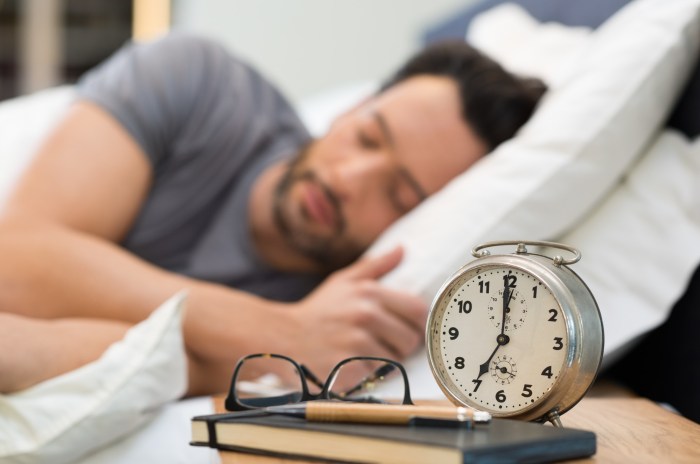
Sleep is a fundamental aspect of our well-being, playing a crucial role in stress management. When we are sleep-deprived, our bodies and minds are unable to function optimally, making us more susceptible to stress and anxiety.
The Link Between Sleep Deprivation and Stress
Sleep deprivation can significantly exacerbate stress levels. When we don’t get enough sleep, our bodies release more of the stress hormone cortisol, which can lead to feelings of anxiety, irritability, and difficulty concentrating. This can create a vicious cycle, where stress makes it harder to sleep, and lack of sleep further increases stress levels.
Tips for Improving Sleep Quality and Promoting Restful Sleep
Establishing a consistent sleep schedule, creating a relaxing bedtime routine, and optimizing your sleep environment can contribute to better sleep quality.
- Establish a Consistent Sleep Schedule:Go to bed and wake up around the same time each day, even on weekends, to regulate your body’s natural sleep-wake cycle.
- Create a Relaxing Bedtime Routine:Wind down an hour or two before bed by engaging in calming activities like taking a warm bath, reading a book, or listening to soothing music. Avoid screen time before bed as the blue light emitted from electronic devices can interfere with melatonin production.
- Optimize Your Sleep Environment:Ensure your bedroom is dark, quiet, and cool. Use blackout curtains, earplugs, or a white noise machine to minimize distractions. Invest in a comfortable mattress and pillows to support your body properly.
- Limit Caffeine and Alcohol:Avoid caffeine and alcohol in the hours leading up to bedtime as they can disrupt sleep patterns.
- Get Regular Exercise:Regular physical activity can improve sleep quality, but avoid exercising too close to bedtime.
Benefits of Prioritizing Sleep for Stress Management
Prioritizing sleep can have a profound impact on our ability to manage stress. Adequate sleep allows our bodies and minds to rest and repair, reducing cortisol levels and promoting emotional regulation.
- Improved Mood and Emotional Regulation:Sleep deprivation can lead to mood swings, irritability, and difficulty managing emotions. Getting enough sleep helps stabilize mood and enhances emotional resilience.
- Enhanced Cognitive Function:Sleep plays a vital role in memory consolidation, learning, and problem-solving. Adequate sleep improves cognitive function, making it easier to cope with stressful situations.
- Increased Stress Tolerance:Well-rested individuals are better equipped to handle stress. Sleep deprivation can lower our stress tolerance, making us more vulnerable to feeling overwhelmed.
- Improved Physical Health:Sleep is essential for maintaining a healthy immune system, regulating blood pressure, and controlling blood sugar levels. Adequate sleep supports overall physical health, which is crucial for managing stress.
Lifestyle Modifications for Stress Reduction: Best Stress Relief Activities For Managing Anxiety And Overwhelm
Making sustainable changes to your lifestyle can significantly reduce stress and improve your overall well-being. By adopting these practices, you can create a more balanced and resilient approach to life’s challenges.
The Impact of Lifestyle Changes on Well-being
Lifestyle modifications have a profound impact on your overall well-being. By incorporating these changes, you can experience numerous benefits, including:
- Improved Physical Health:Regular exercise, a balanced diet, and sufficient sleep contribute to a strong immune system, reduced risk of chronic diseases, and increased energy levels.
- Enhanced Mental Clarity:Stress reduction techniques like mindfulness and meditation improve focus, concentration, and cognitive function.
- Increased Emotional Resilience:By managing stress effectively, you develop a greater ability to cope with challenges, bounce back from setbacks, and maintain emotional stability.
- Improved Relationships:When you are less stressed, you are more likely to be present, engaged, and supportive in your relationships, fostering stronger connections with others.
- Greater Productivity:By reducing stress and improving focus, you can enhance your productivity and achieve your goals more effectively.
Tips for Incorporating Lifestyle Changes
Incorporating these changes into your daily routine requires a conscious effort and a commitment to prioritizing your well-being. Here are some tips to help you get started:
- Start Small:Begin by focusing on one or two changes at a time. Over time, you can gradually incorporate more modifications into your lifestyle.
- Set Realistic Goals:Avoid setting unrealistic expectations that can lead to frustration and overwhelm. Instead, set small, achievable goals that you can build upon.
- Find Support:Seek support from friends, family, or a therapist to help you stay motivated and accountable for your goals.
- Be Patient and Persistent:It takes time to develop new habits and routines. Be patient with yourself and keep trying, even when you face setbacks.
- Celebrate Your Successes:Acknowledge and celebrate your progress, no matter how small, to reinforce positive changes and maintain motivation.
Seeking Professional Help
It’s completely normal to feel overwhelmed by stress and anxiety. While self-care strategies can be incredibly helpful, sometimes seeking professional support is the best way to manage these challenges effectively.
When stress and anxiety start to interfere with your daily life, relationships, or overall well-being, it’s time to consider seeking professional help. A therapist or counselor can provide a safe and confidential space to explore your feelings, develop coping mechanisms, and learn strategies for managing stress in a healthy way.
Benefits of Therapy and Counseling, Best stress relief activities for managing anxiety and overwhelm
Therapy and counseling offer a wide range of benefits for managing stress and anxiety. They can provide:
- A safe and supportive environment to discuss your feelings and concerns without judgment.
- Personalized strategies and tools to help you manage stress, anxiety, and other mental health challenges.
- Improved self-awareness and understanding of your triggers and coping mechanisms.
- Increased resilience and ability to handle stress more effectively.
- Enhanced communication and interpersonal skills to build stronger relationships.
Available Resources and Support Groups
There are many resources available to help you find the right professional support. Here are a few options to consider:
- Your primary care physician:They can provide a referral to a mental health professional or recommend local resources.
- Mental health professionals:Psychologists, therapists, and counselors specialize in treating stress, anxiety, and other mental health concerns. You can find qualified professionals through online directories or through your insurance provider.
- Support groups:Connecting with others who share similar experiences can provide valuable support, encouragement, and coping strategies.
- Online resources:Websites and apps offer information, self-help tools, and online support groups for managing stress and anxiety.
Closure
By understanding the triggers for stress and anxiety and implementing effective coping mechanisms, we can cultivate resilience and navigate life’s challenges with greater ease. Remember, taking care of your mental and emotional well-being is a journey, and it’s important to be patient and kind to yourself along the way.
With dedication and the right tools, you can find lasting peace and tranquility.
Expert Answers
What are the best stress relief activities for people with busy schedules?
Short bursts of physical activity, deep breathing exercises, and mindfulness meditation can be easily incorporated into a busy schedule. Even a few minutes of mindful breathing can significantly reduce stress levels.
How often should I practice stress relief activities?
The frequency depends on your individual needs and preferences. Aim for at least 15-20 minutes of stress relief activities daily, but even a few minutes can make a difference.
What if I don’t enjoy traditional meditation techniques?
There are many alternative mindfulness practices, such as mindful walking, listening to calming music, or spending time in nature. Explore different options to find what resonates with you.