Benefits of interval training in fitness routines: A Shortcut to Fitness Success

Benefits of interval training in fitness routines

Benefits of interval training in fitness routines

Interval training is a popular form of exercise that involves alternating between high-intensity bursts of activity and periods of rest or lower-intensity exercise. This type of workout offers a variety of benefits that can help improve overall fitness and health.

Boosts metabolism

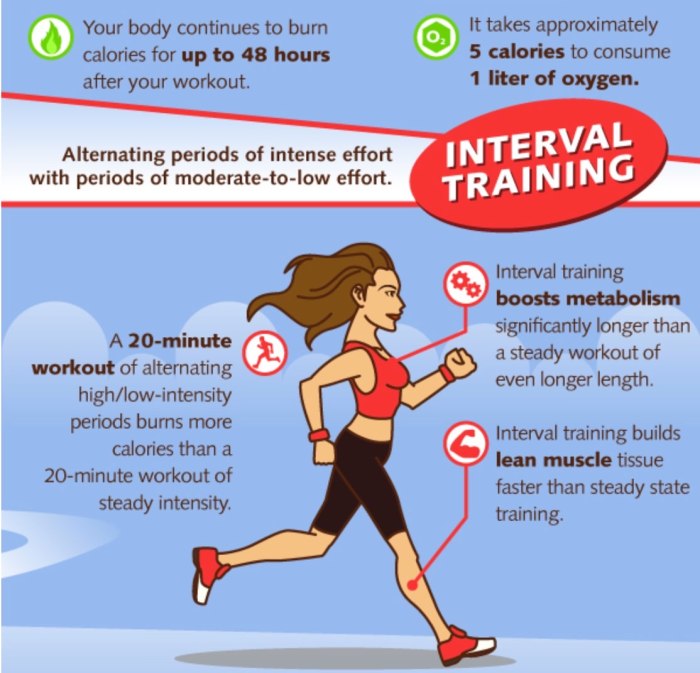
Interval training has been shown to boost metabolism, which is the rate at which your body burns calories at rest. By incorporating high-intensity intervals into your workout routine, you can increase your metabolic rate and continue to burn calories even after you’ve finished exercising. This can be particularly beneficial for individuals looking to lose weight or maintain a healthy weight.

Impact on cardiovascular health

Interval training can have a positive impact on cardiovascular health by improving heart function and increasing endurance. The high-intensity intervals help strengthen the heart muscle and improve its efficiency, leading to better overall cardiovascular fitness. This type of workout has also been shown to lower the risk of heart disease and other chronic conditions.

Burning more calories in less time

One of the key benefits of interval training is its ability to help you burn more calories in less time compared to traditional steady-state cardio exercises. The high-intensity intervals push your body to work harder, resulting in a greater calorie burn during and after your workout. This can be a time-efficient way to achieve your fitness goals and see results more quickly.

Improving endurance and stamina

Interval training is an effective way to improve endurance and stamina by challenging your body to work at higher intensities for short periods of time. Over time, this can lead to increased cardiovascular fitness and muscular endurance, allowing you to exercise for longer periods without feeling fatigued. This can be especially beneficial for athletes or individuals looking to improve their performance in specific sports or activities.

Stress Management

Exercise, including interval training, can be a powerful tool in managing stress. When we engage in physical activity, our bodies release endorphins, which are neurotransmitters that act as natural painkillers and mood elevators. This release of endorphins during interval training can help reduce stress levels and promote a sense of well-being.

Interval Training Techniques for Mental Well-Being

  • HIIT (High-Intensity Interval Training): Alternating between short bursts of intense exercise and periods of rest or lower intensity can help improve mood and reduce stress.
  • Tabata Training: This form of interval training involves 20 seconds of high-intensity exercise followed by 10 seconds of rest, repeated for a total of 4 minutes. It can be a quick and effective way to boost mental well-being.
  • Pyramid Intervals: Gradually increasing and then decreasing the intensity of exercise in intervals can provide a challenging workout while also promoting mental clarity and stress relief.

Role of Endorphins in Stress Management

Endorphins released during interval training not only help reduce stress but also contribute to a sense of euphoria known as the “runner’s high.” This natural high can enhance mood, alleviate anxiety, and improve overall mental well-being. By incorporating interval training into your fitness routine, you can harness the power of endorphins to better manage stress in your daily life.

Healthy Lifestyle

Interval training is a key component of a healthy lifestyle, offering numerous benefits that go beyond just physical fitness. By incorporating interval training into your fitness routine, you can experience improvements in various aspects of your overall well-being.

Benefits of Interval Training for Healthy Lifestyle

  • Improved Cardiovascular Health: Interval training helps strengthen the heart and improve circulation, reducing the risk of heart disease and other cardiovascular issues.
  • Increased Metabolism: By engaging in high-intensity intervals, your body continues to burn calories even after the workout, leading to increased metabolism and potential weight loss.
  • Enhanced Endurance: Regular interval training can boost your stamina and endurance levels, allowing you to perform daily activities with ease.
  • Mental Clarity and Focus: The endorphins released during interval training can improve cognitive function, enhance focus, and reduce stress levels.
  • Better Sleep Patterns: Engaging in physical activity like interval training can help regulate sleep patterns, leading to improved quality of sleep and overall well-rested feeling.
  • Increased Energy Levels: By incorporating interval training into your routine, you can experience a surge in energy levels throughout the day, combating feelings of fatigue and lethargy.

Medical Innovations

Interval training has been at the forefront of recent medical innovations, revolutionizing the way healthcare professionals approach treatment plans and preventive measures for various health conditions. By incorporating interval training into patient care, medical professionals are witnessing significant improvements in overall health outcomes.

Integration into Treatment Plans

  • Healthcare professionals are integrating interval training into treatment plans for patients recovering from cardiovascular issues such as heart attacks or stroke. Studies have shown that interval training can improve cardiovascular health, increase endurance, and reduce the risk of future cardiac events.
  • Interval training is also being incorporated into cancer treatment plans to help patients improve their physical strength, reduce fatigue, and enhance overall quality of life during and after treatment.

Medical Benefits Highlighted by Studies

  • A study published in the Journal of Applied Physiology found that interval training can lead to significant improvements in insulin sensitivity and glucose regulation, making it a valuable tool in managing diabetes.
  • Research conducted at the Norwegian University of Science and Technology demonstrated that interval training can effectively reduce blood pressure in individuals with hypertension, reducing the need for medication.

Preventive Measure for Health Conditions, Benefits of interval training in fitness routines

  • Interval training is being used as a preventive measure for chronic conditions such as obesity, metabolic syndrome, and type 2 diabetes. By incorporating high-intensity intervals into fitness routines, individuals can improve their metabolic health, manage weight, and reduce the risk of developing these conditions.
  • Furthermore, studies have shown that interval training can enhance cognitive function and brain health, offering potential benefits in preventing neurodegenerative diseases such as Alzheimer’s.

Nutritional Supplements

Proper nutrition plays a crucial role in maximizing the benefits of interval training. Nutritional supplements can help enhance the effects of interval training by providing essential nutrients that support muscle recovery, energy levels, and overall performance.

Muscle Recovery Supplements

After intense interval training sessions, it is important to support muscle recovery to optimize results and reduce the risk of injury. Specific supplements such as protein powder, branched-chain amino acids (BCAAs), and creatine can aid in muscle repair and growth. Protein powder helps to rebuild muscle tissue, while BCAAs reduce muscle soreness and improve recovery time. Creatine, on the other hand, enhances strength and power output during workouts.

Role of Nutrition in Interval Training

Incorporating a well-balanced diet rich in lean proteins, complex carbohydrates, healthy fats, and a variety of fruits and vegetables is essential to complement the benefits of interval training. Proper nutrition provides the necessary fuel for workouts, improves energy levels, and supports overall health. Additionally, hydration is key to maintaining performance and aiding in recovery.

Guidelines for Incorporating Supplements

When incorporating supplements into a fitness routine focused on interval training, it is important to consult with a healthcare professional or a registered dietitian to ensure safety and effectiveness. Start by identifying your specific goals and needs, then choose supplements that target those areas. Always follow recommended dosages and timing instructions provided on the supplement labels. Remember that supplements are meant to complement a balanced diet, not replace whole foods.

Fitness Routine

Interval training is a highly effective way to improve cardiovascular fitness, burn calories, and boost metabolism. Here are some tips on how to incorporate interval training into your fitness routine.

To start, here is a sample interval training routine for beginners:
– Warm-up: 5 minutes of light cardio (jogging, jumping jacks, etc.)
– Interval Set 1: 30 seconds of high-intensity exercise (sprinting, burpees, etc.) followed by 1 minute of low-intensity exercise (walking, marching in place, etc.). Repeat 4 times.
– Interval Set 2: 45 seconds of high-intensity exercise followed by 1 minute of low-intensity exercise. Repeat 4 times.
– Cool down: 5 minutes of stretching.

As your fitness levels improve, you can progress in interval training by:
– Increasing the intensity or duration of the high-intensity intervals.
– Decreasing the rest periods between intervals.
– Adding more sets or intervals to your workout.
– Trying different types of high-intensity exercises to keep your routine challenging and engaging.

To design a personalized fitness routine centered around interval training, consider the following tips:
– Set specific goals for your training, whether it’s improving endurance, losing weight, or building strength.
– Tailor the intensity and duration of intervals based on your current fitness level and goals.
– Include a variety of high-intensity exercises to target different muscle groups and prevent boredom.
– Schedule rest days to allow your body to recover and prevent overtraining.

Balancing interval training with other forms of exercise is essential for a well-rounded fitness regimen. Consider incorporating strength training, flexibility exercises, and activities you enjoy, such as yoga or cycling, to enhance overall fitness and prevent burnout. Listen to your body, adjust your routine as needed, and stay consistent to see progress in your fitness journey.

Health Screenings

Benefits of interval training in fitness routines
Regular health screenings are vital for individuals engaging in interval training to monitor their overall health and fitness progress. These screenings can help identify any underlying issues, track improvements, and adjust fitness routines accordingly.

Impact on Health Markers

  • Cholesterol Levels: Interval training has been shown to improve cholesterol levels by increasing HDL (good) cholesterol and decreasing LDL (bad) cholesterol.
  • Blood Pressure: Interval training can help lower blood pressure, reducing the risk of hypertension and cardiovascular diseases.
  • Blood Sugar Levels: Regular health screenings can monitor blood sugar levels, which can be positively influenced by interval training, reducing the risk of diabetes.
  • Body Composition: Health screenings can track changes in body fat percentage and muscle mass, reflecting the effectiveness of interval training in improving overall body composition.

Disease Prevention: Benefits Of Interval Training In Fitness Routines

Interval training plays a crucial role in reducing the risk of chronic diseases by improving overall health and fitness levels. This type of exercise can have a significant impact on various aspects of health, including disease prevention.

Improving Insulin Sensitivity and Lowering Diabetes Risk

Interval training has been shown to improve insulin sensitivity, which is essential for regulating blood sugar levels. By incorporating high-intensity intervals into a workout routine, individuals can enhance their body’s ability to utilize glucose effectively. This, in turn, can help lower the risk of developing type 2 diabetes.

  • High-intensity intervals can increase the uptake of glucose by muscle cells, reducing the reliance on insulin for glucose transport.
  • Regular interval training can lead to long-term improvements in insulin sensitivity, making it an effective strategy for preventing diabetes.

Benefits for Individuals with Heart Disease or Obesity

Interval training can benefit individuals with conditions like heart disease or obesity by improving cardiovascular health and promoting weight loss.

  • High-intensity intervals can strengthen the heart muscle, improving its efficiency and reducing the strain on the cardiovascular system.
  • Interval training can help individuals with obesity by boosting metabolism and burning calories more effectively than steady-state cardio.

Long-Term Impact on Disease Prevention and Management

The long-term effects of interval training on disease prevention and management are significant. By consistently engaging in this type of exercise, individuals can reduce their risk of developing chronic conditions and improve their overall health and well-being.

  • Regular interval training can help maintain healthy blood pressure levels, reduce inflammation, and enhance overall cardiovascular function.
  • Individuals who incorporate interval training into their fitness routine may experience improved cholesterol levels and better weight management over time.

Sleep Hygiene

Maintaining proper sleep hygiene is crucial for overall well-being, and interval training can play a significant role in improving sleep quality and patterns. By engaging in regular interval training sessions, individuals can experience better sleep outcomes due to various physiological and psychological factors.

Influence of Interval Training on Sleep Quality

Interval training helps regulate the body’s circadian rhythm, which is essential for promoting healthy sleep patterns. The intense bursts of activity followed by rest periods during interval training can enhance the body’s ability to enter into deep sleep stages, allowing for more restorative rest.

  • Improved sleep efficiency
  • Enhanced sleep duration
  • Reduced instances of sleep disturbances

Timing of Interval Training for Better Sleep

Engaging in interval training earlier in the day, preferably in the morning or afternoon, can positively impact sleep hygiene. Exercising too close to bedtime may lead to heightened alertness, making it harder to fall asleep. Therefore, scheduling workouts earlier in the day can promote better sleep quality at night.

Optimizing Sleep Hygiene for Enhanced Benefits

To maximize the benefits of interval training on sleep, individuals can incorporate the following tips to optimize their sleep hygiene:

  1. Establish a consistent sleep schedule
  2. Create a relaxing bedtime routine
  3. Avoid stimulating activities before bedtime
  4. Maintain a comfortable sleep environment

Connection Between Physical Activity, Sleep, and Well-being

The relationship between physical activity, sleep, and overall well-being is interconnected. Regular exercise, such as interval training, promotes better sleep quality, which in turn enhances physical and mental well-being. By prioritizing both physical activity and proper sleep hygiene, individuals can experience improved health outcomes and overall quality of life.

Mental Clarity

Interval training not only benefits physical health but also plays a significant role in enhancing mental clarity. The cognitive advantages of incorporating interval training into fitness routines are numerous and can positively impact daily life.

Cognitive Benefits of Interval Training

Interval training has been shown to improve mental clarity by increasing blood flow to the brain, promoting the release of neurotransmitters such as dopamine and endorphins. These chemical reactions can enhance mood, reduce stress, and improve cognitive function. Additionally, the boost in oxygen and nutrient delivery to the brain during interval training can help sharpen focus and concentration.

  • Enhanced Focus and Concentration: Interval training requires periods of intense effort followed by short rest intervals. This pattern challenges the brain to stay focused on the task at hand, improving concentration levels both during the workout and in daily activities.
  • Improved Cognitive Function: Regular participation in interval training has been linked to enhanced cognitive function, including better memory retention, faster processing speed, and improved problem-solving skills. The combination of physical activity and cognitive engagement during interval training can lead to overall mental sharpness.
  • Stress Reduction: The release of endorphins during interval training can help reduce stress levels and promote a sense of well-being. This stress-relieving effect can contribute to mental clarity and improved decision-making abilities.

“After incorporating interval training into my fitness routine, I noticed a significant improvement in my ability to focus at work and tackle challenging tasks with clarity. The mental boost I get from each session has been invaluable in helping me stay sharp and productive throughout the day.”

Interval training not only benefits physical health but also plays a significant role in enhancing mental clarity. By understanding the cognitive benefits of interval training, individuals can make informed decisions about incorporating this effective training method into their fitness routines.

Hydration Importance

Proper hydration is crucial for individuals engaging in interval training. Dehydration can significantly impact performance during workouts and hinder muscle recovery, ultimately affecting overall fitness progress. Staying adequately hydrated is essential for optimizing the benefits of interval training.

Guidelines on Proper Hydration

  • Before: It is recommended to drink about 17-20 ounces of water 2-3 hours before the workout to ensure proper hydration levels.
  • During: During the interval training session, aim to drink 7-10 ounces of water every 10-20 minutes to maintain hydration.
  • After: After the workout, replenish fluids by consuming 8 ounces of water within 30 minutes and continue to hydrate throughout the day.

Impact of Dehydration on Performance

Dehydration can lead to decreased endurance, muscle cramps, and fatigue during interval training. It impairs the body’s ability to regulate temperature and deliver nutrients to muscles efficiently, impacting overall performance.

Role of Hydration in Muscle Recovery

Proper hydration is essential for muscle recovery post-workout. Adequate fluid intake helps transport nutrients to muscles, flush out waste products, and promote faster recovery, allowing individuals to recover effectively and perform well in subsequent training sessions.

Benefits of Staying Hydrated

  • Improved Performance: Proper hydration enhances endurance, strength, and overall performance during interval training sessions.
  • Enhanced Recovery: Adequate hydration supports efficient muscle recovery, reducing the risk of injury and promoting progress in fitness goals.
  • Optimized Results: Staying hydrated ensures that the body can perform at its best, maximizing the benefits of interval training for overall fitness and health.

Clarifying Questions

Benefits of interval training in fitness routines – How does interval training impact metabolism?

Interval training boosts metabolism by increasing the body’s ability to burn calories even after the workout is over.

Can interval training improve endurance?

Yes, interval training is known to enhance endurance and stamina over time through its high-intensity workout sessions.

Are there specific nutritional supplements that complement interval training?

Yes, certain supplements can aid in muscle recovery post-interval training, enhancing its effects on the body.

Benefits of green tea supplements for metabolism: Boost Your Health Naturally

Benefits of green tea supplements for metabolism

Benefits of Green Tea Supplements for Metabolism

Green tea supplements have been shown to have a positive impact on metabolism, leading to potential benefits for weight management and overall health.

Boosting Metabolism

Green tea contains catechins, particularly epigallocatechin gallate (EGCG), which have been found to increase thermogenesis and fat oxidation in the body. This can lead to a higher metabolic rate, allowing for more efficient calorie burning even at rest.

Supporting Studies

Studies have shown that the consumption of green tea or green tea extracts can lead to a significant increase in metabolic rate. For example, a study published in the American Journal of Clinical Nutrition found that green tea extract containing catechins significantly increased energy expenditure compared to a placebo.

Key Components

The catechins in green tea, especially EGCG, are believed to be the main components responsible for its metabolic-boosting properties. These compounds help to stimulate the body’s fat-burning mechanisms and promote overall calorie expenditure.

Weight Management

By enhancing metabolism, green tea supplements may aid in weight management efforts. A higher metabolic rate can help individuals burn more calories throughout the day, potentially leading to weight loss when combined with a balanced diet and regular exercise routine.

Stress Management

Green tea supplements have been found to potentially aid in stress reduction due to their calming effects on the body. The compounds in green tea, such as L-theanine, have been known to promote relaxation and mental well-being, which can help in managing stress levels effectively.

Benefits of Green Tea Supplements vs. Other Stress-Relief Methods

  • Green tea supplements offer a natural and holistic approach to stress management without the side effects often associated with pharmaceutical options.
  • The calming effects of green tea can be felt relatively quickly, providing immediate relief in stressful situations.
  • Regular consumption of green tea supplements can help in building resilience to stress over time, leading to long-term benefits for mental well-being.

Calming Effects of Green Tea on Stress Levels

  • Green tea contains L-theanine, an amino acid that has been shown to increase alpha brain waves, promoting a state of relaxation without drowsiness.
  • The combination of caffeine and L-theanine in green tea supplements can enhance focus and concentration while reducing feelings of anxiety and stress.

Role of Green Tea in Promoting Relaxation and Mental Well-being

  • Regular consumption of green tea supplements can have a positive impact on mood and overall mental health, contributing to a sense of well-being.
  • Green tea’s antioxidant properties help in combating oxidative stress in the body, which can be beneficial for reducing overall stress levels.

Healthy Lifestyle

Benefits of green tea supplements for metabolism – Living a healthy lifestyle involves making conscious choices that promote overall well-being. Incorporating green tea supplements into your daily routine can be a beneficial addition to support a healthy lifestyle.

Integrating Green Tea Supplements

  • Start by incorporating green tea supplements into your morning routine to kickstart your metabolism.
  • Consider adding green tea supplements to your pre-workout regimen for an extra boost of energy.
  • Include green tea supplements in your post-meal routine to aid in digestion and promote a feeling of fullness.

Potential Impact on Health

Green tea supplements are rich in antioxidants and nutrients that can help improve overall health and well-being. Regular consumption of green tea supplements may contribute to:

  • Boosting metabolism and aiding in weight management.
  • Reducing inflammation and promoting heart health.
  • Enhancing cognitive function and supporting brain health.

Holistic Wellness Approach

Green tea supplements can play a significant role in supporting a holistic approach to wellness by addressing various aspects of health, including physical, mental, and emotional well-being. By incorporating green tea supplements into your daily routine, you can take a proactive step towards achieving a balanced and healthy lifestyle.

Medical Innovations

Green tea supplements have shown promising medical innovations in various health aspects. These supplements are being integrated into medical treatments to harness their beneficial properties. Let’s explore some of the innovative aspects of using green tea supplements for health benefits.

Integration into Medical Treatments

  • Green tea supplements are being used in conjunction with traditional cancer treatments to enhance the effectiveness of chemotherapy and radiation therapy.
  • Studies have shown that the antioxidants in green tea can help protect brain cells from damage, potentially reducing the risk of neurodegenerative diseases like Alzheimer’s.
  • Some medical professionals are incorporating green tea supplements into weight management programs due to their metabolism-boosting properties.

Emerging Trends in the Medical Field

  • Researchers are exploring the use of green tea extracts in skincare products to harness their anti-inflammatory and antioxidant properties for treating skin conditions.
  • The rise of personalized medicine has led to the development of green tea supplements tailored to individual genetic profiles to maximize health benefits.

Future Developments in Medicinal Use

  • Scientific advancements may lead to the creation of green tea formulations specifically targeted at preventing and treating specific diseases, such as cardiovascular conditions or metabolic disorders.
  • With ongoing research, green tea supplements may become a staple in preventive medicine, promoting overall health and well-being in the future.

Nutritional Supplements

Benefits of green tea supplements for metabolism
Green tea supplements offer a range of nutritional benefits that can complement a well-rounded diet. These supplements are rich in antioxidants, specifically catechins, which have been linked to various health benefits including metabolism support, stress management, and overall well-being.

Nutritional Value of Green Tea Supplements

Green tea supplements are packed with polyphenols, particularly catechins like epigallocatechin gallate (EGCG), which are potent antioxidants. These compounds help protect cells from damage caused by free radicals and support overall health. Additionally, green tea supplements contain caffeine, which can boost metabolism and increase fat burning.

Comparison with Other Nutritional Supplements

When compared to other common nutritional supplements, green tea supplements stand out for their unique combination of antioxidants and caffeine. While supplements like vitamin C or vitamin D offer specific benefits, green tea supplements provide a holistic approach to health by targeting multiple aspects such as metabolism, stress, and overall well-being.

Potential Synergies with Other Nutrients

Combining green tea supplements with other vitamins or minerals can create synergistic effects that enhance overall health. For example, pairing green tea supplements with vitamin C can boost the body’s immune system, while combining them with magnesium can help support muscle function and relaxation. These synergies can maximize the benefits of each nutrient and promote optimal health.

Complementing a Well-Rounded Nutritional Intake

Green tea supplements can serve as a valuable addition to a well-rounded nutritional intake by providing additional antioxidants, caffeine, and other beneficial compounds. By incorporating green tea supplements into a balanced diet that includes a variety of fruits, vegetables, whole grains, and lean proteins, individuals can further enhance their overall health and well-being.

Fitness Routine

Green tea supplements can play a significant role in enhancing fitness performance due to their various health benefits. These supplements can support physical activity by boosting metabolism, increasing energy levels, and promoting fat oxidation, all of which are crucial for a successful workout routine.

Impact on Exercise Endurance

Studies have shown that green tea supplements can have a positive impact on exercise endurance. The catechins found in green tea have been found to improve endurance capacity by enhancing the body’s ability to burn fat as fuel during exercise. This can result in improved stamina and prolonged physical performance.

  • Green tea supplements can help increase fat oxidation during exercise, allowing individuals to sustain their energy levels for longer periods.
  • The antioxidant properties of green tea can also reduce exercise-induced oxidative stress, leading to quicker recovery and reduced muscle fatigue.
  • Regular consumption of green tea supplements has been linked to improved cardiovascular health, which can enhance overall exercise capacity and performance.

Incorporating Green Tea into Workout Routine

There are several ways to incorporate green tea into your pre-workout or post-workout routine to maximize its benefits.

  1. Pre-workout: Consuming green tea supplements before a workout can help boost energy levels and increase fat metabolism, providing a natural source of caffeine for enhanced focus and endurance.
  2. Post-workout: Green tea supplements can be consumed post-workout to aid in muscle recovery and reduce inflammation, promoting faster healing and better overall recovery after intense exercise sessions.
  3. Hydration: Green tea can also be consumed as a hydrating beverage during workouts to replenish fluids and electrolytes lost through sweat, helping to maintain proper hydration levels during physical activity.

Health Screenings

Green tea supplements have been shown to potentially influence health screening results due to their various health benefits. These supplements can impact metabolism, stress levels, and overall well-being, which may reflect in the results of health screenings.

Considerations for Individuals Taking Green Tea Supplements Before Screenings

  • It is important for individuals taking green tea supplements to inform their healthcare providers about their supplement usage before undergoing any health screenings. This transparency is crucial for accurate interpretation of screening results.
  • Some health screenings may require individuals to refrain from consuming certain substances, including supplements, prior to the test. Individuals should follow any specific guidelines provided by their healthcare provider.

Importance of Transparency About Green Tea Supplement Usage During Health Screenings, Benefits of green tea supplements for metabolism

  • Transparency about green tea supplement usage is essential during health screenings to ensure that healthcare providers have a complete picture of an individual’s health status. This information can help in making informed decisions regarding further medical interventions or lifestyle recommendations.
  • Failure to disclose supplement usage can lead to misinterpretation of health screening results, potentially affecting the accuracy of diagnoses or treatment plans.

Potential Interactions Between Green Tea Supplements and Certain Health Screening Tests

  • Green tea supplements contain compounds that may interact with certain health screening tests, affecting the results. For example, the antioxidants in green tea supplements could impact blood tests or imaging studies.
  • It is advisable for individuals to consult with their healthcare providers about any potential interactions between green tea supplements and specific health screening tests. This can help in determining the best course of action for accurate screening results.

Disease Prevention

Benefits of green tea supplements for metabolism
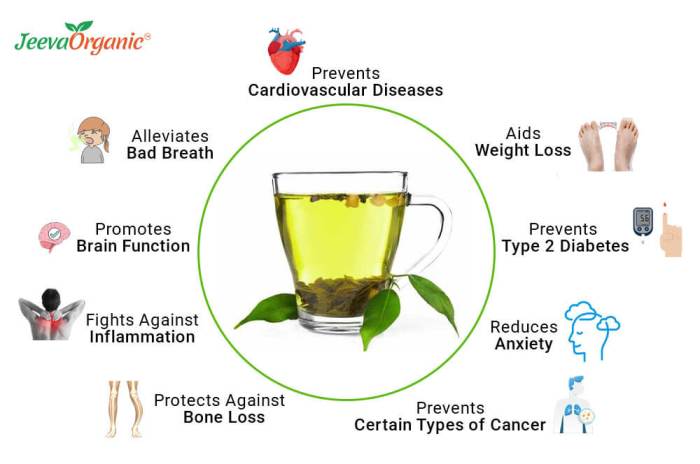
Green tea supplements have been recognized for their potential role in preventing various diseases due to their antioxidant properties and beneficial effects on overall health. By incorporating green tea into a daily regimen, individuals may reduce their risk of developing certain health conditions.

Cardiovascular Diseases

  • Studies have shown that the antioxidants in green tea can help lower LDL cholesterol levels, reduce blood pressure, and improve overall cardiovascular health.
  • Green tea may also help prevent the formation of blood clots, reducing the risk of heart attacks and strokes.
  • The catechins in green tea have anti-inflammatory properties that can protect the heart and blood vessels from damage.

Cancer Prevention

  • Research suggests that the polyphenols in green tea may have protective effects against certain types of cancer, such as breast, prostate, and colorectal cancer.
  • Green tea antioxidants can help inhibit the growth of cancer cells and reduce the risk of tumor formation.
  • Regular consumption of green tea supplements may contribute to a lower risk of developing cancer due to its anti-carcinogenic properties.

Diabetes Prevention

  • Green tea has been linked to improved insulin sensitivity and reduced blood sugar levels, making it a potential ally in preventing type 2 diabetes.
  • The catechins in green tea can help regulate glucose metabolism and reduce the risk of insulin resistance, a key factor in diabetes development.
  • Incorporating green tea supplements into a healthy diet may help individuals maintain stable blood sugar levels and lower their risk of diabetes.

Sleep Hygiene

Maintaining good sleep hygiene is essential for overall health and well-being. Green tea supplements can play a role in improving sleep quality and promoting better rest.

Impact of Green Tea Supplements on Sleep Quality

  • Green tea contains L-theanine, an amino acid known for its calming effects on the brain.
  • L-theanine promotes relaxation and reduces stress, which can help in falling asleep faster and enjoying a more restful sleep.
  • Regular consumption of green tea supplements may improve sleep quality and overall sleep patterns.

Relationship Between Green Tea Consumption and Improved Sleep Hygiene

  • Studies have shown that green tea can positively affect sleep quality by enhancing relaxation and reducing anxiety levels.
  • Green tea supplements can help regulate the sleep-wake cycle and promote a more consistent bedtime routine.
  • By incorporating green tea into your evening routine, you may experience improved sleep hygiene and better overall sleep habits.

Tips for Incorporating Green Tea Supplements into Bedtime Routine

  • Consider having a cup of green tea or taking a green tea supplement about an hour before bedtime to reap the calming benefits.
  • Avoid consuming green tea products with high caffeine content close to bedtime to prevent disruptions in sleep.
  • Experiment with different forms of green tea supplements, such as capsules or powders, to find what works best for you.

Potential Considerations for Using Green Tea Supplements for Sleep Management

  • Individual responses to green tea supplements may vary, so start with a low dosage and monitor how it affects your sleep.
  • Consult with a healthcare provider if you have any underlying health conditions or are taking medications that may interact with green tea supplements.
  • Avoid relying solely on green tea supplements for sleep management and incorporate other healthy sleep habits into your routine.

Mental Clarity

Green tea supplements are known for their potential to support cognitive function and mental clarity. Research has shown that the antioxidants and caffeine present in green tea may have positive effects on brain health and overall mental well-being.

Benefits of Green Tea for Focus and Concentration

  • Green tea contains L-theanine, an amino acid that has been linked to improved focus and concentration.
  • The combination of L-theanine and caffeine in green tea may help enhance cognitive performance and alertness.
  • Regular consumption of green tea supplements could potentially aid in maintaining mental clarity throughout the day.

Role of Green Tea in Promoting Mental Well-Being

  • Green tea’s calming properties may help reduce stress and anxiety levels, leading to better mental clarity and focus.
  • The antioxidants in green tea may protect brain cells from damage and support overall cognitive function.
  • Incorporating green tea supplements into your daily routine could contribute to a sharper mind and improved mental well-being.

Hydration Importance: Benefits Of Green Tea Supplements For Metabolism

Green tea supplements are known for their numerous health benefits, but it’s essential to also consider the role of hydration when incorporating these supplements into your daily routine. Hydration plays a crucial role in overall health and well-being, and it is important to ensure that you are maintaining proper hydration levels, especially when using supplements like green tea.

Role of Green Tea Supplements in Hydration

Green tea supplements can contribute to your daily fluid intake and hydration levels. While green tea itself is a hydrating beverage, it is essential to remember that it contains caffeine, which can have a diuretic effect. This means that while green tea can help hydrate the body, it is also important to balance it with other hydrating beverages such as water and herbal teas.

Tips for Balancing Hydration with Green Tea Consumption

– Drink plenty of water throughout the day to ensure you are maintaining adequate hydration levels.
– Limit the consumption of caffeinated beverages alongside green tea supplements to prevent dehydration.
– Consider herbal teas or infused water as alternative hydrating options to complement green tea intake.
– Monitor your urine color to gauge hydration levels, aiming for a pale yellow color as an indicator of proper hydration.

Importance of Staying Hydrated with Green Tea Supplements

Staying hydrated is crucial for supporting the body’s functions and ensuring optimal health, especially when incorporating green tea supplements into your routine. Proper hydration can help with digestion, nutrient absorption, and overall well-being. By maintaining a balance between green tea consumption and other hydrating beverages, you can support your body’s hydration needs while reaping the benefits of green tea supplements.

Detailed FAQs

Can green tea supplements really boost metabolism effectively?

Yes, green tea supplements have compounds like catechins that can increase metabolism, aiding in weight loss.

Are there any side effects of green tea supplements for metabolism?

When consumed in moderation, green tea supplements are generally safe. However, excessive intake may lead to digestive issues or caffeine-related problems.

How do green tea supplements contribute to weight management?

Green tea supplements can enhance metabolism, which may help in burning more calories and supporting weight loss efforts.

Can green tea supplements be taken with other medications?

It’s advisable to consult a healthcare professional before combining green tea supplements with any other medications to avoid potential interactions.

Is it necessary to exercise while taking green tea supplements?

While exercise can complement the benefits of green tea supplements, they can still be effective for metabolism even without intense physical activity.