Benefits of interval training in fitness routines
Interval training is a popular form of exercise that involves alternating between high-intensity bursts of activity and periods of rest or lower-intensity exercise. This type of workout offers a variety of benefits that can help improve overall fitness and health.
Boosts metabolism
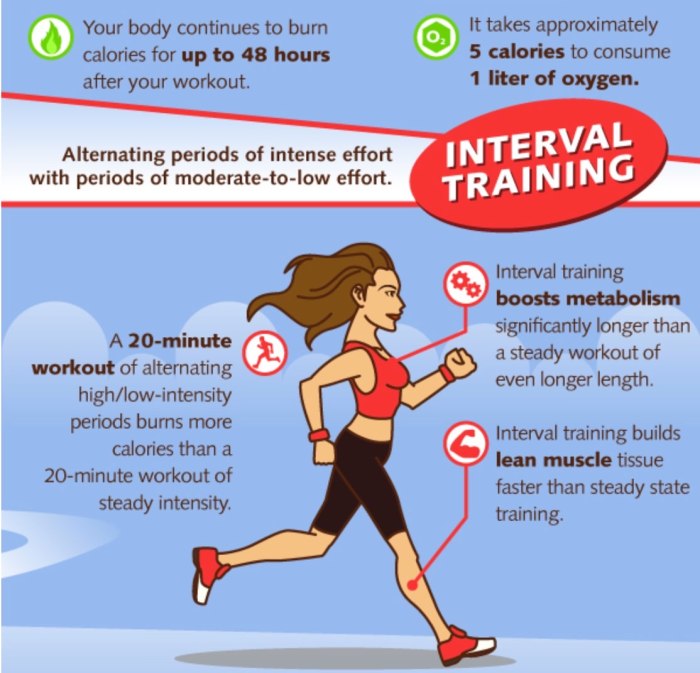
Interval training has been shown to boost metabolism, which is the rate at which your body burns calories at rest. By incorporating high-intensity intervals into your workout routine, you can increase your metabolic rate and continue to burn calories even after you’ve finished exercising. This can be particularly beneficial for individuals looking to lose weight or maintain a healthy weight.
Impact on cardiovascular health
Interval training can have a positive impact on cardiovascular health by improving heart function and increasing endurance. The high-intensity intervals help strengthen the heart muscle and improve its efficiency, leading to better overall cardiovascular fitness. This type of workout has also been shown to lower the risk of heart disease and other chronic conditions.
Burning more calories in less time
One of the key benefits of interval training is its ability to help you burn more calories in less time compared to traditional steady-state cardio exercises. The high-intensity intervals push your body to work harder, resulting in a greater calorie burn during and after your workout. This can be a time-efficient way to achieve your fitness goals and see results more quickly.
Improving endurance and stamina
Interval training is an effective way to improve endurance and stamina by challenging your body to work at higher intensities for short periods of time. Over time, this can lead to increased cardiovascular fitness and muscular endurance, allowing you to exercise for longer periods without feeling fatigued. This can be especially beneficial for athletes or individuals looking to improve their performance in specific sports or activities.
Stress Management
Exercise, including interval training, can be a powerful tool in managing stress. When we engage in physical activity, our bodies release endorphins, which are neurotransmitters that act as natural painkillers and mood elevators. This release of endorphins during interval training can help reduce stress levels and promote a sense of well-being.
Interval Training Techniques for Mental Well-Being
- HIIT (High-Intensity Interval Training): Alternating between short bursts of intense exercise and periods of rest or lower intensity can help improve mood and reduce stress.
- Tabata Training: This form of interval training involves 20 seconds of high-intensity exercise followed by 10 seconds of rest, repeated for a total of 4 minutes. It can be a quick and effective way to boost mental well-being.
- Pyramid Intervals: Gradually increasing and then decreasing the intensity of exercise in intervals can provide a challenging workout while also promoting mental clarity and stress relief.
Role of Endorphins in Stress Management
Endorphins released during interval training not only help reduce stress but also contribute to a sense of euphoria known as the “runner’s high.” This natural high can enhance mood, alleviate anxiety, and improve overall mental well-being. By incorporating interval training into your fitness routine, you can harness the power of endorphins to better manage stress in your daily life.
Healthy Lifestyle
Interval training is a key component of a healthy lifestyle, offering numerous benefits that go beyond just physical fitness. By incorporating interval training into your fitness routine, you can experience improvements in various aspects of your overall well-being.
Benefits of Interval Training for Healthy Lifestyle
- Improved Cardiovascular Health: Interval training helps strengthen the heart and improve circulation, reducing the risk of heart disease and other cardiovascular issues.
- Increased Metabolism: By engaging in high-intensity intervals, your body continues to burn calories even after the workout, leading to increased metabolism and potential weight loss.
- Enhanced Endurance: Regular interval training can boost your stamina and endurance levels, allowing you to perform daily activities with ease.
- Mental Clarity and Focus: The endorphins released during interval training can improve cognitive function, enhance focus, and reduce stress levels.
- Better Sleep Patterns: Engaging in physical activity like interval training can help regulate sleep patterns, leading to improved quality of sleep and overall well-rested feeling.
- Increased Energy Levels: By incorporating interval training into your routine, you can experience a surge in energy levels throughout the day, combating feelings of fatigue and lethargy.
Medical Innovations
Interval training has been at the forefront of recent medical innovations, revolutionizing the way healthcare professionals approach treatment plans and preventive measures for various health conditions. By incorporating interval training into patient care, medical professionals are witnessing significant improvements in overall health outcomes.
Integration into Treatment Plans
- Healthcare professionals are integrating interval training into treatment plans for patients recovering from cardiovascular issues such as heart attacks or stroke. Studies have shown that interval training can improve cardiovascular health, increase endurance, and reduce the risk of future cardiac events.
- Interval training is also being incorporated into cancer treatment plans to help patients improve their physical strength, reduce fatigue, and enhance overall quality of life during and after treatment.
Medical Benefits Highlighted by Studies
- A study published in the Journal of Applied Physiology found that interval training can lead to significant improvements in insulin sensitivity and glucose regulation, making it a valuable tool in managing diabetes.
- Research conducted at the Norwegian University of Science and Technology demonstrated that interval training can effectively reduce blood pressure in individuals with hypertension, reducing the need for medication.
Preventive Measure for Health Conditions, Benefits of interval training in fitness routines
- Interval training is being used as a preventive measure for chronic conditions such as obesity, metabolic syndrome, and type 2 diabetes. By incorporating high-intensity intervals into fitness routines, individuals can improve their metabolic health, manage weight, and reduce the risk of developing these conditions.
- Furthermore, studies have shown that interval training can enhance cognitive function and brain health, offering potential benefits in preventing neurodegenerative diseases such as Alzheimer’s.
Nutritional Supplements
Proper nutrition plays a crucial role in maximizing the benefits of interval training. Nutritional supplements can help enhance the effects of interval training by providing essential nutrients that support muscle recovery, energy levels, and overall performance.
Muscle Recovery Supplements
After intense interval training sessions, it is important to support muscle recovery to optimize results and reduce the risk of injury. Specific supplements such as protein powder, branched-chain amino acids (BCAAs), and creatine can aid in muscle repair and growth. Protein powder helps to rebuild muscle tissue, while BCAAs reduce muscle soreness and improve recovery time. Creatine, on the other hand, enhances strength and power output during workouts.
Role of Nutrition in Interval Training
Incorporating a well-balanced diet rich in lean proteins, complex carbohydrates, healthy fats, and a variety of fruits and vegetables is essential to complement the benefits of interval training. Proper nutrition provides the necessary fuel for workouts, improves energy levels, and supports overall health. Additionally, hydration is key to maintaining performance and aiding in recovery.
Guidelines for Incorporating Supplements
When incorporating supplements into a fitness routine focused on interval training, it is important to consult with a healthcare professional or a registered dietitian to ensure safety and effectiveness. Start by identifying your specific goals and needs, then choose supplements that target those areas. Always follow recommended dosages and timing instructions provided on the supplement labels. Remember that supplements are meant to complement a balanced diet, not replace whole foods.
Fitness Routine
Interval training is a highly effective way to improve cardiovascular fitness, burn calories, and boost metabolism. Here are some tips on how to incorporate interval training into your fitness routine.
To start, here is a sample interval training routine for beginners:
– Warm-up: 5 minutes of light cardio (jogging, jumping jacks, etc.)
– Interval Set 1: 30 seconds of high-intensity exercise (sprinting, burpees, etc.) followed by 1 minute of low-intensity exercise (walking, marching in place, etc.). Repeat 4 times.
– Interval Set 2: 45 seconds of high-intensity exercise followed by 1 minute of low-intensity exercise. Repeat 4 times.
– Cool down: 5 minutes of stretching.
As your fitness levels improve, you can progress in interval training by:
– Increasing the intensity or duration of the high-intensity intervals.
– Decreasing the rest periods between intervals.
– Adding more sets or intervals to your workout.
– Trying different types of high-intensity exercises to keep your routine challenging and engaging.
To design a personalized fitness routine centered around interval training, consider the following tips:
– Set specific goals for your training, whether it’s improving endurance, losing weight, or building strength.
– Tailor the intensity and duration of intervals based on your current fitness level and goals.
– Include a variety of high-intensity exercises to target different muscle groups and prevent boredom.
– Schedule rest days to allow your body to recover and prevent overtraining.
Balancing interval training with other forms of exercise is essential for a well-rounded fitness regimen. Consider incorporating strength training, flexibility exercises, and activities you enjoy, such as yoga or cycling, to enhance overall fitness and prevent burnout. Listen to your body, adjust your routine as needed, and stay consistent to see progress in your fitness journey.
Health Screenings
Regular health screenings are vital for individuals engaging in interval training to monitor their overall health and fitness progress. These screenings can help identify any underlying issues, track improvements, and adjust fitness routines accordingly.
Impact on Health Markers
- Cholesterol Levels: Interval training has been shown to improve cholesterol levels by increasing HDL (good) cholesterol and decreasing LDL (bad) cholesterol.
- Blood Pressure: Interval training can help lower blood pressure, reducing the risk of hypertension and cardiovascular diseases.
- Blood Sugar Levels: Regular health screenings can monitor blood sugar levels, which can be positively influenced by interval training, reducing the risk of diabetes.
- Body Composition: Health screenings can track changes in body fat percentage and muscle mass, reflecting the effectiveness of interval training in improving overall body composition.
Disease Prevention: Benefits Of Interval Training In Fitness Routines
Interval training plays a crucial role in reducing the risk of chronic diseases by improving overall health and fitness levels. This type of exercise can have a significant impact on various aspects of health, including disease prevention.
Improving Insulin Sensitivity and Lowering Diabetes Risk
Interval training has been shown to improve insulin sensitivity, which is essential for regulating blood sugar levels. By incorporating high-intensity intervals into a workout routine, individuals can enhance their body’s ability to utilize glucose effectively. This, in turn, can help lower the risk of developing type 2 diabetes.
- High-intensity intervals can increase the uptake of glucose by muscle cells, reducing the reliance on insulin for glucose transport.
- Regular interval training can lead to long-term improvements in insulin sensitivity, making it an effective strategy for preventing diabetes.
Benefits for Individuals with Heart Disease or Obesity
Interval training can benefit individuals with conditions like heart disease or obesity by improving cardiovascular health and promoting weight loss.
- High-intensity intervals can strengthen the heart muscle, improving its efficiency and reducing the strain on the cardiovascular system.
- Interval training can help individuals with obesity by boosting metabolism and burning calories more effectively than steady-state cardio.
Long-Term Impact on Disease Prevention and Management
The long-term effects of interval training on disease prevention and management are significant. By consistently engaging in this type of exercise, individuals can reduce their risk of developing chronic conditions and improve their overall health and well-being.
- Regular interval training can help maintain healthy blood pressure levels, reduce inflammation, and enhance overall cardiovascular function.
- Individuals who incorporate interval training into their fitness routine may experience improved cholesterol levels and better weight management over time.
Sleep Hygiene
Maintaining proper sleep hygiene is crucial for overall well-being, and interval training can play a significant role in improving sleep quality and patterns. By engaging in regular interval training sessions, individuals can experience better sleep outcomes due to various physiological and psychological factors.
Influence of Interval Training on Sleep Quality
Interval training helps regulate the body’s circadian rhythm, which is essential for promoting healthy sleep patterns. The intense bursts of activity followed by rest periods during interval training can enhance the body’s ability to enter into deep sleep stages, allowing for more restorative rest.
- Improved sleep efficiency
- Enhanced sleep duration
- Reduced instances of sleep disturbances
Timing of Interval Training for Better Sleep
Engaging in interval training earlier in the day, preferably in the morning or afternoon, can positively impact sleep hygiene. Exercising too close to bedtime may lead to heightened alertness, making it harder to fall asleep. Therefore, scheduling workouts earlier in the day can promote better sleep quality at night.
Optimizing Sleep Hygiene for Enhanced Benefits
To maximize the benefits of interval training on sleep, individuals can incorporate the following tips to optimize their sleep hygiene:
- Establish a consistent sleep schedule
- Create a relaxing bedtime routine
- Avoid stimulating activities before bedtime
- Maintain a comfortable sleep environment
Connection Between Physical Activity, Sleep, and Well-being
The relationship between physical activity, sleep, and overall well-being is interconnected. Regular exercise, such as interval training, promotes better sleep quality, which in turn enhances physical and mental well-being. By prioritizing both physical activity and proper sleep hygiene, individuals can experience improved health outcomes and overall quality of life.
Mental Clarity
Interval training not only benefits physical health but also plays a significant role in enhancing mental clarity. The cognitive advantages of incorporating interval training into fitness routines are numerous and can positively impact daily life.
Cognitive Benefits of Interval Training
Interval training has been shown to improve mental clarity by increasing blood flow to the brain, promoting the release of neurotransmitters such as dopamine and endorphins. These chemical reactions can enhance mood, reduce stress, and improve cognitive function. Additionally, the boost in oxygen and nutrient delivery to the brain during interval training can help sharpen focus and concentration.
- Enhanced Focus and Concentration: Interval training requires periods of intense effort followed by short rest intervals. This pattern challenges the brain to stay focused on the task at hand, improving concentration levels both during the workout and in daily activities.
- Improved Cognitive Function: Regular participation in interval training has been linked to enhanced cognitive function, including better memory retention, faster processing speed, and improved problem-solving skills. The combination of physical activity and cognitive engagement during interval training can lead to overall mental sharpness.
- Stress Reduction: The release of endorphins during interval training can help reduce stress levels and promote a sense of well-being. This stress-relieving effect can contribute to mental clarity and improved decision-making abilities.
“After incorporating interval training into my fitness routine, I noticed a significant improvement in my ability to focus at work and tackle challenging tasks with clarity. The mental boost I get from each session has been invaluable in helping me stay sharp and productive throughout the day.”
Interval training not only benefits physical health but also plays a significant role in enhancing mental clarity. By understanding the cognitive benefits of interval training, individuals can make informed decisions about incorporating this effective training method into their fitness routines.
Hydration Importance
Proper hydration is crucial for individuals engaging in interval training. Dehydration can significantly impact performance during workouts and hinder muscle recovery, ultimately affecting overall fitness progress. Staying adequately hydrated is essential for optimizing the benefits of interval training.
Guidelines on Proper Hydration
- Before: It is recommended to drink about 17-20 ounces of water 2-3 hours before the workout to ensure proper hydration levels.
- During: During the interval training session, aim to drink 7-10 ounces of water every 10-20 minutes to maintain hydration.
- After: After the workout, replenish fluids by consuming 8 ounces of water within 30 minutes and continue to hydrate throughout the day.
Impact of Dehydration on Performance
Dehydration can lead to decreased endurance, muscle cramps, and fatigue during interval training. It impairs the body’s ability to regulate temperature and deliver nutrients to muscles efficiently, impacting overall performance.
Role of Hydration in Muscle Recovery
Proper hydration is essential for muscle recovery post-workout. Adequate fluid intake helps transport nutrients to muscles, flush out waste products, and promote faster recovery, allowing individuals to recover effectively and perform well in subsequent training sessions.
Benefits of Staying Hydrated
- Improved Performance: Proper hydration enhances endurance, strength, and overall performance during interval training sessions.
- Enhanced Recovery: Adequate hydration supports efficient muscle recovery, reducing the risk of injury and promoting progress in fitness goals.
- Optimized Results: Staying hydrated ensures that the body can perform at its best, maximizing the benefits of interval training for overall fitness and health.
Clarifying Questions
Benefits of interval training in fitness routines – How does interval training impact metabolism?
Interval training boosts metabolism by increasing the body’s ability to burn calories even after the workout is over.
Can interval training improve endurance?
Yes, interval training is known to enhance endurance and stamina over time through its high-intensity workout sessions.
Are there specific nutritional supplements that complement interval training?
Yes, certain supplements can aid in muscle recovery post-interval training, enhancing its effects on the body.