Stress Management
Stress can have a significant impact on immune function, making individuals more susceptible to illness and infections. When stress becomes chronic, it can weaken the immune system and interfere with its ability to fight off pathogens effectively.
Strategies for Reducing Stress Levels
- Practice mindfulness meditation to calm the mind and reduce stress levels.
- Engage in regular physical exercise to release endorphins and improve mood.
- Deep breathing exercises can help lower cortisol levels and promote relaxation.
- Yoga combines physical postures, breathing exercises, and meditation to reduce stress.
Link Between Chronic Stress and Weakened Immunity
Chronic stress can lead to increased levels of cortisol, a hormone that suppresses the immune system. This can result in a decreased ability to fight off infections and illnesses, making individuals more vulnerable to health issues.
Examples of Stress-Relief Techniques
- Progressive muscle relaxation involves tensing and relaxing different muscle groups to reduce physical tension.
- Listening to calming music or nature sounds can help alleviate stress and promote relaxation.
- Spending time in nature or practicing outdoor activities can have a soothing effect on the mind and body.
Healthy Lifestyle
Eating a balanced diet and staying active are key components of a healthy lifestyle that can significantly impact your immune system’s strength.
Regular exercise plays a crucial role in boosting immunity by promoting good circulation, which allows immune cells to move freely throughout the body and do their job effectively. Exercise also helps reduce inflammation and lowers the risk of chronic diseases, which can weaken the immune system over time.
To support overall immune function, it’s essential to maintain a healthy lifestyle by:
1. Eating a Balanced Diet
- Include a variety of fruits and vegetables rich in vitamins, minerals, and antioxidants to support immune function.
- Incorporate lean proteins, whole grains, and healthy fats to provide essential nutrients for a strong immune system.
- Avoid excessive consumption of processed foods, sugary drinks, and high-fat snacks that can impair immune function.
2. Regular Exercise
- Engage in regular physical activity such as walking, jogging, swimming, or yoga to boost immunity and reduce stress levels.
- Aim for at least 150 minutes of moderate-intensity exercise per week to support immune function and overall health.
- Incorporate strength training exercises to improve muscle mass and enhance immune response.
3. Immune-Boosting Foods and Their Benefits
- Citrus fruits like oranges and grapefruits are rich in vitamin C, which helps stimulate the production of white blood cells.
- Yogurt and other probiotic-rich foods support gut health, where a significant portion of the immune system resides.
- Almonds and sunflower seeds are excellent sources of vitamin E, a powerful antioxidant that enhances immune function.
Medical Innovations
Medical research has made significant advancements in enhancing immune support through innovative treatments and technologies. These cutting-edge approaches have revolutionized the way we boost immunity and protect against various illnesses.
Nanotechnology in Immune Support
Nanotechnology has emerged as a groundbreaking field in medical science, offering new possibilities for immune system support. By designing nanoparticles that can target specific cells or pathogens, researchers are able to develop highly effective treatments for enhancing immunity. These nano-sized particles can deliver nutrients and medications directly to immune cells, boosting their function and response to threats.
Gene Therapy for Immune Enhancement
Gene therapy is another innovative approach that holds promise for improving immune function. By modifying genes related to immune response, scientists can enhance the body’s ability to defend against infections and diseases. This personalized treatment approach targets specific genetic factors that may be weakening the immune system, leading to more effective and long-lasting immunity.
Immunomodulatory Drugs and Therapies
Immunomodulatory drugs and therapies are designed to regulate the immune system’s response, making it more efficient in fighting off pathogens. These medications work by targeting specific pathways or molecules involved in immune function, helping to balance the body’s immune response and prevent overactive or weakened immunity. By fine-tuning the immune system, these innovative treatments offer new possibilities for boosting overall health and well-being.
Nutritional Supplements
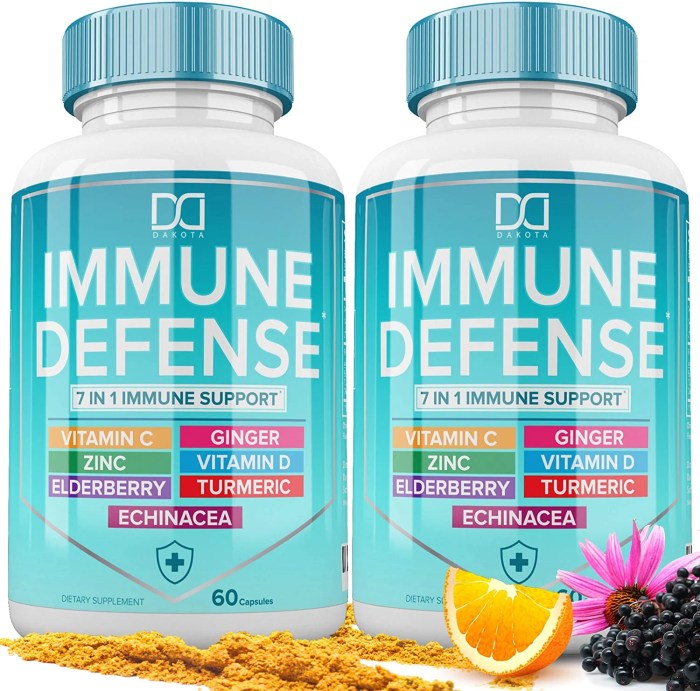
Best nutritional supplements for immune support – When it comes to supporting your immune system, nutritional supplements can play a key role in providing the necessary vitamins and minerals to boost immunity. Different types of supplements offer various benefits, so it’s essential to understand which ingredients are most effective in strengthening your immune response.
Types of Nutritional Supplements for Immune Support
There are several types of nutritional supplements designed to support immune health. Here are some common options:
- Vitamin C: Known for its antioxidant properties and ability to boost the immune system.
- Zinc: Helps regulate immune function and reduce inflammation.
- Vitamin D: Plays a crucial role in immune function and helps reduce the risk of respiratory infections.
- Probiotics: Support gut health, which is closely linked to immune function.
Key Ingredients in Immune-Boosting Supplements
When choosing immune-boosting supplements, look for key ingredients that have been shown to strengthen immunity:
- Vitamin C: Acts as an antioxidant and supports various cellular functions in the immune system.
- Zinc: Essential for proper immune function and helps combat infections.
- Echinacea: Known for its immune-boosting properties and ability to reduce the severity of cold symptoms.
Effectiveness of Various Supplements
Studies have shown that certain supplements can be effective in strengthening immunity and reducing the risk of infections. However, it’s essential to consult with a healthcare provider before adding new supplements to your routine to ensure safety and effectiveness.
Incorporating Supplements into Daily Routine
To incorporate immune-boosting supplements into your daily routine, consider taking them with meals to enhance absorption. It’s also important to follow the recommended dosage guidelines provided on the supplement labels to avoid any adverse effects.
Fitness Routine
Regular physical activity plays a crucial role in supporting immune health. Engaging in a consistent fitness routine can help strengthen the immune system, making it more effective at fighting off infections and illnesses.
Guidelines for Developing a Fitness Routine
- Aim for at least 150 minutes of moderate-intensity exercise per week, such as brisk walking, cycling, or swimming.
- Incorporate strength training exercises at least two days a week to build muscle and improve overall fitness.
- Include flexibility and balance exercises, such as yoga or Pilates, to enhance mobility and reduce the risk of injuries.
- Listen to your body and adjust your workout intensity based on how you feel to prevent overtraining and burnout.
Benefits of Different Types of Exercises on the Immune System
- Aerobic exercises, like running or dancing, can boost immune function by increasing circulation and promoting the production of white blood cells.
- Strength training exercises help improve overall health and immunity by reducing inflammation and enhancing the body’s ability to fight off infections.
- Yoga and tai chi are beneficial for immune health as they help reduce stress levels, which can weaken the immune system.
Examples of Exercise Routines to Boost Immunity, Best nutritional supplements for immune support
- Morning routine: 30 minutes of yoga or stretching exercises followed by a 20-minute brisk walk or jog.
- Afternoon routine: 45 minutes of strength training exercises using body weight or dumbbells, focusing on different muscle groups.
- Evening routine: 20 minutes of meditation or deep breathing exercises to relax and reduce stress levels, followed by a quick HIIT (High-Intensity Interval Training) session for a metabolic boost.
Health Screenings
Regular health screenings play a crucial role in maintaining immune health by detecting early signs of potential issues and ensuring overall well-being and immunity.
Recommended Health Screenings for Monitoring Immune Function
- Blood Tests: Regular blood tests can help monitor levels of white blood cells, antibodies, and other markers of immune function.
- Immune Function Tests: Specific tests can assess the body’s immune response to infections and diseases.
- Thyroid Function Tests: Thyroid health is closely linked to immune function, making thyroid screenings important for overall immunity.
Importance of Health Screenings
Regular health screenings are essential for detecting early signs of immune-related issues before they escalate. By monitoring various aspects of immune function through screenings, individuals can take proactive steps to maintain their health and well-being.
Disease Prevention
Preventing common illnesses through immune support is crucial for maintaining overall health and well-being. By focusing on immune-boosting practices, you can reduce the risk of infections and strengthen your body’s defense against diseases.
Role of Vaccines in Disease Prevention
Vaccines play a vital role in disease prevention by introducing a small, weakened, or inactive form of a pathogen to stimulate the immune system’s response. This helps the body develop antibodies to fight off the actual disease if exposed in the future.
Tips for Reducing Risk of Infections
- Wash your hands frequently with soap and water to prevent the spread of germs.
- Avoid close contact with sick individuals to reduce exposure to pathogens.
Preventive Measures to Strengthen Immunity
- Get an adequate amount of sleep each night to allow your body to rest and repair.
Sleep Hygiene
Quality sleep plays a crucial role in supporting a healthy immune system. During sleep, the body repairs and regenerates cells, and the immune system works to fight off infections and illnesses. Here are some tips to improve sleep hygiene for optimal immune function:
Tips for Improving Sleep Hygiene
- Avoid stimulants like caffeine and nicotine close to bedtime.
- Create a relaxing bedtime routine to signal to your body that it’s time to wind down.
- Ensure your sleep environment is conducive to rest – cool, dark, and quiet.
- Avoid screens (phones, tablets, computers) at least an hour before bed as the blue light can disrupt sleep.
- Practice relaxation techniques like deep breathing or meditation to calm the mind before sleep.
Impact of Sleep Disorders on Immunity
Sleep disorders such as insomnia or sleep apnea can have a negative impact on the immune system. Chronic lack of sleep can lead to increased inflammation in the body and a weakened immune response, making individuals more susceptible to infections.
Recommendations for Establishing a Bedtime Routine
- Set a consistent bedtime and wake-up time to regulate your body’s internal clock.
- Avoid heavy meals, vigorous exercise, and stressful activities close to bedtime.
- Engage in relaxing activities like reading or taking a warm bath to unwind before sleep.
- Avoid napping for long periods during the day, as it can interfere with your ability to fall asleep at night.
Mental Clarity
Maintaining mental clarity is essential for overall well-being, including immune health. Research has shown a strong connection between cognitive function and the body’s ability to fight off infections and illnesses. When our minds are clear and focused, our immune system is better equipped to respond to threats effectively.
Strategies for Enhancing Mental Clarity
- Adequate Sleep: Quality sleep is crucial for cognitive function and immune health. Aim for 7-9 hours of restful sleep each night.
- Regular Exercise: Physical activity not only boosts mood but also enhances cognitive function, improving mental clarity.
- Healthy Diet: Nutrient-rich foods like fruits, vegetables, whole grains, and healthy fats support brain health and cognitive function.
- Mindfulness Practices: Techniques like meditation, deep breathing, and yoga can help reduce stress, improve focus, and promote mental clarity.
- Brain-Boosting Activities: Engaging in puzzles, reading, learning new skills, or creative hobbies can stimulate the mind and enhance cognitive function.
Hydration Importance: Best Nutritional Supplements For Immune Support
Maintaining proper hydration is crucial for supporting a strong immune system. Dehydration can have negative impacts on immune function, making it essential to stay properly hydrated to boost immunity. Here are some guidelines and examples of hydrating beverages to help you prioritize hydration for overall health and immunity.
Role of Hydration in Immune Function
Proper hydration plays a key role in supporting immune function by helping to transport nutrients throughout the body, flushing out toxins, and regulating body temperature. Dehydration can weaken the immune system, making the body more vulnerable to infections and illnesses. It is important to drink an adequate amount of water daily to keep the immune system functioning optimally.
Guidelines for Staying Hydrated
- Drink at least 8-10 glasses of water per day, or more if you are active or in hot weather.
- Monitor your urine color – pale yellow or clear urine indicates proper hydration.
- Include hydrating foods such as fruits, vegetables, and soups in your diet.
- Avoid excessive consumption of caffeinated or sugary beverages, as they can dehydrate the body.
Hydrating Beverages for Immunity
- Water: The best choice for staying hydrated and supporting overall health.
- Herbal Teas: Chamomile, ginger, and green tea can provide hydration and immune-boosting benefits.
- Coconut Water: Rich in electrolytes, coconut water is a natural hydrator that can support immunity.
- Vegetable Juices: Cucumber, celery, and carrot juices are hydrating options packed with nutrients for immune support.
User Queries
Can nutritional supplements alone boost immune function?
Nutritional supplements can complement a healthy lifestyle and provide additional support to the immune system, but they are most effective when combined with a balanced diet and regular exercise.
Are there any potential side effects of taking immune-boosting supplements?
While most nutritional supplements are safe when taken as directed, it’s important to consult with a healthcare provider before starting any new supplement regimen to avoid any potential interactions or side effects.
How long does it take to see the effects of immune-boosting supplements?
The time it takes to notice the effects of immune-boosting supplements can vary depending on the individual’s health status and the specific supplements being used. Consistent use over time is typically recommended for optimal results.