Stress Management
Effective stress management techniques are crucial for improving mental clarity and productivity. When stress levels are high, cognitive function can be impaired, leading to decreased focus and efficiency. It is important to combat stress through various mindfulness exercises and relaxation techniques to maintain optimal mental well-being.
Impact of Stress on Cognitive Function
Stress can have a significant impact on cognitive function, making it difficult to concentrate, remember information, and make decisions. Chronic stress can even lead to long-term cognitive decline if not addressed promptly.
- High levels of stress release cortisol, a hormone that can interfere with neurotransmitters in the brain, affecting memory and learning abilities.
- Stress can trigger the “fight or flight” response, diverting blood flow away from the prefrontal cortex responsible for decision-making and problem-solving.
- Chronic stress can lead to structural changes in the brain, impacting neural connections and cognitive processes over time.
Combatting Stress with Mindfulness Exercises
Practicing mindfulness exercises can help reduce stress levels and improve mental clarity. These exercises focus on being present in the moment, calming the mind, and promoting relaxation.
- Deep breathing exercises: Taking slow, deep breaths can help activate the body’s relaxation response and reduce stress levels.
- Progressive muscle relaxation: Tensing and then relaxing different muscle groups can help release physical tension and promote a sense of calm.
- Mindful meditation: Spending a few minutes each day in quiet reflection can help clear the mind and reduce stress and anxiety.
Healthy Lifestyle: Mental Clarity And Productivity Tips
Maintaining a healthy lifestyle is crucial for enhancing mental clarity and productivity in daily life. When we prioritize our physical well-being, we are also supporting our mental health and cognitive function.
Incorporating Exercise and Nutritious Foods
Regular exercise not only boosts our physical health but also has a positive impact on our mental well-being. Engaging in physical activity releases endorphins, which are known to improve mood and reduce stress levels. Along with exercise, consuming nutritious foods rich in vitamins, minerals, and antioxidants can fuel our bodies and brains for optimal performance. Incorporating a balanced diet with plenty of fruits, vegetables, whole grains, and lean proteins can provide the necessary nutrients to support cognitive function and overall well-being.
Importance of Work-Life Balance
Maintaining a healthy work-life balance is essential for overall well-being. When we prioritize time for relaxation, hobbies, and social connections outside of work, we allow ourselves to recharge and prevent burnout. Setting boundaries between work and personal life can help reduce stress levels and improve focus and productivity during work hours. Finding a balance that allows for both productivity at work and relaxation in personal life is key to sustaining mental clarity and overall happiness.
Medical Innovations
Medical innovations play a crucial role in enhancing mental clarity and productivity. Whether it’s through the use of mental health apps, wearable devices, telemedicine, or neurotechnology, these advancements are revolutionizing the way we approach mental well-being.
Role of Mental Health Apps and Wearable Devices, Mental clarity and productivity tips
- Mental health apps provide convenient access to tools and resources for managing stress, anxiety, and other mental health concerns.
- Wearable devices, such as smartwatches, can track biometric data like heart rate variability and sleep patterns, offering insights into overall well-being.
- By utilizing these technologies, individuals can proactively monitor and improve their mental health, leading to increased focus and productivity.
Telemedicine for Mental Health Support
- Telemedicine allows individuals to connect with mental health professionals remotely, breaking down barriers to access and providing support when needed.
- Through virtual appointments and online therapy sessions, telemedicine offers a convenient and effective way to receive mental health care.
- This innovative approach ensures that individuals can prioritize their mental well-being without the constraints of traditional in-person visits.
Advancements in Neurotechnology
- Neurotechnology focuses on enhancing cognitive function through brain stimulation, neurofeedback, and other cutting-edge techniques.
- Recent advancements in neurotechnology have shown promising results in improving memory, focus, and overall brain performance.
- By leveraging these innovations, individuals can optimize their cognitive abilities, leading to increased mental clarity and productivity in various aspects of life.
Nutritional Supplements
Mental clarity and productivity tips – When it comes to mental clarity and focus, incorporating specific nutritional supplements into your diet can provide significant benefits. These supplements can support brain health, enhance cognitive function, and boost productivity.
Benefits of Omega-3 Fatty Acids
Omega-3 fatty acids are essential nutrients that play a crucial role in brain function and development. They have been shown to improve memory, focus, and overall cognitive performance. Incorporating sources of omega-3s such as fish oil, flaxseeds, and walnuts can help enhance mental clarity and focus.
Importance of B Vitamins
B vitamins, including B6, B12, and folate, are important for brain health and cognitive function. These vitamins help in the production of neurotransmitters that are essential for mental clarity and focus. Consuming foods rich in B vitamins like leafy greens, eggs, and lean meats can support optimal brain function.
Natural Supplements for Productivity
- Ginkgo Biloba: This herbal supplement is known for its ability to improve memory, concentration, and overall cognitive function.
- Rhodiola Rosea: Rhodiola is an adaptogenic herb that can help reduce fatigue, enhance mental performance, and increase productivity.
- L-Theanine: Found in tea leaves, L-Theanine can promote relaxation, reduce stress, and improve focus and attention.
Fitness Routine
Having a well-rounded fitness routine not only improves physical health but also enhances cognitive function. Regular exercise has been shown to have a positive impact on mental clarity, focus, and productivity.
Exercises for Cognitive Function
Engaging in specific exercises can help boost brain function and improve focus. Here are some examples of exercises that can enhance cognitive abilities:
- Cardiovascular exercises such as running, cycling, or swimming increase blood flow to the brain, improving memory and concentration.
- Strength training exercises like weightlifting enhance overall brain function by stimulating the release of chemicals that promote brain health.
- Yoga and Pilates can help reduce stress, increase mindfulness, and improve cognitive function through controlled movements and breathing techniques.
Health Screenings
Regular health screenings play a crucial role in maintaining overall wellness and detecting potential health issues that could impact mental clarity. Early detection through preventive screenings can significantly improve outcomes and quality of life.
Significance of Regular Health Screenings
- Health screenings can help identify risk factors for various conditions that may affect mental clarity, such as high blood pressure, diabetes, and cholesterol levels.
- Early detection of these conditions can lead to timely interventions and treatments, preventing complications that could impact cognitive function.
- Regular screenings also promote a proactive approach to health management, empowering individuals to take control of their well-being.
Role of Preventive Screenings in Wellness
- Preventive screenings, such as mammograms, colonoscopies, and blood tests, can detect diseases in their early stages when they are more treatable.
- By detecting health issues early, individuals can make lifestyle changes or start necessary treatments to improve their overall health and well-being.
- Preventive screenings not only help prevent diseases but also promote a holistic approach to health that encompasses physical, mental, and emotional well-being.
Importance of Early Detection through Health Check-ups
- Regular health check-ups allow healthcare providers to monitor changes in health parameters and identify any deviations from normal values.
- Early detection of abnormalities can prompt further diagnostic tests or interventions to address underlying health issues before they progress.
- Health check-ups also provide an opportunity for individuals to discuss any concerns or symptoms they may be experiencing with their healthcare provider.
Disease Prevention
Preventing diseases not only helps in maintaining physical health but also plays a crucial role in enhancing mental clarity and cognitive function. By adopting certain lifestyle changes and preventive measures, individuals can reduce the risk of cognitive decline and conditions like Alzheimer’s or dementia.
Lifestyle Changes for Disease Prevention
- Regular exercise: Engaging in physical activity can improve blood flow to the brain and promote the growth of new brain cells, reducing the risk of cognitive decline.
- Healthy diet: Consuming a balanced diet rich in fruits, vegetables, whole grains, and healthy fats can provide essential nutrients for brain health and reduce inflammation.
- Mental stimulation: Engaging in activities that challenge the brain, such as puzzles, reading, or learning a new skill, can help maintain cognitive function and prevent memory loss.
- Quality sleep: Getting enough restful sleep is crucial for brain health and cognitive function, as it allows the brain to recharge and consolidate memories.
Preventive Measures for Alzheimer’s and Dementia
- Regular physical and mental activity: Staying physically and mentally active can help reduce the risk of Alzheimer’s and dementia by promoting brain health and cognitive function.
- Managing chronic conditions: Controlling conditions like high blood pressure, diabetes, and obesity through medication, diet, and lifestyle changes can lower the risk of cognitive decline.
- Social engagement: Maintaining social connections and participating in social activities can support brain health and reduce the risk of cognitive impairment.
- Avoiding smoking and excessive alcohol consumption: Smoking and heavy alcohol use have been linked to cognitive decline and an increased risk of developing dementia.
Sleep Hygiene
Good sleep hygiene is crucial for promoting mental clarity and productivity. It involves adopting healthy habits and routines to ensure quality sleep, which is essential for cognitive function and overall well-being.
Importance of Good Sleep Hygiene
Having good sleep hygiene helps regulate your body’s internal clock, allowing you to fall asleep faster and stay asleep throughout the night. This leads to improved concentration, focus, and decision-making skills, ultimately enhancing mental clarity and productivity.
Tips for Improving Sleep Quality
- Avoid caffeine and electronics before bedtime to reduce stimulation.
- Create a relaxing bedtime routine, such as reading or taking a warm bath.
- Keep your bedroom dark, quiet, and at a comfortable temperature to promote sleep.
- Stick to a consistent sleep schedule by going to bed and waking up at the same time every day.
Impact of Sleep Deprivation on Cognitive Function
Sleep deprivation can have detrimental effects on cognitive function, leading to difficulties with memory, problem-solving, and critical thinking. It impairs your ability to focus, learn new information, and make sound decisions, ultimately hindering mental clarity and productivity.
Mental Clarity
Mental clarity refers to the state of having a clear and focused mind, free from distractions and confusion. It plays a crucial role in enhancing productivity as it allows individuals to concentrate on tasks, make informed decisions, and solve problems efficiently.
Techniques for Improving Mental Clarity and Focus
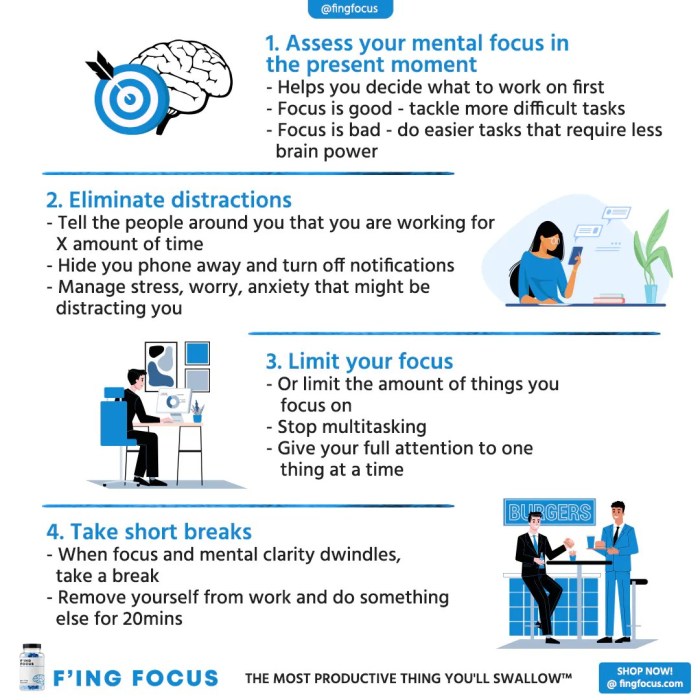
- Avoid multitasking: Focus on one task at a time to improve concentration and prevent mental overload.
- Practice mindfulness: Engage in activities such as meditation or deep breathing exercises to calm the mind and enhance clarity.
- Get organized: Create to-do lists, prioritize tasks, and declutter your workspace to reduce mental clutter and improve focus.
- Take breaks: Regular breaks can help refresh the mind and prevent fatigue, leading to improved mental clarity.
- Stay active: Regular exercise can boost cognitive function, reduce stress, and improve mental clarity.
Relationship Between Mental Clarity and Decision-Making Skills
Having mental clarity is essential for making sound decisions as it allows individuals to weigh options, consider consequences, and choose the best course of action. When the mind is clear and focused, decision-making becomes more effective and efficient, leading to better outcomes in both personal and professional life.
Hydration Importance
Maintaining proper hydration is crucial for cognitive function and productivity. Dehydration can lead to decreased focus, fatigue, and overall reduced mental clarity. It is essential to understand the impact of hydration on brain performance and how it affects our daily tasks.
Recommended Daily Water Intake
To optimize brain function, it is recommended to consume about 8-10 cups of water per day for adults. This amount may vary depending on factors such as age, weight, activity level, and climate. Staying adequately hydrated can help improve memory, concentration, and overall brain function.
Tips for Staying Hydrated
- Carry a reusable water bottle with you throughout the day to remind yourself to drink water regularly.
- Set reminders on your phone or computer to take water breaks at specific intervals.
- Infuse your water with fruits or herbs to add flavor and make it more enjoyable to drink.
- Drink water before, during, and after exercise to replenish lost fluids and stay hydrated.
- Avoid excessive consumption of caffeinated or sugary beverages, as they can contribute to dehydration.
Detailed FAQs
How can stress management techniques improve mental clarity and productivity?
Effective stress management techniques such as mindfulness exercises and relaxation techniques can help reduce stress levels, leading to improved cognitive function and productivity.
What role do medical innovations play in enhancing productivity?
Medical innovations like mental health apps and wearable devices can provide support and tools for better mental well-being, ultimately boosting productivity levels.
Why is hydration important for cognitive function?
Hydration is crucial for optimal brain performance as it helps in maintaining focus, concentration, and overall cognitive function. Dehydration can lead to decreased mental clarity and productivity.