Stress Management
Stress management plays a crucial role in disease prevention for seniors as it can help reduce the risk of various health issues and improve overall well-being. Chronic stress has been linked to a weakened immune system, increased inflammation, and a higher likelihood of developing conditions such as heart disease, diabetes, and depression among older adults.
Stress-Relief Techniques for Seniors
- Practice deep breathing exercises: Encouraging seniors to take slow, deep breaths can help calm the mind and reduce stress levels.
- Engage in gentle physical activities: Activities like tai chi, yoga, or walking can promote relaxation and reduce tension in the body.
- Connect with loved ones: Spending time with family and friends, or even participating in support groups, can provide emotional support and alleviate feelings of loneliness or anxiety.
- Try mindfulness or meditation: Teaching seniors mindfulness techniques can help them stay present and focused, reducing stress and promoting mental clarity.
Impact of Chronic Stress on Seniors
Chronic stress can have a detrimental impact on seniors’ health by increasing the risk of cardiovascular problems, cognitive decline, and a compromised immune system. It can also exacerbate age-related conditions like arthritis, osteoporosis, and sleep disorders, leading to a decline in overall quality of life.
Incorporating Stress Management into Daily Routines
- Encourage regular physical activity: Engaging in daily exercise can help seniors manage stress levels and improve their mood.
- Promote relaxation techniques: Encourage seniors to take breaks throughout the day for relaxation, whether it’s through reading, listening to music, or practicing mindfulness.
- Provide resources for mental health support: Ensure seniors have access to counseling services or mental health professionals to address any underlying stressors or emotional challenges.
- Encourage a healthy lifestyle: Promoting a balanced diet, adequate sleep, and social engagement can all contribute to reducing stress and promoting overall well-being in seniors.
Healthy Lifestyle
Maintaining a healthy lifestyle is crucial for disease prevention in seniors. By incorporating specific components into their daily routines, older adults can improve their overall well-being and reduce the risk of various health conditions.
Components of a Healthy Lifestyle
- Regular physical activity: Engaging in exercises such as walking, swimming, or yoga can help seniors improve their cardiovascular health, muscle strength, and flexibility.
- Healthy diet: Consuming a balanced meal plan rich in fruits, vegetables, whole grains, lean proteins, and healthy fats can provide essential nutrients and support overall health.
- Adequate sleep: Getting enough rest is essential for seniors to recharge their bodies and minds, promoting better cognitive function and immune system support.
- Stress management: Practicing relaxation techniques, mindfulness, or hobbies can help seniors reduce stress levels and improve their mental well-being.
- Social connections: Maintaining relationships with friends, family, or participating in community activities can support seniors’ emotional health and reduce feelings of isolation.
Sedentary vs. Active Lifestyles
- Sedentary lifestyle: Inactive behavior and prolonged sitting can increase the risk of obesity, heart disease, diabetes, and other health issues in seniors.
- Active lifestyle: Regular physical activity can improve seniors’ mobility, balance, and overall quality of life, reducing the likelihood of chronic diseases and enhancing mental well-being.
Sample Daily Meal Plan
| Meal | Food Items |
|---|---|
| Breakfast | Whole grain cereal with berries and low-fat yogurt |
| Lunch | Grilled chicken salad with mixed greens and vinaigrette dressing |
| Snack | Carrot sticks with hummus |
| Dinner | Baked salmon with quinoa and steamed broccoli |
Activities for Seniors
- Walking or hiking in nature
- Joining a senior fitness class
- Gardening or planting flowers
- Attending group exercise sessions
- Learning a new hobby or skill
Medical Innovations
In the realm of disease prevention for seniors, medical innovations play a crucial role in enhancing healthcare access and improving overall well-being. From advanced technologies to innovative treatments, these advancements are reshaping the landscape of senior care.
Telemedicine and Remote Monitoring
Telemedicine and remote monitoring have revolutionized healthcare access for the elderly by providing convenient and efficient ways to receive medical care. Seniors can now consult with healthcare providers remotely, eliminating the need for frequent in-person visits. Remote monitoring devices allow for real-time tracking of vital health metrics, enabling early detection of potential health issues.
- Telemedicine enables seniors to connect with healthcare professionals through video calls, phone consultations, and secure messaging platforms.
- Remote monitoring devices, such as wearable sensors and smart health trackers, can track vital signs like heart rate, blood pressure, and blood sugar levels.
- These technologies help seniors manage chronic conditions, monitor medication adherence, and receive timely interventions when needed.
Wearable Devices for Health Tracking
Wearable devices have become increasingly popular among seniors for tracking vital health metrics and promoting active lifestyles. These devices can monitor physical activity, sleep patterns, and overall health status, providing valuable insights for disease prevention and management.
- Smartwatches, fitness bands, and health trackers offer features like heart rate monitoring, step counting, and sleep tracking to help seniors stay active and maintain healthy habits.
- By wearing these devices regularly, seniors can proactively manage their health, set fitness goals, and stay motivated to lead a healthy lifestyle.
- Some wearable devices also have built-in emergency response systems that can alert caregivers or emergency services in case of a health emergency.
Innovative Treatments for Age-Related Conditions, Disease prevention strategies for seniors
Advancements in medical research have led to innovative treatments and interventions for age-related conditions that were once considered untreatable. From gene therapies to regenerative medicine, these cutting-edge approaches offer new hope for seniors facing complex health challenges.
- Gene therapies target specific genetic mutations associated with age-related diseases, offering personalized treatment options for seniors with hereditary conditions.
- Regenerative medicine techniques, such as stem cell therapy and tissue engineering, aim to repair damaged tissues and organs, potentially reversing the effects of aging and degenerative diseases.
- Novel drug therapies and medical devices are being developed to address age-related conditions like Alzheimer’s disease, osteoporosis, and cardiovascular disorders, providing new possibilities for improved quality of life in older adults.
Nutritional Supplements
Disease prevention strategies for seniors – As seniors age, their nutritional needs may change, making it essential to consider the role of supplements in supporting immune function and overall health. Nutritional supplements can provide essential vitamins and minerals that may be lacking in their diets, helping to prevent diseases and maintain well-being.
Key Nutritional Supplements for Seniors
- Vitamin D: Supports bone health and immune function. Especially important for seniors who may have limited sun exposure.
- Vitamin B12: Helps maintain nerve function and red blood cell production. Common deficiency in older adults.
- Calcium: Essential for bone health and muscle function. Important for preventing osteoporosis.
- Omega-3 Fatty Acids: Support heart health and reduce inflammation. Found in fish oil supplements.
Benefits of Essential Vitamins and Minerals
Essential vitamins and minerals play a crucial role in disease prevention for seniors. Vitamins like C and E act as antioxidants, protecting cells from damage. Minerals like zinc and magnesium support immune function and help regulate blood pressure.
Guidelines for Safe Use of Nutritional Supplements
- Consult a healthcare provider before starting any new supplement regimen, especially if taking medications.
- Choose supplements from reputable brands that undergo testing for quality and purity.
- Follow recommended dosage instructions to avoid potential side effects or toxicity.
- Monitor for any adverse reactions and discontinue use if experiencing negative effects.
Potential Interactions and Risks
It is important to be aware of potential interactions or risks associated with certain supplements in older populations. For example, high doses of certain vitamins like vitamin E can increase the risk of bleeding, especially for those on blood thinners. Calcium supplements may interfere with the absorption of certain medications like antibiotics or thyroid hormones.
Fitness Routine: Disease Prevention Strategies For Seniors
Regular physical activity is crucial for seniors to maintain their overall health and prevent the onset of chronic diseases. A suitable fitness routine tailored for older adults can significantly improve strength, flexibility, and cardiovascular health, leading to a better quality of life.
Low-Impact Exercises for Seniors
- Walking: A simple yet effective exercise that can be done almost anywhere. It helps improve cardiovascular health and strengthens leg muscles.
- Swimming: A low-impact exercise that works out the entire body while being gentle on the joints.
- Yoga: Enhances flexibility, balance, and strength, promoting relaxation and reducing stress levels.
- Chair Exercises: Ideal for seniors with limited mobility, these exercises can help improve strength and flexibility.
- Cycling: Stationary or outdoor biking can be a great way to improve cardiovascular health and leg strength.
Importance of Regular Physical Activity
Regular physical activity not only improves physical health but also has positive effects on mental well-being. It can help reduce the risk of heart disease, diabetes, osteoporosis, and other chronic conditions commonly associated with aging.
Overcoming Barriers to Exercise
- Lack of Motivation: Joining group fitness classes or finding a workout buddy can help seniors stay motivated and committed to their fitness routine.
- Fear of Injury: Starting with low-impact exercises and seeking guidance from a fitness professional can alleviate fears of getting injured during workouts.
- Physical Limitations: Tailoring the fitness routine to individual needs and abilities can make exercise more accessible and enjoyable for seniors with physical limitations.
- Time Constraints: Breaking down workouts into shorter sessions throughout the day or incorporating physical activity into daily tasks can help overcome time constraints.
Health Screenings
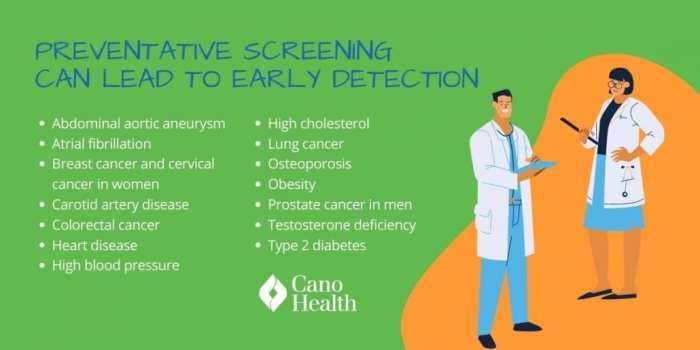
Regular health screenings play a crucial role in disease prevention for seniors by detecting potential health issues early on. This proactive approach allows for timely intervention and treatment, ultimately leading to better health outcomes in older adults.
Essential Screenings for Older Adults
- Blood Pressure: Regular monitoring can help in the early detection and management of hypertension, reducing the risk of heart disease and stroke.
- Cholesterol Levels: Screening for cholesterol levels can identify individuals at risk for cardiovascular disease and guide preventive measures.
- Blood Sugar: Checking blood sugar levels is essential for early detection of diabetes, a common age-related condition.
- Bone Density: Assessing bone density can help in the early diagnosis of osteoporosis, reducing the risk of fractures.
- Colorectal Cancer: Screening tests like colonoscopy can detect colorectal cancer early, when treatment is most effective.
Prevention and Early Treatment
Regular health screenings enable healthcare providers to identify potential health issues before symptoms manifest, allowing for early intervention and treatment. This proactive approach can significantly reduce the progression of age-related diseases and improve quality of life for seniors.
Frequency and Timing
- Blood Pressure: Yearly screenings are recommended for individuals over 65, or more frequently if there are existing conditions.
- Cholesterol Levels: Screening every 4-6 years for individuals without risk factors, and more frequently for those at higher risk.
- Blood Sugar: Annual screenings are recommended for individuals at risk for diabetes or with a family history of the disease.
- Bone Density: Screening every 2 years for women over 65, or earlier depending on risk factors.
- Colorectal Cancer: Regular screenings starting at age 50, with frequency depending on the initial results.
Disease Prevention
Preventing diseases is crucial for maintaining the health and well-being of seniors. By taking proactive measures, individuals can reduce the risk of developing various health conditions and improve their overall quality of life.
Role of Vaccinations in Disease Prevention
Vaccinations play a vital role in preventing infectious diseases among the elderly. By getting vaccinated against illnesses such as influenza, pneumonia, and shingles, seniors can lower their chances of contracting these potentially serious infections.
Creating a Personalized Disease Prevention Plan
Developing a personalized disease prevention plan is essential for addressing individual health needs. This plan should take into account factors such as existing medical conditions, family history, lifestyle habits, and age-related risk factors to create a comprehensive strategy for disease prevention.
Impact of Lifestyle Choices on Disease Prevention
Lifestyle choices have a significant impact on disease prevention and overall well-being in seniors. By adopting a healthy diet, engaging in regular physical activity, maintaining a healthy weight, avoiding smoking and excessive alcohol consumption, and managing stress effectively, seniors can reduce the risk of developing chronic conditions such as heart disease, diabetes, and cancer.
Sleep Hygiene
Good sleep hygiene is crucial for maintaining optimal health and disease prevention in seniors. Adequate sleep helps in improving immune function, cognitive performance, and overall well-being. It also plays a significant role in preventing age-related health conditions.
Importance of Good Sleep Hygiene
Establishing good sleep hygiene practices can have a profound impact on the quality of sleep for seniors. Consistent and restful sleep is essential for physical and mental health, as well as for reducing the risk of chronic diseases.
- Avoiding caffeine and heavy meals close to bedtime
- Creating a comfortable sleep environment
- Establishing a consistent sleep schedule
- Engaging in relaxation techniques before bed
Common Sleep Disorders in the Elderly
Seniors may experience various sleep disorders, such as insomnia, sleep apnea, restless leg syndrome, and periodic limb movement disorder. These conditions can significantly impact sleep quality and overall health.
- Consulting a healthcare provider for proper diagnosis and treatment
- Implementing lifestyle changes to improve sleep patterns
- Exploring non-pharmacological interventions for sleep disorders
- Participating in sleep studies if necessary
Relationship Between Sleep Deprivation and Age-Related Health Conditions
Chronic sleep deprivation in seniors can lead to an increased risk of age-related health conditions, including cardiovascular disease, diabetes, obesity, and cognitive decline. Prioritizing quality sleep is essential for disease prevention and overall well-being.
- Understanding the impact of sleep on various aspects of health
- Implementing strategies to improve sleep hygiene and quality
- Seeking medical attention for persistent sleep disturbances
- Monitoring sleep patterns and making necessary adjustments
Relaxation Techniques and Bedtime Routines
Seniors can benefit from incorporating relaxation techniques and bedtime routines that promote better sleep. These practices can help in reducing stress, calming the mind, and preparing the body for restful sleep.
- Practicing deep breathing exercises
- Engaging in meditation or mindfulness activities
- Listening to soothing music or nature sounds
- Creating a calming bedtime routine with consistent habits
Mental Clarity

Maintaining mental clarity is essential for seniors as it plays a crucial role in disease prevention and overall well-being. Cognitive health is closely linked to various strategies that can help older adults stay sharp and focused.
Social Engagement
- Regular social interactions with friends, family, and community members can help seniors stay mentally stimulated and emotionally connected.
- Participating in group activities, volunteering, or joining clubs can provide opportunities for engagement and cognitive stimulation.
- Attending social events or gatherings can also enhance mood and cognitive function in older adults.
Cognitive Exercises
- Engaging in brain games, puzzles, or memory exercises can help seniors improve their cognitive abilities and enhance mental clarity.
- Activities like crossword puzzles, Sudoku, or logic games can challenge the brain and promote cognitive function.
- Learning new skills or hobbies can also stimulate the brain and support mental well-being in older adults.
Lifelong Learning
- Continuing education through classes, workshops, or online courses can provide seniors with opportunities to learn new information and skills.
- Reading books, attending lectures, or exploring new interests can help seniors stay intellectually engaged and maintain mental clarity.
- Engaging in lifelong learning can also promote brain health and cognitive function as individuals age.
Cognitive Assessments
- Regular cognitive assessments, such as memory tests or cognitive screenings, can help monitor changes in mental clarity and identify any potential cognitive issues.
- Using tools like brain training apps or online cognitive assessments can aid in tracking cognitive performance and maintaining mental sharpness.
- Consulting healthcare professionals for cognitive evaluations can provide valuable insights into cognitive health and support disease prevention efforts for seniors.
Hydration Importance
Proper hydration is essential for seniors as it plays a crucial role in disease prevention and overall health. Dehydration can lead to various complications and negatively impact the well-being of older individuals. It is important for seniors to stay hydrated to maintain their health and vitality.
Recommendations for Daily Fluid Intake
- Aim to drink at least 8-10 cups of water per day, unless advised otherwise by a healthcare provider.
- Include hydrating foods such as fruits, vegetables, soups, and smoothies in your diet.
- Avoid excessive consumption of caffeinated or sugary beverages, as they can dehydrate the body.
Hydration Strategies for the Elderly
- Carry a reusable water bottle with you throughout the day to remind yourself to drink water.
- Set timers or use smartphone apps to track your water intake and ensure you are meeting your daily hydration goals.
- Add flavor to your water with lemon, cucumber, or mint to make it more appealing and encourage consumption.
Effects of Dehydration on Senior Health
- Dehydration can lead to dizziness, confusion, urinary tract infections, kidney stones, and other health issues in seniors.
- It can also exacerbate existing medical conditions and increase the risk of hospitalization.
Tips for Staying Hydrated
- Encourage sipping water throughout the day rather than trying to drink large amounts at once.
- If mobility or cognitive challenges make it difficult to stay hydrated, consider using a straw, water bottles with built-in straws, or hydration reminder devices.
- Consult a healthcare provider if you experience symptoms of dehydration such as dry mouth, dark urine, or fatigue.
Essential Questionnaire
How important is stress management for seniors?
Stress management is crucial for seniors as chronic stress can impact health negatively and worsen age-related conditions. Implementing stress-relief techniques can significantly improve overall well-being.
What are some key components of a healthy lifestyle for disease prevention in seniors?
A healthy lifestyle for seniors includes regular physical activity, balanced nutrition, proper hydration, sufficient sleep, and social engagement.
How can seniors incorporate fitness routines into their daily lives?
Seniors can engage in low-impact exercises like walking, swimming, or yoga to improve strength, flexibility, and cardiovascular health. It’s essential to consult with a healthcare provider before starting any new fitness routine.