Stress Management
Effective stress management techniques are crucial for students as they face a variety of challenges during their academic journey. It is essential for students to learn how to manage stress effectively in order to maintain their mental and physical well-being, as well as to improve their academic performance.
Common Sources of Stress for Students, Effective stress management techniques for students
- Academic pressure, such as exams, assignments, and deadlines
- Peer relationships and social dynamics
- Financial concerns and responsibilities
- Balancing academic workload with extracurricular activities
Impact of Stress on Students’ Health
Stress can have a significant impact on students’ mental and physical health. It can lead to symptoms such as anxiety, depression, insomnia, and fatigue. Chronic stress can weaken the immune system, making students more susceptible to illnesses. Additionally, stress can affect students’ concentration, memory, and overall academic performance.
Benefits of Implementing Stress Management Strategies
- Improved mental health and emotional well-being
- Enhanced focus and concentration
- Better time management and organizational skills
- Increased resilience and ability to cope with challenges
Healthy Lifestyle
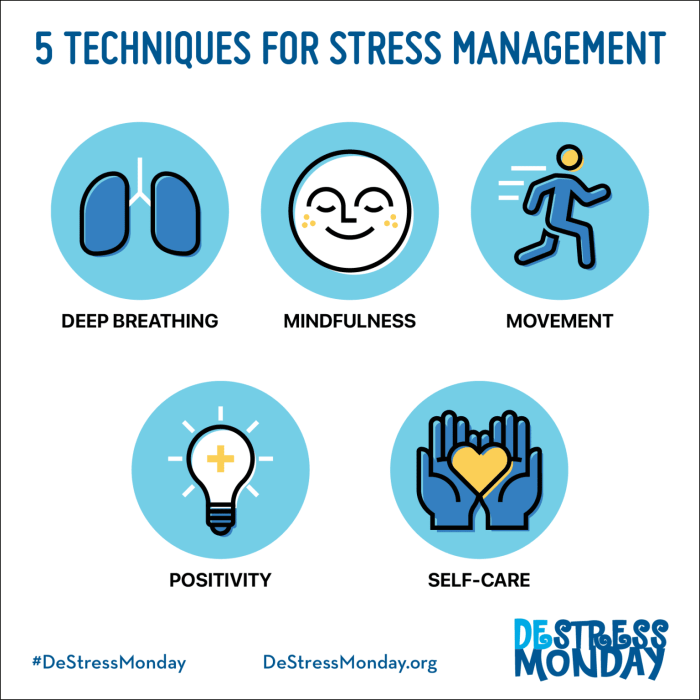
Incorporating healthy habits into your daily routine can significantly impact your ability to manage stress effectively. A healthy lifestyle encompasses various factors such as diet, exercise, and sleep, all of which play a crucial role in reducing stress levels in students.
Examples of Healthy Habits
- Eating a balanced diet rich in fruits, vegetables, whole grains, and lean proteins can provide essential nutrients to support overall well-being and mental health.
- Engaging in regular physical activity, whether through sports, yoga, or simply going for a walk, can help reduce tension and improve mood through the release of endorphins.
- Prioritizing quality sleep by establishing a consistent bedtime routine and aiming for 7-9 hours of rest each night can enhance cognitive function and emotional resilience.
Link Between Healthy Lifestyle and Reduced Stress Levels
Maintaining a healthy lifestyle can lead to reduced stress levels in students by promoting physical health, enhancing mental clarity, and boosting emotional well-being. When the body is nourished, active, and well-rested, it is better equipped to cope with academic pressures and everyday challenges.
Impact of Diet, Exercise, and Sleep on Stress Management
- A nutritious diet provides the brain with essential nutrients for optimal function, while regular exercise helps release tension and improve mood, both of which contribute to better stress management.
- Prioritizing sleep ensures that the body and mind can rejuvenate and repair, reducing the likelihood of feeling overwhelmed or anxious in stressful situations.
Tips for Maintaining a Healthy Lifestyle
- Plan and prepare healthy meals in advance to avoid relying on fast food or unhealthy snacks during busy periods.
- Schedule regular exercise sessions throughout the week, even if they are short, to stay active and reduce stress levels.
- Create a bedtime routine that promotes relaxation, such as reading a book or practicing mindfulness, to improve sleep quality and overall well-being.
Medical Innovations
In today’s fast-paced world, innovative medical approaches and technologies play a crucial role in helping students manage stress effectively. These advancements not only provide new ways to address mental health issues but also offer convenience and accessibility to students in need.
Telemedicine and Online Counseling Services
Telemedicine and online counseling services have revolutionized the way students can access mental health support. Through virtual platforms, students can connect with licensed professionals from the comfort of their homes, eliminating barriers such as transportation or scheduling conflicts. This convenient access to therapy sessions and counseling can significantly reduce stress levels and promote overall well-being among students.
- Telemedicine platforms offer real-time video consultations with mental health professionals, allowing students to seek help promptly without the need for in-person visits.
- Online counseling services provide a confidential and secure space for students to discuss their concerns and receive guidance on managing stress and anxiety.
- These virtual platforms often offer flexible appointment times, making it easier for students to fit therapy sessions into their busy schedules.
Promotion of Mental Health in Educational Settings
Medical innovations are being utilized in educational settings to promote mental health awareness and support students in managing stress effectively. Schools and universities are incorporating various technologies and approaches to create a more mentally healthy environment for their students.
- Some educational institutions use apps and digital platforms to provide students with resources for stress management techniques, mindfulness practices, and relaxation exercises.
- Virtual reality (VR) technology is being used to create immersive experiences that help students reduce anxiety and practice coping mechanisms in a controlled environment.
- Innovative programs like biofeedback therapy and neurofeedback training are gaining popularity in educational settings for their effectiveness in teaching students how to regulate their stress responses.
Accessing and Benefiting from Medical Innovations
Students can access and benefit from these medical innovations for stress management by staying informed about the available resources and seeking help when needed. It is essential for students to take advantage of the technological advancements and support services offered to prioritize their mental health and well-being.
By utilizing telemedicine services and online counseling platforms, students can receive the mental health support they need conveniently and confidentially.
Engaging with innovative programs and technologies in educational settings can empower students to develop healthy coping mechanisms and reduce stress levels effectively.
Nutritional Supplements
Effective stress management techniques for students – When it comes to managing stress, nutritional supplements can play a significant role in supporting students in their daily routines. These supplements can provide essential nutrients that may help reduce stress and anxiety levels, ultimately contributing to a more balanced and healthier lifestyle.
Key Supplements for Stress Relief
- Omega-3 fatty acids: Known for their anti-inflammatory properties, Omega-3 supplements can help reduce anxiety and improve overall mood.
- Vitamin B complex: B vitamins are essential for proper brain function and can help support the nervous system, reducing stress levels.
- Magnesium: This mineral is important for relaxation and may help alleviate symptoms of stress and anxiety.
Safety and Effectiveness of Nutritional Supplements
It is essential to consult with a healthcare professional before incorporating any nutritional supplements into your routine, especially if you are already taking medication. While many supplements are generally safe, it is crucial to ensure they do not interact negatively with any existing treatments or conditions.
Incorporating Nutritional Supplements into Daily Routine
- Establish a routine: Set specific times each day to take your supplements to ensure consistency.
- Combine with meals: Some supplements are better absorbed when taken with food, so consider incorporating them into your meals.
- Start with one supplement at a time: Introduce new supplements gradually to monitor their effects on your stress levels and overall well-being.
Fitness Routine
Physical activity plays a crucial role in reducing stress levels among students. Engaging in regular exercise helps release endorphins, which are known as the “feel-good” hormones that can improve mood and reduce feelings of stress and anxiety.
Connection Between Physical Activity and Stress Reduction
- Cardiovascular exercises like running, cycling, or swimming are effective in reducing stress by increasing blood flow to the brain and promoting relaxation.
- Strength training exercises, such as weightlifting or bodyweight exercises, can also help reduce stress by enhancing overall physical health and boosting self-confidence.
- Mind-body exercises like yoga, tai chi, or Pilates combine physical movement with mindfulness and breathing techniques, promoting relaxation and stress reduction.
Importance of Consistency in Maintaining a Fitness Routine
Consistency is key when it comes to reaping the stress-relieving benefits of exercise. By incorporating regular physical activity into their daily routine, students can better manage stress levels over the long term and maintain a healthier lifestyle.
Creating a Balanced Fitness Routine
- Start by setting realistic fitness goals that align with your schedule and preferences, whether it’s working out at the gym, taking a fitness class, or doing home workouts.
- Include a mix of cardiovascular, strength training, and mind-body exercises in your routine to target different aspects of physical and mental well-being.
- Find activities that you enjoy and that fit your personality, whether it’s dancing, hiking, or playing a team sport, to make exercise more enjoyable and sustainable.
- Make time for rest and recovery to prevent burnout and allow your body to recover between workout sessions, helping to reduce stress and improve overall fitness.
Health Screenings
Regular health screenings play a crucial role in identifying stress-related health issues among students. By undergoing these screenings, students can proactively address potential health concerns and manage stress more effectively. Here are some important types of screenings students should consider for their overall well-being.
Types of Health Screenings
- Blood Pressure Screening: Monitoring blood pressure levels can help students detect hypertension, a common stress-related condition.
- Blood Tests: Checking blood glucose, cholesterol, and other levels can provide insights into overall health and stress management.
- Mental Health Assessments: Screening for anxiety, depression, and other mental health conditions can help students cope with stress better.
- Vision and Hearing Tests: Ensuring good vision and hearing can prevent added stress from sensory issues.
Benefits of Health Screenings
- Early Detection: Screenings can detect health issues early, allowing for timely intervention and treatment.
- Preventive Care: Regular screenings help prevent the development of serious health conditions associated with stress.
- Personalized Care: Results from screenings can guide students in tailoring their health and stress management strategies.
Scheduling and Prioritizing Screenings
- Plan Ahead: Mark screening dates on calendars to ensure they are not overlooked amidst academic commitments.
- Utilize Campus Resources: Many educational institutions offer health screening services on-site for convenience.
- Seek Guidance: Consult healthcare professionals to create a screening schedule that aligns with individual needs and academic schedules.
Disease Prevention: Effective Stress Management Techniques For Students
Stress can have a significant impact on our health, leading to various stress-related diseases. It is crucial for students to be aware of the potential risks and take proactive measures to prevent these illnesses.
Common Stress-Related Diseases
- Cardiovascular diseases: Chronic stress can increase the risk of heart disease, hypertension, and stroke.
- Depression and anxiety disorders: Prolonged stress can contribute to mental health issues, such as depression and anxiety.
- Immune system disorders: Stress weakens the immune system, making individuals more susceptible to infections and illnesses.
Preventive Measures and Lifestyle Changes
- Regular exercise: Physical activity can help reduce stress levels and improve overall health.
- Healthy diet: Eating a balanced diet rich in fruits, vegetables, and whole grains can boost immunity and reduce the impact of stress on the body.
- Adequate sleep: Prioritizing sleep is essential for managing stress and supporting overall well-being.
Role of Stress Management Techniques in Disease Prevention
- Mindfulness and meditation: Practicing mindfulness can help students cope with stress and reduce the risk of stress-related diseases.
- Yoga and relaxation techniques: Engaging in yoga and relaxation exercises can promote relaxation and lower stress levels.
Successful Disease Prevention Strategies
- Time management: Effective time management can reduce stress levels and prevent the onset of stress-related illnesses.
- Seeking social support: Building a strong support system can help students cope with stress and prevent mental health issues.
Sleep Hygiene
Sleep hygiene refers to a set of practices and habits that are necessary for getting a good night’s sleep consistently. It plays a crucial role in stress management as adequate sleep is essential for our physical, mental, and emotional well-being.
Tips for Improving Sleep Quality
- Avoid caffeine and electronic devices close to bedtime.
- Establish a regular sleep schedule and stick to it, even on weekends.
- Create a relaxing bedtime routine like reading or taking a warm bath.
- Ensure your sleep environment is comfortable, dark, and quiet.
- Avoid heavy meals and vigorous exercise right before bedtime.
Impact of Poor Sleep Hygiene
Poor sleep hygiene can lead to increased stress levels, decreased cognitive function, and impaired academic performance.
Creating a Sleep-Friendly Environment
- Keep your bedroom dark, cool, and quiet to promote better sleep.
- Invest in a comfortable mattress and pillows for optimal support.
- Avoid using electronic devices in bed and limit exposure to screens before sleep.
- Establish a relaxing bedtime routine to signal your body that it’s time to wind down.
Mental Clarity
Maintaining mental clarity is crucial for effective stress management among students. When the mind is clear and focused, students can better handle challenging situations, make sound decisions, and stay on top of their academic responsibilities.
Practices to Enhance Mental Clarity
- Practice mindfulness meditation: Taking a few minutes each day to focus on the present moment can help reduce stress and improve mental clarity.
- Engage in deep breathing exercises: Deep breathing can help calm the mind, increase oxygen flow to the brain, and enhance mental clarity.
- Get regular exercise: Physical activity not only boosts overall well-being but also improves cognitive function, leading to better mental clarity.
Impact of Stress on Cognitive Function
Stress can significantly impact cognitive function, causing difficulties in concentration, memory retention, and decision-making. It can lead to mental fog, making it challenging for students to perform at their best academically.
Counteracting the Effects of Stress
- Practice relaxation techniques: Incorporate activities like yoga, tai chi, or progressive muscle relaxation to reduce stress levels and improve mental clarity.
- Ensure adequate sleep: Prioritize getting enough rest each night to allow the brain to recharge and function optimally.
- Establish a routine: Creating a structured daily schedule can help reduce stress and provide a sense of control, enhancing mental clarity.
Hydration Importance
Hydration plays a crucial role in maintaining physical and mental well-being, especially during stressful times. It is essential for overall health and can significantly impact stress management.
Benefits of Staying Hydrated
- Improved cognitive function: Staying hydrated helps with mental clarity and focus, which are essential for academic performance and managing stress effectively.
- Enhanced physical performance: Proper hydration supports energy levels and physical endurance, allowing students to cope better with stressors.
- Regulation of mood: Dehydration can lead to irritability and mood swings, making it harder to handle stress. Drinking enough water can help stabilize emotions.
- Detoxification: Hydration aids in flushing out toxins from the body, promoting overall well-being and reducing the impact of stress on the body.
Tips for Staying Hydrated
- Carry a reusable water bottle: Having water readily available can serve as a reminder to drink throughout the day.
- Set reminders: Use phone alarms or apps to prompt hydration at regular intervals, ensuring adequate water intake.
- Flavor water naturally: Infuse water with fruits or herbs to enhance taste and encourage consumption.
- Create a schedule: Allocate specific times for drinking water, such as before meals or during breaks between study sessions.
- Monitor urine color: Check the color of urine to gauge hydration levels; pale yellow indicates proper hydration.
FAQ Guide
How can I quickly reduce stress as a student?
To quickly reduce stress, try deep breathing exercises, taking short breaks, or engaging in physical activity to release tension.
Is it necessary to seek professional help for stress management?
If stress is significantly impacting your daily life and well-being, seeking guidance from a counselor or therapist can be beneficial in developing effective coping strategies.
Can nutritional supplements really help in reducing stress?
While nutritional supplements can support stress management, it’s important to consult with a healthcare professional before incorporating them into your routine to ensure safety and effectiveness.