Mindfulness Exercises to Reduce Stress
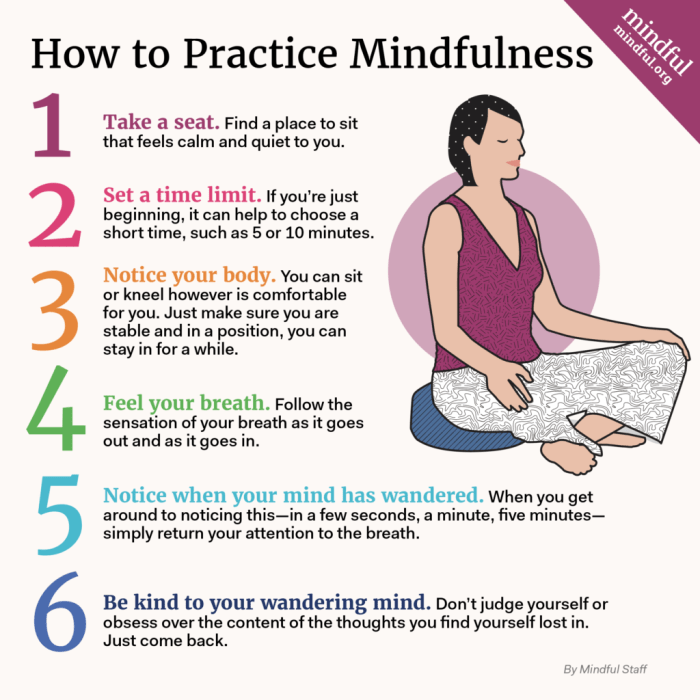
Mindfulness exercises to reduce stress – Practicing mindfulness involves being fully present in the moment, focusing on your thoughts, feelings, and sensations without judgment. This practice can help reduce stress by promoting relaxation and increasing self-awareness.
Deep Breathing
- Find a quiet place to sit or lie down comfortably.
- Close your eyes and take deep, slow breaths in through your nose and out through your mouth.
- Focus on the sensation of your breath entering and leaving your body.
- Repeat this for a few minutes to calm your mind and body.
Body Scan
- Lie down in a comfortable position and close your eyes.
- Start at your toes and slowly work your way up, focusing on each part of your body.
- Notice any tension or discomfort and try to release it as you scan each body part.
- This practice can help you become more aware of areas where you hold stress and tension.
Mindful Walking
- Find a quiet place to walk, either indoors or outdoors.
- Focus on each step you take, the sensation of your feet touching the ground.
- Pay attention to your surroundings, the sounds, smells, and sights around you.
- This exercise can help you connect with the present moment and relieve stress.
Integrating mindfulness exercises into your daily routine can have numerous benefits, such as reducing anxiety, improving focus, and enhancing overall well-being. By practicing these techniques regularly, you can cultivate a sense of calm and resilience in the face of stressors.
Stress Management
Stress management is essential for maintaining overall well-being and mental health. It involves implementing strategies to cope with and reduce the negative effects of stress on the mind and body.
Mindfulness
Mindfulness is a stress management technique that involves focusing on the present moment without judgment. By practicing mindfulness, individuals can develop awareness of their thoughts and emotions, leading to better stress regulation.
Meditation
- Meditation is another effective stress management technique that involves training the mind to achieve a state of relaxation and inner peace.
- Regular meditation practice can help reduce anxiety, improve concentration, and enhance overall emotional well-being.
Yoga
- Yoga combines physical postures, breathing exercises, and meditation to promote relaxation and reduce stress levels.
- Practicing yoga regularly can help increase flexibility, strengthen the body, and calm the mind, leading to reduced stress and anxiety.
Importance of Stress Management
Effective stress management is crucial for maintaining overall well-being. Chronic stress can have detrimental effects on physical health, mental health, and quality of life. By incorporating stress management techniques like mindfulness, meditation, and yoga into daily routines, individuals can better cope with stress and improve their overall health and happiness.
Healthy Lifestyle
Mindfulness plays a crucial role in promoting a healthy lifestyle by helping individuals become more aware of their thoughts, emotions, and actions. This heightened awareness enables better decision-making regarding habits that contribute to overall well-being.
Mindfulness and its Contribution to Healthy Living
Mindfulness encourages individuals to be present in the moment and fully engaged in their activities, including making healthier choices. By being mindful, people can tune into their body’s signals, such as hunger and fullness cues, leading to improved eating habits and nutrition.
Mindfulness also aids in stress reduction, which is essential for maintaining a healthy lifestyle. When stress levels are managed effectively through mindfulness practices, individuals are more likely to engage in exercise, eat balanced meals, and get adequate rest, all of which are vital components of a healthy routine.
Tips for Incorporating Mindfulness into Daily Life
- Start your day with a mindful moment: Begin each morning with a few minutes of deep breathing or meditation to set a positive tone for the day.
- Practice mindful eating: Pay attention to the flavors, textures, and sensations of each bite during meals to enhance the eating experience and promote healthier food choices.
- Take mindful breaks: Throughout the day, pause to focus on your breath or surroundings, allowing yourself to reset and refocus on the present moment.
- Integrate mindfulness into exercise: Whether it’s yoga, running, or strength training, bring mindfulness to your workouts by tuning into your body’s movements and sensations.
- End the day with gratitude: Before bed, reflect on moments of gratitude and positivity from the day, fostering a sense of contentment and well-being.
Medical Innovations
Medical innovations are continuously evolving to incorporate mindfulness practices in patient care, recognizing the significant impact of mental well-being on physical health.
Role of Mindfulness in Modern Healthcare Settings
Mindfulness has become a crucial component in modern healthcare settings, as it offers patients tools to manage stress, anxiety, and other mental health conditions effectively.
Integration of Mindfulness Practices into Medical Treatments
- Mindfulness-Based Stress Reduction (MBSR) programs are being implemented in hospitals and clinics to help patients cope with stress-related conditions such as chronic pain, hypertension, and cardiovascular diseases.
- Integrative medicine approaches combine mindfulness techniques with traditional medical treatments to improve patient outcomes and overall well-being.
- Medical professionals are increasingly recommending mindfulness practices like meditation and yoga to complement pharmaceutical interventions for stress-related disorders.
Nutritional Supplements
Stress reduction and mental clarity are closely linked to our overall well-being, and incorporating nutritional supplements can play a significant role in supporting stress management.
Specific Supplements for Stress Management
- Omega-3 Fatty Acids: Omega-3s, found in fish oil supplements, have been shown to reduce anxiety and promote brain health, aiding in stress management.
- Magnesium: Magnesium deficiency has been linked to increased stress levels, so supplementing with magnesium can help promote relaxation and reduce stress.
- Vitamin B Complex: B vitamins, particularly B6 and B12, are essential for nerve function and can help combat stress and improve mental clarity.
- Ashwagandha: An adaptogenic herb, ashwagandha helps the body adapt to stress, reduce anxiety, and improve overall well-being.
Importance of Consulting a Healthcare Provider
Before adding any nutritional supplements to your routine, it is crucial to consult a healthcare provider or a registered dietitian. They can assess your individual needs, potential interactions with medications, and ensure that the supplements are safe and effective for you.
Fitness Routine

Physical exercise plays a crucial role in complementing mindfulness practices for stress reduction. Engaging in a fitness routine not only benefits the body but also promotes mental well-being by reducing stress levels and enhancing overall mood.
Examples of Fitness Routines for Mental Well-being
- Yoga: Combining physical postures, breathing exercises, and meditation, yoga helps in reducing stress, anxiety, and improving mental clarity.
- Cardiovascular Exercises: Activities like running, cycling, or swimming release endorphins, also known as “feel-good” hormones, which can help alleviate stress and boost mood.
- Strength Training: Lifting weights or bodyweight exercises can enhance self-esteem, improve sleep quality, and reduce symptoms of depression and anxiety.
Synergy Between Mindfulness Exercises and Physical Activity
When mindfulness exercises are combined with physical activity, the synergy created can significantly help in managing stress levels. Mindful movement, such as walking meditation or tai chi, can enhance the mind-body connection and promote a sense of calmness and relaxation. Additionally, being fully present in the moment during exercise can help individuals let go of worries and focus on the sensations and movements of the body, leading to a reduction in stress and an overall improvement in mental well-being.
Health Screenings
Health screenings play a crucial role in stress management and disease prevention by enabling individuals to monitor their overall health status regularly.
Regular screenings are essential as they can help in the early detection and treatment of stress-related health issues, such as hypertension, diabetes, and heart disease.
Benefits of Prioritizing Health Screenings
- Early Detection: Health screenings can identify potential health problems before they escalate, allowing for timely intervention and treatment.
- Preventive Care: By undergoing regular screenings, individuals can take proactive steps to prevent the development of chronic conditions.
- Peace of Mind: Knowing one’s health status through screenings can provide reassurance and reduce anxiety related to health concerns.
- Improved Outcomes: Early detection and treatment of health issues through screenings can lead to better health outcomes and quality of life.
Disease Prevention
Mindfulness exercises can play a significant role in disease prevention by helping individuals manage stress levels and improve overall well-being.
Stress has a detrimental impact on the immune system, making individuals more susceptible to various diseases and health conditions. Chronic stress can weaken the immune response, making it harder for the body to fight off infections and illnesses.
Mindfulness Practices for Disease Prevention
- Deep Breathing Exercises: Practicing deep breathing techniques can help reduce stress levels and promote relaxation, supporting the immune system’s function.
- Body Scan Meditation: This practice involves focusing on different parts of the body, promoting awareness and relaxation, which can help reduce stress and improve overall health.
- Yoga: Engaging in yoga sessions can help release tension, improve flexibility, and promote mindfulness, all of which contribute to disease prevention.
- Mindful Eating: Being present and aware while eating can help individuals make healthier food choices, leading to better overall health and disease prevention.
Sleep Hygiene
Improving sleep hygiene is crucial for overall well-being, and mindfulness plays a significant role in achieving quality sleep. By practicing mindfulness, individuals can calm their minds, reduce anxiety, and create a sense of inner peace, which can lead to better sleep quality.
Creating a Bedtime Routine for Relaxation
- Avoid screens before bed: Blue light from screens can disrupt the production of melatonin, the hormone that regulates sleep.
- Practice relaxation techniques: Engage in activities like deep breathing, meditation, or gentle yoga to unwind before sleep.
- Set a consistent sleep schedule: Going to bed and waking up at the same time every day helps regulate your body’s internal clock.
Benefits of Quality Sleep
Quality sleep is essential for reducing stress and improving mental clarity. When well-rested, individuals are better able to cope with daily challenges, make sound decisions, and maintain emotional balance. Additionally, adequate sleep supports overall physical health and immune function.
Mental Clarity
Mindfulness exercises not only help in reducing stress but also play a significant role in enhancing mental clarity. By practicing mindfulness, individuals can sharpen their focus and cognitive function, leading to improved productivity and overall mental well-being.
Relationship Between Mindfulness Exercises and Mental Clarity
- Mindfulness practices involve being fully present in the moment, which can help reduce mental clutter and improve clarity of thought.
- Regular mindfulness meditation has been shown to increase grey matter in the brain, particularly in areas associated with memory, learning, and emotional regulation, leading to enhanced cognitive function.
- By cultivating awareness of thoughts and emotions through mindfulness, individuals can better understand their mental processes and make conscious choices, ultimately leading to improved mental clarity.
Mindfulness Techniques for Enhancing Mental Clarity
- Focused Breathing: Concentrating on the breath can help calm the mind and improve focus, leading to enhanced mental clarity.
- Body Scan Meditation: This practice involves systematically scanning the body for sensations, helping individuals become more attuned to their physical and mental state, ultimately improving clarity of mind.
- Mindful Walking: Engaging in mindful walking can help individuals break free from mental distractions, enabling them to focus on the present moment and enhance mental clarity.
- Visualization: Using visualization techniques during mindfulness practices can stimulate the brain and enhance creativity, ultimately leading to improved mental clarity and cognitive function.
Hydration Importance
Proper hydration plays a crucial role in maintaining optimal health and well-being. It not only impacts our physical health but also has a significant effect on our stress levels and mental clarity.
Benefits of Staying Hydrated
- Improved Cognitive Function: Staying hydrated helps to enhance concentration, memory, and overall brain function.
- Regulation of Mood: Dehydration can lead to irritability and mood swings, while adequate hydration can help stabilize emotions.
- Boosted Energy Levels: Being well-hydrated can prevent fatigue and increase energy levels throughout the day.
- Enhanced Physical Performance: Hydration is essential for optimal muscle function and performance during exercise or daily activities.
Tips for Maintaining Hydration, Mindfulness exercises to reduce stress
- Carry a Water Bottle: Keep a reusable water bottle with you at all times as a reminder to drink water regularly.
- Set Reminders: Use alarms or smartphone apps to remind yourself to drink water at regular intervals.
- Infuse Water with Flavor: If plain water is unappealing, add slices of fruits like lemon, cucumber, or berries to enhance the taste.
- Monitor Urine Color: Check the color of your urine as a simple indicator of hydration levels. Light yellow or clear urine typically signifies good hydration.
User Queries: Mindfulness Exercises To Reduce Stress
Can mindfulness exercises really help reduce stress?
Yes, mindfulness exercises have been proven to be effective in reducing stress by promoting relaxation and enhancing mental clarity.
How can mindfulness be incorporated into daily activities?
Mindfulness can be incorporated into daily activities by practicing techniques like deep breathing during routine tasks or taking mindful walks in nature.
Are there specific mindfulness techniques that are more effective for stress reduction?
While different techniques work for different individuals, deep breathing, body scan, and mindful walking are commonly recommended for stress reduction.
Is it necessary to consult a healthcare provider before starting mindfulness exercises?
It is advisable to consult a healthcare provider, especially if you have any underlying health conditions, before beginning a new mindfulness practice.